Information
Landmark: Alytus Old TownCity: Alytus
Country: Lithuania
Continent: Europe
Alytus Old Town, Alytus, Lithuania, Europe
Alytus Old Town represents the historical center of Alytus, Lithuania, situated primarily on the right bank of the Nemunas River. This area encompasses the original settlement and subsequent urban development, characterized by its preserved street network and architectural heritage.
Visual Characteristics
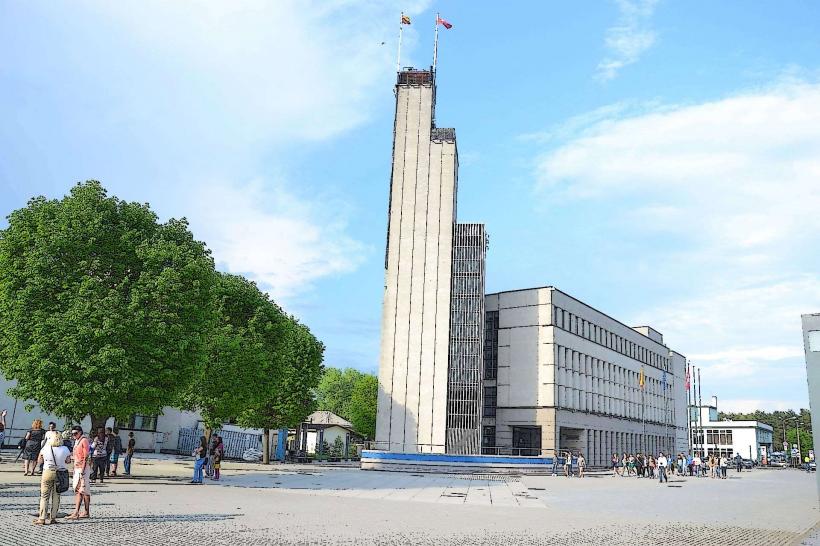
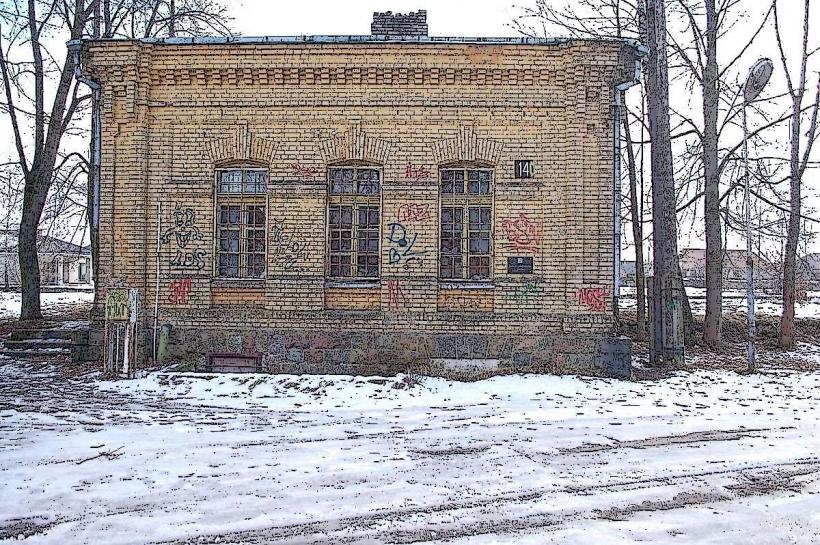
The Old Town features a street layout that developed organically around the original castle mound, later incorporating more structured elements. Buildings are predominantly two to three stories, constructed from brick and plaster, often painted in muted earth tones or pastels. Roofs are typically gabled and covered with red tiles. Cobblestone sections are present on some streets and squares. The overall architectural style reflects a blend of historical periods, with influences from Neoclassical and early 20th-century functionalism visible in various structures.
Location & Access Logistics
Alytus Old Town is centrally located within the city of Alytus, approximately 1km from the main bus station. Access is primarily via S. Dariaus ir S. Girėno gatvė or Vilniaus gatvė, which are main arteries leading into the city center. Limited street parking is available on surrounding streets, with designated parking lots near Laisvės Square. Public transport within Alytus is served by local bus lines; several routes, including lines 1, 2, and 3, have stops within a 0.5km radius of the Old Town core, providing connections to other city districts.
Historical & Ecological Origin
The origins of Alytus Old Town trace back to the 14th century, with the establishment of a wooden castle on the Alytus Mound overlooking the Nemunas River. The town developed around this defensive structure, serving as a strategic point and a regional administrative center. Its urban plan evolved from a medieval settlement pattern, with significant growth and reconstruction occurring after various conflicts and fires throughout the centuries. The current architectural fabric largely reflects development from the 18th to early 20th centuries, following periods of economic and cultural expansion.
Key Highlights & Activities
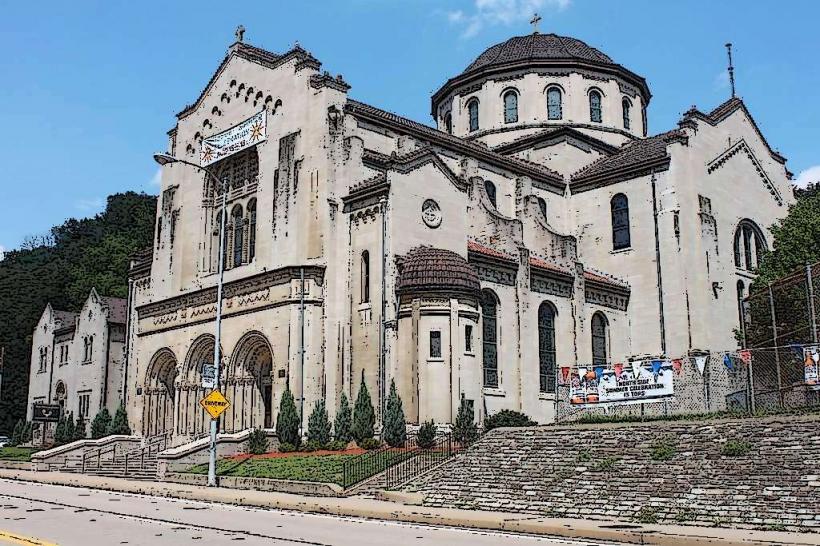
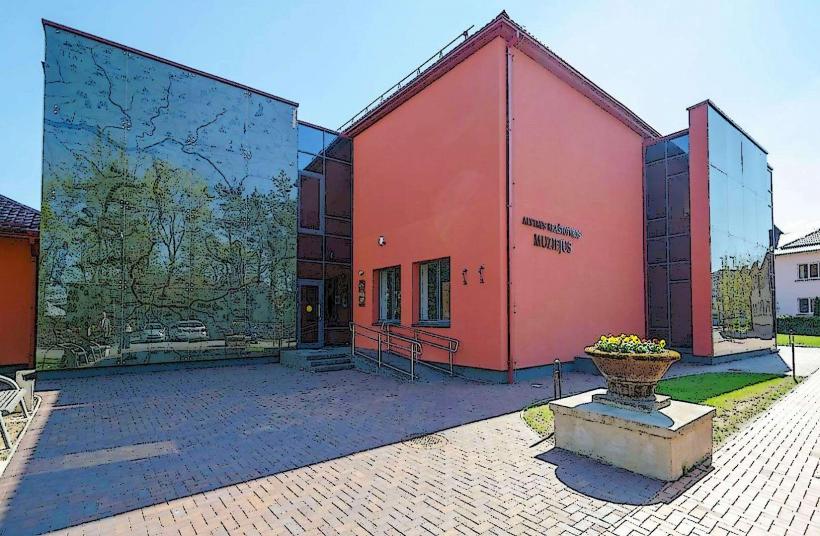
Walking tours are possible along the historic streets, observing the architectural details of the buildings. Visitors can ascend the Alytus Mound for panoramic views of the Nemunas River and the city. The St. Angel Guardian Church, a prominent landmark, is open for visitation during specific hours. The Alytus Regional Museum, located nearby, offers exhibits on local history and culture. A pedestrian promenade runs along the Nemunas River, accessible from the Old Town area.
Infrastructure & Amenities
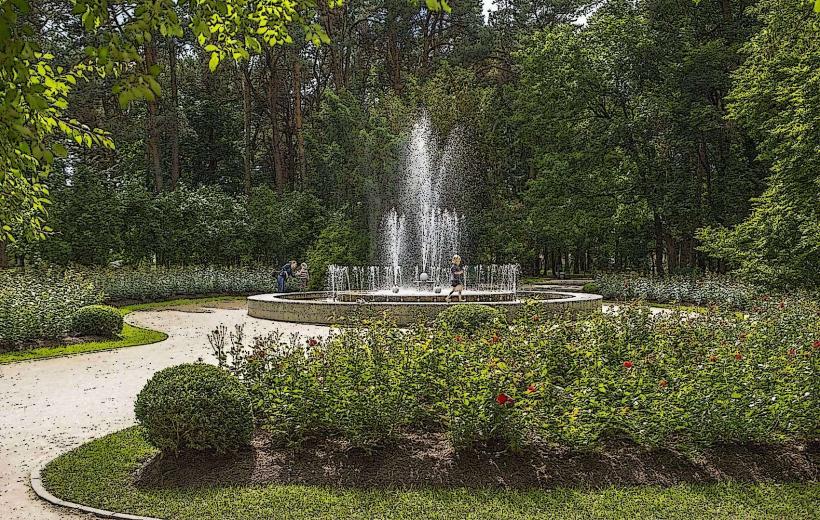
Public restrooms are available near Laisvės Square and within the Alytus Regional Museum. Shade is provided by mature trees in public squares and by building overhangs along the streets. Cell phone signal (4G/5G) is consistently strong throughout the Old Town area. Numerous cafes, restaurants, and small shops are present, offering food, beverages, and local goods.
Best Time to Visit
The months of May through September offer the most favorable weather conditions for exploring Alytus Old Town, with milder temperatures and less precipitation. For photography, early morning (sunrise to 10:00) or late afternoon (16:00 to sunset) provides optimal natural light, highlighting architectural textures and river views without harsh shadows.
Facts & Legends
A local legend states that the name "Alytus" derives from the Lithuanian word "alėti," meaning "to flow," referring to the Nemunas River. A verified historical oddity is the presence of a former synagogue building within the Old Town, reflecting the area's diverse historical population before World War II, now repurposed but retaining its distinctive architectural features.
Nearby Landmarks
- Alytus Mound (Alytaus piliakalnis) - 0.3km West
- St. Angel Guardian Church (Alytaus Šv. Angelų Sargų bažnyčia) - 0.4km North
- Alytus Regional Museum (Alytaus kraštotyros muziejus) - 0.6km North-East
- White Rose Bridge (Baltosios rožės tiltas) - 1.2km South-West
- Laisvės Square (Laisvės aikštė) - 0.2km East