Information
City: AngersCountry: France
Continent: Europe
Angers, France, Europe
Angers is the capital of the Maine-et-Loire department in western France, situated on the Maine River near its confluence with the Loire. It is the historic seat of the Plantagenet dynasty and serves as a primary center for European horticulture.
Visual Characteristics
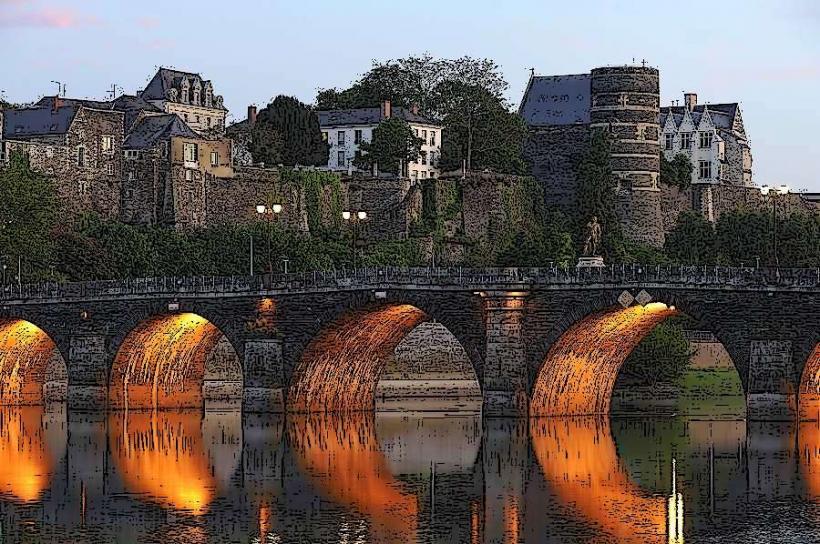
The city is defined by "black and white" architecture, utilizing dark local slate (schist) and white limestone (tuffeau). The dominant structure is the Château d'Angers, a 13th-century fortress featuring 17 massive towers constructed with alternating layers of slate and limestone. The historic center contains high-density medieval timber-framed houses, while the Doutre district across the river features 17th-century stone residences and expansive green spaces.
Location & Access Logistics
Angers is located 300 kilometers southwest of Paris and 90 kilometers east of Nantes. It is served by the Gare d'Angers-Saint-Laud, with TGV rail links to Paris in 1 hour and 30 minutes. The Irigo transit network operates two tramway lines (A, B, and C) and an extensive bus system. Vehicle access is via the A11 and A87 motorways. Public parking is concentrated in underground facilities at Place du Ralliement and the Cœur de Maine.
Historical & Ecological Origin
Originally the capital of the Andecavi tribe (Juliomagus), Angers became the heart of the County of Anjou. Under the House of Plantagenet, it was the center of an empire stretching from Scotland to the Pyrenees. Geologically, the city sits on the edge of the Armorican Massif, characterized by schist deposits that drove a significant slate industry. The surrounding "Anjou Valley" is an ecological zone noted for its high biodiversity and flood-prone meadows (Basses Vallées Angevines).
Key Highlights & Activities
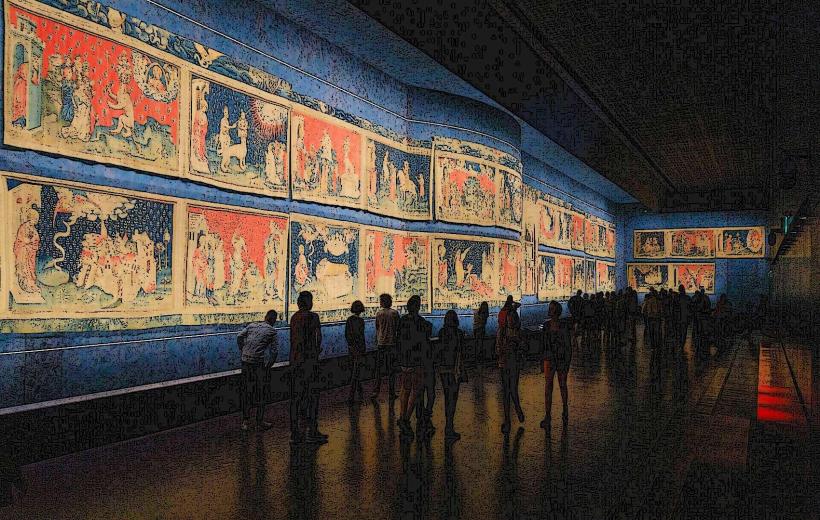
The Château d'Angers provides access to the "Apocalypse Tapestry," the world's largest and oldest surviving medieval tapestry. The Musée Jean-Lurçat, housed in the 12th-century Hôpital Saint-Jean, displays modern tapestries in a high-Gothic setting. Terra Botanica, the first European theme park dedicated to plant life, is located on the northern outskirts. Walking tours of the Doutre district allow for observation of the Abbey of Saint-Nicolas and the historic waterfront.
Infrastructure & Amenities
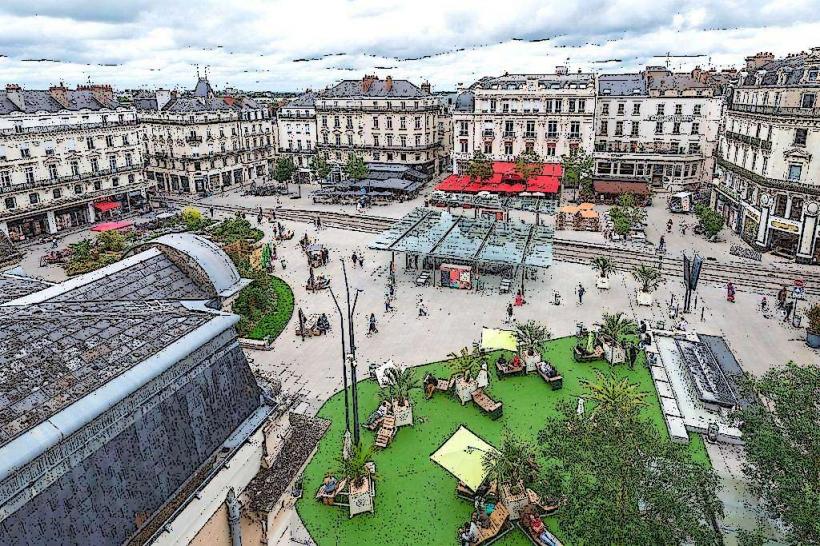
The pedestrianized core, centered on Place du Ralliement, is equipped with public restrooms and universal 5G cellular coverage. The Irigo network provides "Vélocité" bike rentals. Drinking water fountains are available in public gardens like the Jardin du Mail. The Halles d'Angers (Grand Maine) serves as a permanent indoor market for regional produce, including Anjou wines and Cointreau, which is produced locally in Saint-Barthélemy-d'Anjou.
Best Time to Visit
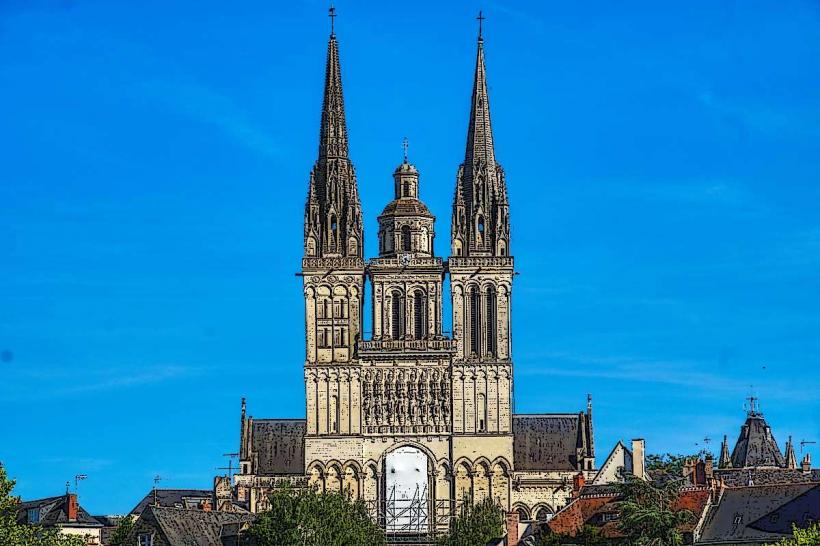
The climate is oceanic and mild. May through September is optimal for visiting the botanical gardens and the Loire Valley vineyards, with temperatures between 18°C and 25°C. For photography, the late afternoon light emphasizes the contrast between the dark slate towers of the chateau and the white tuffeau stone of the Saint-Maurice Cathedral. The "Accroche-Cœur" street theater festival in September involves major city-center pedestrianization.
Facts & Legends
Angers is frequently ranked as one of the cities with the highest quality of life in France due to its ratio of green space per inhabitant. A historical oddity: the Apocalypse Tapestry was once cut into pieces and used as floor mats and horse blankets during the French Revolution before being painstakingly restored. Legend holds that the 15th-century "Maison d'Adam" is named for the wood carvings of Adam and Eve on its facade, though the carvings also include diverse secular and grotesque figures.
Nearby Landmarks
Château d'Angers: 0.1km West of center
Saint-Maurice Cathedral: 0.2km North
Place du Ralliement: Central hub
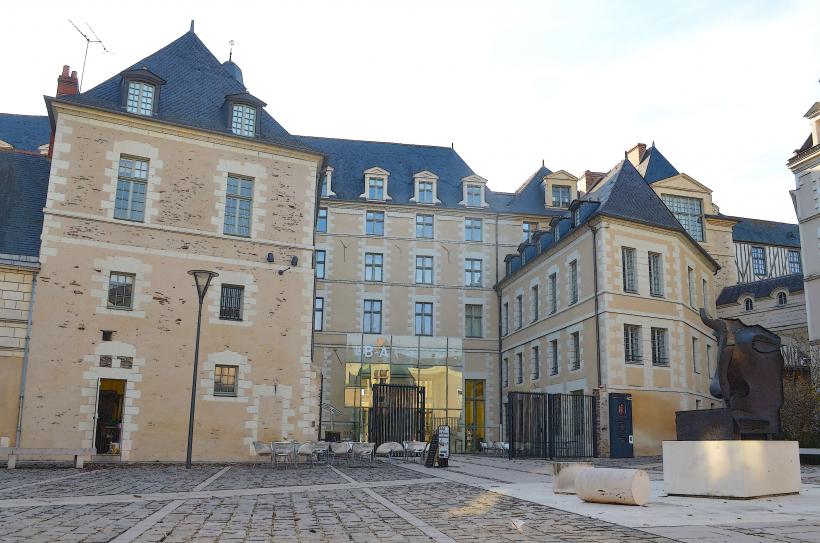
Musée des Beaux-Arts: 0.3km East
Terra Botanica: 4.5km North