Information
City: AveiroCountry: Portugal
Continent: Europe
Aveiro, Portugal, Europe
Aveiro functions as a primary industrial, maritime, and educational hub within the Centro Region of Portugal. Situated 75 km south of Porto and 60 km north of Coimbra, the city is uniquely positioned along the Ria de Aveiro, a shallow coastal lagoon that dictates its logistical and cultural identity.
Historical Timeline
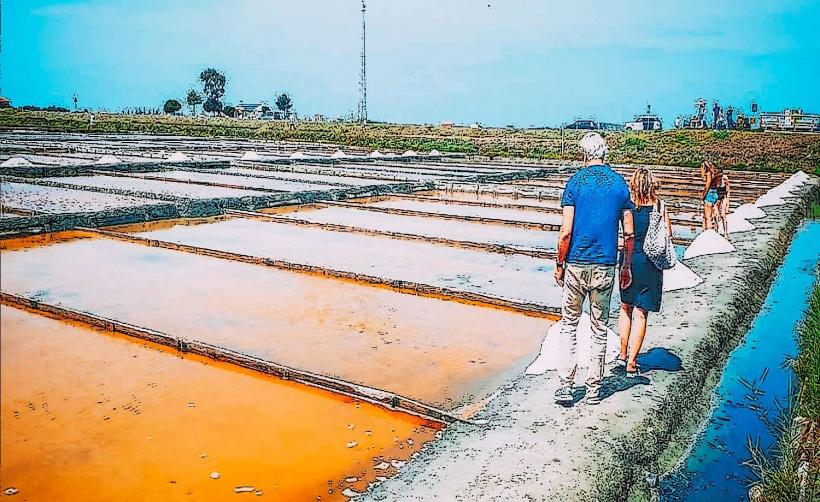
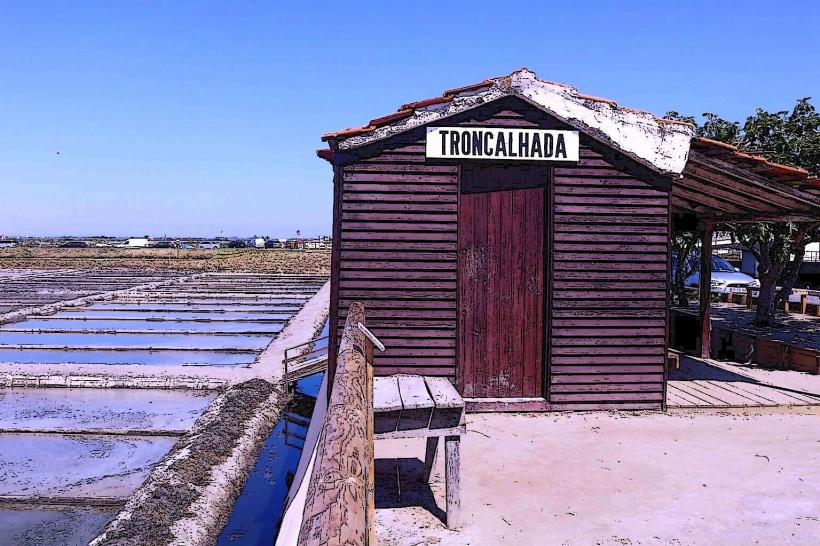
Aveiro (Latin: Averius) was established as a salt production center during the Roman era and evolved into a strategic maritime port in the Middle Ages. The primary era of governance began in the 15th century under King Afonso V, whose daughter, Princess Saint Joana, entered the city's Convent of Jesus. The primary event shaping the city's modern form was the catastrophic 1575 winter storm, which closed the lagoon's mouth with silt, triggering centuries of economic stagnation. Recovery began in 1808 with the opening of the Barra Canal, an artificial waterway that restored maritime access and allowed for the 19th-century expansion of the salt, kelp, and porcelain industries.
Demographics & Population
The municipal population is approximately 80,900, with an urban core of roughly 73,000 residents. The demographic profile is predominantly Portuguese, with an increasing international student population and immigrant communities from Brazil and former African colonies. The median age is approximately 44 years.
Urban Layout & Key Districts
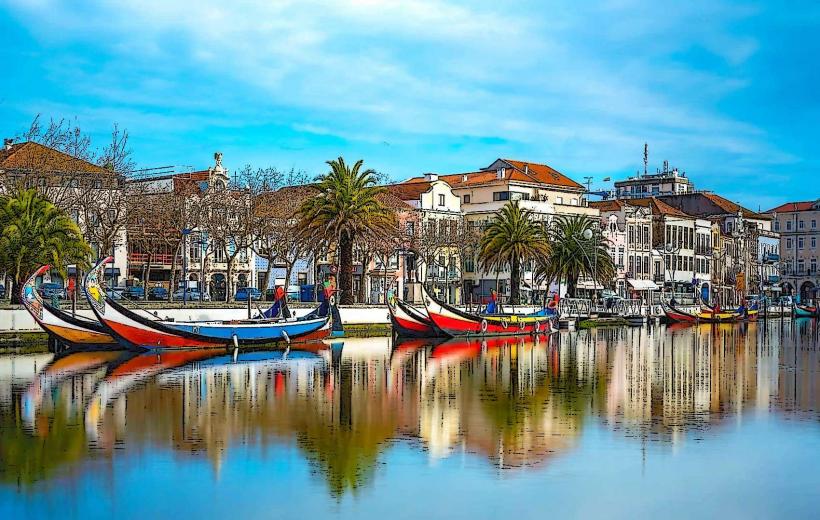
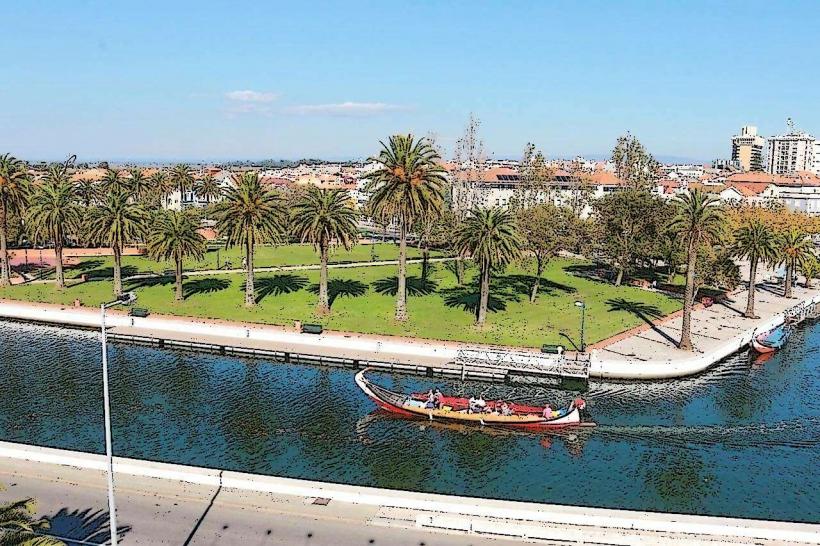
The city is organized around a network of urban canals-the Central, São Roque, and Pirâmides canals-that connect the historical core to the lagoon.
Beira Mar Neighborhood: The traditional fishermen’s quarter, characterized by narrow cobbled streets and the central Fish Market (Mercado do Peixe).
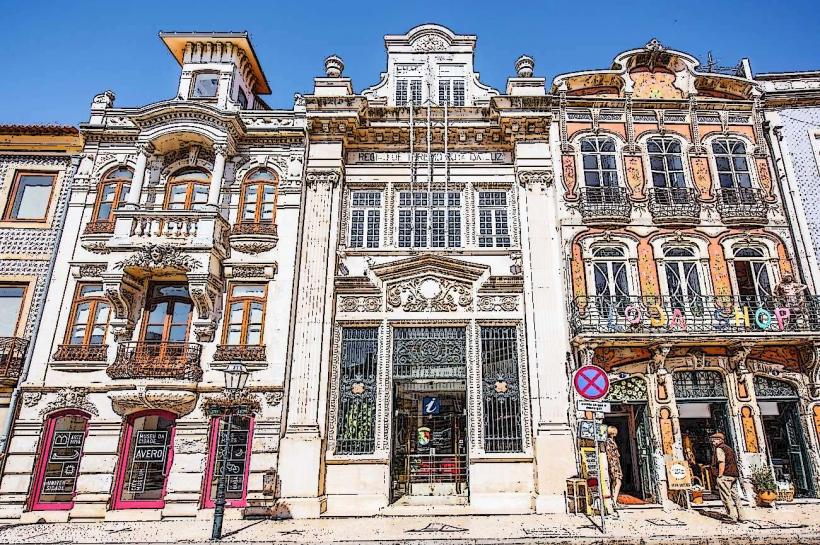
Art Nouveau District: Concentrated around the city center, featuring late 19th-century bourgeois residences.
Glória/Vera Cruz: The modern administrative and high-density residential parishes.
University Campus: An architectural zone south of the center, designed by Pritzker Prize winners Siza Vieira and Souto de Moura.
Top City Landmarks
Aveiro Canals: The city's defining feature, navigated by traditional Moliceiro boats.
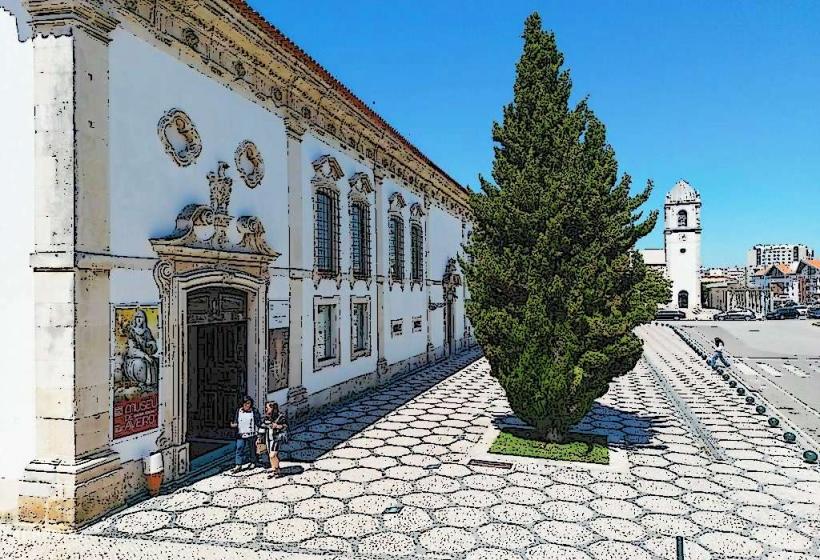
Museum of Aveiro (Convento de Jesus): A 15th-century convent housing the marble tomb of Princess Saint Joana.
Aveiro Railway Station: An architectural landmark featuring 59 azulejo (tile) panels depicting regional life.
Forum Aveiro: An award-winning open-air shopping center integrated with the Canal Central.
Barra Lighthouse: Located 10 km west, it is the tallest lighthouse in Portugal (62 meters).
Transportation Network
Movement within the flat city center is facilitated by BUGA (Bicicleta de Utilização Gratuita de Aveiro), a free bicycle-sharing system. Public transit is managed by AveiroBus, providing municipal and suburban routes. There is no metro or tram system. Regional transit is provided by CP (Comboios de Portugal) on the Northern Line connecting to Porto and Lisbon. Taxis are beige or black-and-green; Bolt and Uber are widely available.
Safety & "Red Zones"
The general safety level is very high. Crime is statistically negligible. There are no designated "red zones." The primary risks are environmental: the city is prone to localized flooding during high tides and heavy rainfall, and the lagoon's mudflats can be hazardous for unauthorized hiking.
Digital & Financial Infrastructure
Internet speeds average 200–500 Mbps via fiber-optic networks. 5G coverage is universal. Card acceptance (Visa, Mastercard, MB Way) is standard in almost all establishments. Multibanco ATMs are ubiquitous, particularly in the Praça da República and Forum Aveiro areas.
Climate & Air Quality
Aveiro has a Mediterranean climate with significant Atlantic influence, characterized by narrow temperature ranges. Daytime temperatures range from 14°C in January to 25°C in August. Air quality is consistently high due to constant sea breezes from the Ria. The primary weather risk is winter storm surges from the Atlantic.
Culture & Social Norms
The city's social fabric is defined by its maritime heritage. Tipping is not required but rounding up to the nearest euro is common. The local specialty, Ovos Moles (egg yolk and sugar sweets in wafer shells), is protected by EU law. Cultural life is heavily influenced by the University of Aveiro, which hosts year-round festivals and research symposiums.
Accommodation Zones
Beira Mar / Central: Recommended for walking access to canals, dining, and historical sites.
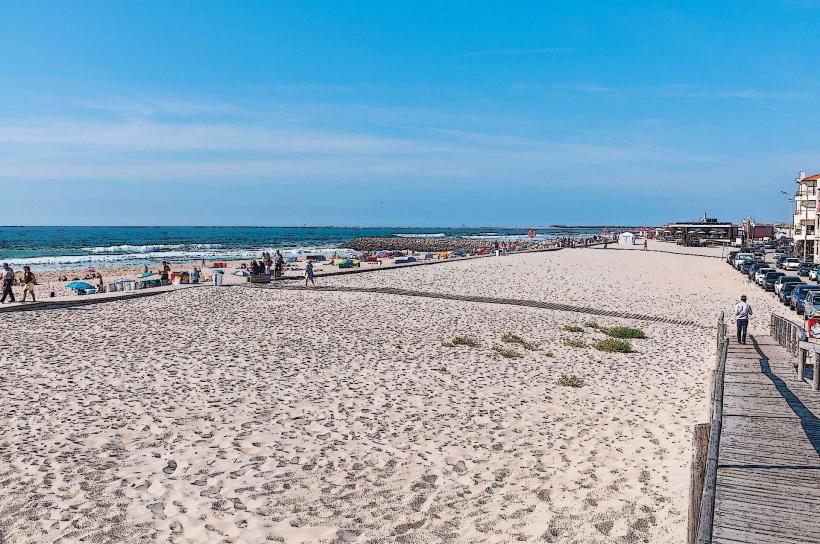
Costa Nova: 15 minutes west; recommended for beach access and viewing the iconic striped houses (palheiros).
Rossio: Recommended for its concentration of Art Nouveau guesthouses.
Local Cost Index
1 Espresso: €0.70 ($0.76 USD)
1 Box of Ovos Moles (Small): €6.00 ($6.50 USD)
1 Standard Lunch: €10.00–€15.00 ($10.85–$16.30 USD)
1 Moliceiro Boat Tour: €13.00 ($14.10 USD)
Nearby Day Trips
Costa Nova Beach: Famous for its candy-striped fishing cottages (20-minute bus).
Vista Alegre Factory (Ílhavo): A historic porcelain production center and museum (15-minute drive).
São Jacinto Dunes: A protected nature reserve accessible by ferry from Barra.
Coimbra: 60 km (35-minute train).
Facts & Legends
Aveiro is the site of the legend of the "Saint Princess," who chose the Convent of Jesus over a royal marriage, allegedly performing miracles for the local poor. Historically, the Moliceiro boats were originally designed to harvest moliço (seaweed) for agricultural fertilizer, only transitioning to tourism in the late 20th century. A unique local fact is that Aveiro is a member of the International Art Nouveau Network, alongside cities like Barcelona and Brussels, due to its exceptional concentration of late-century facades.