Information
Landmark: Aveiro CanalsCity: Aveiro
Country: Portugal
Continent: Europe
Aveiro Canals, Aveiro, Portugal, Europe
Overview
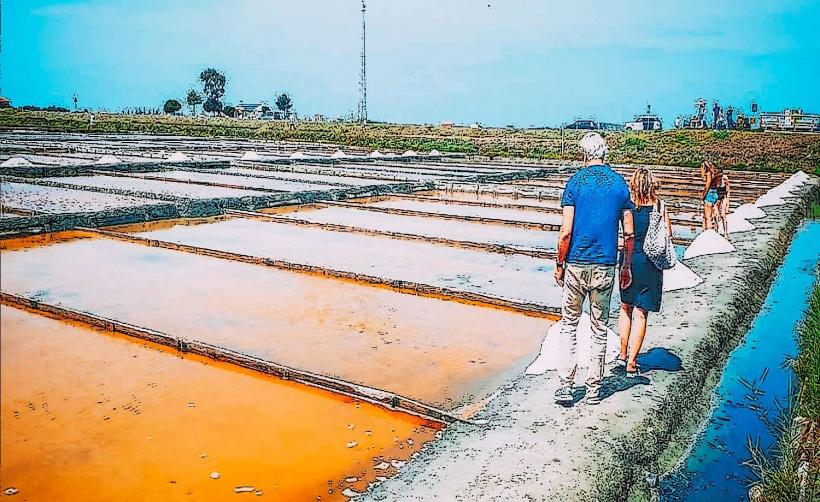
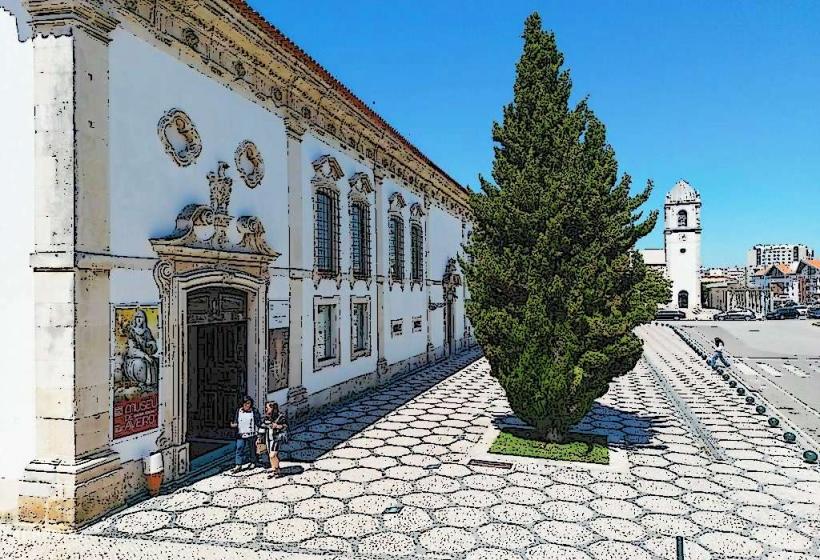
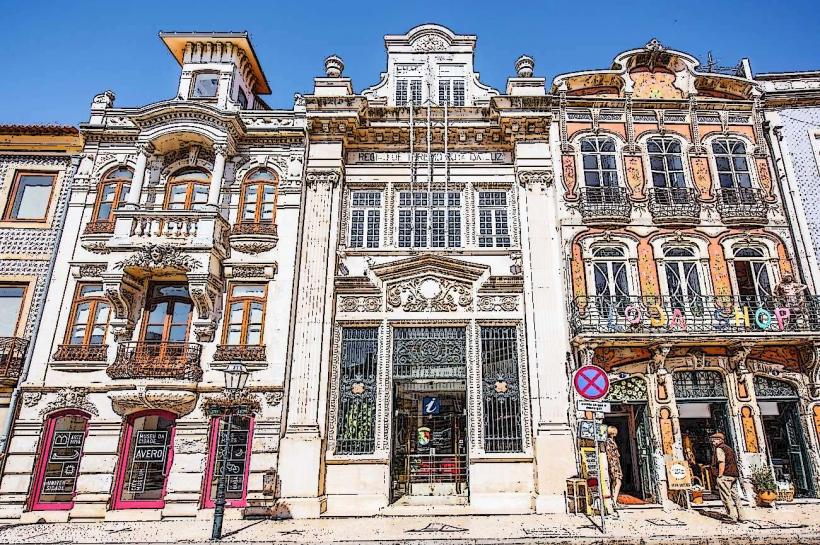
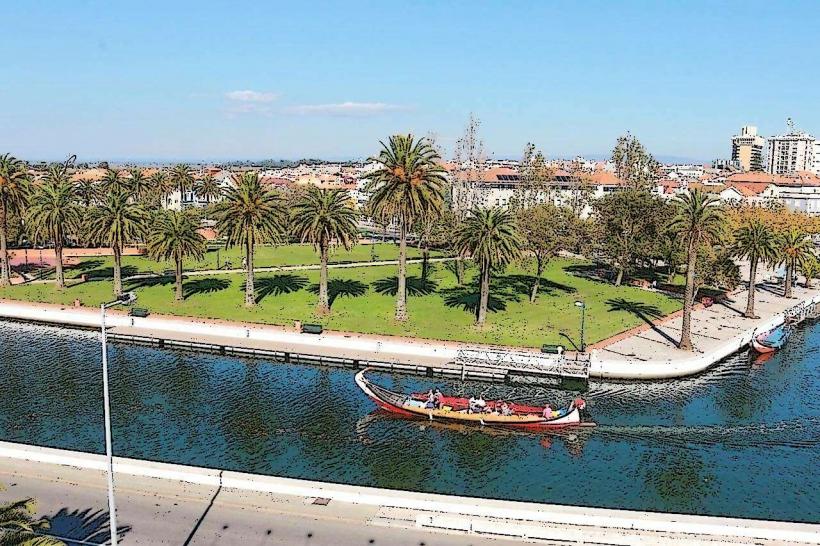
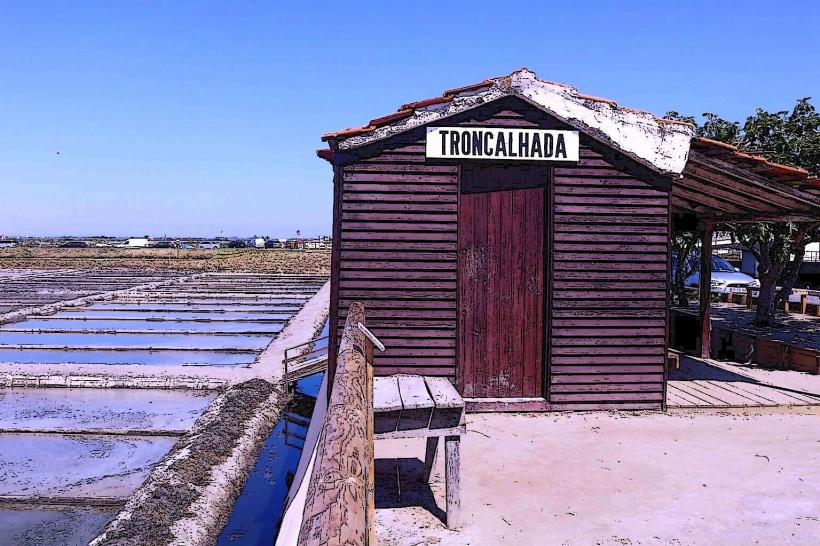
Winding through central Portugal, the canals of Aveiro stand out as one of the city’s most striking features, their water glinting in the afternoon sun, then nicknamed the Venice of Portugal for its winding canals and breezy charm, Aveiro invites you to drift past painted boats and sunlit facades, taking in views that whisper stories of its seafaring past.Number one, along with for centuries, the canals of Aveiro have shaped the city’s story, their calm waters reflecting pastel houses and fishing boats.Just so you know, The city’s ties to the water stretch back to the Middle Ages, but in the 19th century its canals deepened and widened, carrying the bustle of ships and trade as the port grew in importance, subsequently most of Aveiro’s canals were built by hand over the years, designed to move goods along the water-especially salt, the lifeblood of the region for centuries.Flat-bottomed boats once carried loads from the glittering salinas straight out to the sea, meanwhile the canals opened routes for trade and carried news to distant towns in Portugal, and even farther across the sea.Today the salt trade has faded, yet the canals still run luminous and still, a defining thread in the city’s view, likewise aveiro’s waterways twist and meet through its center, glinting between bridges and whitewashed walls.Some of the best‑known waterways include the Canal Central, the broad main channel that cuts straight through the heart of Aveiro, where tiny boats glide past sun‑painted houses, meanwhile charming Art Nouveau Buildings line the street, while glowing boats bob gently against the dock.The Canal Central, Aveiro’s most famous waterway, offers visitors a charming glimpse of the city’s waterfront, where colorful boats drift past tiled facades, simultaneously for many tourists, this is where the journey begins-stepping onto a boat as the water laps softly against the dock.The Canal de São Roque is a smaller waterway that follows the Canal Central’s path, its still surface broken only by the gentle ripple of a passing gondola, moreover it’s a quieter escape than the main canal, where boats jostle and voices echo off the water.The Canal de Mira flows into the Mira River, linking Aveiro to the Atlantic, where you can smell the salt on the breeze, equally important this route once carried traders and their goods, and even now, boats still glide along its waters.Oddly enough, Ria de Aveiro sits just beyond the city center, a shimmering lagoon threaded with shallow channels, wide salt flats, and scattered islands, while the Ria de Aveiro is a vital stretch of wetlands where herons stalk the shallows, rich with birdlife, and locals still cast nets for fish and tend to mussel beds.Number three, not only that moliceiros, the brightly painted wooden boats gliding along Aveiro’s canals, are among the city’s most iconic sights.Brightly painted wooden boats once skimmed the lagoon, gathering seaweed-called “moliço”-and hauling it back to shore, to boot these days, they ferry tourists along the canals, gliding past stone bridges and flower-draped balconies.The moliceiros burst with color, their sides painted in intricate floral patterns and, now and then, a witty line or playful verse curling along the wood, and the boats are long, narrow, and flat-bottomed, built to glide easily through the canals’ shallow water, mildly Hopping aboard a brightly painted moliceiro is one of the best ways to soak in Aveiro’s beauty and charm, after that hop on a guided boat tour and you’ll hear stories about the city’s past, its winding canals, and the brightly painted traditional boats, making the trip both fun and full of local lore.The Aveiro Canals aren’t just waterways-they’re woven into the city’s very identity and tradition, also for centuries, the canals kept the local economy alive, carrying barges of salt, nets heavy with fish, and goods bound for distant towns.The brightly painted moliceiros still glide along Aveiro’s canals, a nod to the city’s seafaring past, though these waters now carry more tourists than cargo, simultaneously in the late 1800s and early 1900s, elegant Art Nouveau façades began to rise beside them, their curved lines and stained glass catching the afternoon light.The ornate facades and intricate carvings on these buildings show just how wealthy and culturally alive Aveiro was at the time, in turn traditional and modern buildings line the canals, their tiled facades catching the sunlight and giving the city its distinctive charm.Today, the Aveiro Canals draw visitors from around the world, and visitors drift along the canals in compact boats, wander the sunlit waterfront, and soak up the city’s one-of-a-kind charm.Truthfully, Cafes spill tables onto the canal’s edge, with restaurants and little shops tucked along the water, making this a lively heart of Aveiro’s tourist scene, along with beyond the charm, the canals and the broad Ria de Aveiro are vital to the region’s fragile ecosystem.A variety of wildlife thrives in the lagoon, especially birds that skim low over the water, and the area’s widely recognized as an vital wetland, after that people have worked to protect the region’s ecological balance, keeping the canals alive with darting fish and clear, leisurely-moving water.In Aveiro, the city has grown around this network, blending sleek innovative bridges and walkways with the antique-world charm that draws both locals and visitors, in turn the canals still run through the heart of the city, drawing locals and visitors to their shimmering waters.As it happens, Just beyond them, Aveiro’s salt flats stretch wide and white under the sun, a living link to the region’s industrial past where salt is still gathered by hand, then some salt flats sit right beside the canals, where visitors can explore the region’s salt-making past and witness how, long ago, workers loaded heavy sacks onto boats for transport.Just a short amble from the canals, the Aveiro Museum invites you to explore the city’s past-its winding waterways, salt harvesting, and other timeworn trades, alternatively the museum sits inside a former convent, where you can wander past paintings, ancient pottery, and stories of Aveiro’s canals and luminous moliceiro boats.Believe it or not, Aveiro’s historic heart, laced with shining canals and graceful Art Nouveau facades, invites you to wander its quiet streets on foot, after that many buildings along the canals have been lovingly restored, their polished brickwork standing in striking contrast to the sleek glass and steel beside them.Seven, while the Aveiro Canals are lovely any time of year, but they shine in spring and summer, when warm breezes ripple the water and visitors drift past painted boats or wander the sunlit paths along the banks.At sunset, the water catches the light in ripples of gold, making it perfect for photos, consequently you can wander the canal-side promenades on foot or glide past painted facades in a moliceiro boat.Gliding along the river in a miniature boat, you can take in the city’s skyline while the water laps softly against the hull.
Author: Tourist Landmarks
Date: 2025-08-26