Information
City: BagamoyoCountry: Tanzania
Continent: Africa
Bagamoyo, Tanzania, Africa
Overview
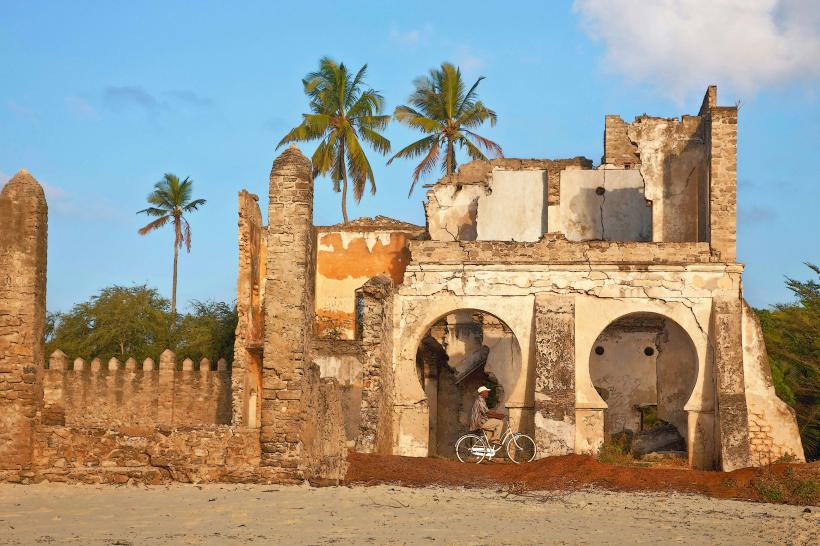
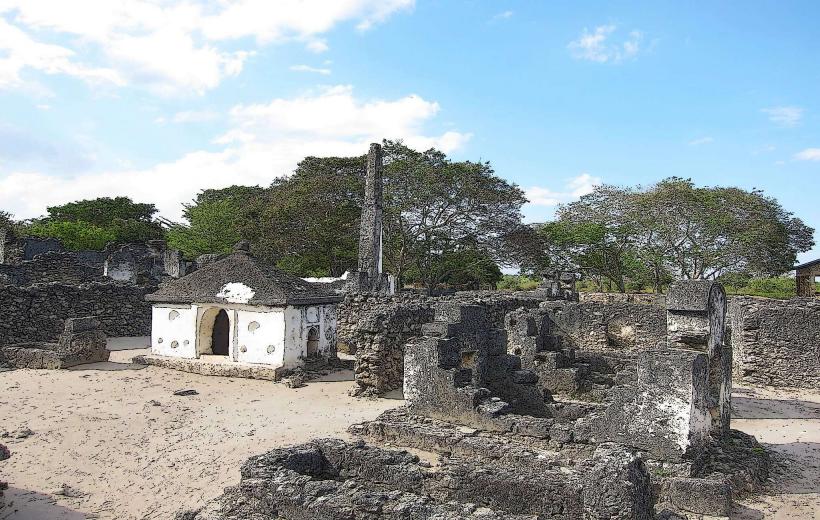
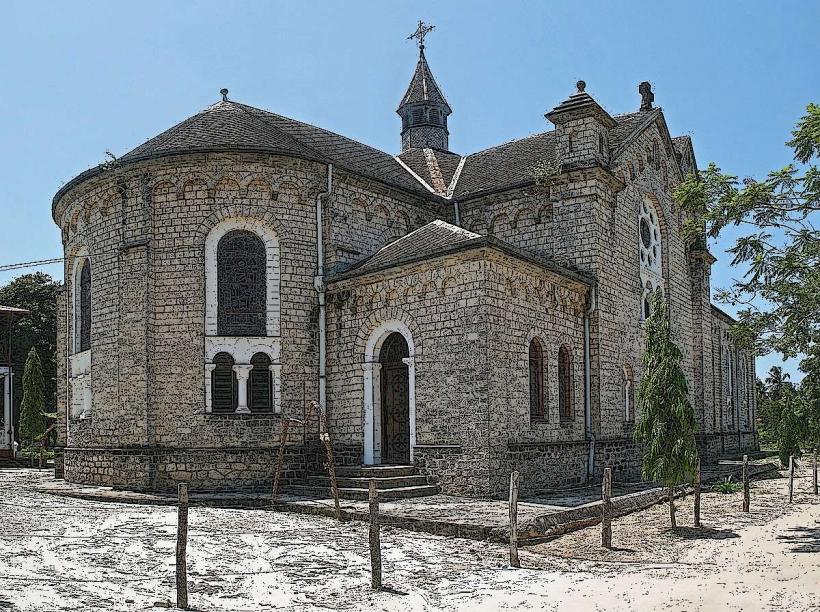
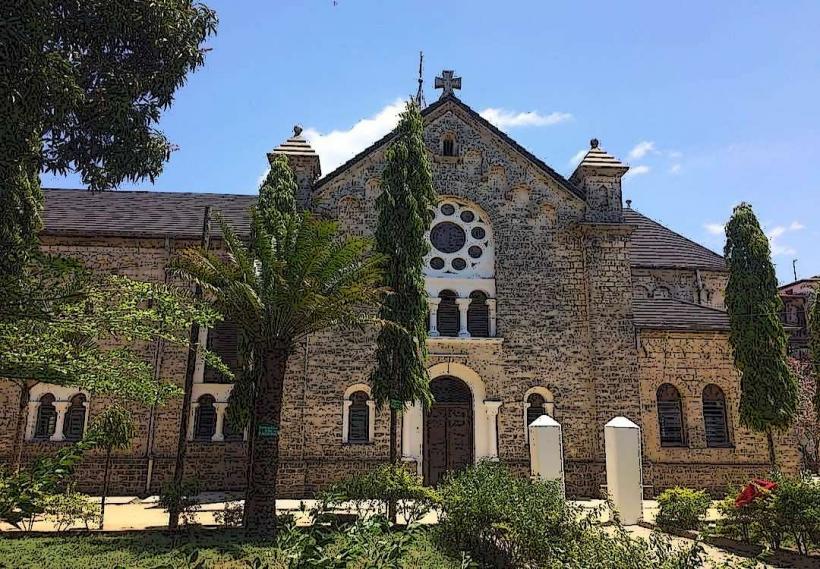
Bagamoyo sits on Tanzania’s Coast Region, right where the land meets the turquoise sweep of the Indian Ocean, and about 75 kilometers, or roughly 47 miles, north of Dar es Salaam, it once stood at the heart of East Africa’s history-most notably during the slave trade and the first years of colonial rule.Bagamoyo is famous for its vibrant culture, storied landmarks, and a coastline where palm trees sway over sparkling, warm sand, in conjunction with bagamoyo sits on Tanzania’s coast, where the warm breeze drifts in from the western shore of the Indian Ocean.Honestly, Bagamoyo sits in a prime spot on the coast, a port town that once bustled with merchants and storytellers from far-off lands, subsequently the air stays warm year-round, with the scent of salt lingering on the breeze, occasionally Believe it or not, The town sees two rainy stretches each year-the long rains from March to May and the short rains from November to December-while dusty, sunbaked days dominate from June to October, therefore bagamoyo’s past runs deep, tied to the slave trade, the colonial era, and the ancient trade routes that once pulsed through East Africa, relatively In the 19th century, ships anchored off Bagamoyo’s shore, making it one of the main East African ports tied to the slave trade, as a result from deep inside East Africa, enslaved people were forced to Bagamoyo, where many waited in cramped, airless rooms before being shipped to the Middle East, India, and beyond.The town served as a key departure point for the notorious Zanzibar Slave Market, at the same time its name, “Bagamoyo,” means “lay down your heart” in Kiswahili-a bitter nod to the grief and despair endured there.Frankly, Later, during German colonial rule, Bagamoyo became an significant administrative center in East Africa, as a result the town was the heart of administration and trade for the German East Africa Company, and it bustled as the starting point for the famed Zanzibar-to-Moshi caravan routes, where explorers, missionaries, and traders set out toward Mount Kilimanjaro’s slopes and the wide plains of the Serengeti.Today, Bagamoyo draws visitors with its mix of centuries-aged ruins, vibrant cultural landmarks, and sunlit shores that speak to its rich coastal heritage, consequently bagamoyo’s ancient Town is lined with worn, sun-bleached buildings-some bearing the ornate balconies of the colonial era, others still whispering their ties to the slave trade, more or less Bagamoyo’s narrow lanes, weathered houses, and lively markets carry the scent of its storied past, and the Bagamoyo Historical Site holds UNESCO World Heritage status for its significance; among its most notable landmarks is the ancient Fort, its stone walls still standing strong by the shore, besides built in the German colonial era, it still stands as a vivid reminder of the town’s destination in the region’s story, like a weathered stone holding decades of sun and dust.Built as a military stronghold, the fort later came to stand as a reminder of Bagamoyo’s colonial past, its weathered walls still catching the afternoon sun, while today, visitors can step inside and trace that history for themselves.Nearby, the Bagamoyo Slave Trade Monument honors the countless enslaved people who once passed through the town, marking a somber chapter that still echoes in the sea air, furthermore it serves as a stark reminder of the suffering people endured during the transatlantic slave trade, drawing visitors who come to learn its history.The Kaole Ruins, with crumbling coral-stone walls, mark the site of a Swahili settlement from the 13th century, therefore just outside Bagamoyo, you’ll find weathered ruins-aged mosques, quiet tombs, and coral stone walls bleached pale by the sun-that tell the long story of Swahili life on the East African coast; the site offers a window into how Islamic culture and trade flourished here, and nearby stands the German Boma, once the bustling heart of colonial administration.Today, the Boma serves as a museum, showcasing artifacts and stories from Tanzania’s colonial past, what’s more just down the road, Bagamoyo’s shoreline stretches wide, the pale sand meeting the glittering blue of the Indian Ocean.Unlike the bustling resorts of Zanzibar, this beach remains quieter, its calm waves lapping at soft sand shaded by palms, to boot you can swim in the warm shallows, stroll along the shore, and savor freshly grilled seafood at tables set just steps from the water.Nearby, the Mtembezi River winds through Bagamoyo, a serene stretch perfect for languid, scenic boat rides, to boot the river’s perfect for birdwatching, casting a line, or just sitting quietly while the water slips past.As far as I can tell, In Bagamoyo, the heart of Tanzania’s traditional arts scene, you’ll find artisans carving smooth wood figures, threading shining beads into jewelry, and weaving colorful baskets and textiles, likewise the town comes alive during festivals, when the air fills with the rhythm of Swahili drums and the swirl of Zanzibari dance.If you’re after a coastal escape, Bagamoyo Beach Resort offers airy cottages right on the sand, with snorkeling, diving, and fishing just steps away, furthermore and while Bagamoyo is famous for its culture and history, it also sits near nature reserves rich with wildlife and rare plants.Mafia Island Marine Park lies south of Bagamoyo, where clear waters shelter colorful reefs and a thriving mix of sea life, in addition the park shelters coral reefs, swaying seagrass beds, and an array of marine life, drawing divers and snorkelers from near and far.While Bagamoyo itself lacks large wildlife reserves, the nearby Mafia Island region teems with life-you might spot a whale shark gliding past, dolphins cutting through the waves, or schools of sparkling tropical fish, what’s more visitors can choose from a range of places to stay, from the beachside comfort of Bagamoyo Beach Resort, to the peaceful, ocean-view rooms at Caravanserai, or the upscale Mikadi Beach Resort with its coastal activities.Getting here from Dar es Salaam is simple, with both public buses and private transport available, and by road, you can reach the town along the Dar es Salaam–Morogoro Highway, where buses hum past rows of roadside mango trees.Traveling from Dar es Salaam to Bagamoyo by car or bus takes about an hour and a half to two hours, with the road winding past petite roadside fruit stalls; from Bagamoyo, you can catch a boat to Mafia Island, and if you’re flying, the closest airport is Dar es Salaam International.
Author: Tourist Landmarks
Date: 2025-10-29
Landmarks in bagamoyo