Information
Landmark: São Pedro Fishing VillageCity: Mindelo
Country: Cabo Verde
Continent: Africa
São Pedro Fishing Village, Mindelo, Cabo Verde, Africa
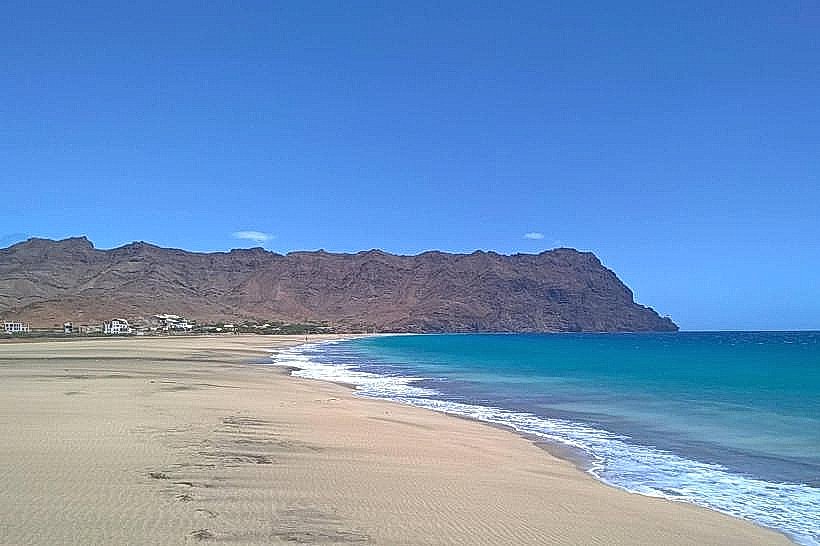
The São Pedro Fishing Village is one of São Vicente’s most authentic coastal communities, a place where the rhythms of daily life are dictated by the Atlantic tides, wind, and the cycles of small-scale fishing. Located on the southwestern edge of the island near São Pedro Beach, it combines rugged natural beauty with a living, working village atmosphere that feels deeply rooted in tradition.
Setting and Approach
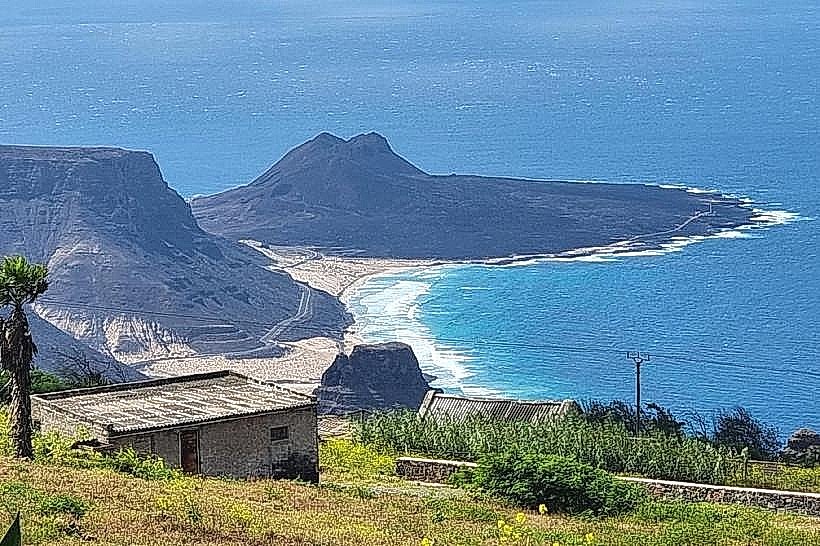
As you approach São Pedro, the landscape shifts from the more developed areas of Mindelo into open, undulating hills that slope toward the ocean. The road narrows and winds along low cliffs before dropping into the small settlement. From a distance, the village appears as a cluster of low, pastel-colored houses punctuated by fishing boats and nets laid out to dry on the sand. The smell of saltwater mixes with the faint aroma of wood fires or grilled fish, signaling the daily routines of its residents.
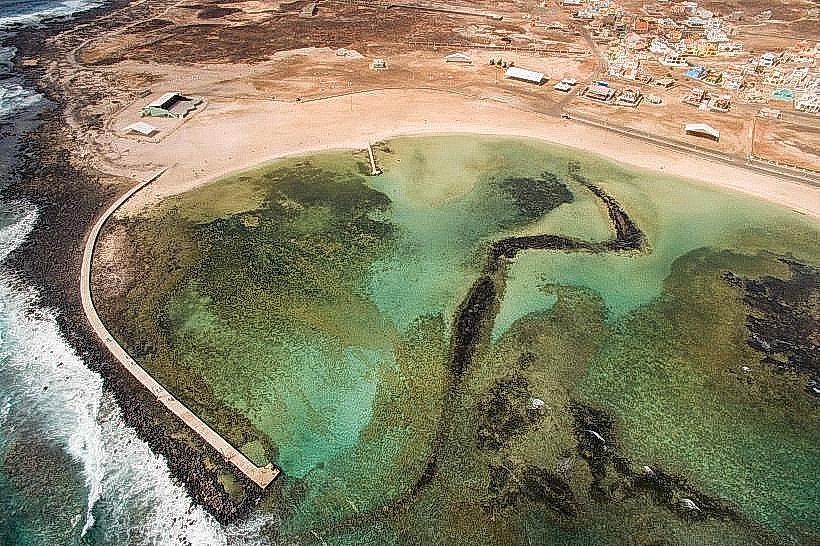
The coastline here is more rugged than the central beaches of Mindelo. Rocky outcrops punctuate the sandy stretches, and the waves of the Atlantic are stronger, rolling in with a steady rhythm that shapes both the beach and the life along it. A strong, constant breeze moves across the settlement, keeping the air fresh but also influencing how fishermen handle their boats and equipment.
Village Life and Fishing Activity
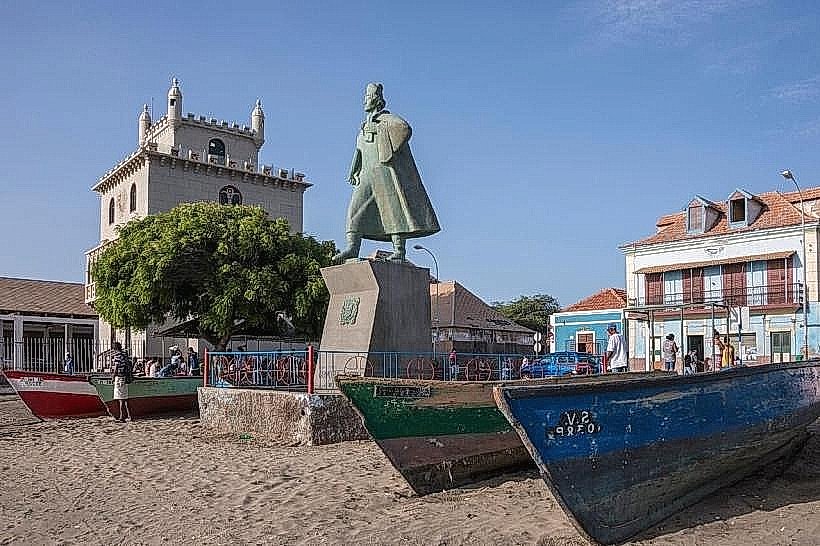
São Pedro is still very much a working fishing village. Early mornings see fishermen rolling their wooden boats toward the sea or preparing nets and crates on the sand. Small groups gather to check gear, discuss weather conditions, or plan the day’s route. Boats vary in size - some simple wooden dinghies for nearshore fishing, others slightly larger for trips toward deeper waters. Their brightly painted hulls stand out vividly against the neutral sand and blue water.
As the day progresses, the rhythm slows. Boats return with the morning catch, and families or neighbors gather to help unload, sort, and occasionally sell fish directly from the shore. Children play along the edges of the sand, sometimes racing to the waves or climbing over low rocks, while older villagers watch from shaded doorways or under makeshift canopies. The combination of work and leisure creates a textured, lived-in atmosphere that feels immediate and unpolished.
Architecture and Settlement Layout
The buildings in São Pedro are modest and practical. Houses are generally one or two stories, painted in soft pastel shades or plain whitewashed walls, with corrugated metal or flat concrete roofs. Many have small courtyards or outdoor spaces where nets, ropes, and other fishing equipment are stored. Wooden doors and shuttered windows show signs of weathering from wind and salt, giving each home a character that speaks to resilience and continuity.
Paths between the houses are sandy or rocky, winding naturally along the contours of the land rather than in strict grids. This organic layout enhances the village’s intimate feel, as every turn offers a glimpse of daily life: a cat resting near a doorway, a woman mending nets, or smoke curling from a small kitchen fire.
Interaction with the Ocean
The sea dominates village life. Waves crash along the shore and against the nearby rocky edges, providing both sustenance and a challenge. Children and locals often wade near the shallow edges, while fishermen work further out, navigating carefully among surf and tide. The constant sound of the ocean - rolling, crashing, and foaming - provides a persistent background soundtrack to every activity in the village. The wind shapes not only the sea but also the daily labor: boats are aligned to face the current, nets are hung in shaded spots to avoid wind damage, and temporary shelters are adjusted constantly to protect equipment.
Atmosphere and Daily Rhythm
São Pedro has a rhythm that feels timeless. Mornings are active, filled with preparation and movement. Midday slows as the sun climbs and the wind intensifies, giving villagers a chance for rest or informal gatherings. Late afternoons bring renewed activity, especially when boats return with the afternoon catch or when children play along the water. Evenings settle into a quiet calm, punctuated by occasional conversations, distant laughter, or the soft glow of oil lamps and kitchen fires.
Cultural Significance
The village represents one of the most authentic glimpses into Cape Verdean coastal life. It preserves fishing traditions, small-scale communal labor, and a connection to the sea that is rarely found in larger, more touristic areas. For visitors, São Pedro offers both a visual and sensory immersion: the smell of salt and fish, the texture of sun-warmed sand, the sound of waves and wind, and the sight of a community that lives rhythmically with the ocean.
Overall Impression
São Pedro Fishing Village is raw, authentic, and alive. It is a place where nature and human activity coexist closely, where the sea sets the pace of life, and where every corner tells a story of resilience, community, and tradition. Visiting it gives a tangible sense of Cape Verde’s maritime heritage, far beyond the polished waterfronts or resort areas of Mindelo.