Information
Country: Cabo VerdeContinent: Africa
Cabo Verde, Africa
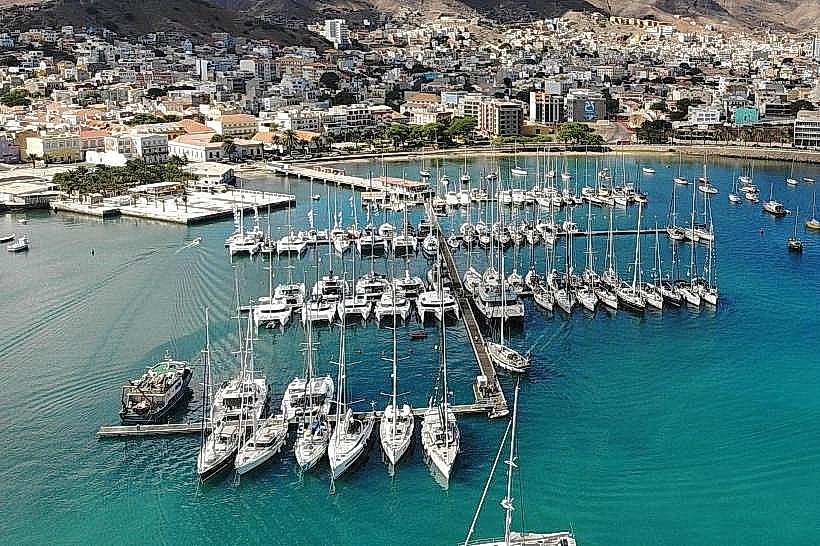
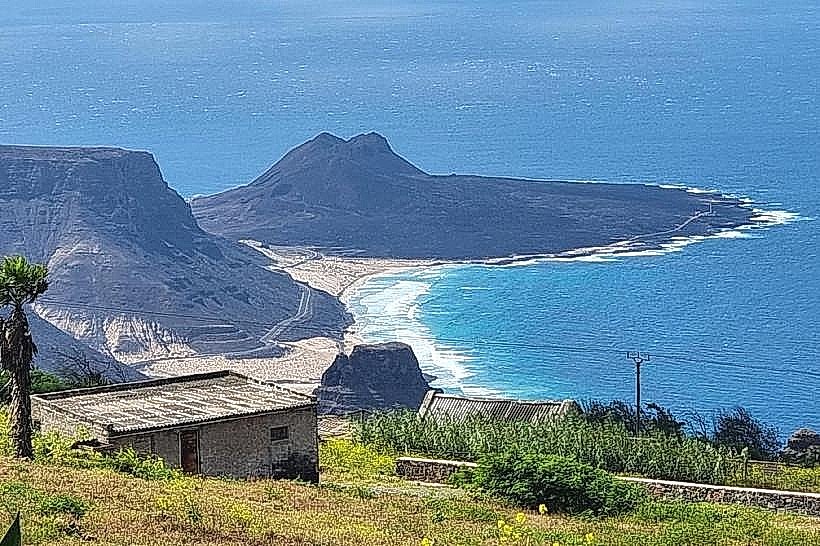
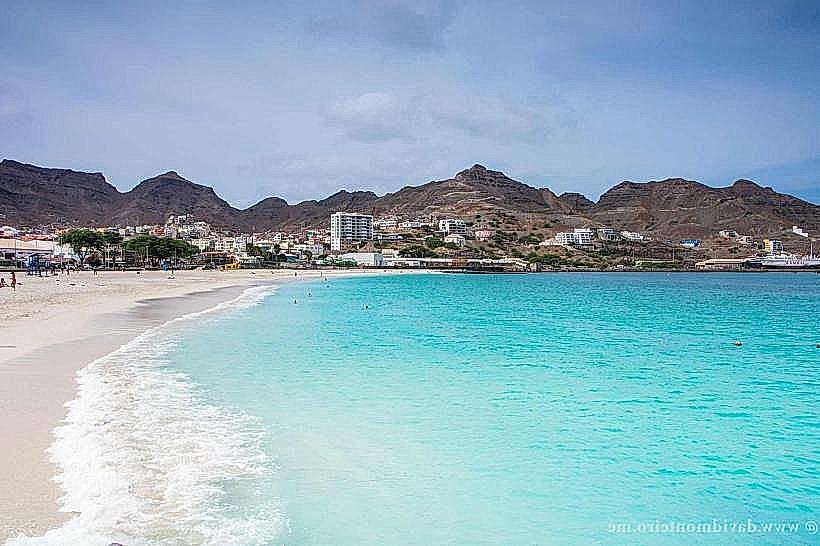
Cabo Verde is an archipelago of ten volcanic islands located in the central Atlantic Ocean, approximately 570 kilometers off the coast of West Africa. Its economy is defined by a heavy reliance on the services sector-particularly tourism and maritime logistics-and significant dependence on foreign aid and remittances, with Praia serving as the capital city.
History & Culture
Cabo Verde gained independence from Portugal on July 5, 1975. Major political eras include the Portuguese colonial period (1462–1975), the one-party socialist era under the PAICV (1975–1991), and the transition to a multi-party parliamentary democracy in 1991. 72.5% of the population identifies as Roman Catholic. The primary national holiday is Independence Day (July 5). Social etiquette centers on morabeza (hospitality), modest public conduct, and the use of both hands when giving or receiving items.
Language & Communication
The official language is Portuguese. English proficiency is Medium in the tourist-heavy islands of Sal and Boa Vista but Low in rural areas and the interior of Santiago. Cabo Verdean Creole (Kriolu) is the national language and the primary medium of daily communication, with distinct dialects existing for each island.
Population & Economy
The population is approximately 560,000, with 67% residing in urban areas. Top export commodities are processed fish (tuna and mackerel), fuel re-exports, and clothing. GDP per capita is approximately $4,500 USD. The economy is driven by the services sector, which accounts for over 70% of GDP, primarily through tourism.
Visa & Entry Policy
Citizens of the US, UK, and EU are visa-exempt for stays up to 30 days. All travelers must register online via the EASE platform at least five days before arrival and pay an Airport Security Tax (TSA) of approximately 3,400 CVE. A passport valid for at least six months is required.
Currency & Payment Systems
The currency is the Cabo Verdean Escudo (CVE), which is pegged to the Euro (EUR) at a fixed rate of $1\text{ EUR} = 110.265\text{ CVE}$. Cash is the primary medium outside of major resorts. Credit cards are accepted in high-end hotels and restaurants in Sal, Boa Vista, and Praia. ATMs (vinti4 network) are widely available in urban centers but often lack international connectivity in remote areas.
National Transport Grid
Inter-island travel is facilitated by domestic flights (BestFly Cabo Verde) and a ferry network (CV Interilhas). On-island transport relies on alugueres (shared minibuses) and taxis. There is no rail network. Maritime transit is the standard for heavy cargo and budget-conscious travelers, though schedules are subject to weather-related delays.
Digital Infrastructure
The primary mobile network providers are Alunitel (formerly CV Móvel) and Unitel T+ (Unitel Money). 4G coverage is reliable in urban centers and major tourist zones; the government has set a target for nationwide 5G coverage by the end of 2026.
Climate & Seasonality
Cabo Verde has a tropical dry climate with two distinct seasons. The dry season (November to June) is characterized by the Harmattan winds and temperatures between $20^{\circ}\text{C}$ and $26^{\circ}\text{C}$. The short wet season (August to October) brings higher humidity and irregular, often torrential rainfall, particularly on the mountainous islands.
Health & Safety
Yellow Fever vaccination is mandatory if arriving from an endemic zone. Malaria risk is Low, though Dengue fever outbreaks occur periodically in Santiago and Fogo. The emergency number for Ambulance is 130, Fire is 131, and Police is 132.
Top 3 Major Regions & Cities
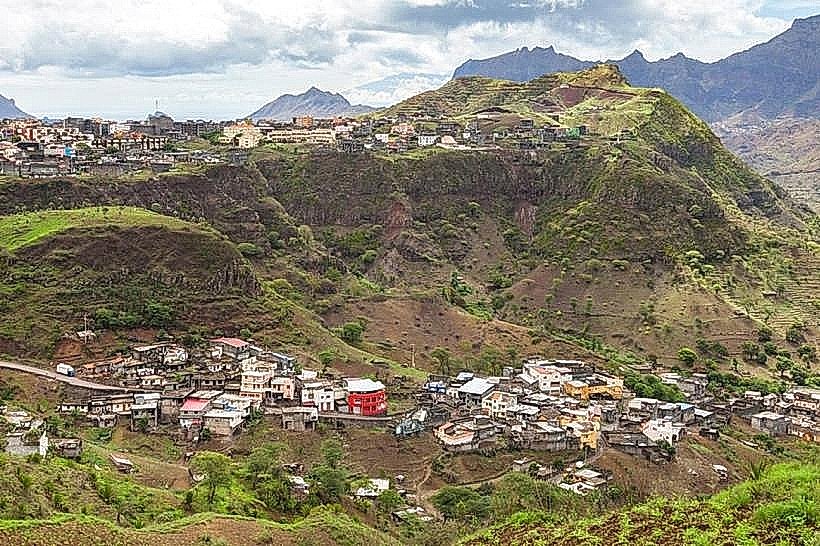
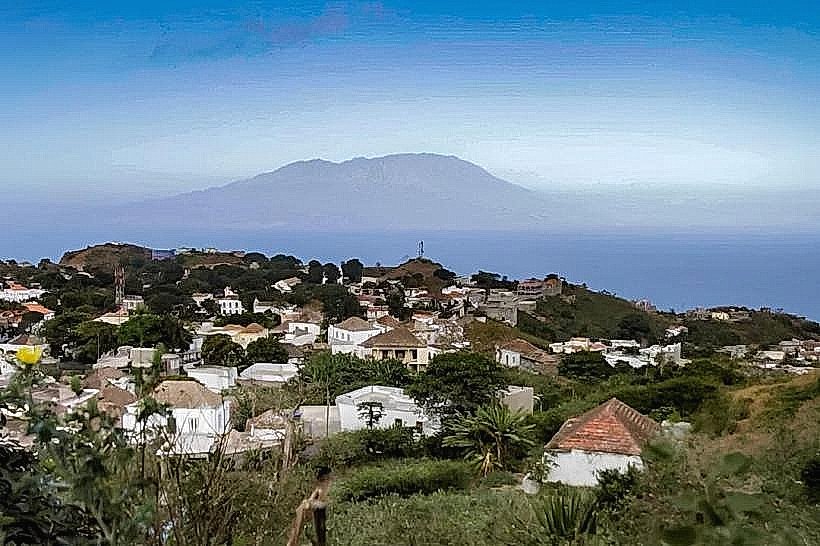
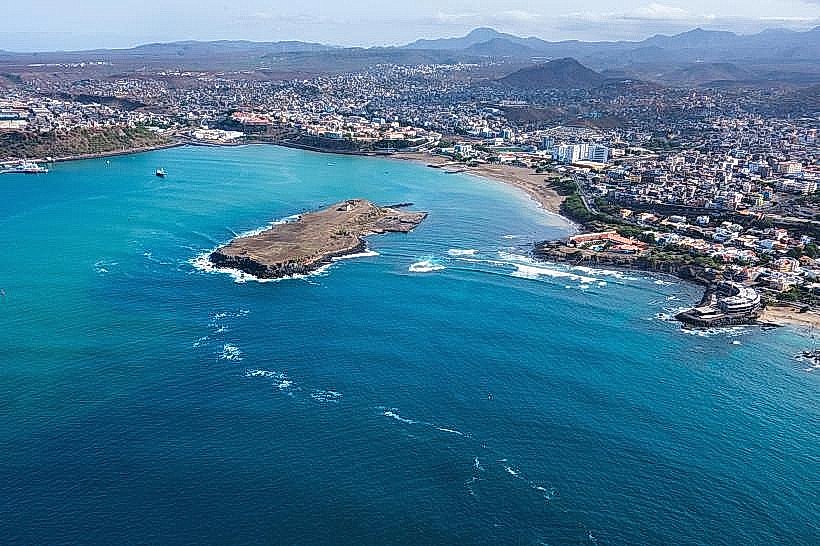
Sotavento Islands (Southern Group): Hub: Praia (Santiago).
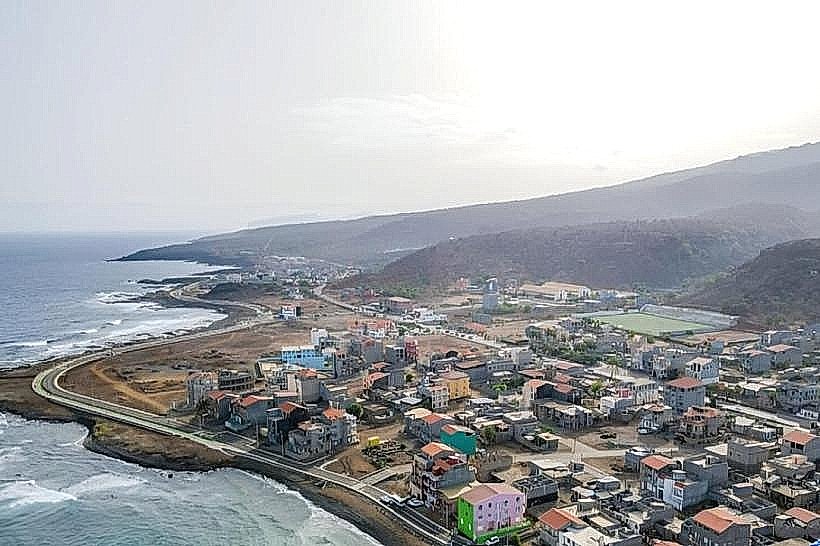
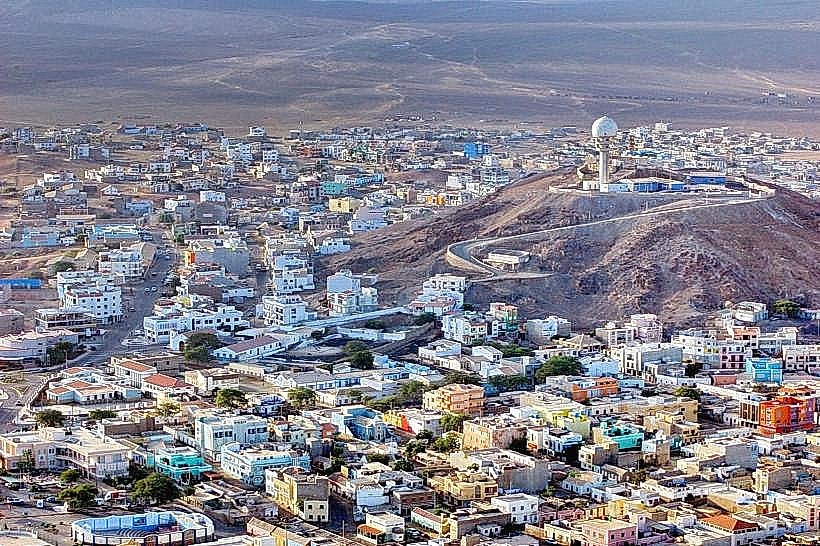
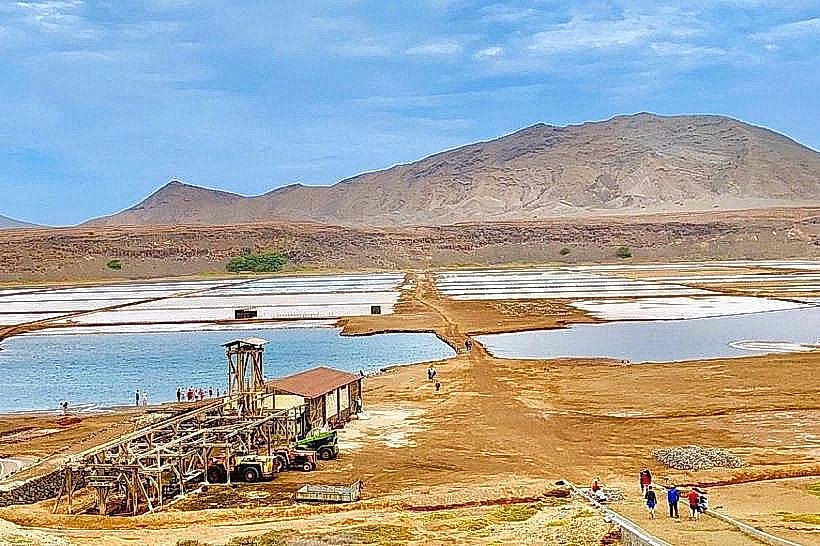
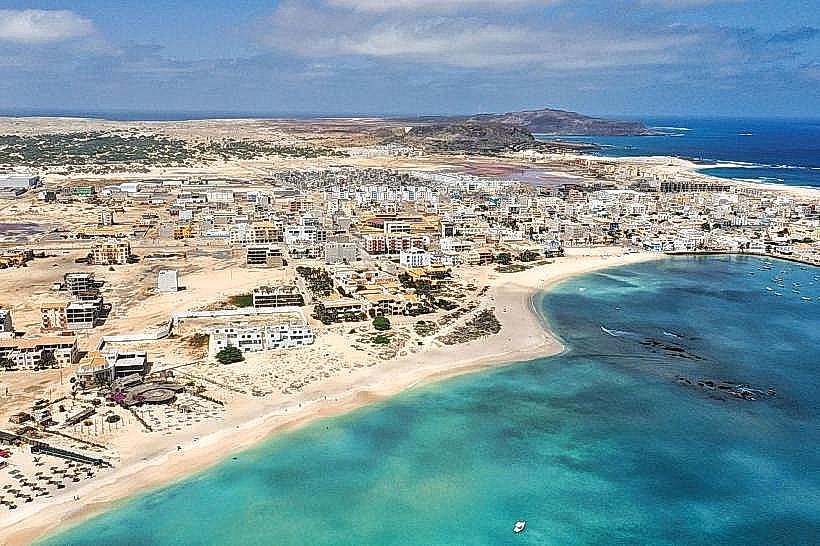
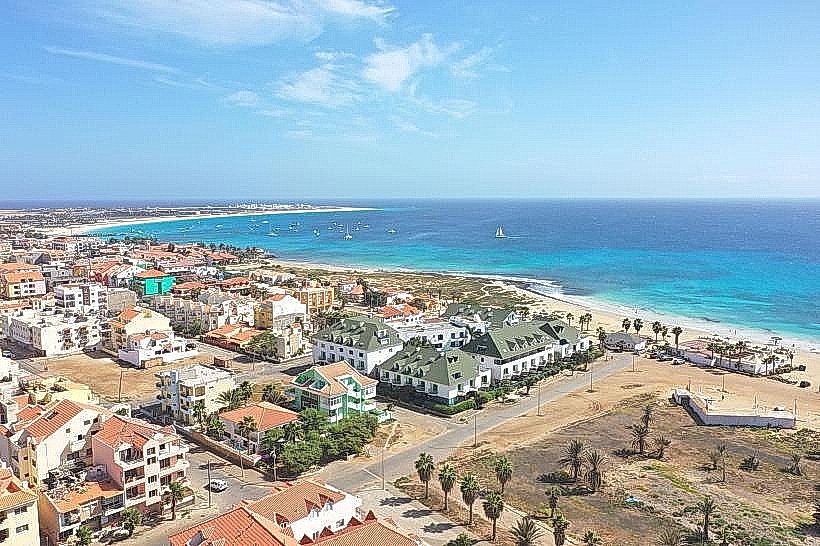
Barlavento Islands (Eastern Group): Hub: Santa Maria (Sal).
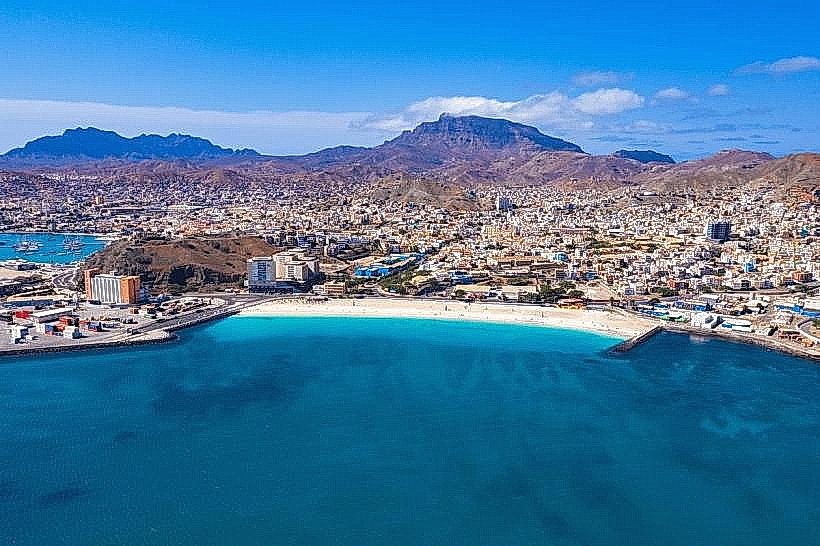
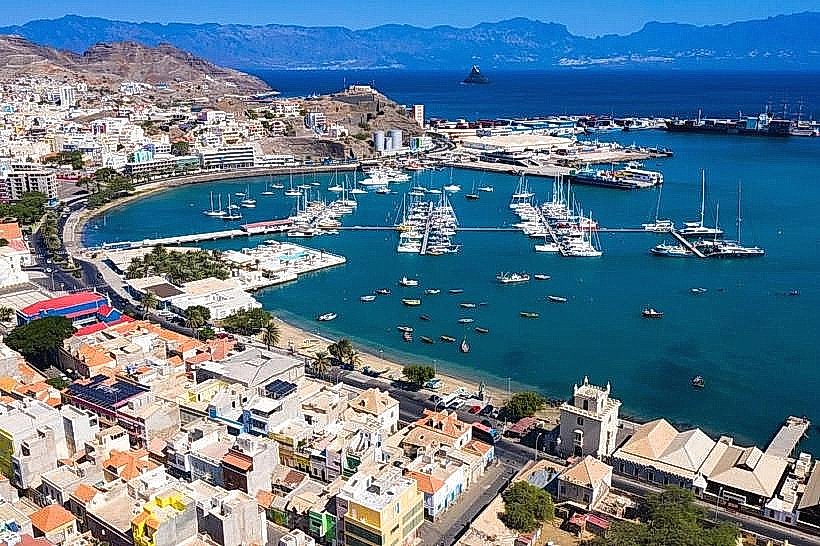
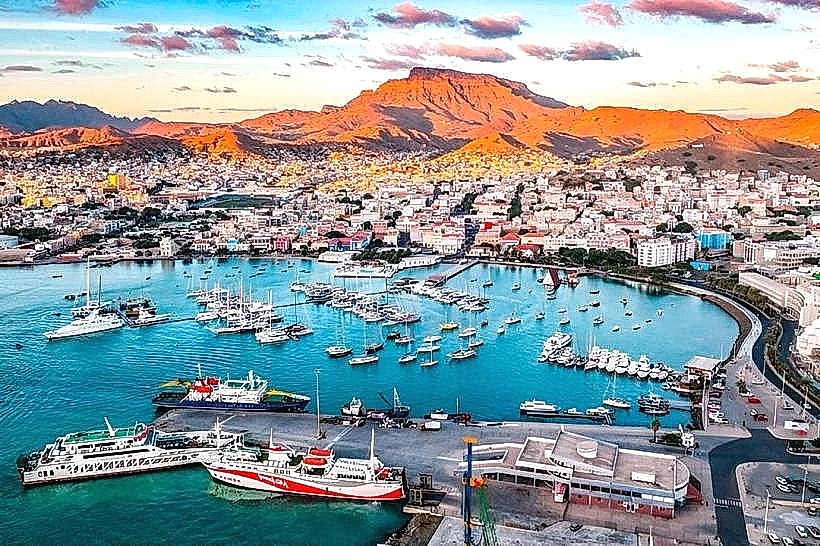
Northern Highlands & Culture: Hub: Mindelo (São Vicente).
Local Cost Index
1L Water: 100 CVE ($0.91 USD)
1 Domestic Beer (0.5L): 160 CVE ($1.45 USD)
1 Sim Card (10GB Data Plan): 1,500 CVE ($13.60 USD)
Facts & Legends
Cabo Verde was uninhabited until Portuguese explorers arrived in 1462, making it one of the few nations with a population entirely descended from historical migration and the transatlantic slave trade. A prominent local legend involves the "Feiticeiras" (witches) of Brava, who are said to transform into birds at night to protect or haunt the island’s remote volcanic cliffs.