Information
City: Sal ReiCountry: Cabo Verde
Continent: Africa
Sal Rei, Cabo Verde, Africa
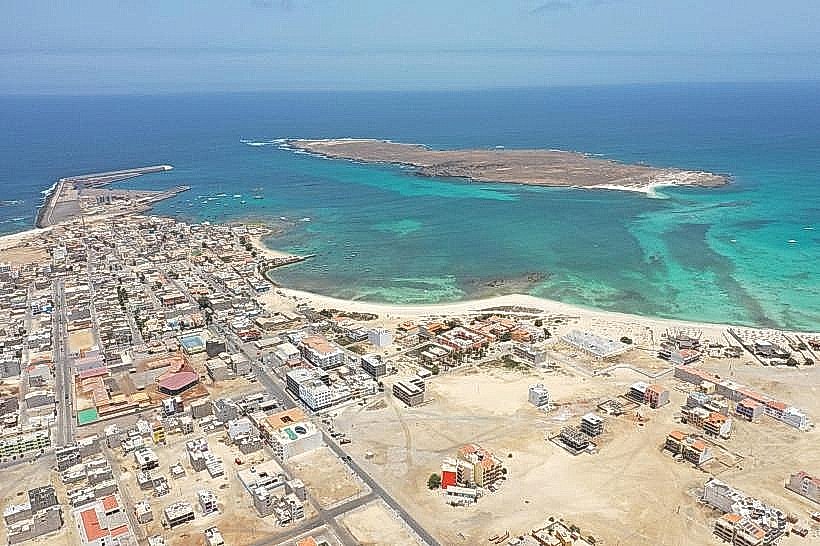
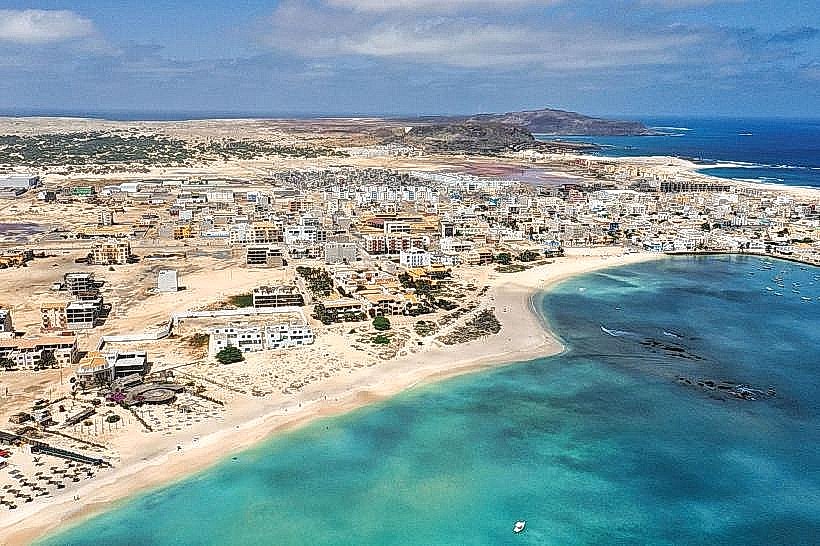
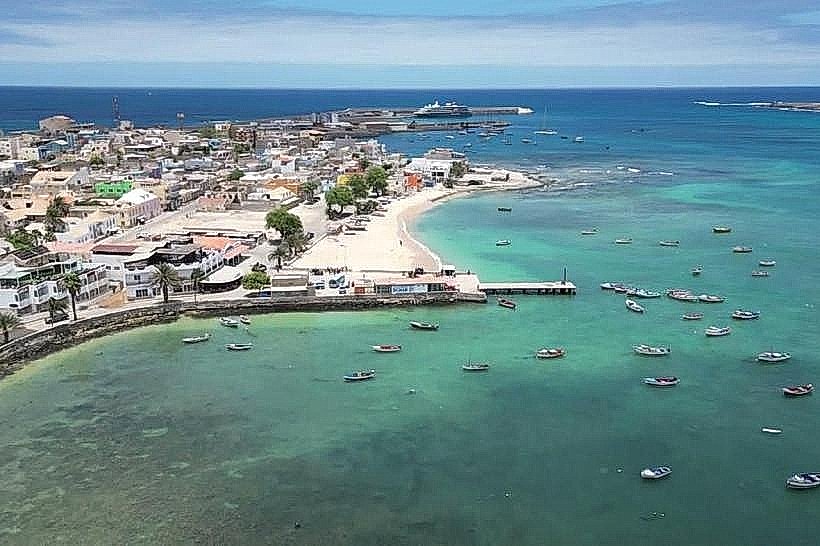
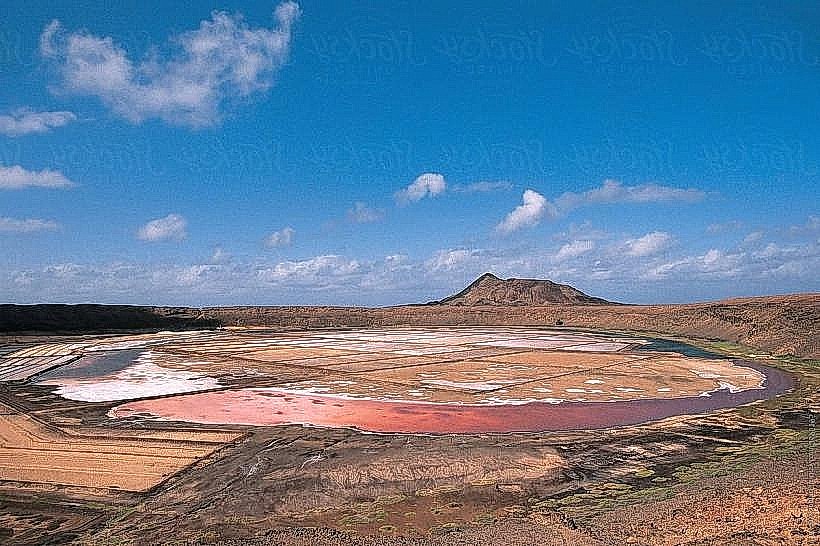
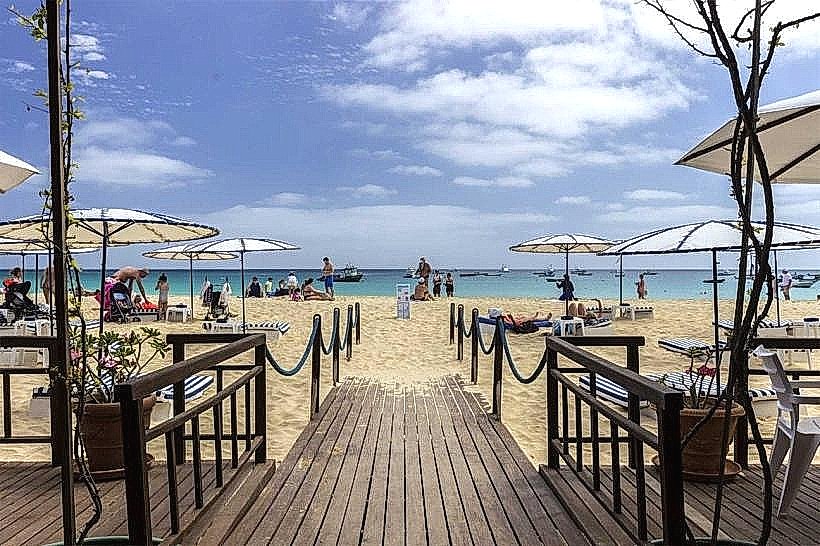
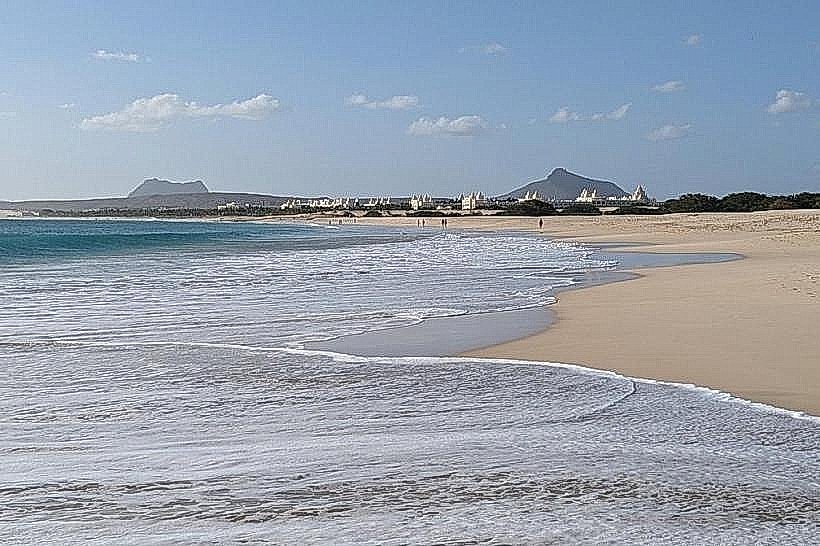
Sal Rei serves as the administrative capital of Boa Vista Island and functions as a primary hub for the Republic of Cabo Verde’s tourism and salt export industries. It is situated on the island's northwest coast, positioned between the Atlantic Ocean and the surrounding desert landscape.
Historical Timeline
The town was founded in the early 19th century, specifically around 1820, following the expansion of the salt industry. Primary eras of governance include the Portuguese colonial period and the post-1975 independence era. The town underwent significant structural expansion in the late 20th century due to the development of international tourism infrastructure. The primary event shaping its current urban form was the decline of the salt trade and the subsequent 1990s pivot toward coastal resort development.
Demographics & Population
The total population is approximately 6,000 residents, though the number fluctuates with seasonal tourism. The demographics are primarily Crioulo (Mestizo) with a significant and growing population of West African immigrants (primarily from Senegal and Guinea-Bissau) and European expatriates. The median age is approximately 23 years.
Urban Layout & Key Districts
The town is organized around the Praça de Santa Isabel (Central Square) and extends along the coastline. Key districts include the Historic Center (Bila) surrounding the square and the newer Tourist Zone (Praia de Chaves extension) located to the south. The layout is bounded by the Atlantic to the west and the Viana Desert to the east.
Top City Landmarks
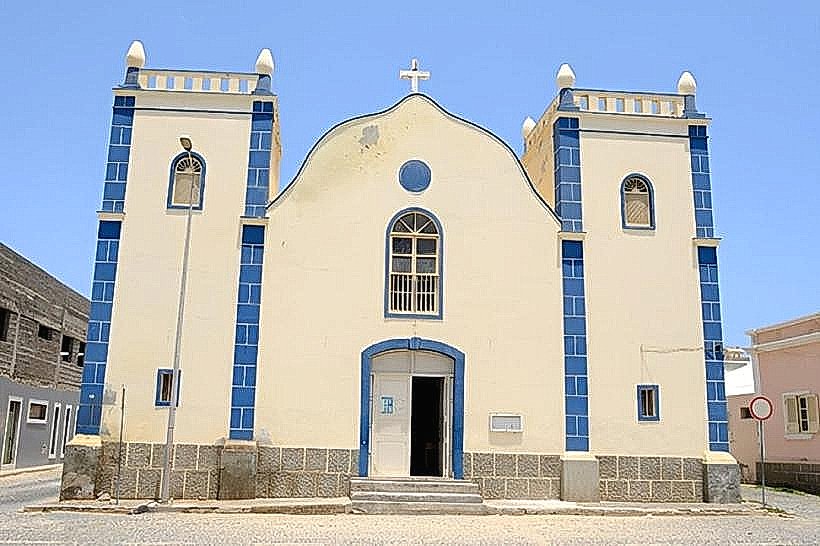
Church of Santa Isabel
Old Salt Pier (Porto Diante)
Fatou Tower Ruins
Jewish Cemetery (Historical Site)
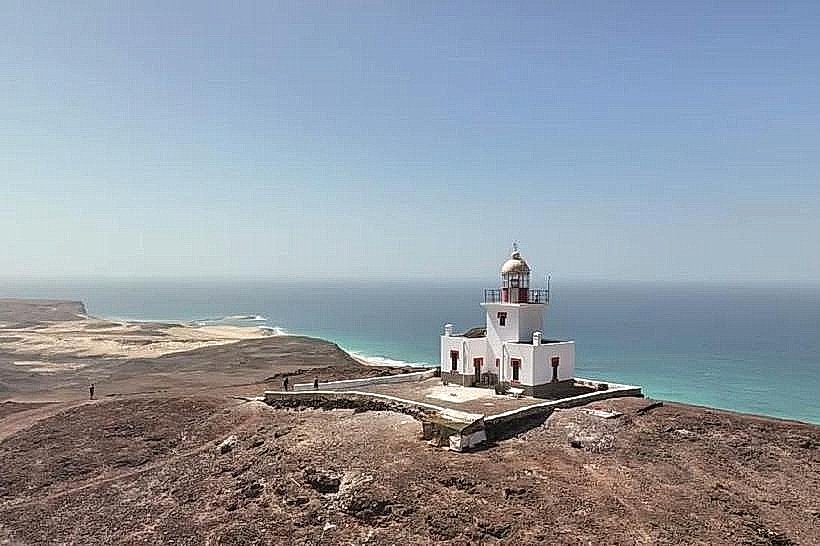
Sal Rei Shipwreck (Cabo Santa Maria - nearby)
Transportation Network
Movement within Sal Rei is primarily pedestrian or via Aluguer (shared minibuses). There is no rail system. Taxis are blue and white; they operate without meters, requiring price negotiation before departure. Roadways are a mix of cobblestone and sand-swept asphalt. Traffic density is very low.
Safety & "Red Zones"
The general safety level is high. Petty theft (pickpocketing) occurs occasionally in the central market area and on isolated beaches. There are no designated "red zones," but walking alone on unlit peripheral beaches at night is discouraged.
Digital & Financial Infrastructure
Average internet speed is 30-50 Mbps (4G/Fiber in select areas). Main mobile carriers are CV Móvel and T+. Card acceptance is moderate in hotels and large restaurants but low in local shops. ATMs (Vinte4 network) are located around the main square.
Climate & Air Quality
Temperatures range from 18°C–24°C in winter to 24°C–30°C in summer. The island is extremely arid. Air quality is generally high, but the "Bruma Seca" (Saharan dust) frequently occurs from December to March, significantly reducing visibility and creating respiratory irritation. High wind speeds are a constant geographic feature.
Culture & Social Norms
Tipping is not required but 5-10% is standard in tourist establishments. Handshakes are the standard greeting; "Morabeza" (hospitality) is the core social tenet. Dress code is informal. Public nudity is prohibited, though swimwear is acceptable on beaches.
Accommodation Zones
Town Center (Sal Rei): Recommended for logistical access to local markets, ferries, and authentic dining.
Praia de Cabral: Recommended for quiet beachfront access while remaining within walking distance of the center.
Local Cost Index
1 Espresso: 110 CVE ($1.08)
1 Standard Lunch: 900 CVE ($8.80)
1 Metro/Bus Ticket: 70 CVE ($0.68) - (Local Aluguer rate)
Nearby Day Trips
Viana Desert (10 km)
Santa Mónica Beach (30 km)
Ervatão Beach (35 km)
Povoação Velha (15 km)
Facts & Legends
Local history includes the legend of the "Ghost of the Santa Maria," a Spanish cargo ship that ran aground in 1968. While the wreck is a tangible landmark, locals recount tales of the beach being "cursed" by the vast amounts of luxury goods and alcohol that washed ashore, which supposedly disrupted the island's simple economy for a generation. A verified oddity is the Jewish Cemetery, a remnant of 19th-century Sephardic Jewish families who fled persecution to lead the island's salt and hide trades.