Information
Landmark: Boa Vista ChapelCity: Sal Rei
Country: Cabo Verde
Continent: Africa
Boa Vista Chapel, Sal Rei, Cabo Verde, Africa
Boa Vista Chapel is a small but deeply symbolic landmark on Boa Vista Island, reflecting the island’s quiet spirituality and close-knit community life. Modest in scale and appearance, it holds meaning through continuity and everyday presence rather than architectural grandeur.
Setting and Surroundings
The chapel stands within a lived-in part of the island, often close to homes and open streets rather than set apart on elevated ground. Its placement feels intentional in a practical way, accessible and woven naturally into daily movement. Around it, the landscape remains flat and open, with light, wind, and sky shaping the atmosphere more than dense construction.
Exterior Character
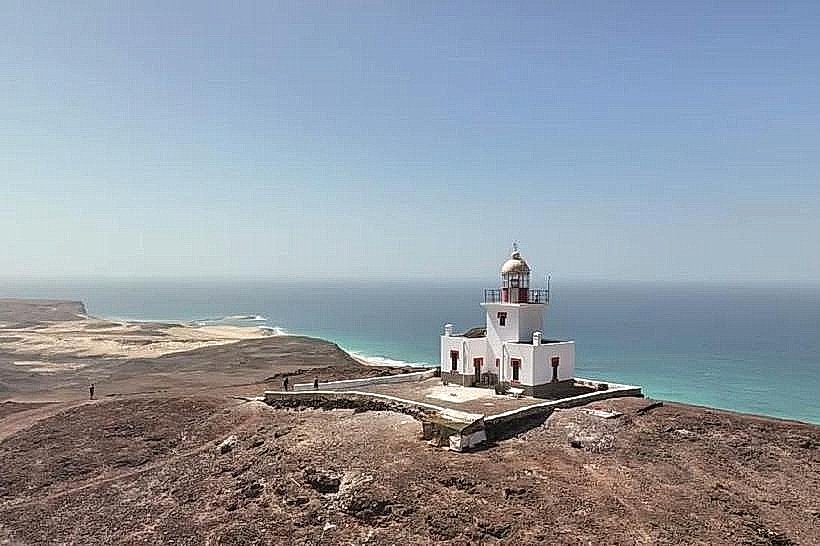
The structure is simple and restrained. Clean lines, pale walls, and minimal decoration give it a calm, approachable appearance. There is nothing imposing about the chapel; instead, it feels welcoming and familiar, a place known to everyone rather than pointed out as a sight.
Interior Mood
Inside, the space is quiet and intimate. Light enters softly, often through small openings, illuminating plain walls and a modest altar. Surfaces show gentle wear, evidence of long-term use rather than careful preservation. The interior encourages stillness and reflection without formality.
Role in Community Life
Boa Vista Chapel plays a steady role in local rhythm. It is used for regular services, personal visits, and important life moments such as baptisms, weddings, and memorials. For residents, it represents continuity and shared memory, a place tied to both faith and family history.
Atmosphere and Time
The chapel feels especially present during quieter parts of the day. Wind passes softly around its walls, and surrounding sounds remain subdued. In the late afternoon, warm light settles across the façade, reinforcing the sense of calm and familiarity that defines the space.
Boa Vista Chapel leaves its impression gently. It stands as a reminder that on an island shaped by openness and distance, meaning is often found in small, enduring places where daily life and belief meet without display.