Information
Landmark: Sal Rei MarinaCity: Sal Rei
Country: Cabo Verde
Continent: Africa
Sal Rei Marina, Sal Rei, Cabo Verde, Africa
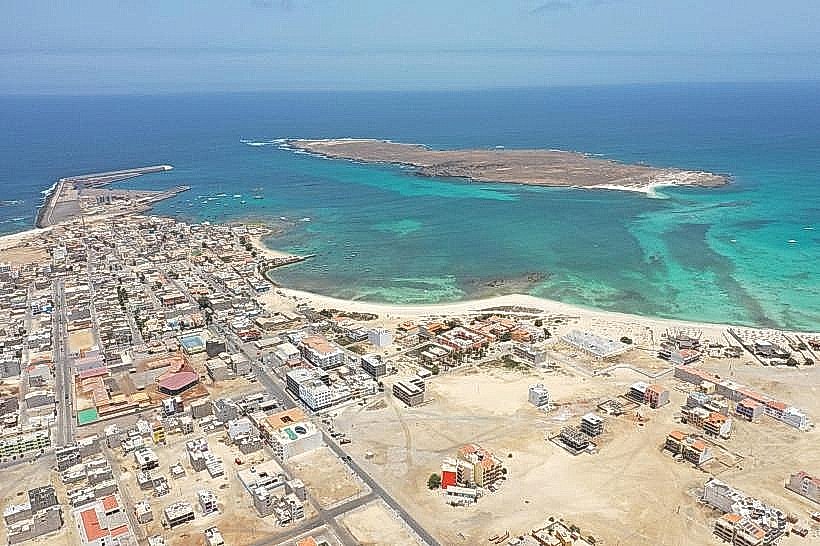
Sal Rei Marina sits at the edge of the town, where Boa Vista’s everyday coastal life transitions into movement across the Atlantic. It is modest in scale and practical in purpose, reflecting the island’s low-key relationship with the sea rather than any sense of luxury or display.
Setting and Layout
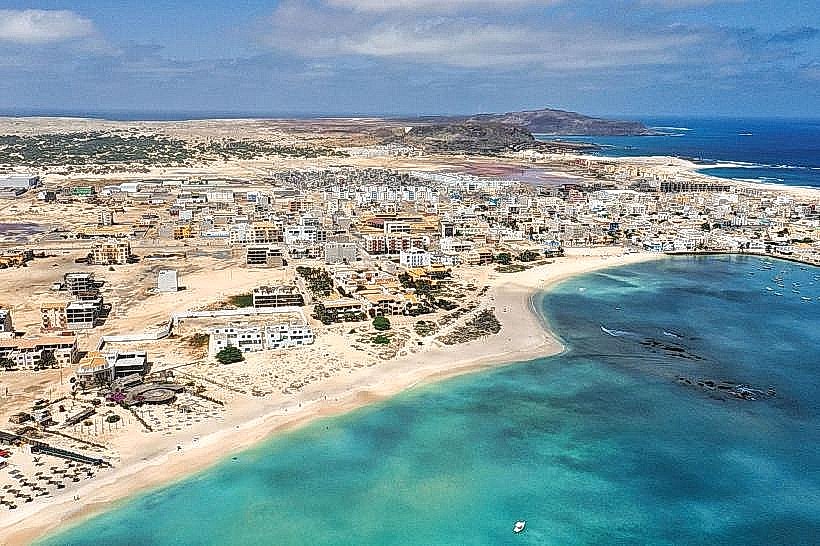
The marina is positioned along the sheltered bay near Sal Rei’s center, protected from heavy swell by natural conditions and nearby landforms. Its layout is straightforward, with piers, mooring points, and open water arranged for easy access rather than visual impact. From here, the town remains clearly visible, reinforcing the close connection between harbor and daily life.
Boats and Activity
Small fishing vessels dominate the scene, their colors softened by sun and salt. A few recreational boats appear, but the atmosphere remains working and grounded. Activity follows natural rhythms: early-morning departures, midday calm, and quiet returns as light begins to fade. There is little noise, only engines starting and the gentle movement of water against hulls.
Relationship with the Town
Sal Rei Marina feels like an extension of the town rather than a separate zone. People pass through on foot, pause to watch the boats, or sit along the edge facing the water. The boundary between working harbor and social space is loose, shaped by familiarity and routine.
Visual and Sensory Atmosphere
Light plays strongly across the marina, reflecting off water and painted hulls. The air smells of salt, fuel, and sun-warmed rope. Wind moves freely but is softened by the bay, keeping the scene calm and balanced.
Mood and Function
The marina does not aim to impress. Its role is practical, steady, and reliable, serving fishing, transport, and small-scale boating. That simplicity gives it character, grounding it firmly in the life of Sal Rei and Boa Vista.
Sal Rei Marina leaves an impression through understatement. It captures the island’s approach to the sea: functional, familiar, and quietly integrated into the rhythm of town life.