Information
Landmark: Praia Archaeology MuseumCity: Praia
Country: Cabo Verde
Continent: Africa
Praia Archaeology Museum, Praia, Cabo Verde, Africa
Praia Archaeology Museum is one of Cabo Verde’s most quietly significant cultural institutions, offering a grounded, thoughtful window into the islands’ deep human past. Located in the Plateau district, it does not overwhelm with size or spectacle, yet its importance lies in how it traces Cabo Verde’s layered history beyond colonial memory and into the earliest human presence and environmental change.
Setting and First Impressions
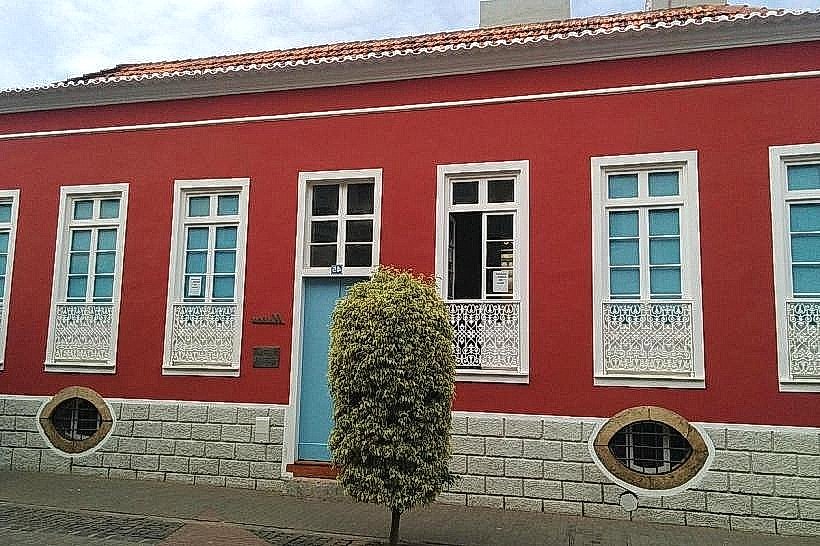
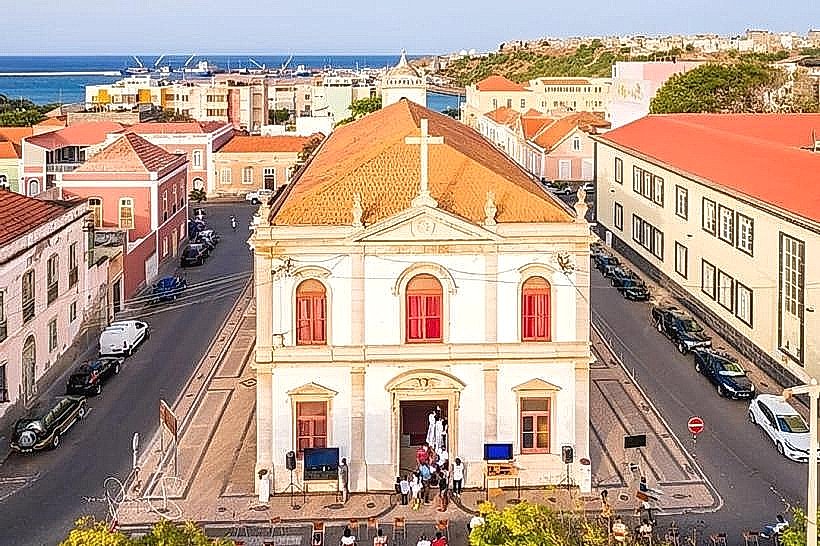
The museum sits within the ordered civic fabric of the Plateau Historic Center, surrounded by administrative buildings, shaded sidewalks, and steady pedestrian movement. From the outside, it appears modest and contained, blending naturally into the urban rhythm rather than asserting itself as a monumental attraction. The approach feels calm and institutional rather than touristic, marked more by purpose than performance.
Inside, the atmosphere shifts immediately. The noise of the city softens, light becomes controlled and even, and the pace of movement slows. The sensation is of stepping out of Praia’s present and into a quieter, deeper timeline.
Focus and Intellectual Scope
The museum is dedicated primarily to the pre-colonial and early historical archaeology of Cabo Verde, a field that fills many gaps in popular understanding of the islands. Because the archipelago was uninhabited before the arrival of the Portuguese, the museum’s narrative centers on:
Early settlement patterns
Environmental adaptation
Material culture of the first island communities
The transformation of landscapes through human use
The transition into colonial society
Rather than focusing on grand political milestones, the museum emphasizes tools, daily objects, construction fragments, and environmental records-the small pieces through which long-term human behavior becomes visible.
Exhibitions and Material Presence
Displays include ceramics, stone tools, navigation-related artifacts, agricultural implements, and fragments of early domestic life. Many objects are modest in scale, but their power lies in accumulation and context. A single shard of pottery, a worn metal clasp, or a simple farming tool becomes meaningful when placed within the harsh ecological limits of island life.
Some rooms focus on how water scarcity, volcanic soil, and Atlantic isolation shaped settlement decisions. Others explore burial practices, early trade links, and the slow construction of island society through imported knowledge and forced migration.
The presentation favors clarity over theatrical design. Labels are informative without being overwhelming. The lighting is restrained. Nothing distracts from the material itself.
Educational and Cultural Role
The museum plays a key role for students, researchers, and residents seeking to understand Cabo Verde beyond surface imagery. School groups move quietly between cases. University visitors study excavation records and site documentation. The institution acts as a bridge between academic research and public awareness, translating fieldwork into accessible narrative without simplifying its complexity.
It also reinforces an important truth about the islands: Cabo Verde’s identity is not only musical, maritime, or colonial-it is also archaeological, environmental, and deeply tied to survival in a demanding landscape.
Sensory and Emotional Atmosphere
The mood inside the museum is introspective. Footsteps echo lightly. Voices drop instinctively. The brightness and noise of the Plateau remain just outside the walls, creating a contrast that sharpens attention. There is no rush here. Visitors tend to linger, reading more closely than expected, pausing longer than planned.
What emerges is not awe in the spectacular sense, but a slow, steady respect for continuity-how fragile early life on the islands was, and how persistent it became.
Identity and Meaning within Praia
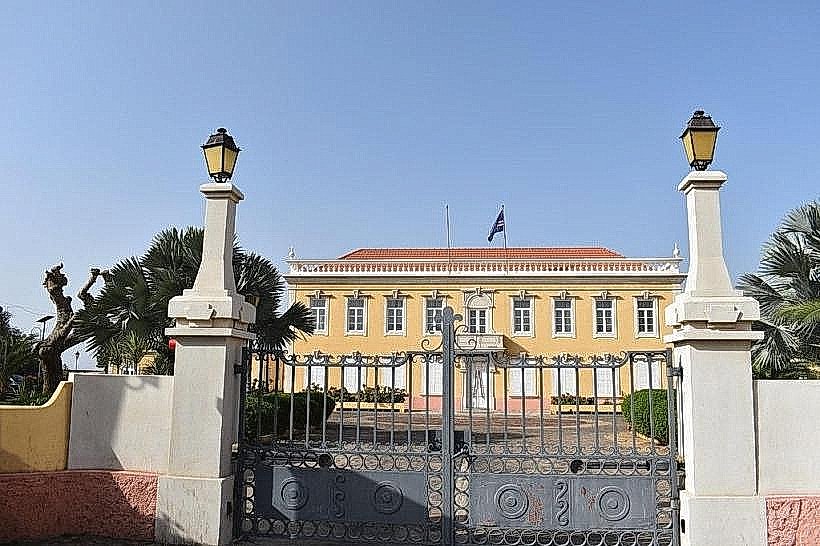
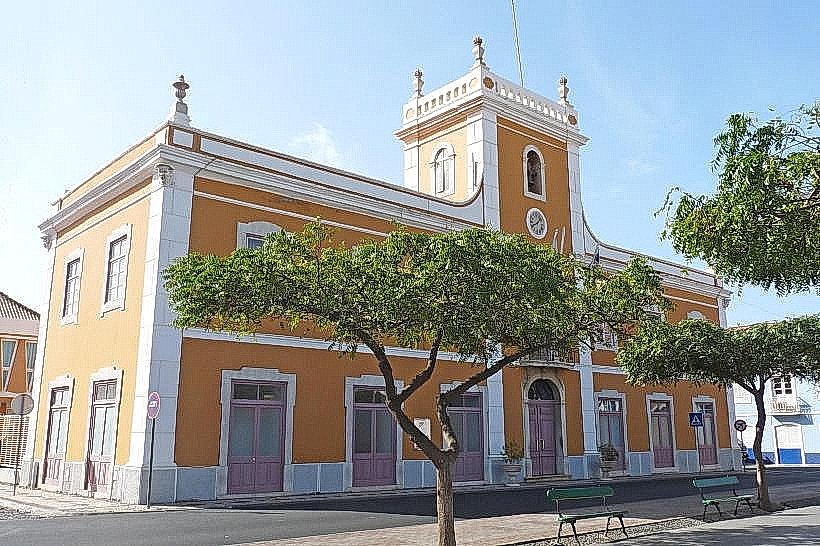
Within the capital, the Praia Archaeology Museum serves as a counterbalance to political institutions nearby. While the Presidential Palace and City Hall represent power in the present, the museum represents persistence across centuries. It reminds the city that before modern nations, ministries, and borders, there were only land, water, risk, and adaptation.
The Praia Archaeology Museum is a quiet keeper of Cabo Verde’s deep memory: restrained, careful, and exact. It reveals the islands not as instant creations of colonial history, but as landscapes slowly shaped by human endurance, environmental challenge, and long, patient settlement.