Information
Landmark: Plateau Historic CenterCity: Praia
Country: Cabo Verde
Continent: Africa
Plateau Historic Center, Praia, Cabo Verde, Africa
The Plateau Historic Center is the elevated heart of Praia, a broad stone table overlooking the Atlantic where Cabo Verde’s political power, colonial memory, and daily urban life intersect. Locals simply call it Plateau, and it functions as both the ceremonial stage of the nation and one of the most lived-in neighborhoods of the capital.
Physical Setting and First Impressions
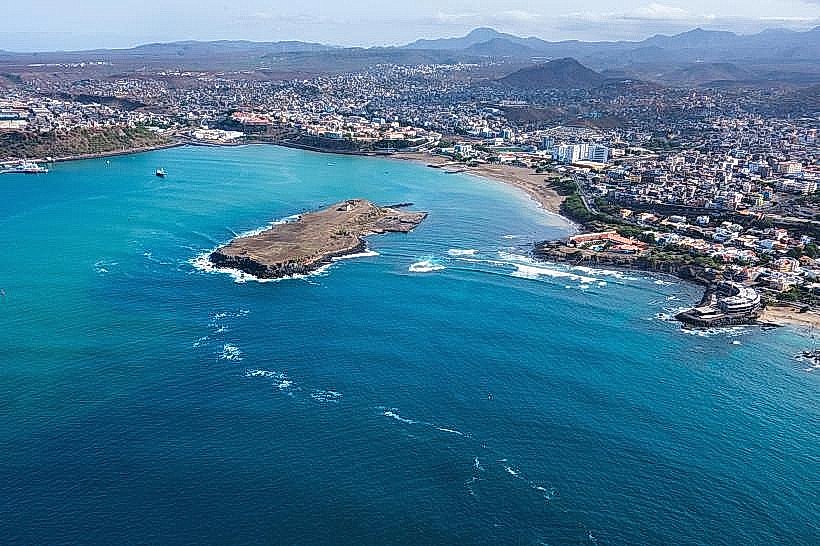
Plateau sits on a natural basalt plateau that rises sharply above Praia’s lower districts. From its edges, the city drops toward the sea in layers of rooftops and moving traffic, while the Atlantic stretches outward in open blue distance. The air here is often breezier and slightly cooler than below, carrying the scent of salt and dust. Wide avenues, shaded squares, and colonial-era buildings give the area an airy, spacious feel, especially when compared to the denser neighborhoods surrounding it.
Colonial Architecture and Civic Landmarks
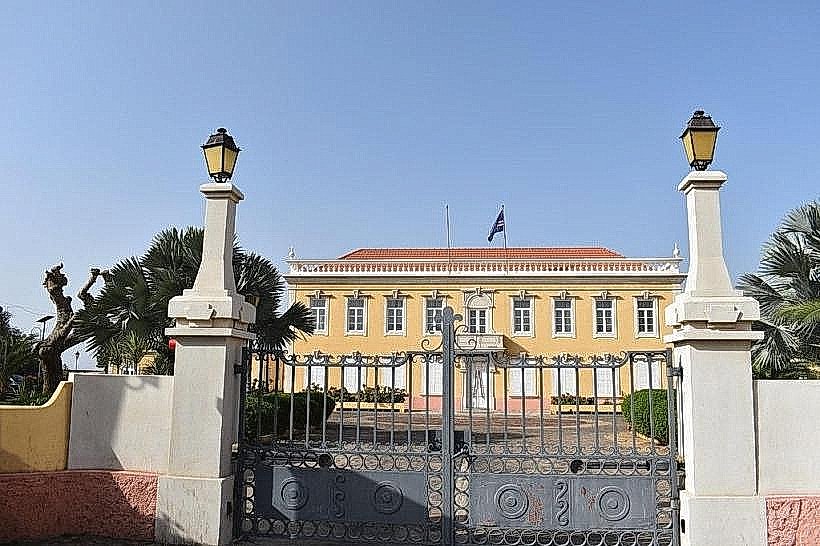
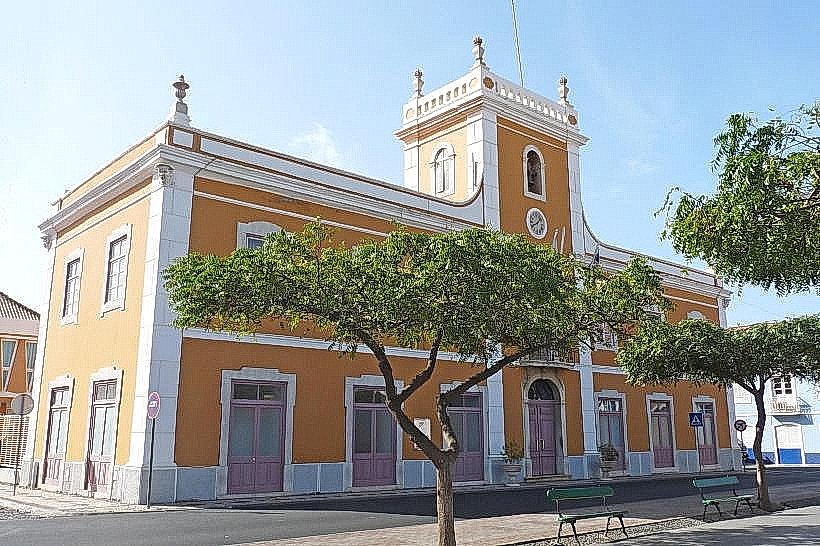
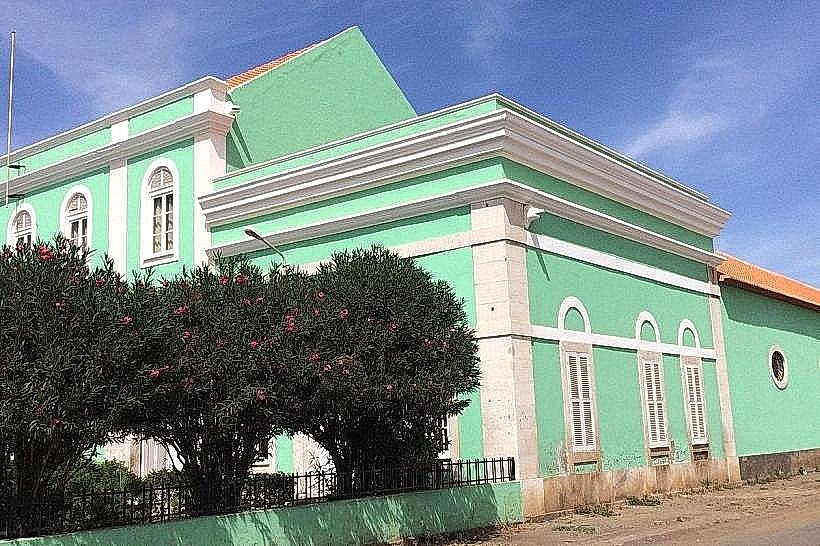
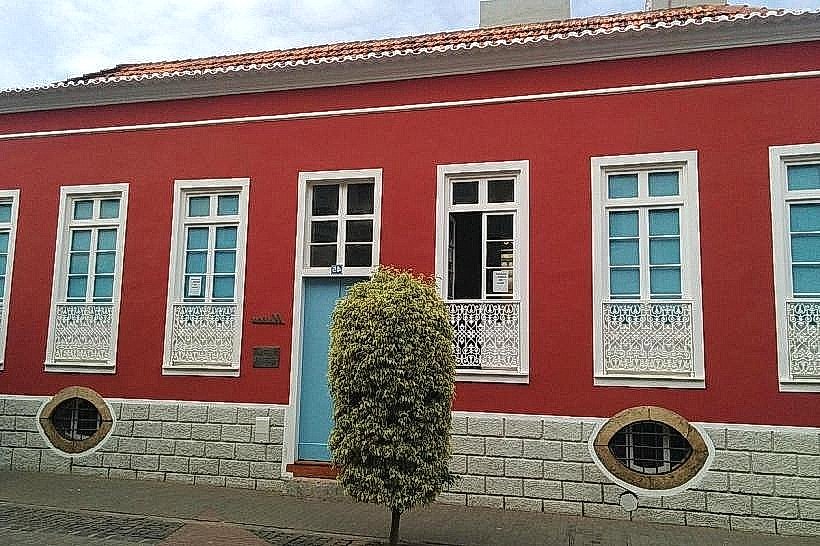
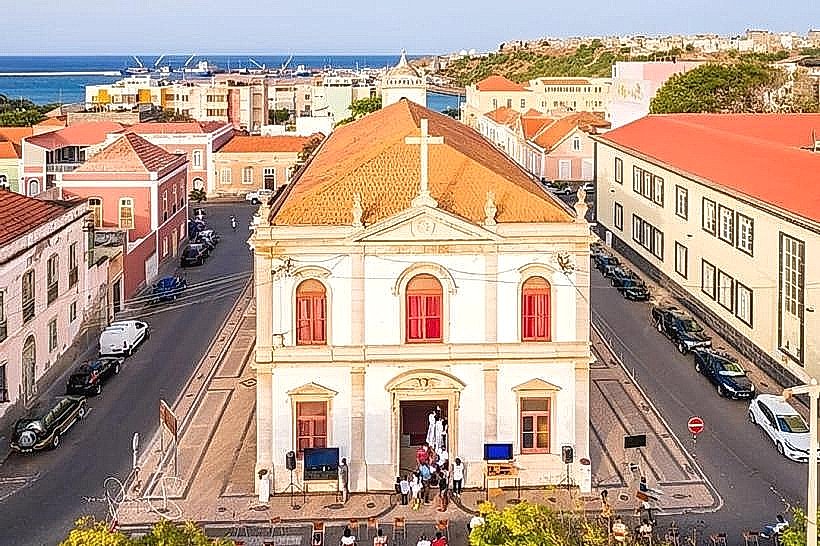
Plateau holds the most important government and historical buildings in Cabo Verde. The Presidential Palace stands behind iron gates and palm trees, its pale façade restrained and dignified. Nearby, the Praia Cathedral anchors the main square with its dark stone and simple geometry. Ministries, courts, and administrative buildings line the surrounding streets, many still bearing Portuguese-era proportions, balconies, and tiled interiors.
Buildings here are not preserved as museum pieces; they are in daily use. Office workers pass beneath them every morning, police stand casually at shaded corners, and school groups cross the squares in loose clusters. The effect is not frozen time, but layered continuity.
Streets, Squares, and Everyday Movement
The main social heart of Plateau is Praça Alexandre Albuquerque, a shaded central square where benches fill throughout the day. In the mornings, men gather for coffee and conversation. At midday, workers eat quickly under the trees. By evening, families arrive with children and the pace softens.
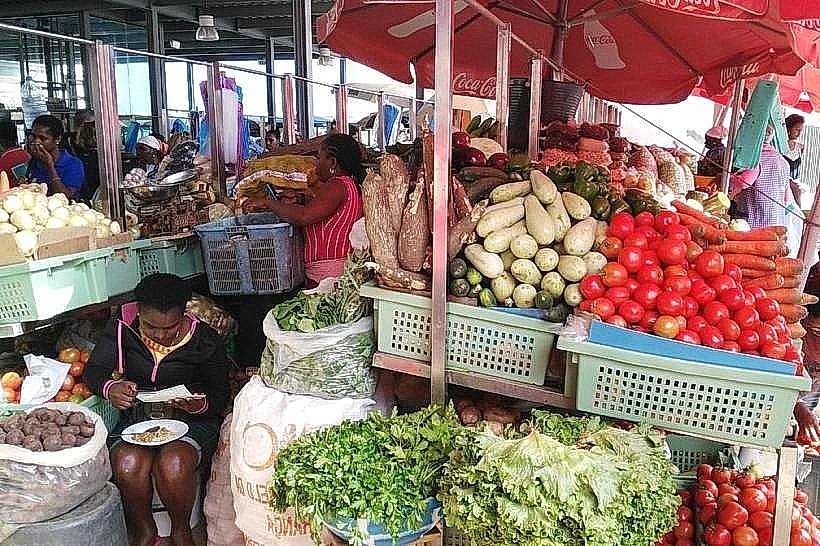
Side streets reveal quieter rhythms. Small bookstores, stationary shops, tailor stalls, and bakeries operate without spectacle. Vendors move between offices selling pastries, peanuts, and bottled drinks. The sidewalks are wide, but rarely empty. Plateau is a place of constant but controlled movement.
Food, Cafés, and Social Corners
Plateau’s food culture leans toward simplicity and routine. Lunch counters serve grilled fish, rice, beans, and stewed meats to office workers in steady flows. Bakeries release the smell of warm bread early in the morning, before most of the city below stirs. Cafés serve strong coffee in small cups, often sipped standing at counters while conversation unfolds without hurry. Dining here is more about rhythm than indulgence.
Cultural Atmosphere and Soundscape
Plateau sounds different from Praia below. Traffic is lighter, voices carry farther, and music is softer and more intermittent. Radios drift from offices, church bells mark the hours, and shoes echo faintly on stone sidewalks. Morna may surface from an open window late in the afternoon, blending briefly with the wind before dissolving back into quiet civic routine.
Emotional Tone and Identity
Plateau feels composed rather than expressive. It holds the authority of the state, the memory of colonial administration, and the daily mechanics of modern government, all within a walkable human scale. It does not overwhelm with grandeur, but it holds gravity. The mood is thoughtful, grounded, and faintly ceremonial, even during ordinary routines.
The Plateau Historic Center is not a preserved relic-it is Cabo Verde’s living administrative and historical core, where colonial streets, palm-shaded squares, and the everyday choreography of governance quietly shape the rhythm of Praia from above.