Information
City: PraiaCountry: Cabo Verde
Continent: Africa
Praia, Cabo Verde, Africa
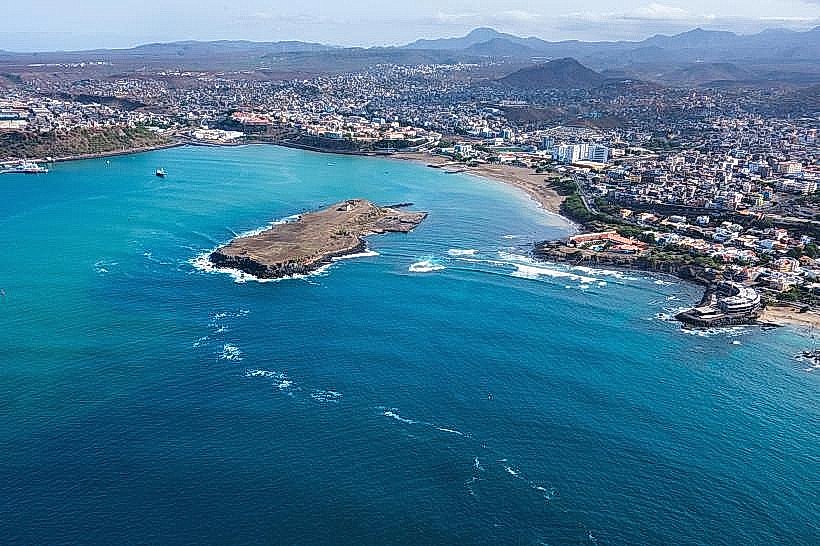
Praia is the capital and largest city of Cabo Verde, located on the southern coast of Santiago Island. It serves as the nation's political, economic, and cultural center, characterized by its mix of colonial Portuguese history and vibrant African-influenced Creole culture.
Historical Timeline
Praia was founded by Portuguese settlers in 1602 but remained secondary to the nearby capital, Cidade Velha, for nearly two centuries. Due to its superior defensive position on a high plateau and its favorable harbor, the capital was officially moved to Praia in 1770. Since Cabo Verde gained independence in 1975, the city has undergone rapid urbanization, evolving from a colonial outpost into a modern mid-Atlantic hub.
Demographics & Population
The 2026 population is estimated at approximately 205,583. The city is growing at an annual rate of about 2.9%. The population is primarily of mixed African and European (Portuguese) descent, known as Mestiço. The official language is Portuguese, while the most widely spoken daily language is Cape Verdean Creole (Kriolu).
Urban Layout & Key Districts
The city is built on a series of volcanic plateaus (platôs) and surrounding valleys.
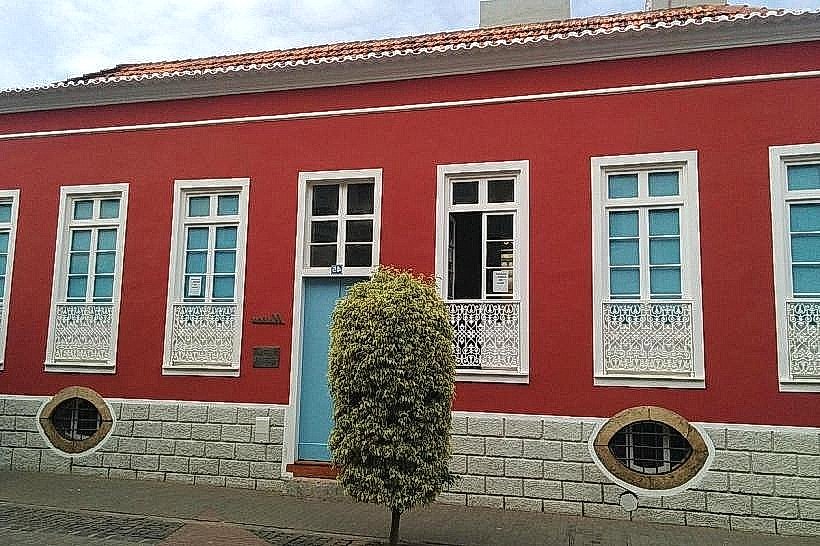
Plateau (The Old Quarter): The historic and administrative center. It is an elevated district overlooking the Atlantic, containing colonial architecture, government buildings, and major squares.
Achada Santo António: A modern, upscale district housing many embassies, high-end residences, and international organizations.
Palmarejo: A fast-growing residential and commercial area known for its nightlife and university presence.
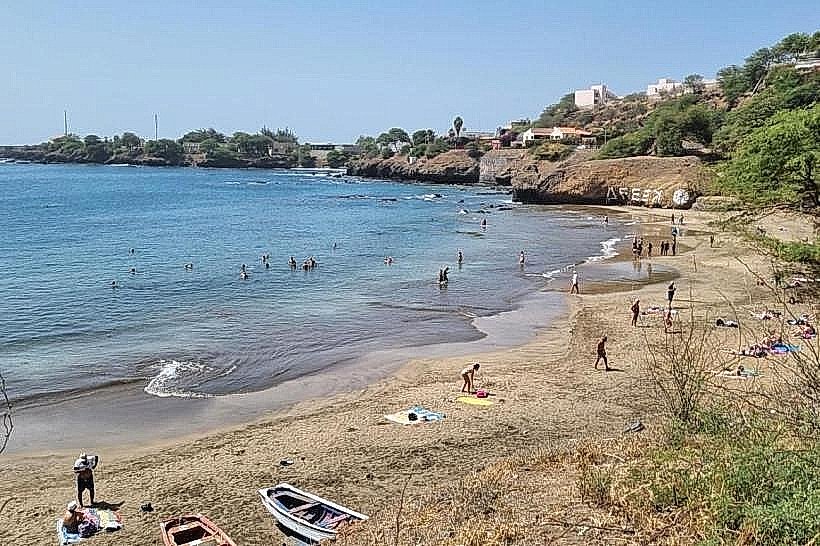
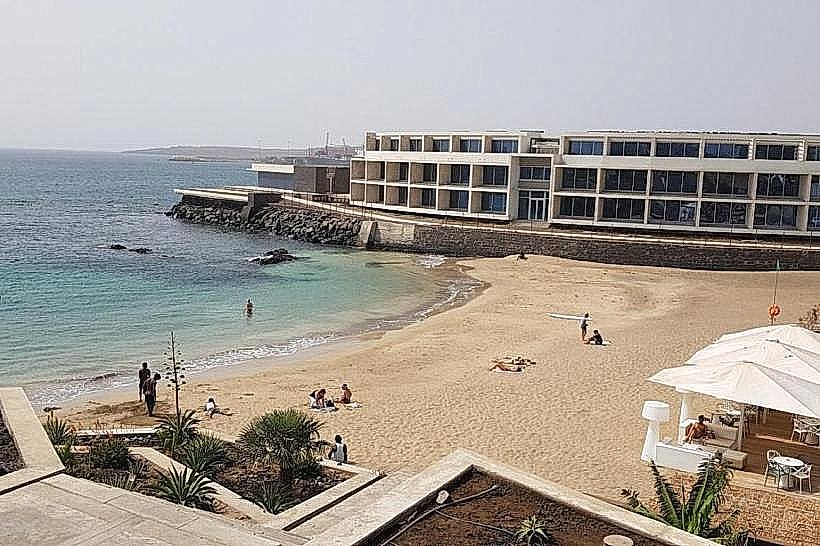
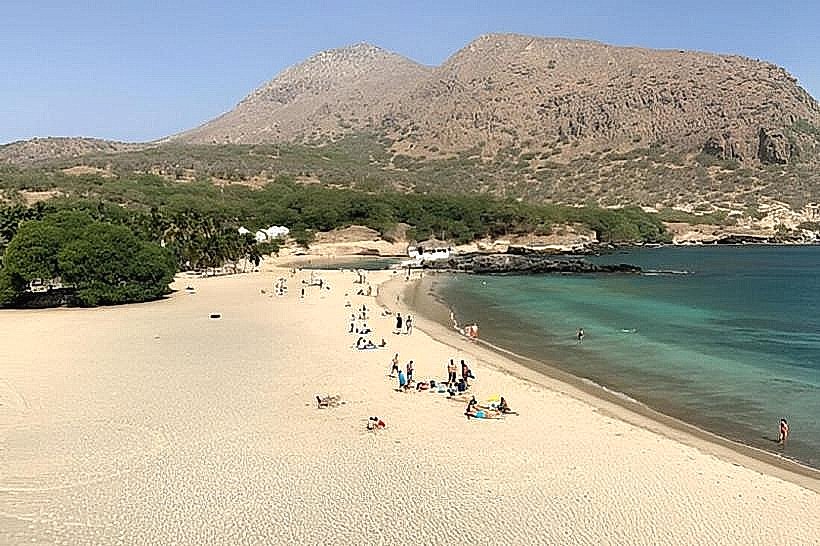
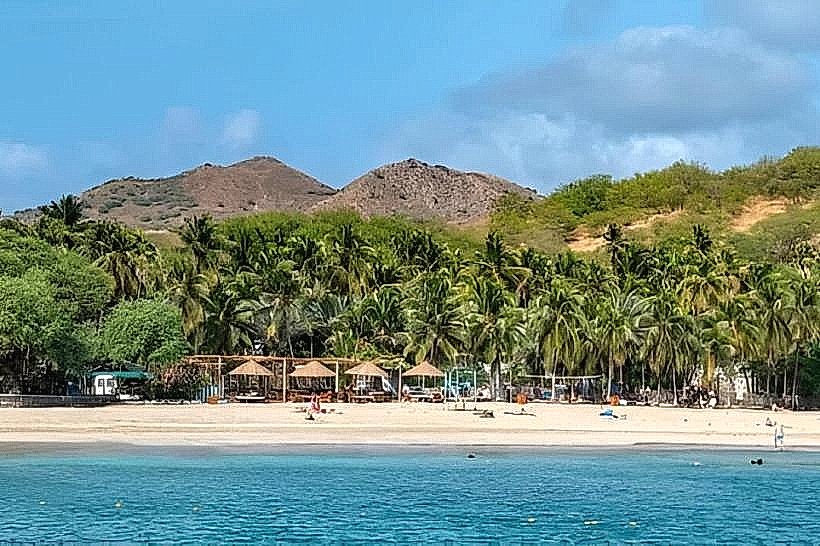
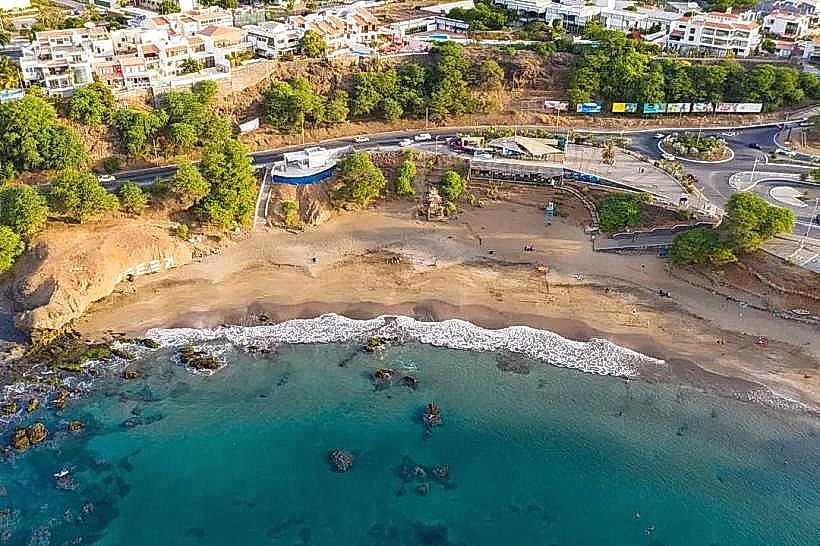
Fazenda and Prainha: Areas near the coast featuring popular city beaches and the presidential palace.
Top City Landmarks
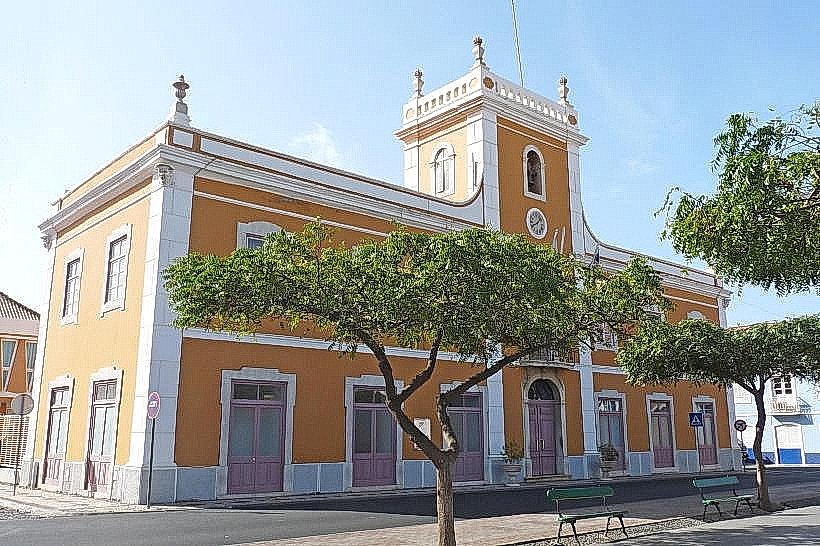
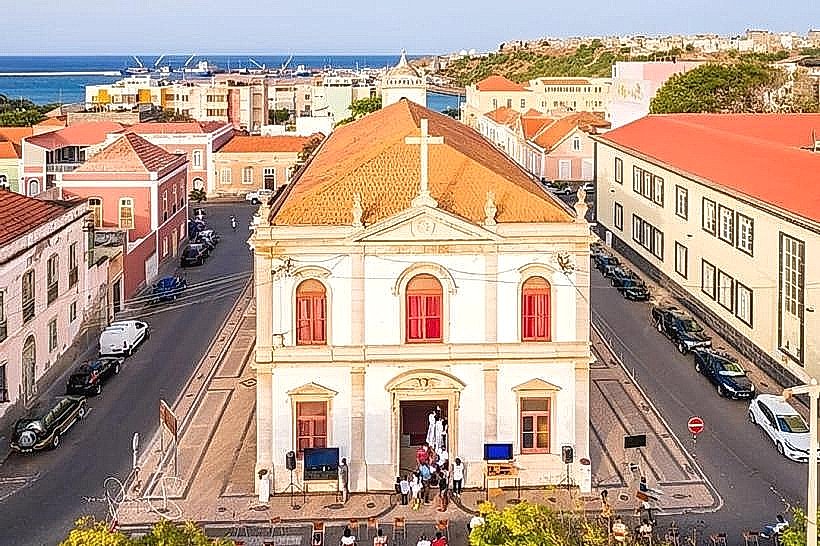
Praça Alexandre Albuquerque: The vibrant main square in the Plateau district, surrounded by the City Hall and the Church of Our Lady of Grace.
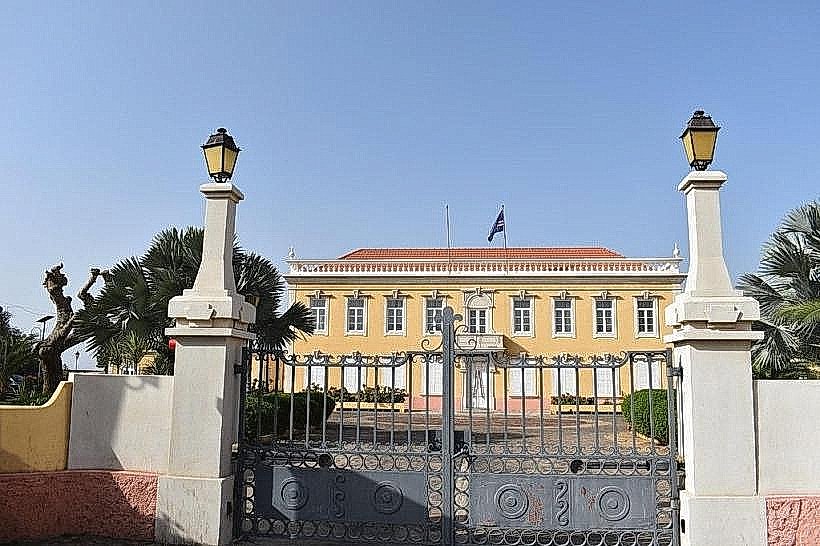
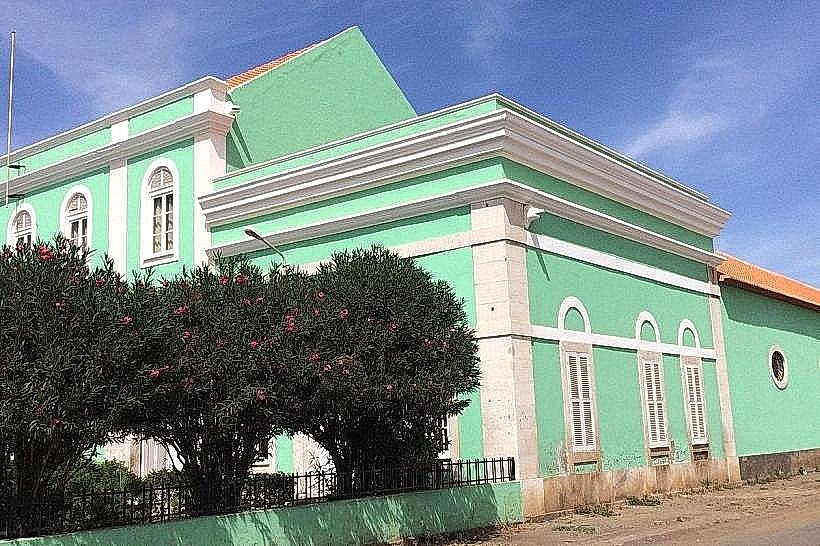
Presidential Palace: A 19th-century colonial building that was once the residence of the Portuguese governor.
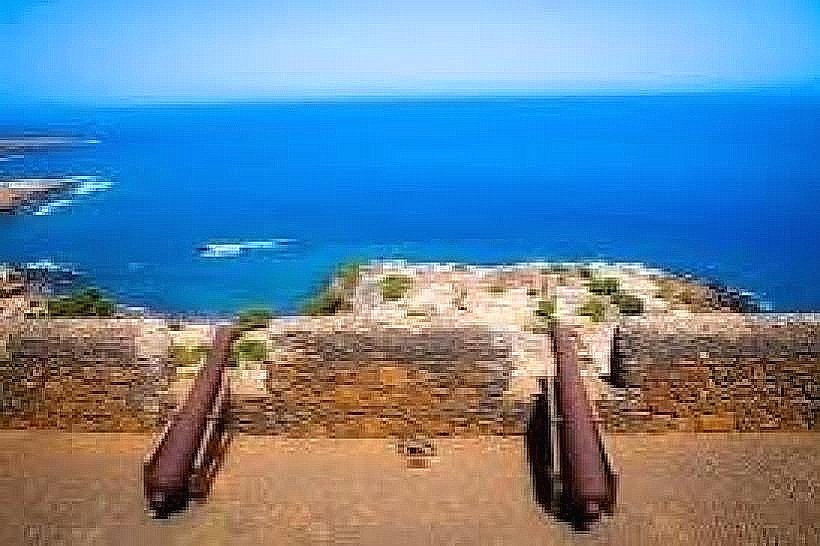
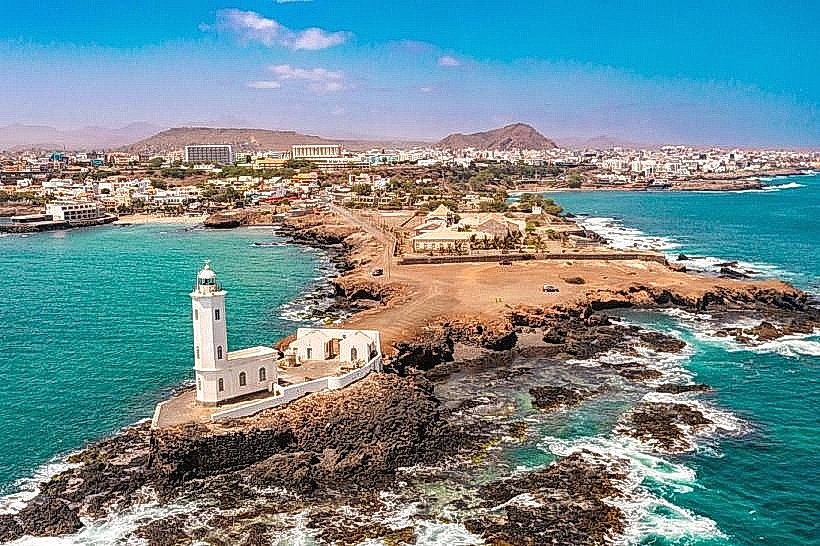
Dona Maria Pia Lighthouse: An iconic white lighthouse built in 1881, offering panoramic views of the coast.
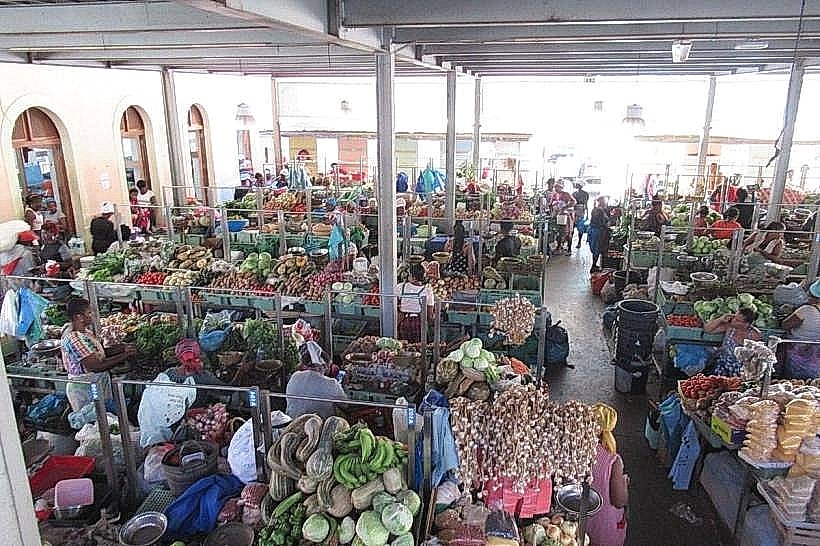
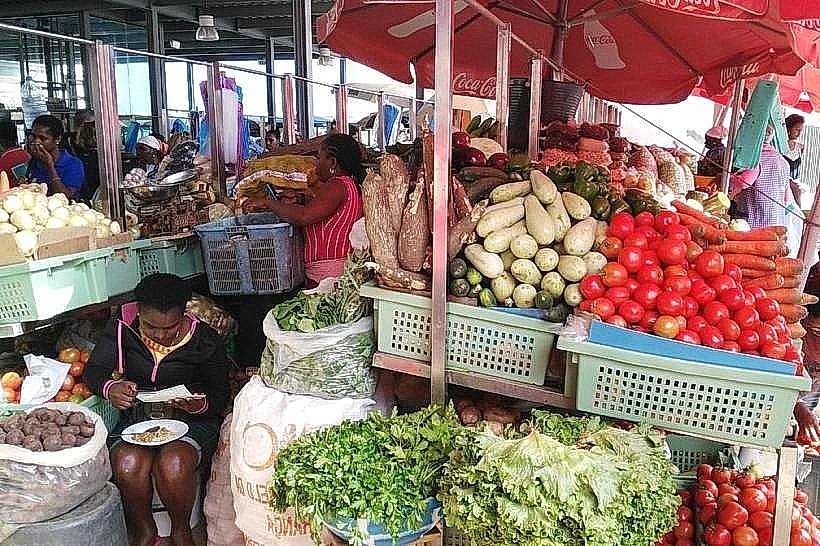
Sucupira Market: The city's largest market, famous for local crafts, textiles, and traditional foods.
Diogo Gomes Statue: A monument dedicated to the Portuguese navigator who discovered Santiago Island in 1460.
Cidade Velha (15 km away): A UNESCO World Heritage site and the oldest European settlement in the tropics.
Transportation Network
Movement is conducted primarily through a network of taxis and municipal buses.
Roads: The city is connected by asphalted roads, though hilly terrain can make some areas steep.
Public Transit: Blue-and-white city buses provide inexpensive and reliable service. "Hiaces" (minibuses) serve as the primary link for inter-island travel across Santiago.
Aviation: Nelson Mandela International Airport (RAI) connects the capital to other islands and international destinations like Lisbon and Dakar.
Maritime: The Port of Praia is the largest in the country, with regular ferry services to islands like Fogo, Maio, and São Vicente.
Safety & "Red Zones"
Current Status: Exercise Normal Precautions. Praia is generally safe compared to many other West African capitals, but petty crime like pickpocketing is common in crowded areas like the Sucupira Market and Plateau at night. Avoid walking alone in poorly lit areas or isolated beaches after dark. As of 2026, Cabo Verde has been certified as malaria-free, significantly reducing health risks for travelers.
Digital & Financial Infrastructure
Internet: Mobile broadband (4G) is widespread, with providers like CV Móvel and Unitel T+. Average speeds range from 15–30 Mbps. The government is currently working toward a 2026 goal of digitizing 60% of public services.
Economy: The currency is the Cabo Verdean Escudo (CVE), which is pegged to the Euro.
Banking: ATMs (Vinti4 network) are widely available and generally accept international Visa cards. Card acceptance is common in major hotels and restaurants in Plateau and Achada Santo António.
Climate & Air Quality
Praia has a subtropical dry climate. Temperatures range from 21°C in February to 29°C in September. The air quality is typically good, though the Harmattan winds (December to February) can bring Sahara dust, reducing visibility. The short rainy season occurs between August and October.
Culture & Social Norms
The city is the heart of Morna and Funaná music. Social interaction is characterized by Morabeza (the local concept of hospitality). Tipping is not mandatory but 10% is standard in tourist areas. Dress is casual but neat; beachwear is reserved strictly for the shore.
Local Cost Index
1 Espresso: USD 1.20 (approx. 120 CVE)
1 Standard Lunch: USD 8.00 (approx. 800 CVE)
1 Taxi Trip (Urban): USD 2.00 – 4.00 (approx. 200–400 CVE)
Facts & Legends
Praia’s name simply means "Beach" in Portuguese. A local legend says that the ghost of a Dutch pirate still guards buried treasure near the cliffs of Prainha. More concretely, the city is a unique linguistic laboratory where the local Creole is often described as "Portuguese words in an African mouth," a testament to the city's role as a bridge between two continents.