Information
Landmark: Santiago IslandCity: Praia
Country: Cabo Verde
Continent: Africa
Santiago Island, Praia, Cabo Verde, Africa
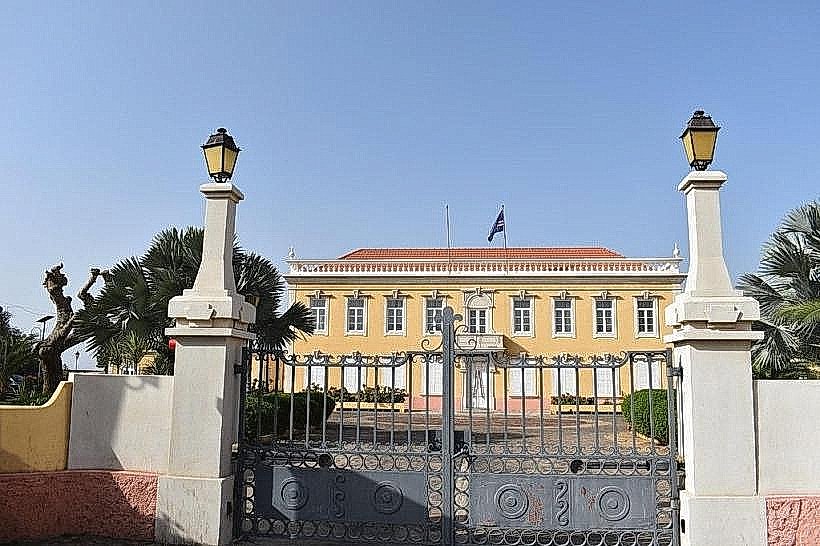
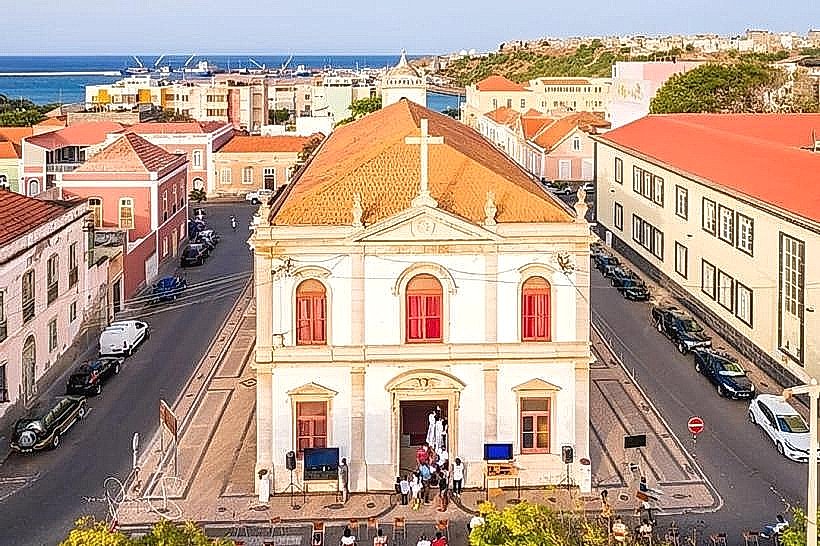
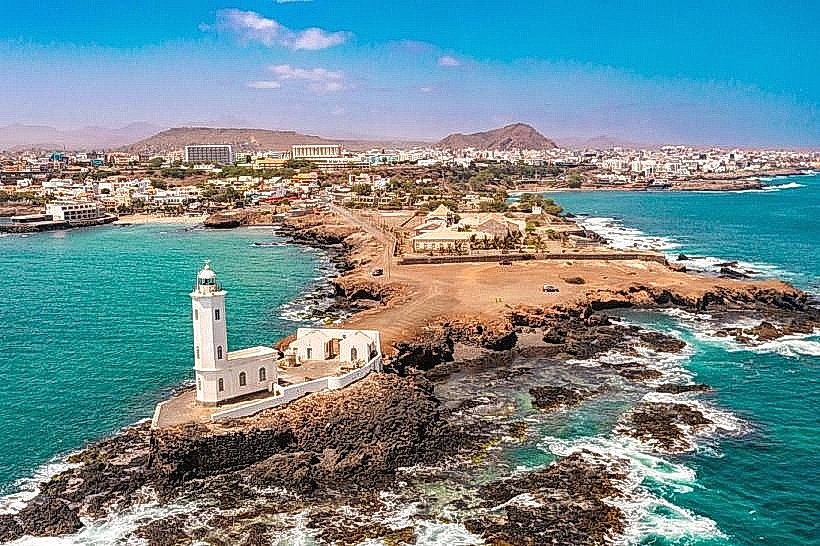
Santiago Island is the largest, most populous, and most historically layered island of Cabo Verde. It is the political heart of the country, home to the capital Praia, yet it remains deeply rural, agricultural, and textured by centuries of movement, resistance, and cultural blending. Nowhere else in the archipelago do landscapes, people, and history intersect with such density and contrast.
Physical Landscape and Natural Structure
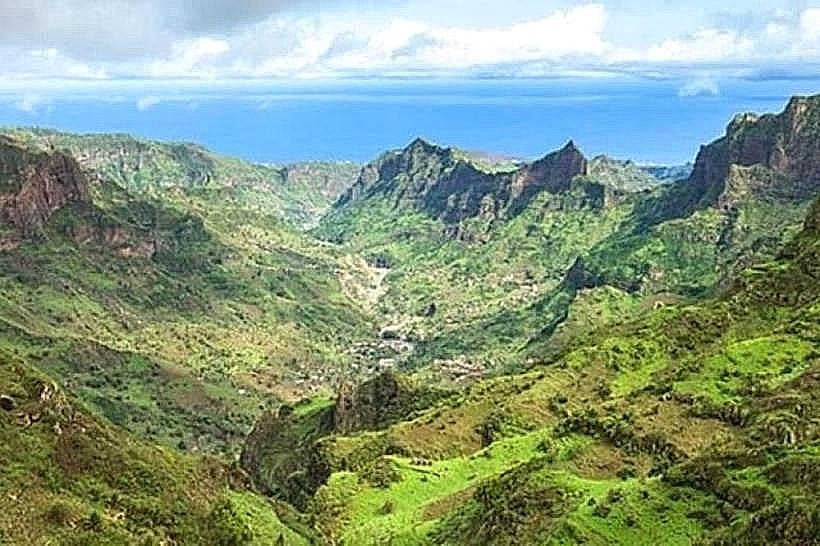
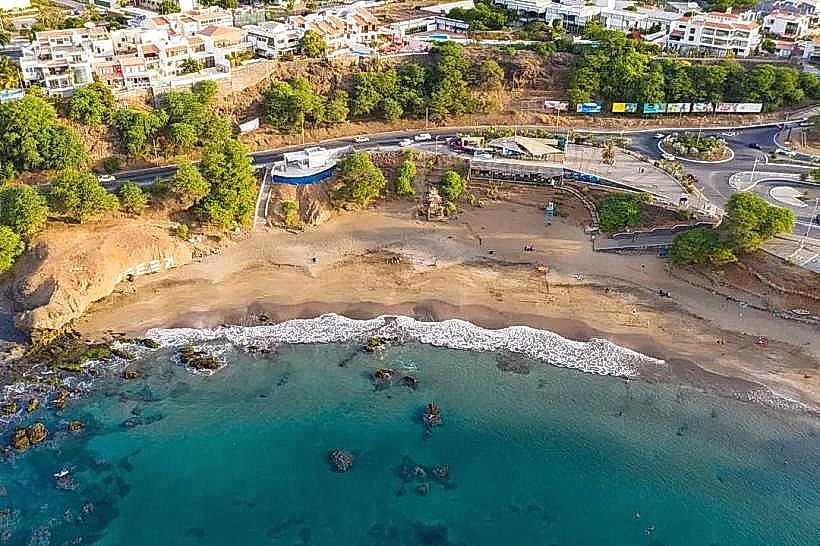
Santiago rises sharply from the Atlantic, shaped by ancient volcanic forces that carved deep valleys, plateaus, and jagged mountain ridges. The southern and eastern coasts are dry and sun-hardened, while the interior lifts into cooler highlands where clouds cling to slopes and rain feeds terraced farms. The Serra Malagueta mountain range dominates the central spine of the island with steep ridges, scattered trees, and sweeping viewpoints over ravines and distant shoreline.
Rivers here are seasonal, carving wide beds that remain dry for much of the year, then suddenly fill during short rainy periods. The contrast between arid lowlands and green interior folds is one of Santiago’s most striking physical signatures. Dusty roads drop into fertile valleys where bananas, sugarcane, maize, and beans climb upward in narrow, hand-built terraces.
Historical Depth and National Identity
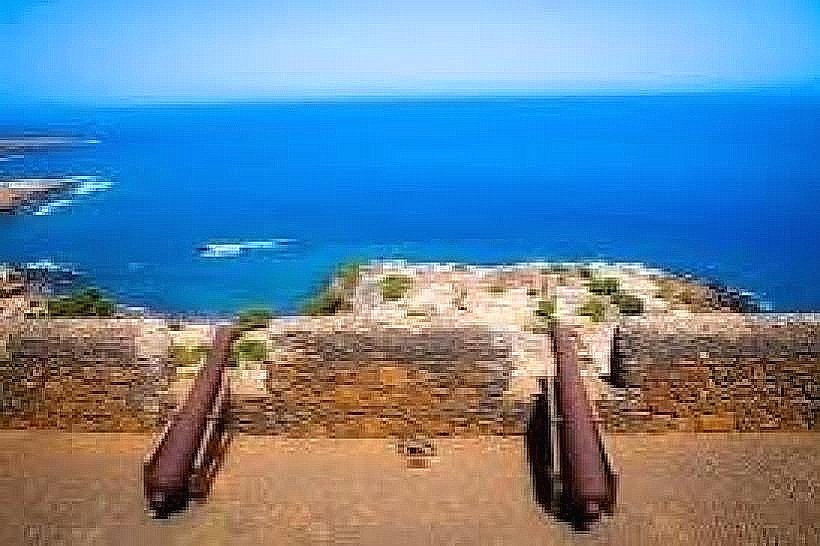
Santiago is where Cabo Verde’s recorded history began. The island hosted the first permanent European settlement in the tropics, Cidade Velha, which became a key Atlantic trading post during the age of maritime empires. From this coast, ships moved goods, people, and ideas between Africa, Europe, and the Americas. The island also became a foundational site of cultural fusion, where African heritage and European systems blended into what is now recognizably Cape Verdean identity.
Later, Santiago played a central role in political resistance and the rise of independence movements. Towns such as Assomada became organizational and social centers for rural communities and political awakening. The island still carries that identity of quiet strength and social consciousness beneath everyday life.
Towns, Movement, and Daily Rhythm
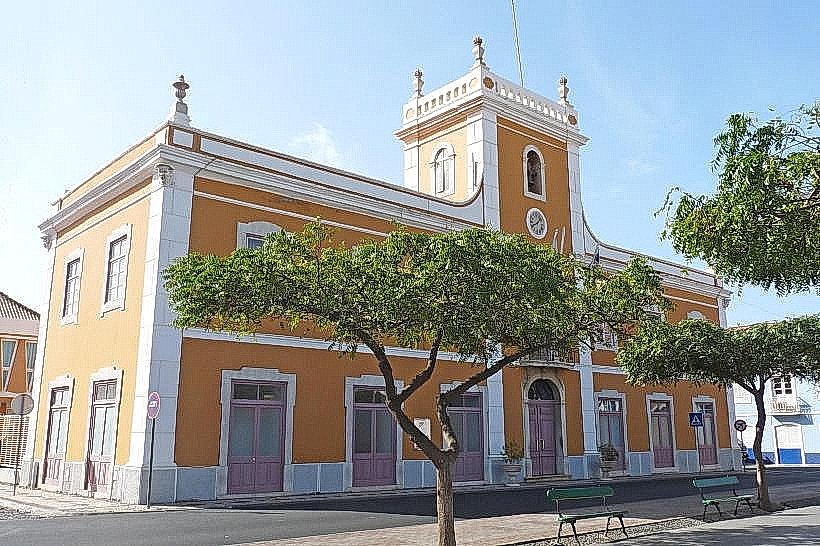
Life on Santiago is organized around motion. Shared taxis race between towns. Farmers rise before dawn to reach markets. Buses arrive dust-covered from interior villages. The southern coast revolves around Praia, fast-moving and administrative, while the interior towns move at an agricultural tempo shaped by seasons and harvests.
Cidade Velha remains slow and reflective, preserved in stone and memory.
Assomada pulses as the island’s main rural trade hub.
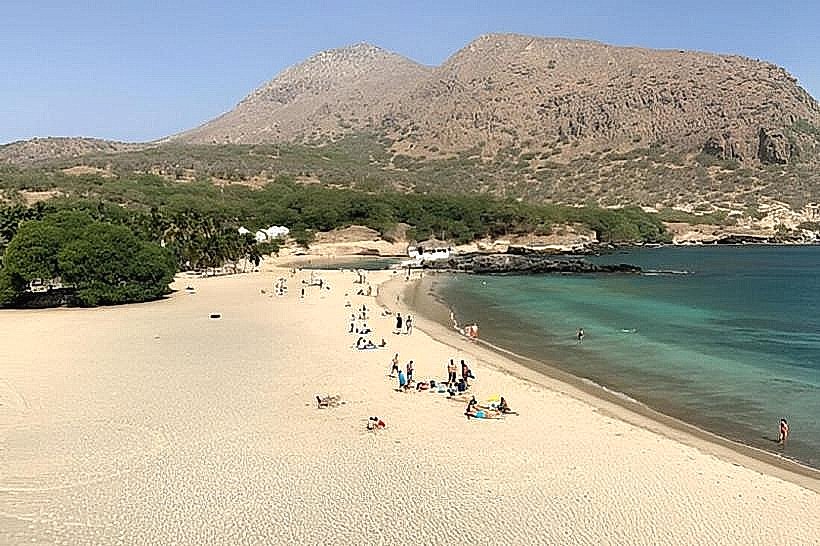
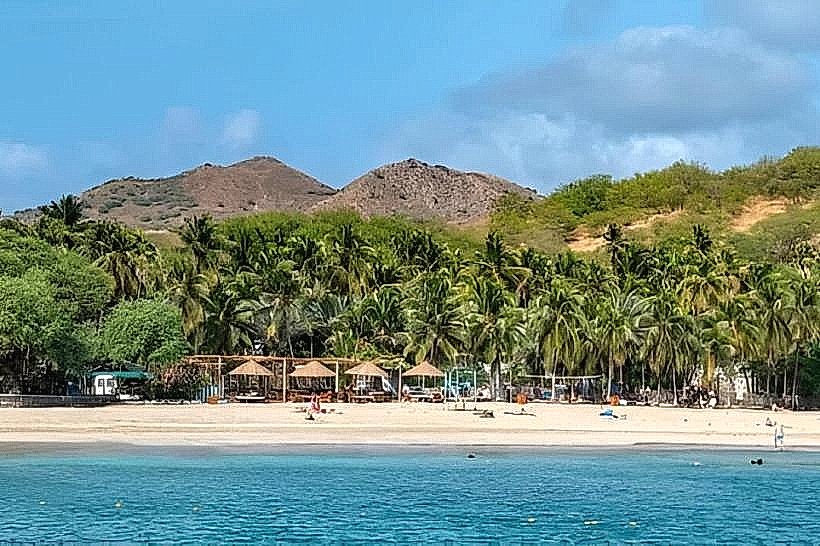
Tarrafal holds both beach calm and historical weight.
Dozens of smaller villages scatter across valleys and coastal inlets, each bound tightly to land, kinship, and routine labor.
Evenings come without ceremony. Light softens. Conversation lengthens. Radios carry songs through open windows. The island rarely feels still, but it rarely feels hurried either.
Agriculture, Food, and Local Economy
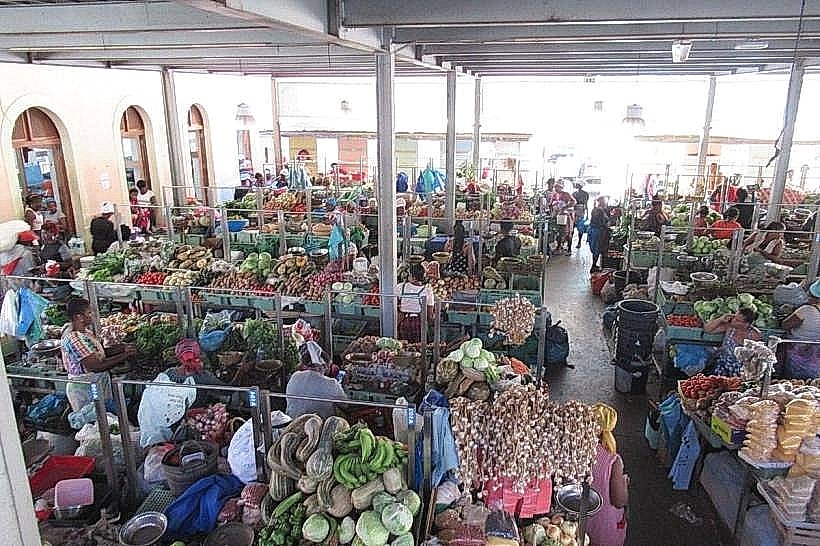
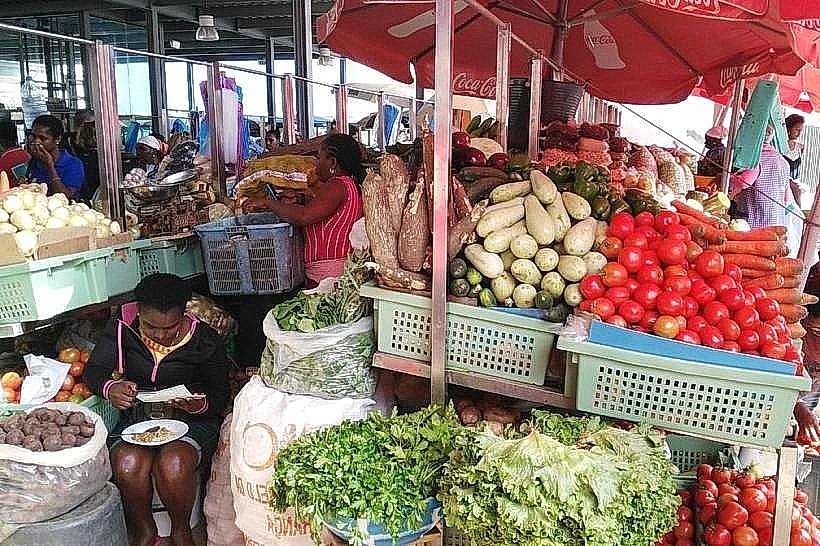
Santiago is Cabo Verde’s agricultural anchor. Despite challenging rainfall, farming remains central to life. Sugarcane presses still operate in valleys, producing raw grog in small distilleries. Maize dries on roofs. Beans, cassava, peanuts, mangoes, and papayas fill rural markets. Animals move through village streets as naturally as people.
Food reflects this grounding. Cachupa is heavier and more rustic here, built from whatever the land and household provide. Grilled fish dominates the coast, while inland meals lean toward stews and thick broths. Eating is practical, filling, and social, often stretched across long afternoons.
Language, Sound, and Cultural Atmosphere
Creole on Santiago has a distinct cadence, sharper and more rhythmic than on some northern islands. Music drifts constantly through daily life rather than appearing only on stages. Morna carries softness at night, but daytime sound is shaped by conversation, engines, livestock, and radio. The island feels vocally alive, always layered with human presence.
Spiritual life blends Catholic landmarks with older African-rooted customs, visible in quiet rituals, ancestral respect, and community gatherings that follow rhythms older than the modern state.
Emotional Tone and Sense of Place
Santiago does not present itself as effortless or light. It feels grounded, introspective, and occasionally stern, shaped by drought, labor, and long memory. Yet it is also deeply human. People here talk easily, joke quickly, and persist steadily. The land does not overindulge, but it sustains. The island teaches patience without announcing the lesson.
Santiago Island is Cabo Verde in its most complete form: volcanic, agricultural, political, historical, mobile, and emotionally grounded. It is not the easiest island, but it is the most revealing-where the country’s past, present, and daily survival meet with little disguise.