Information
Landmark: Ethnographic Museum of PraiaCity: Praia
Country: Cabo Verde
Continent: Africa
Ethnographic Museum of Praia, Praia, Cabo Verde, Africa
The Ethnographic Museum of Praia is one of the most intimate and human-centered cultural spaces in Cabo Verde’s capital. While nearby institutions focus on politics or archaeology, this museum turns its attention to lived tradition-how people have worked, dressed, prayed, cooked, traveled, and organized family life across the islands. It preserves not power or monuments, but everyday identity.
Setting and First Impressions
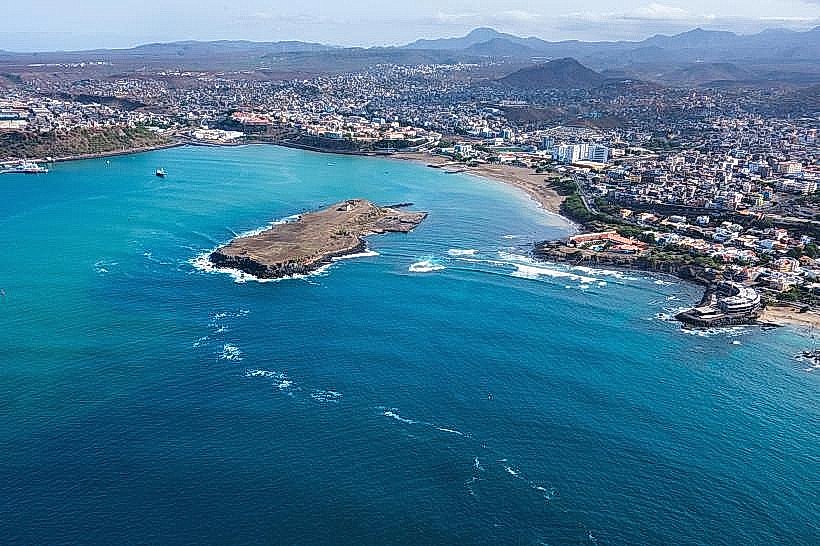
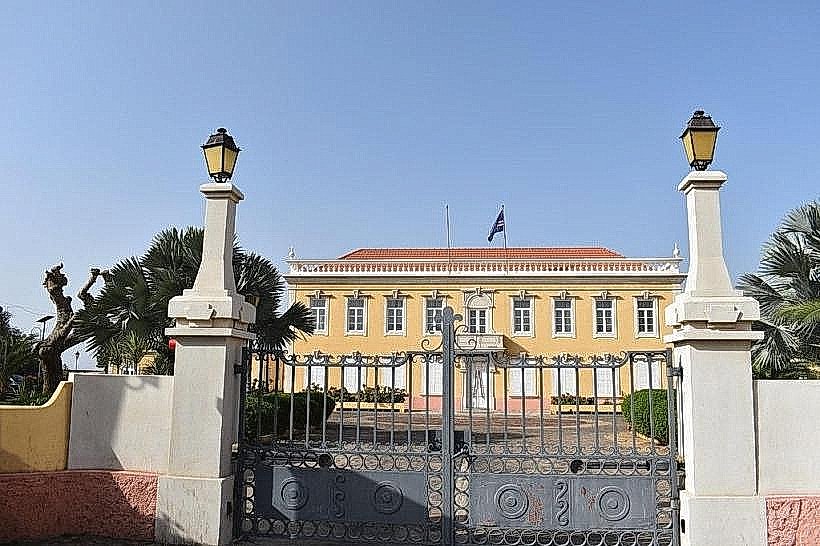
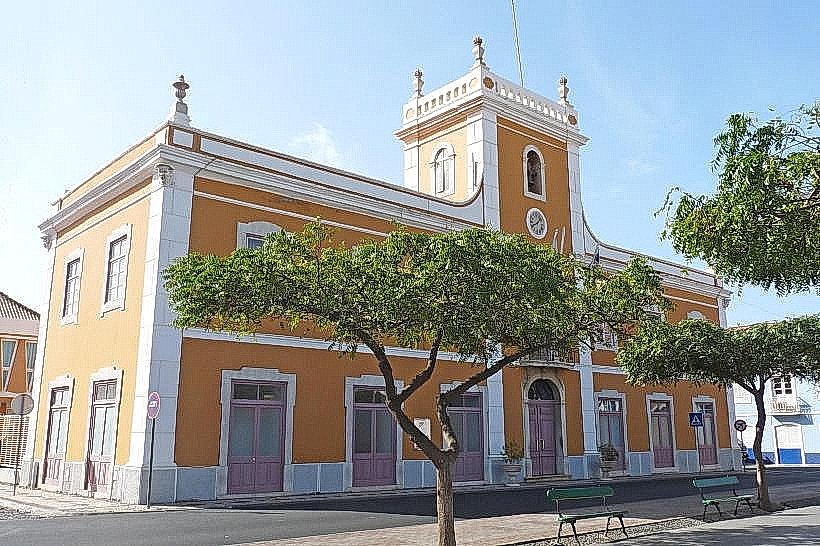
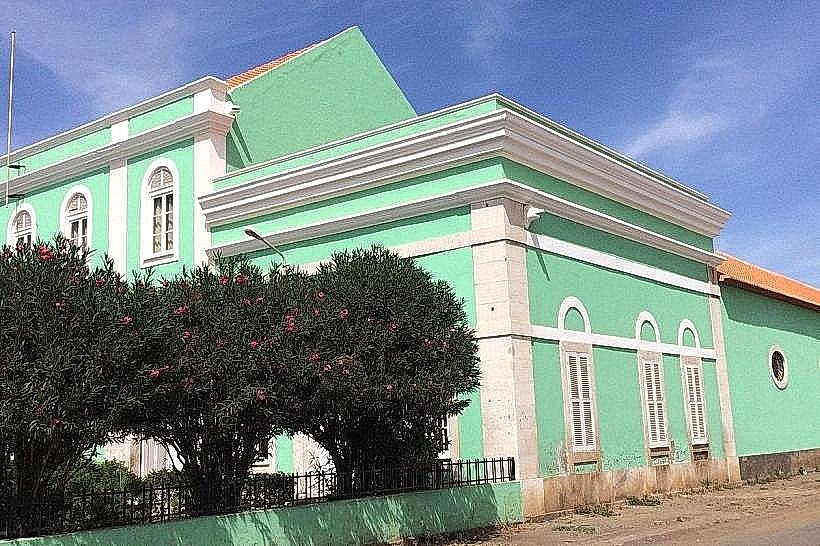
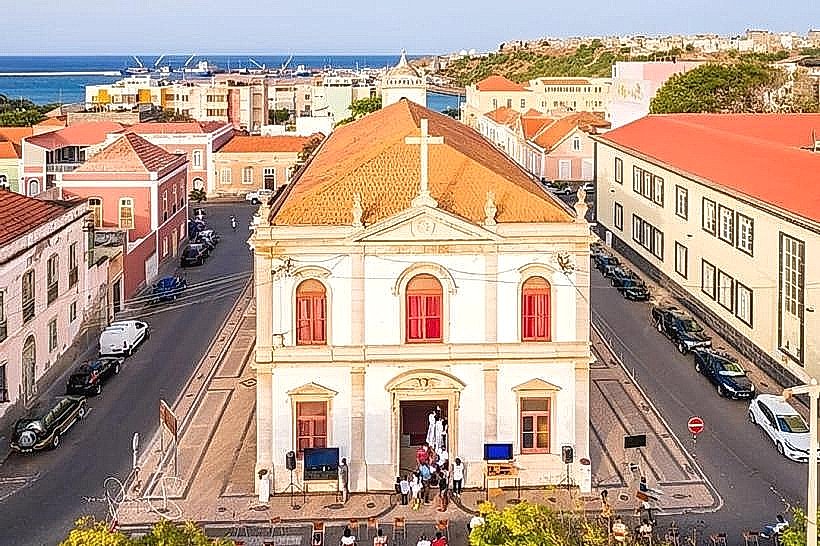
The museum sits within the Plateau Historic Center, tucked quietly among government buildings and shaded streets. The exterior is modest, with little to signal the richness inside. Entering the museum feels like stepping out of the formal civic atmosphere of the Plateau and into a warmer, more domestic world. The transition is subtle but immediate. The light softens, the pace slows, and the focus shifts from institutions to individuals.
Focus and Cultural Scope
The Ethnographic Museum is dedicated to traditional Cape Verdean life, especially from the 19th and early 20th centuries. Its core aim is to document how people adapted to:
Harsh climate and water scarcity
Volcanic terrain and limited resources
Strong winds and island isolation
Migration, separation, and return
Rather than presenting history as a sequence of political events, the museum presents it as a collection of human strategies for survival and meaning.
Exhibits and Material Culture
The displays feature everyday objects that once filled homes, farms, fishing boats, and workshops. Visitors encounter:
Agricultural tools used for maize, beans, and sugarcane
Fishing equipment shaped for rocky coasts and strong currents
Household utensils carved from wood or shaped from metal
Traditional clothing, textiles, and footwear
Musical instruments linked to ritual and celebration
Religious objects reflecting both Catholic and African-rooted spiritual practice
Each object carries signs of wear-smoothed handles, faded dyes, cracked surfaces-giving the impression that these items have not been frozen in time, but gently paused mid-use.
There are also reconstructions of traditional interiors, showing how homes were organized around work, storage, cooking, and sleeping in tight, multifunctional spaces.
Daily Life, Gender Roles, and Social Structure
One of the museum’s quiet strengths is how it reveals social organization without explanation-heavy narration. Tools associated with farming, fishing, weaving, food preparation, and child care naturally map out the island division of labor. Nothing is romanticized. Work appears constant, physical, and essential.
You begin to see how women anchored daily continuity through food, water, childcare, and trade, while men moved between agriculture, fishing, construction, and migration. The museum makes visible how family survival depended on cooperation rather than hierarchy.
Sound, Silence, and Emotional Atmosphere
Unlike lively markets or musical neighborhoods, the Ethnographic Museum feels hushed and reflective. Footsteps move carefully. Voices lower instinctively. The absence of noise makes the objects feel heavier with meaning. A woven basket or a cracked calabash bowl seems to carry more narrative weight in this quiet than it ever could in a busy street.
There is a subtle emotional resonance here. Many visitors recognize objects similar to what grandparents once used. The museum feels personal even when it is unfamiliar.
Educational and Cultural Role
For students and residents, the museum functions as a bridge between modern urban life and rural tradition. For visitors, it offers a grounding counterbalance to beach imagery and music-driven tourism. It shows that behind every song and coastal scene is a long history of labor, adaptation, and endurance.
The museum also plays an important role in preserving practices that are disappearing under migration, modernization, and climate pressure.
Identity and Meaning within Praia
Within the capital, the Ethnographic Museum acts as a reminder that Cabo Verde’s culture did not begin with the state, ports, or international visibility. It began in courtyards, fields, small boats, kitchens, and family compounds. It gives Praia a mirror that reflects not authority or power, but continuity and human ingenuity.
The Ethnographic Museum of Praia is a quiet archive of lived experience: tools worn by hands, fabrics shaped by weather, and traditions built slowly under pressure. It reveals Cabo Verde not through spectacle, but through the patient intelligence of everyday life.