Information
Landmark: Praia Presidential PalaceCity: Praia
Country: Cabo Verde
Continent: Africa
Praia Presidential Palace, Praia, Cabo Verde, Africa
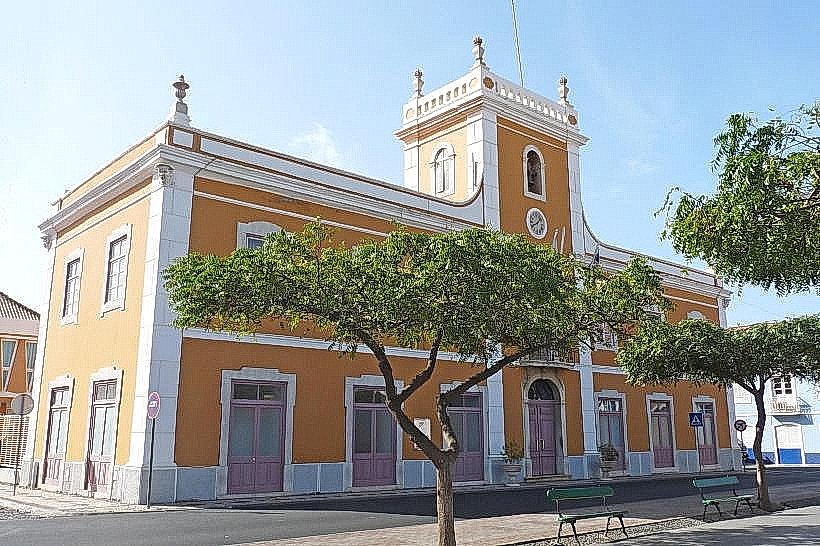
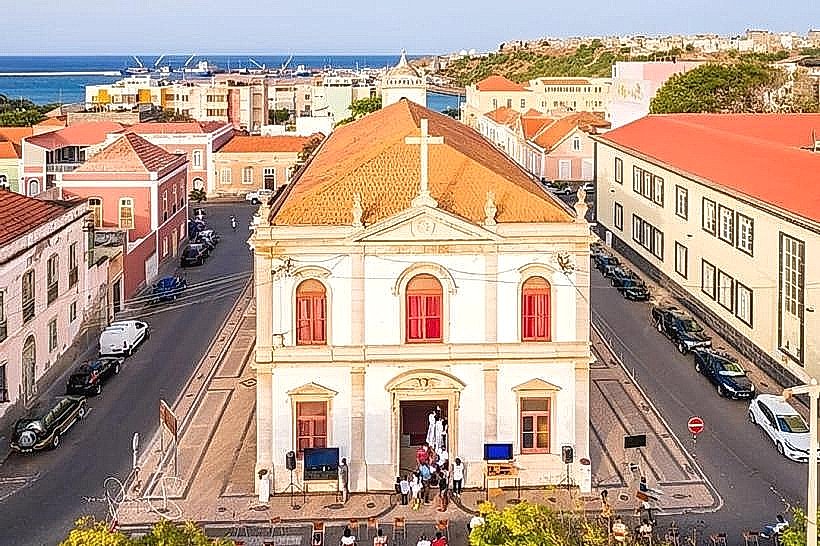
Praia Presidential Palace is one of the most recognizable civic buildings in Cabo Verde, serving as the official residence of the President and standing as a quiet symbol of national authority at the heart of the Plateau Historic Center. It is not monumental in scale, yet its calm dignity and strategic position give it a steady visual and political gravity.
Setting and First Impressions
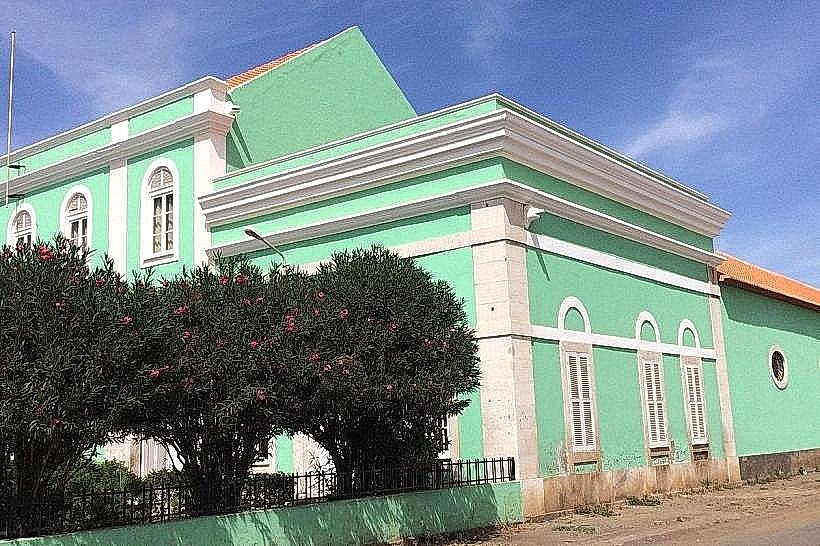
The palace sits within a gated compound along one of Plateau’s broad, palm-lined avenues. From the street, it appears composed and balanced rather than imposing. The building’s pale façade reflects the strong Atlantic light, while tall palm trees soften the geometry with shadow and movement. The surrounding area feels orderly and calm compared to the busier streets below the plateau, reinforcing the sense of civic space rather than spectacle.
Architecture and Visual Character
Architecturally, the palace reflects restrained colonial-era design adapted to tropical conditions. Clean lines, high ceilings, shaded verandas, and symmetrical proportions define its appearance. The structure favors openness over heaviness, with wide windows designed to channel breeze and light rather than dominate the skyline. The iron fencing, manicured gardens, and flagpole complete the visual language of state presence without theatrical excess.
The building does not compete with its surroundings for attention. Instead, it blends naturally into Plateau’s fabric of administrative buildings, churches, and quiet public squares.
Political Role and National Symbolism
As the presidential residence, the palace holds a central role in the republic’s political life. It is where official receptions, diplomatic ceremonies, and state meetings take place. While daily operations of government are spread across various ministries in Praia, the palace remains the country’s most concentrated symbol of executive authority.
Its presence reinforces Plateau’s identity as the political nerve center of the nation, where decisions shaping the islands’ future unfold behind understated walls.
Street Life and Civic Atmosphere
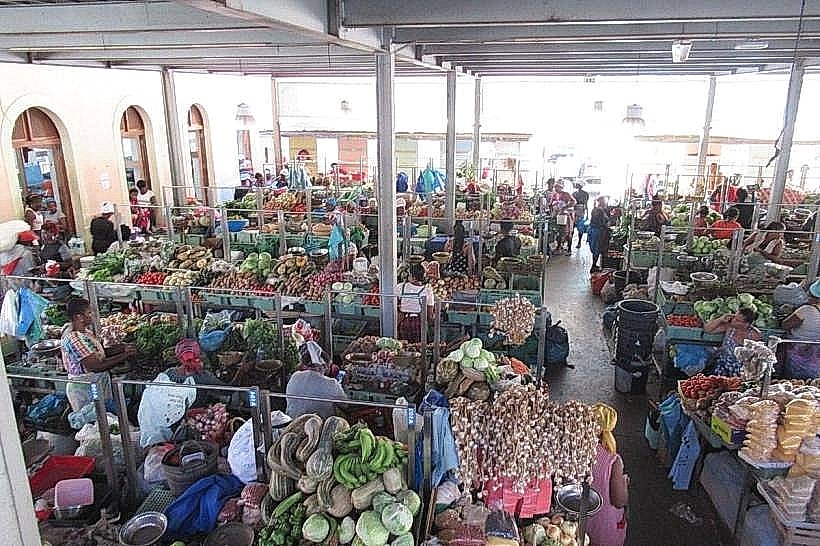
Outside the gates, life continues with typical Plateau rhythm. Office workers pass on lunch breaks. Street vendors quietly sell snacks and bottled drinks under the palms. Police officers stand casually at shaded posts, maintaining a low-key but visible presence. There is no heavy military display, only a quiet acknowledgment of state importance woven into everyday life.
At certain moments-national holidays, official visits, public commemorations-the palace area becomes more animated, with flags, vehicles, and controlled ceremony briefly lifting the space into sharper focus before calm returns.
Sensory Details and Daily Mood
Sound around the palace is muted compared to the lower city: fewer horns, more footsteps, wind through palm fronds, occasional murmurs of conversation. In the afternoon heat, shadows stretch slowly across the pavement, and the pale walls seem to glow rather than absorb sunlight. The atmosphere feels composed, dignified, and unhurried.
Emotional Tone and Identity
The Praia Presidential Palace does not project raw power. Instead, it reflects Cabo Verde’s political temperament-measured, stable, and quietly confident. Its modest scale mirrors the country’s human-sized governance style, where authority is present but rarely theatrical.
The Praia Presidential Palace stands as a calm anchor within the Plateau Historic Center: a place of leadership expressed through restraint, continuity, and everyday civic presence rather than monumental display.