Information
Landmark: Praia Municipal MarketCity: Praia
Country: Cabo Verde
Continent: Africa
Praia Municipal Market, Praia, Cabo Verde, Africa
Praia Municipal Market is one of the most vivid everyday stages of the capital, a place where Cabo Verde’s agricultural roots, coastal trade, and street-level energy converge in tight, colorful proximity. Tucked into the fabric of the lower city, it is not polished or curated for visitors. It is working, loud, textured, and deeply alive.
Setting and First Impressions
The market sits just below the Plateau, where the city thickens into denser streets and faster movement. From a distance, it announces itself through sound before sight-vendors calling prices, plastic crates scraping pavement, radios competing with human voices. The air grows heavier with heat, spice, salt, and fruit as one approaches. The structure itself is functional rather than decorative, surrounded by spillover stalls that push outward onto sidewalks and side streets.
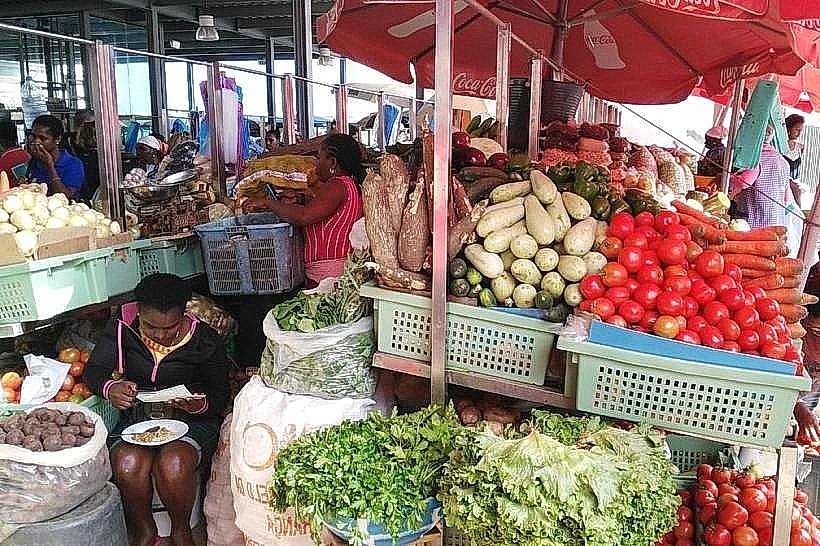
Walking in, the visual field tightens immediately. Narrow aisles cut between stacked produce, hanging fish, sacks of grain, and buckets of shellfish still glistening with seawater. Light filters in unevenly through open sides and overhead gaps, creating sharp contrasts between shadow and glare.
Produce, Fish, and Daily Trade
The rhythm of the market follows the tides and the harvest. Early mornings bring the freshest activity. Fish arrives first-tuna, wahoo, mackerel-laid directly on ice or metal tables, their scales reflecting sharp silver-blue flashes. Further inside, piles of bananas, papayas, mangoes, cassava, sweet potatoes, beans, peanuts, and dried corn form uneven mosaics of color and texture.
Women sit behind low tables, knives working steadily, voices rising and falling in practiced bargaining patterns. Prices are called out, adjusted, debated, then settled with quick nods. Transactions here are fast but personal, shaped by familiarity more than formality.
Street Food and Immediate Eating
Around the edges, food is cooked as quickly as it is sold. Corn roasts over open charcoal. Pastel pastries emerge in hot batches, oily and golden. Small bowls of broth and stewed beans pass from hand to hand. The smell of frying oil, garlic, dried fish, and strong coffee layers heavily in the air. Eating here is immediate and functional-standing, leaning, sharing space without ceremony.
Social Life and Human Texture
The market is as much social hub as commercial center. Conversations stretch across stalls-family updates, neighborhood news, jokes, and mild arguments woven seamlessly into trade. Children trail behind parents, darting between legs and crates. Porters move steadily under loads balanced on heads or shoulders. The flow never truly stops, it only swells and tightens.
Despite the density, there is an unspoken order. Each seller knows their territory. Each buyer knows where to go. Movement looks chaotic from the outside, but inside it follows long-established patterns.
Sound, Heat, and Sensory Weight
Sound at the Praia Municipal Market is layered and continuous. Voices overlap in Creole rhythm. Knives hit wooden boards. Crates drop. Motorbikes idle just beyond the entrances. Heat builds quickly under the low roof, thickened by bodies, sunlight, and cooking fires. Skin feels damp within minutes. Fruit juice, fish water, and dust mix underfoot into a slick, gritty film that marks the reality of the space.
Emotional Tone and Identity
This market does not perform friendliness. It expresses necessity, resilience, and daily negotiation. It is where Praia feeds itself, where rural supply meets urban demand with little buffer. There is humor here, but it is practical. There is beauty, but it is unstyled. Everything serves a purpose.
Praia Municipal Market is the city at its most direct: loud, warm, crowded, and indispensable-a living exchange between land, sea, and people where Cabo Verde’s daily survival becomes visible in motion, sound, and scent.