Information
Landmark: Bishazari TalCity: Bhaktapur
Country: Nepal
Continent: Asia
Bishazari Tal, Bhaktapur, Nepal, Asia
Bishazari Tal is an extensive oxbow lake system located within the buffer zone of Chitwan National Park in the Bharatpur municipality of southern Nepal. It is recognized as a Ramsar site for its international importance as a wetland habitat for migratory birds and critically endangered wildlife.
Visual Characteristics
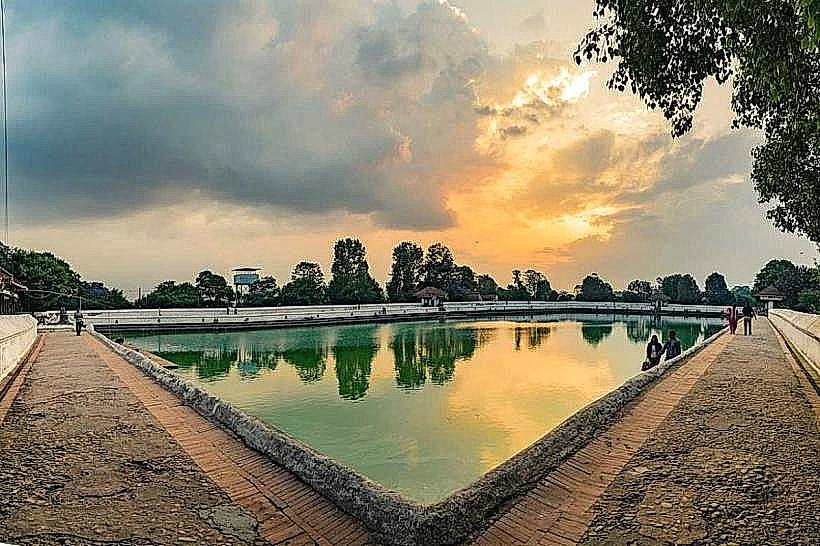
The landmark consists of a network of shallow, eutrophic lakes and marshlands characterized by dense covers of water hyacinth and lotus. The surrounding landscape is dominated by riverine forests and Sal trees (Shorea robusta), which create a dark green canopy mirrored in the still, dark waters. During the dry season, the muddy banks expose elephant and rhinoceros tracks, while the vegetation density varies from open water to thick reed beds.
Location & Access Logistics
The lake system is situated approximately 6 km south of Bharatpur's city center. Access is via the East-West Highway, turning south at the Tikauli forest section into the Tikauli Jungle corridor. Visitors typically reach the site by bicycle or hired jeep from Sauraha (approx. 15 km) or Bharatpur. A designated forest checkpoint requires an entry permit, and the final stretch involves unpaved dirt tracks through the forest.
Historical & Ecological Origin
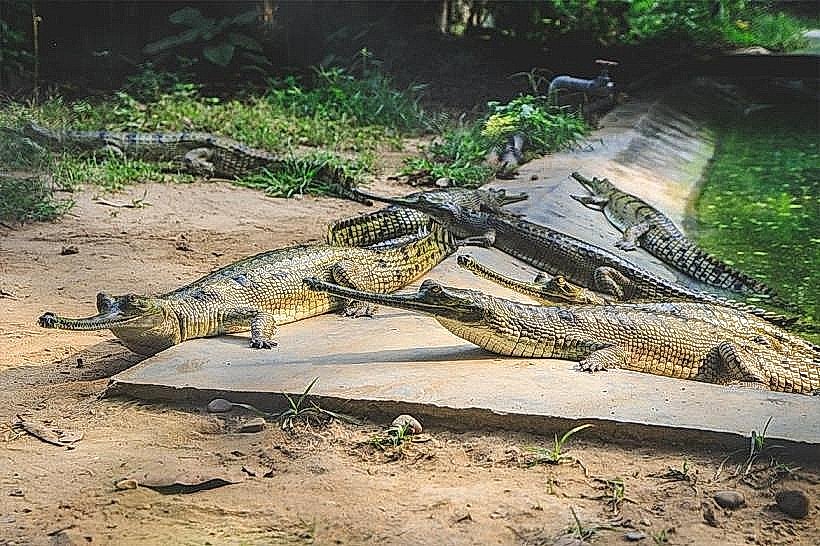
Geologically, the site is an oxbow lake formed by the historical shifting of the Narayani River. It was designated as a Ramsar site in 2003 due to its role in supporting the Bengal tiger, One-horned rhinoceros, and Gharial crocodile. The name "Bishazari" (20,000) originates from a local observation that the lake system and its finger-like branches are so numerous they resemble "twenty thousand" water bodies.
Key Highlights & Activities
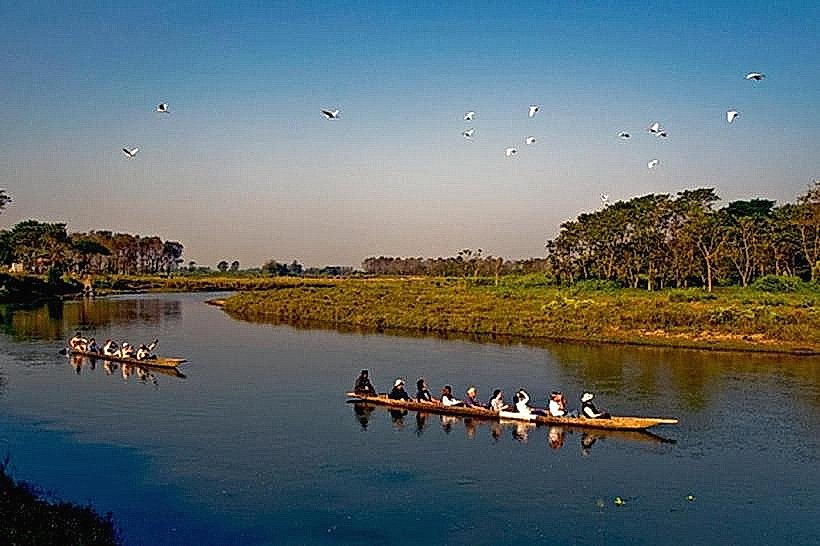
Jeep safaris and bird watching are the primary activities, as the area hosts over 270 bird species including the Lesser Adjutant Stork. Canoe trips are conducted in specific areas for viewing aquatic life. Walking through the forest trails is permitted but usually requires a mandatory nature guide due to the presence of wild predators and rhinoceroses.
Infrastructure & Amenities
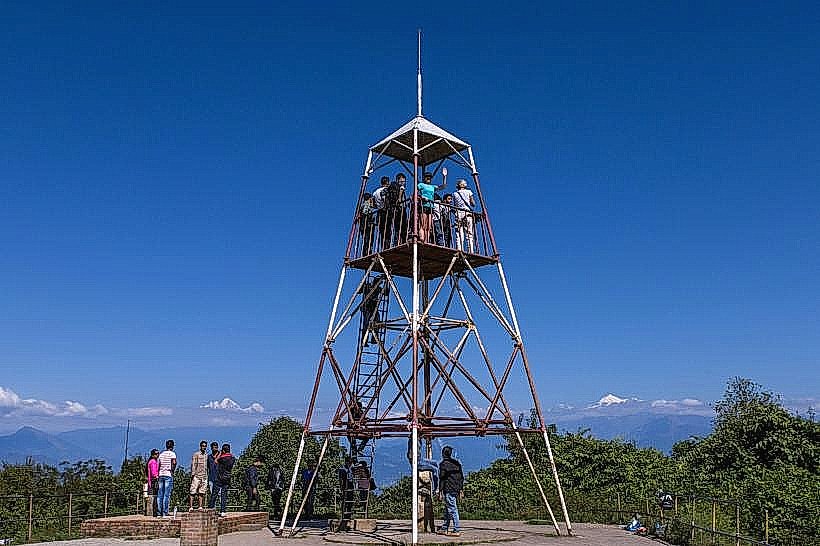
Infrastructure is minimal to preserve the wetland ecology. There are a few basic wooden viewing towers (machans) for wildlife observation. No permanent restrooms or food vendors are located at the lakes; visitors must carry water and supplies from Bharatpur or Sauraha. 4G cellular signal is available but becomes weak or drops entirely within the deeper forest sections.
Best Time to Visit
The winter months from November to February offer the best visibility for migratory birds arriving from Siberia. For photography, early morning (06:30–08:00) provides the most favorable light and the highest probability of spotting mammals at the water's edge. The park remains accessible in summer, but the monsoon (June–September) causes track flooding and high leech activity.
Facts & Legends
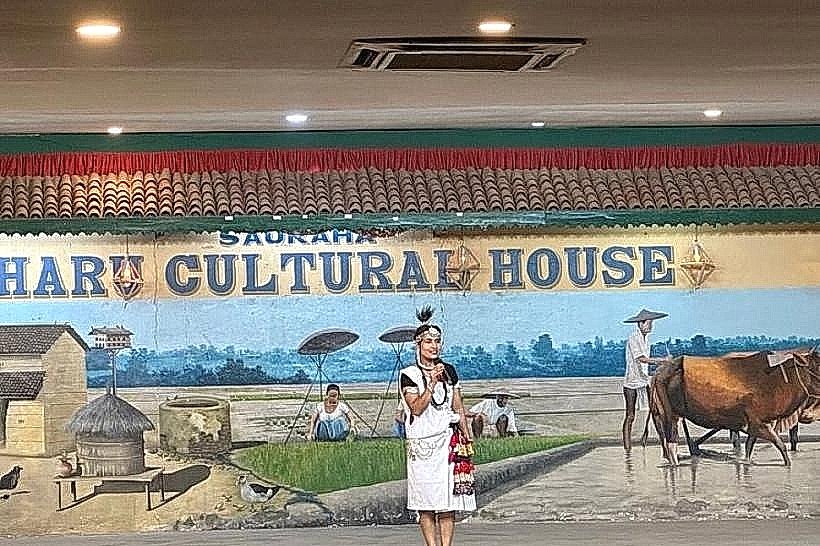
Local Tharu legends suggest the lake system is protected by forest spirits, and traditionally, certain areas were restricted from fishing to maintain the ecological balance. A verified historical oddity is the lake's ability to maintain water levels year-round despite the significant evaporation rates in the Terai, primarily due to groundwater recharge from the nearby Himalayas.
Nearby Landmarks
Tikauli Jungle – 1.6km North
Bharatpur Airport – 6.7km Northwest
Narayani Riverside – 8.3km Northwest
Chitwan National Park – 9.2km South
Tiger wildlife camp – 6.8km East