Information
Landmark: Ratna SagarCity: Janakpur
Country: Nepal
Continent: Asia
Ratna Sagar, Janakpur, Nepal, Asia
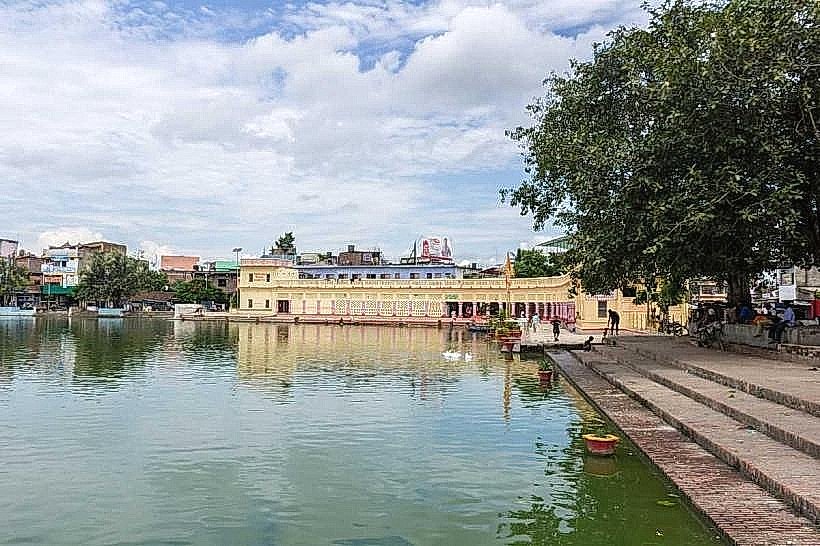
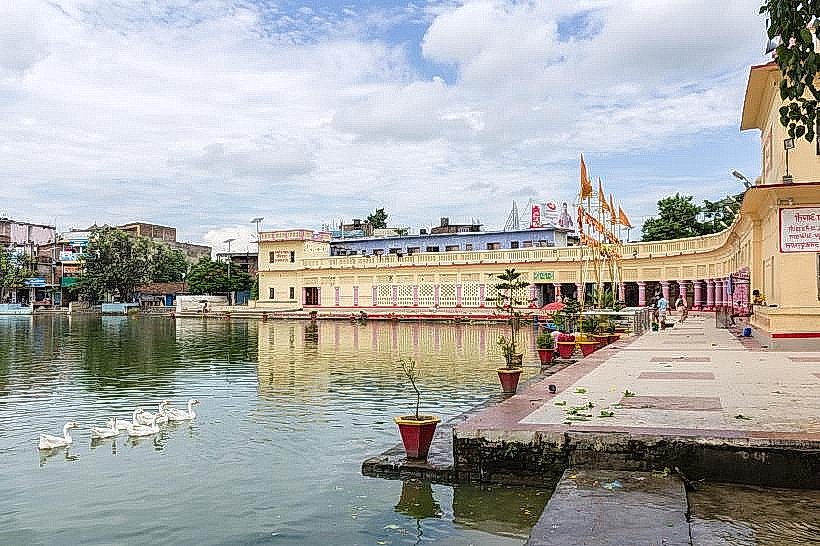
Ratna Sagar is a sacred pond and temple complex in Janakpurdham, Nepal. Often referred to as the "Jewel Ocean," it is one of the city's four most significant religious ponds and is located approximately 1 km northwest of the Janaki Mandir.
Visual Characteristics
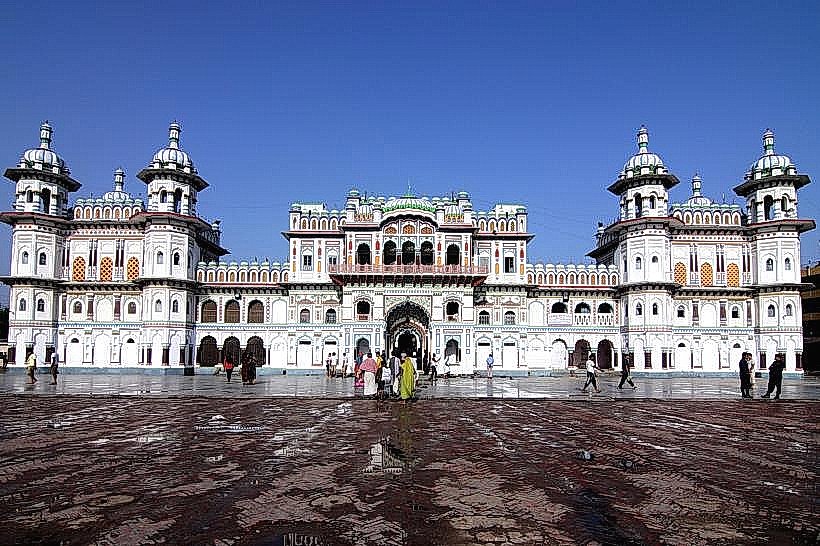
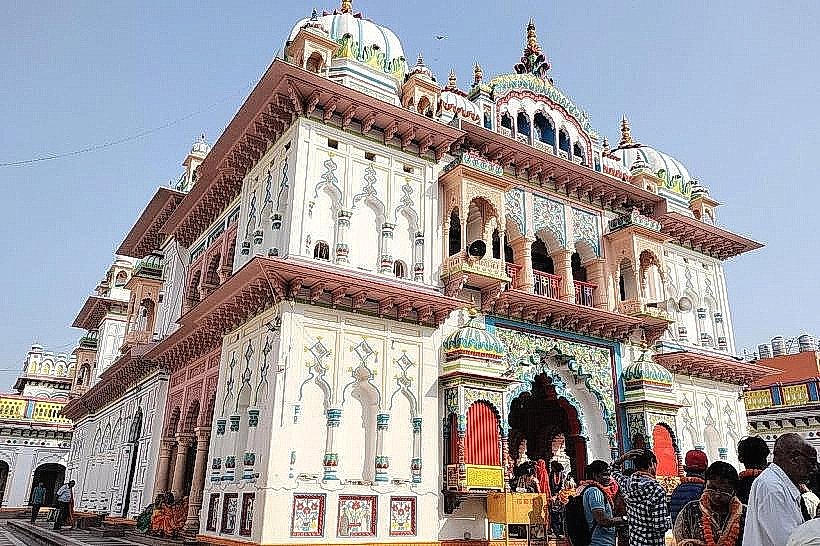
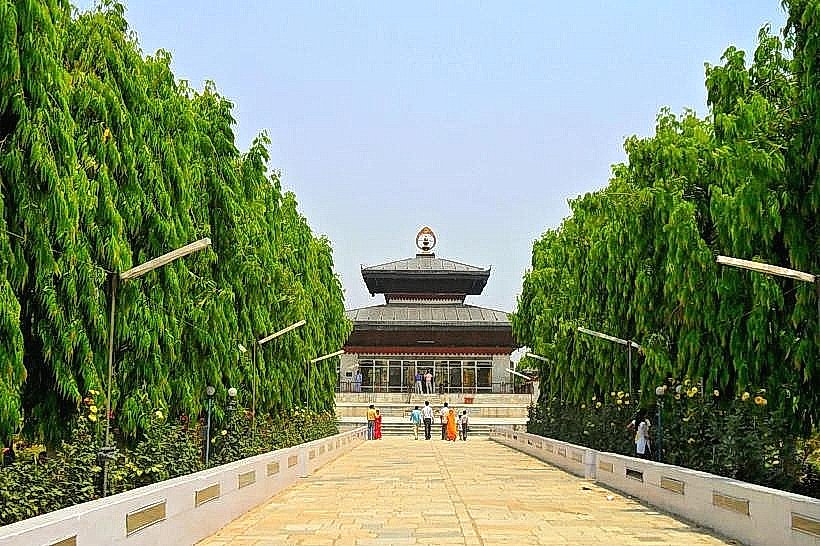
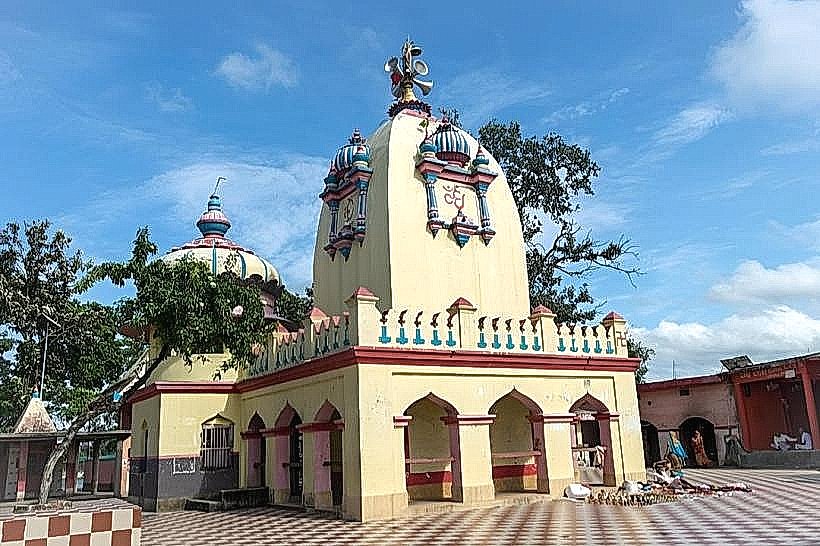
The landmark is centered around an expansive, serene pond surrounded by lush greenery and traditional shrines. The accompanying Ratna Sagar Temple is a tall, white-domed structure built in the Shikhar architectural style, featuring traditional Aakhi Jhyal (carved wooden windows) and painted religious murals. The site is noted for its tranquil atmosphere, providing a quieter alternative to the more congested central temple squares.
Location & Access Logistics
Proximity: Situated west of Ramananda Chowk and near the Eye Hospital. It is a 10–15 minute walk from the Janakpur city center.
Access: Accessible via paved city roads. Visitors typically reach the site by cycle rickshaw or electric rickshaw from Janaki Chok or the main bus park.
Entry: Open to the public daily from 05:00 to 20:00. There is generally no entry fee for the pond area or the temple.
Historical & Ecological Origin
Legend states that Ratna Sagar was created by King Janak, the father of Sita, for ritual purposes. The name "Ratna" (Jewel) refers to the mythological belief that the pond served as the treasury for the Mithila Kingdom, where King Janak stored precious jewels and wealth. The temple was founded by a saint named Shri Raghunath Das Ji, who arrived from the banks of the Ganges.
Key Highlights & Activities
Spiritual Reflection: The site is a preferred location for meditation and quiet prayer due to its reduced foot traffic compared to Ganga Sagar.
Ritual Bathing: Like other sacred ponds in Janakpur, devotees use Ratna Sagar for ritual purification before visiting the major temples.
Photography: The pond is famous for the symmetrical reflection of the Ratna Sagar Temple in its waters, particularly during sunrise and sunset.
Evening Aarti: Local priests perform small-scale Aarti (fire rituals) and light oil lamps (Diyas) along the banks in the evening.
Infrastructure & Amenities
The area around the pond is developed with paved walking paths and stone benches for visitors. Basic shops selling tea, snacks, and religious offerings are located near the temple entrance. 4G cellular coverage is consistent. Visitors are required to remove footwear before entering the temple sanctum.
Best Time to Visit
Daily: Early morning (05:30–07:00) for spiritual calmness and optimal mirror-like water reflections.
Season: October to March (Autumn/Winter) for pleasant weather and clear skies.
Festivals: The site becomes a major hub during Chhath Puja, when the banks are densely packed with devotees worshipping the sun.
Facts & Legends
The Shining Bow: A local legend claims that at certain angles during specific prayer times, a reflection resembling a shining red bow appears in the water-symbolizing the Shiva Dhanush broken by Lord Ram.
Treasury Myth: Some locals believe that King Janak's treasure remains hidden in deep subterranean vaults beneath the pond's center.
Nearby Landmarks
Janaki Mandir – 0.8km Southeast
Ramananda Chowk – 0.6km East
Swargadwari – 0.7km East
Sankat Mochan Temple – 1.1km Southeast
Bihar Kunda – 0.5km North