Information
Landmark: Ram MandirCity: Janakpur
Country: Nepal
Continent: Asia
Ram Mandir, Janakpur, Nepal, Asia
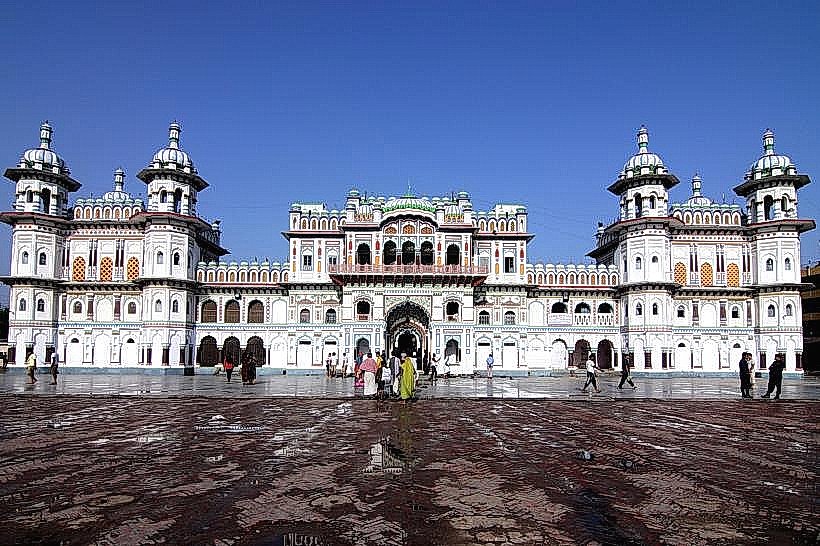
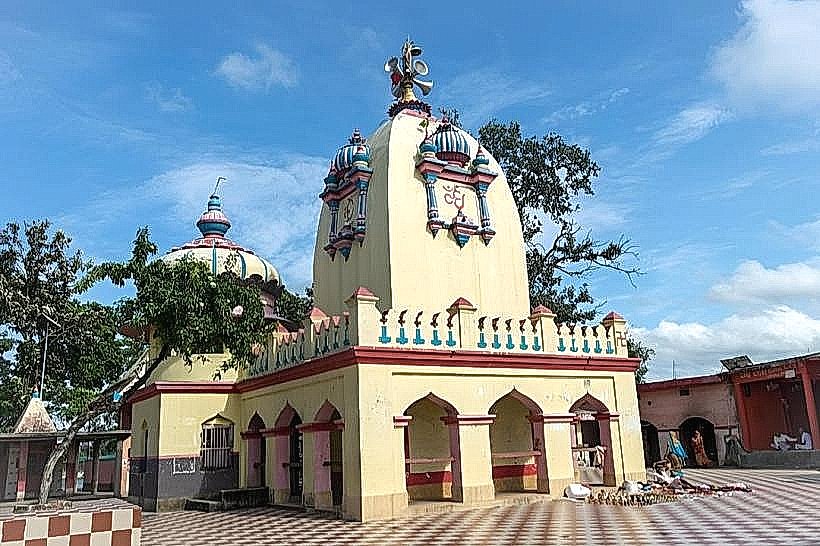
Ram Mandir is one of the oldest and most significant temples in Janakpurdham, dedicated to Lord Ram, the prince of Ayodhya. While the famous Janaki Mandir is known for its grand Indo-Islamic style, Ram Mandir is distinguished by its traditional Nepalese pagoda architecture.
Visual Characteristics
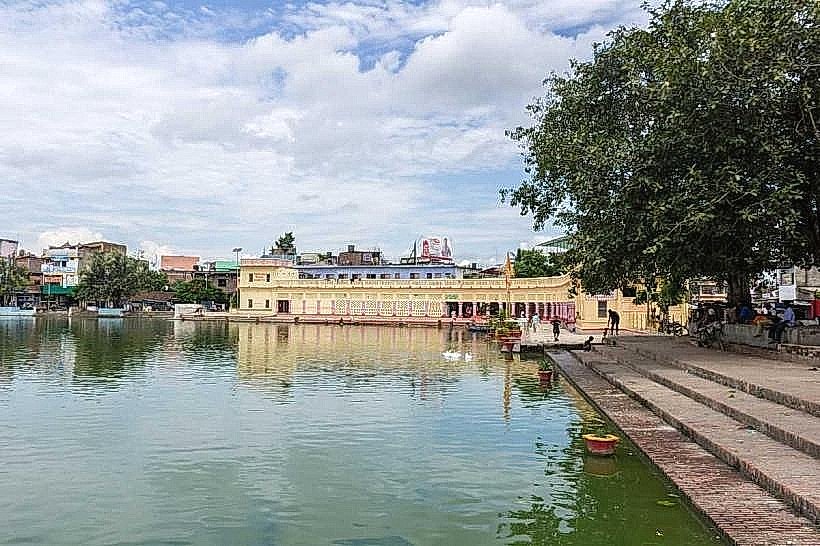
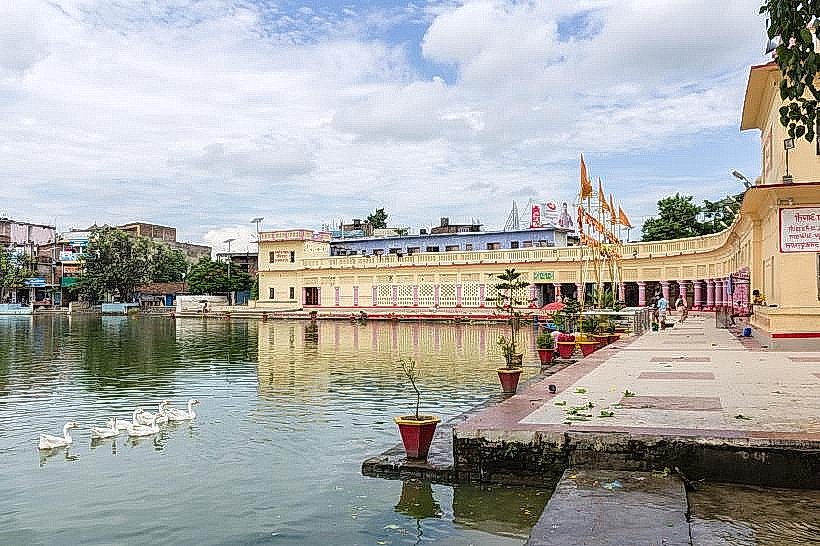
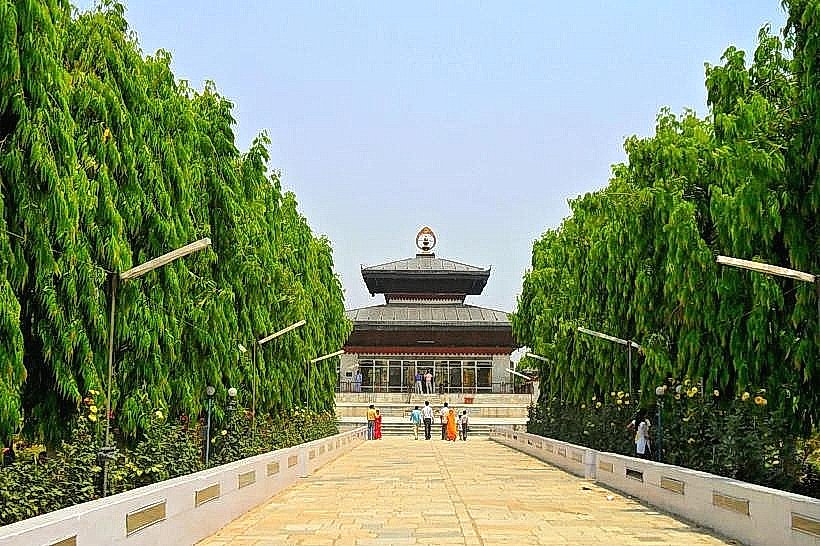
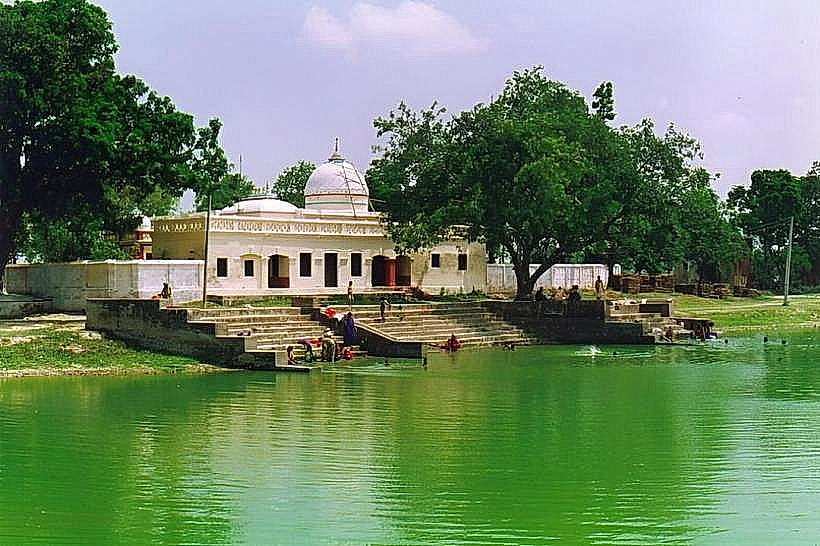
The temple is a multi-tiered pagoda-style structure, contrasting with the Mughal-influenced domes of nearby Janaki Mandir. It features a gilded roof-added in 1907-and intricate wooden carvings on its struts and doors. The main sanctum enshrines ancient idols of Lord Ram, Lakshman, and Sita. The temple complex is characterized by its tranquil atmosphere, ancient stone statues of Lord Shiva on the right, and its location facing the sacred Dhanush Sagar pond.
Location & Access Logistics
Proximity: Situated approximately 500 meters (a 10-minute walk) southwest of Janaki Mandir.
Orientation: Located on the western banks of Dhanush Sagar.
Access: Easily reachable via electric rickshaws (E-rickshaws) or on foot from Janaki Chok.
Transport: 3.5 km from Janakpur Airport and 1.5 km from the Janakpur Railway Station.
Historical & Ecological Origin
The temple's origins date back to the 17th century when it was established by the saint Chaturbhuj Giri. It was significantly rebuilt and expanded in 1782 AD by the Gorkhali General Amar Singh Thapa during Nepal's unification era. The temple sits within a historical religious corridor; according to local tradition, an underground tunnel once linked this temple directly to Janaki Mandir.
Key Highlights & Activities
Daily Rituals: The temple is an active center for Mangala Aarti, Bhog, and evening Sandhya Arati.
Rajdevi Mandir: Located within the same complex, this Shaktipeetha is dedicated to the patron deity of King Janak and becomes the city's focal point during Dashain, where thousands of animal sacrifices are traditionally performed.
Dhanush Sagar: Pilgrims often take a ritual dip in this pond before entering the temple, as it is believed to be associated with the divine bow (Dhanush) of Lord Shiva.
Infrastructure & Amenities
The complex is set within a spacious, shaded courtyard that offers a meditative escape from the bustling city. Basic amenities include seating areas and proximity to local markets. Numerous street vendors and local "Peda Ghars" (sweet shops) are located just outside the entrance. Cellular reception is strong (4G/5G).
Best Time to Visit
Ram Navami: The temple’s biggest annual festival celebrating Lord Ram’s birth, attracting massive crowds and fairs.
Vivaha Panchami: During the reenactment of the divine wedding, special traditional "marriage codes" and processions are performed between Ram Mandir (representing the groom's side) and Janaki Mandir.
Dashain: Particularly for the Rajdevi Mandir celebrations within the complex.
Facts & Legends
Ancient Idols: The main idol of Lord Ram is reputed to be over 250 years old.
Yogamaya Statue: The temple houses a rare female statue of Yogamaya, considered one of the most aesthetically perfect female forms in Nepalese stone art.
Gilded Patronage: The gold-plated roof was a gift from the Rana Prime Minister Chandra Shumsher in 1907.
Nearby Landmarks
Janaki Mandir – 0.5km Northeast.
Dhanush Sagar – 0.1km East (Directly in front).
Ganga Sagar – 0.3km East.
Vivaha Mandap – 0.6km North.
Mithila Art Gallery – 1.2km North.