Information
City: EspargosCountry: Cabo Verde
Continent: Africa
Espargos, Cabo Verde, Africa
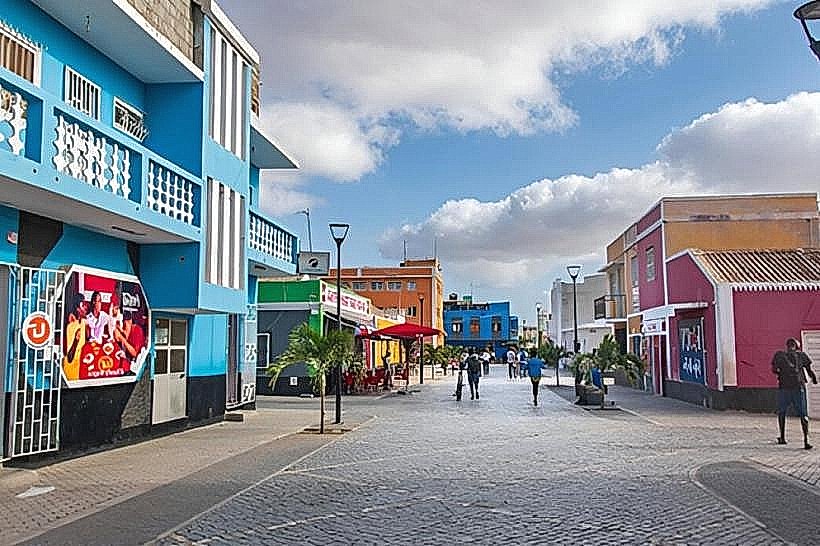
Espargos is the administrative capital and commercial center of Sal Island, Cabo Verde. Unlike the tourist-oriented Santa Maria, Espargos is a functional urban hub situated in the island's interior, positioned at the base of the Monte Curral plateau.
Historical Timeline
The city's development was triggered by the construction of the international airport in 1939 by the Italian government for use as a refueling station for flights between Europe and South America. Prior to this, the area was mostly uninhabited. Following World War II and the subsequent rise of transatlantic aviation, the settlement grew rapidly around the airport infrastructure, eventually becoming the most populous town on the island.
Demographics & Population
The 2026 population is estimated at approximately 32,000. It is a melting pot of residents from all Cape Verdean islands and mainland West Africa who have moved to Sal for work in the aviation and tourism sectors. Portuguese is the official language, but Sal Creole is the primary medium of daily communication.
Urban Layout & Key Districts
The city features a grid-like structure located immediately north of the airport.
The Center: Area around the main square (Praça), containing government buildings and the post office.
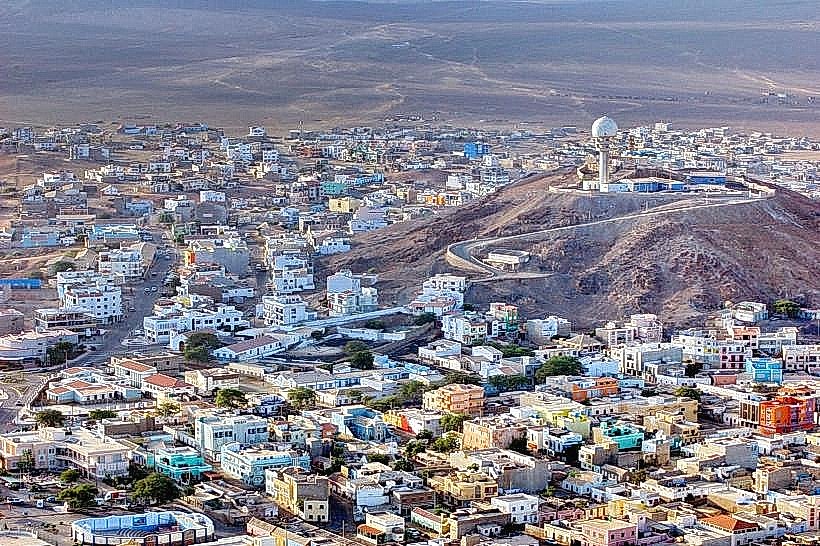
Monte Curral: The prominent hill overlooking the city, which houses telecommunications towers and provides the town's geographic orientation.
Ribeira d'Orita: A residential district on the outskirts of the main grid.
Pretoria: A bustling commercial neighborhood with various local shops and markets.
Top City Landmarks
Monte Curral: A lookout point providing 360-degree views of the island, the airport, and the Atlantic.
Igreja de Santa Ana: The central Catholic church, a modest yet significant community landmark.
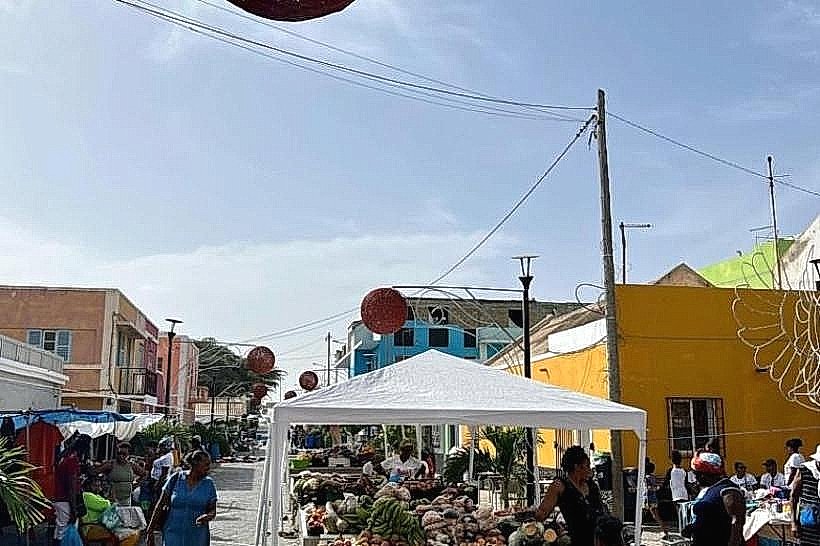
Mercado Municipal: A vibrant market where locals purchase fresh produce, clothing, and household goods.
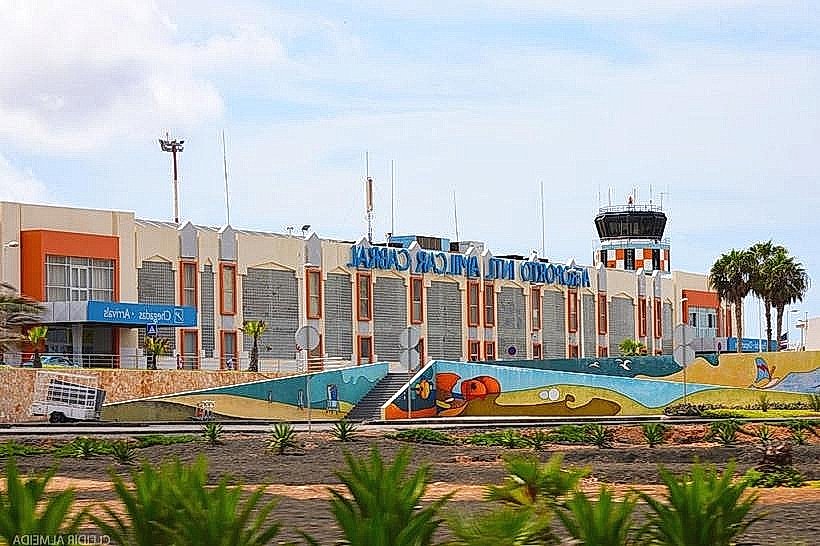
The Airport Terminal: Amílcar Cabral International Airport (SID) remains the city's primary economic engine and an architectural focal point.
Transportation Network
Espargos is the logistical nerve center of Sal.
Aviation: Amílcar Cabral International Airport (SID) is the main gateway.
Public Transit: The city is the hub for alugueres (shared minibuses) that run constantly to Santa Maria (20 mins), Palmeira (10 mins), and Pedra de Lume (10 mins).
Roads: Well-maintained asphalt roads connect Espargos to all major points on the island.
Safety & "Red Zones"
Current Status: Exercise Normal Precautions. Espargos is generally safe and experiences less tourist-targeted petty crime than Santa Maria. However, standard urban awareness is advised at night. As of 2026, there are no specific high-risk zones, though the outskirts near the airport can be poorly lit.
Digital & Financial Infrastructure
Average internet speed is 20–35 Mbps (4G/5G). Espargos contains the island's highest concentration of bank branches (BCA, BCN, Caixa) and Vinti4 ATMs. It is the best place on the island for administrative and financial services.
Climate & Air Quality
The climate is arid and desert-like. Temperatures average 20°C to 28°C. Due to its interior location, it can feel slightly warmer and dustier than the coastal towns. Air quality is good, though the Harmattan winds (December–February) cause significant Saharan dust accumulation.
Culture & Social Norms
Espargos offers an authentic glimpse into Cape Verdean daily life away from the resorts. Social life revolves around the cafes and the central square. Tipping is not mandatory but rounding up the bill is common.
Local Cost Index
1 Espresso: USD 1.10 (110 CVE)
1 Standard Lunch: USD 6.50 (700 CVE)
1 Aluguer trip to Santa Maria: USD 1.00 (100 CVE)
Nearby Day Trips
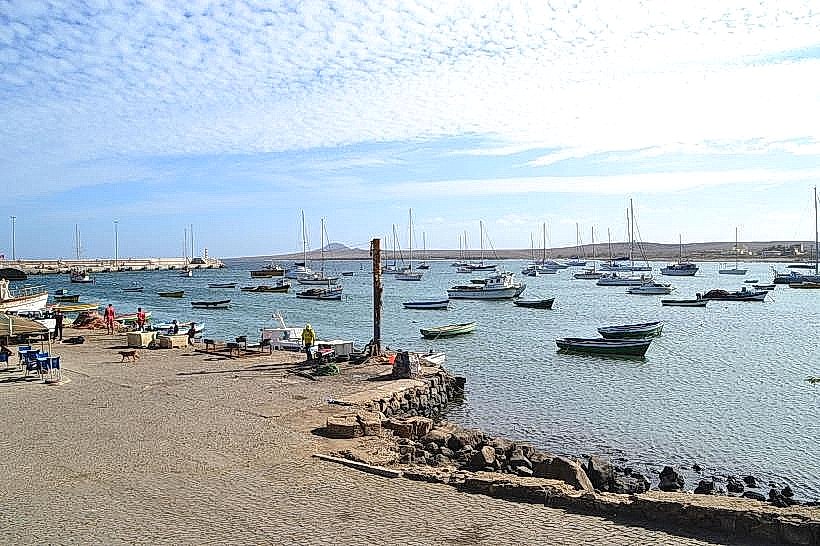
Palmeira (4 km): The island's main seaport and a colorful fishing village.
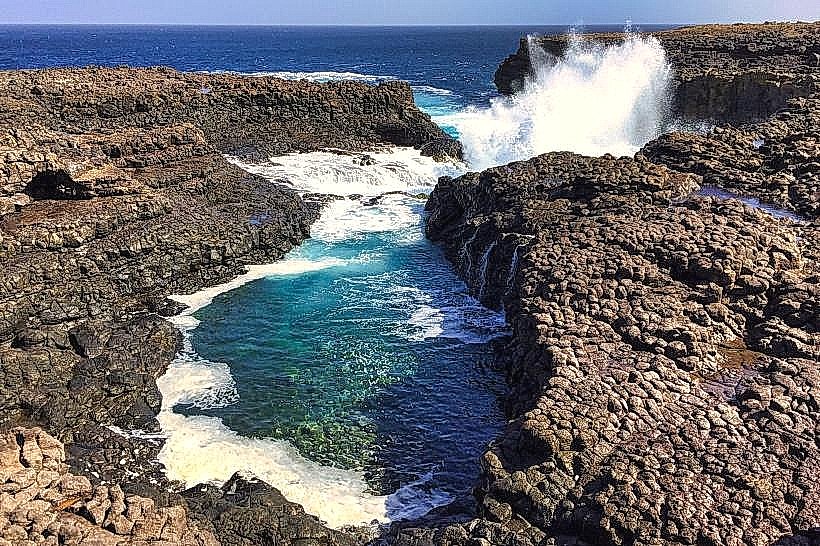
Buracona (10 km): Home to the "Blue Eye" natural pool.
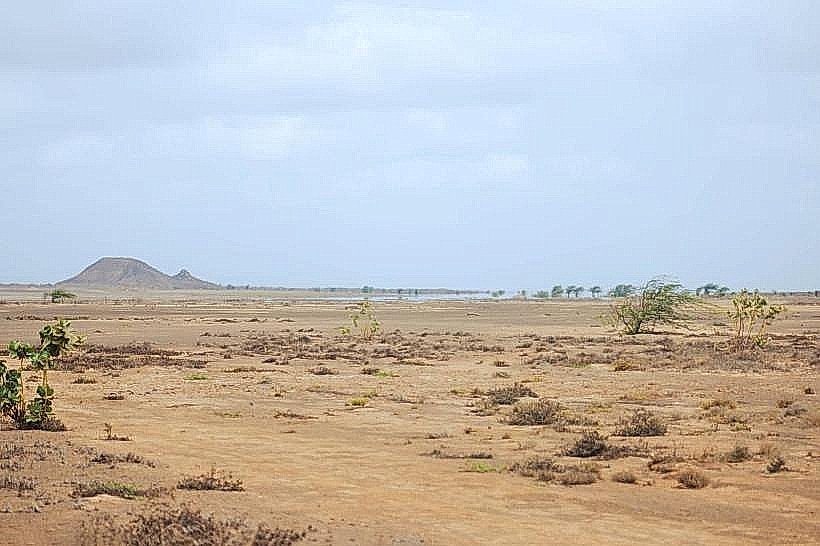
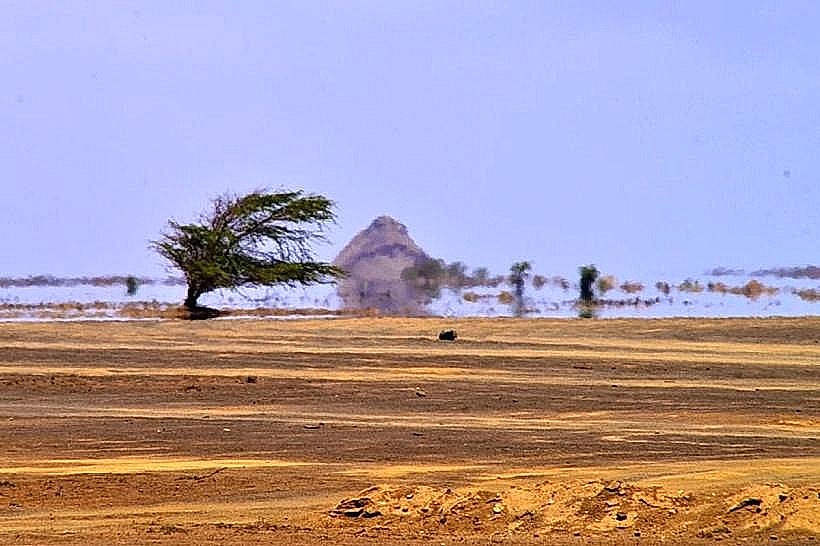
Terra Boa (5 km): The only fertile agricultural area on the island, famous for its mirages.
Facts & Legends
The name "Espargos" translates to "Asparagus," referring to the wild stalks of wild asparagus that used to grow in the sandy plains after rare rainfalls. A local legend says the salt air of Sal makes people live longer; historically, the city remains the youngest in Cabo Verde in terms of its founding date.