Information
Landmark: German Monastery (Tara Foundation)City: Bhairahawa
Country: Nepal
Continent: Asia
German Monastery (Tara Foundation), Bhairahawa, Nepal, Asia
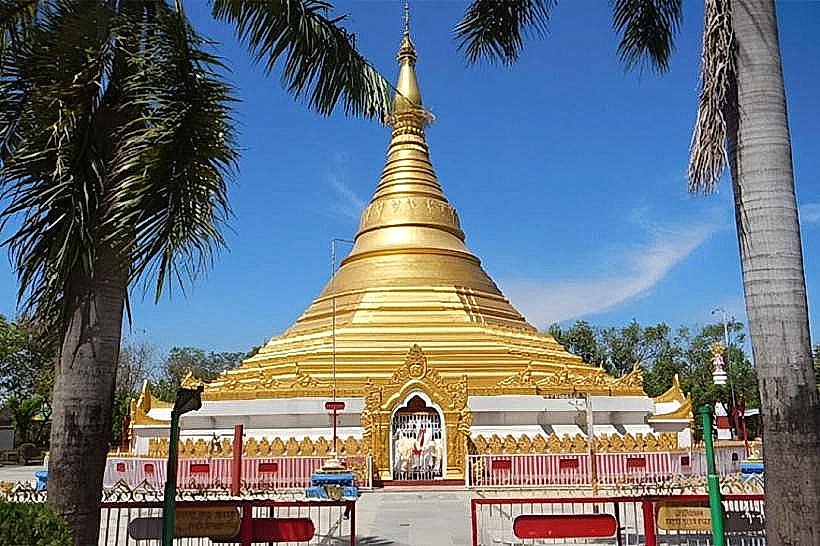
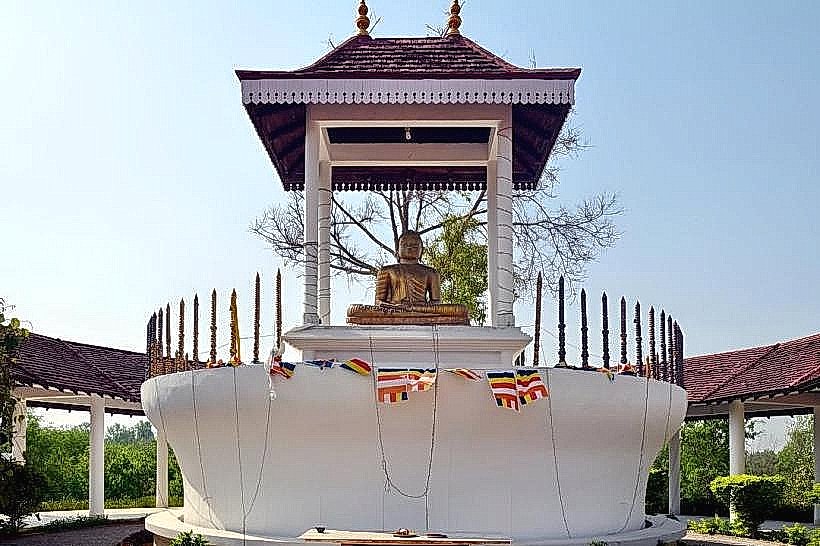
The Great Drigung Kagyud Lotus Stupa (often referred to as the German Monastery) is a prominent architectural landmark in the West Monastic Zone of Lumbini, Nepal. It was established by the Tara Foundation under the guidance of H.E. Gochen Tulku Sang-ngag Rinpoche to promote the Drigung Kagyu lineage of Tibetan Buddhism.
Visual Characteristics
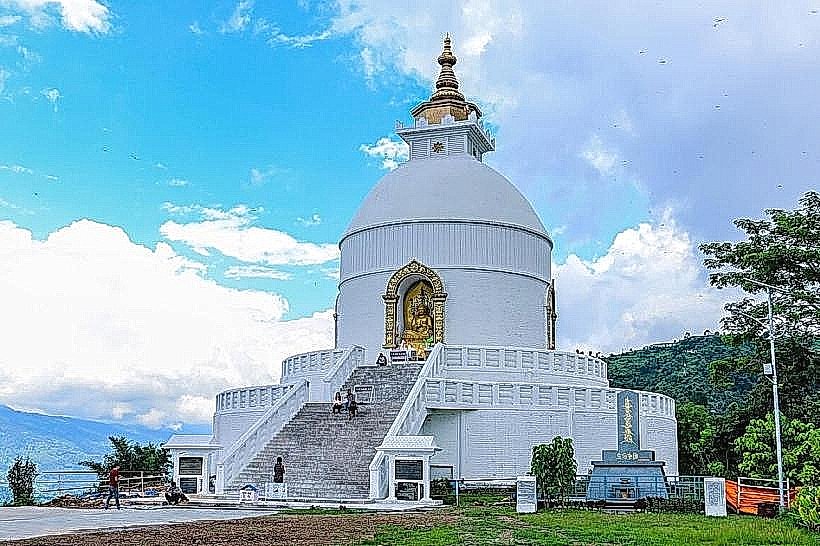
The site is centered around a massive white stupa built in the traditional Tibetan style, featuring a large golden spire and a series of smaller lotus-petal-shaped domes at its base. The interior of the prayer hall is renowned for its vibrant, floor-to-ceiling frescoes painted in the "Karma Gadri" style, depicting the life of Buddha and various Bodhisattvas. The compound is surrounded by a circular walkway lined with prayer wheels and meticulously maintained gardens.
Location & Access Logistics
The monastery is located in the West Monastic Zone, approximately 1km north of the Eternal Peace Flame and 23km from Bhairahawa. Access within the Lumbini complex is restricted to pedestrians, bicycles, and electric rickshaws. Visitors are required to remove footwear before ascending the stupa's platforms or entering the main temple.
Historical & Ecological Origin
Construction of the stupa was completed in 1999 as part of the international effort to populate the Lumbini Monastic Zone. The Tara Foundation, a German-based non-profit, funded the project to create a center for peace and Tibetan Buddhist study. The site incorporates sustainable landscaping designed to provide shade in the intense Terai heat, utilizing local flora to create a cooling micro-environment.
Key Highlights & Activities
The primary attraction is the internal dome of the stupa, which serves as a meditation hall decorated with some of the most detailed Tibetan art in the region. Visitors can participate in the ritual of "Kora" (circumambulation) around the stupa. The monastery also functions as a center for retreat and study, occasionally hosting public teachings and meditation sessions led by resident lamas.
Infrastructure & Amenities
The facility includes a small visitor information area, public restrooms, and a shaded garden area with benches. High-speed 4G signal is available across the grounds. While the monastery does not offer standard tourist accommodation like the nearby Korean Temple, it maintains a small guest house primarily for practitioners and students of the foundation.
Best Time to Visit
The optimal time for a visit is during the winter months (November to February) in the late afternoon. The white marble and plaster of the stupa reflect the golden hour sunlight, providing ideal conditions for photography. Chanting and prayer ceremonies typically occur at dawn and dusk.
Facts & Legends
A verified architectural detail is that the frescoes inside the temple took over two years to complete, executed by master thangka painters brought specifically from Bhutan and Tibet. The stupa's design is symbolic of the "Lotus" that signifies the birth of Siddhartha Gautama, a theme consistent with its location in the Buddha's birthplace.
Nearby Landmarks
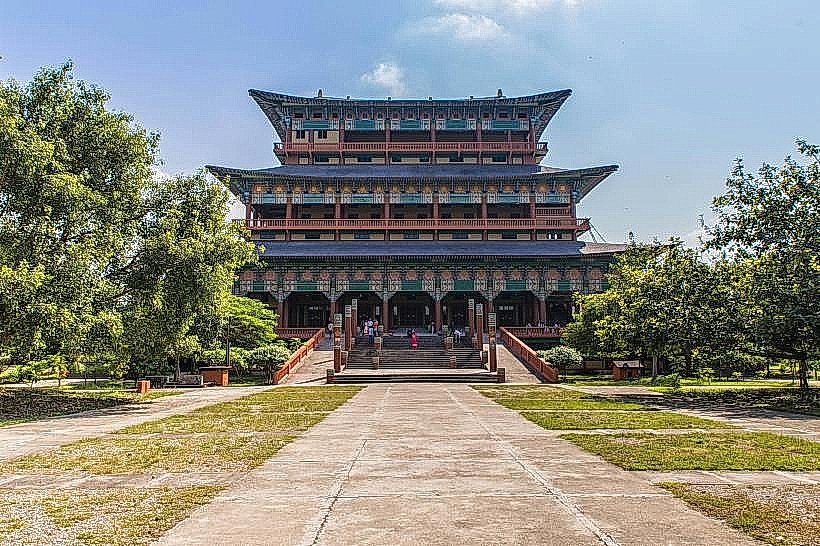
Korean Buddhist Temple (0.6km South)
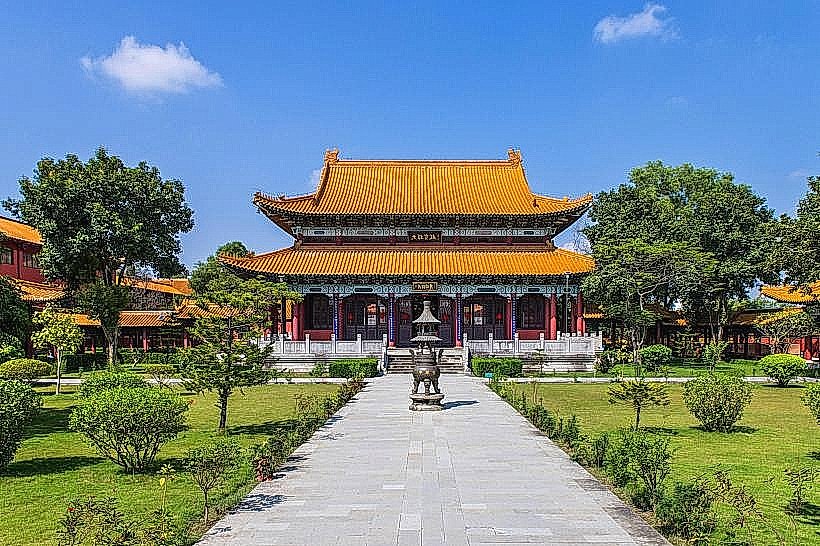
Zhong Hua Chinese Monastery (0.5km South)
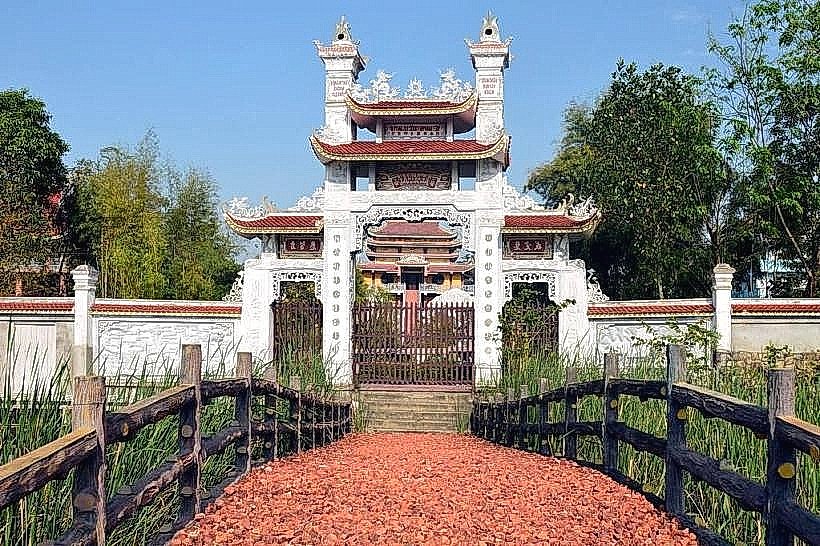
Vietnam Phat Quoc Tu (0.8km South)
World Peace Pagoda (0.9km North)
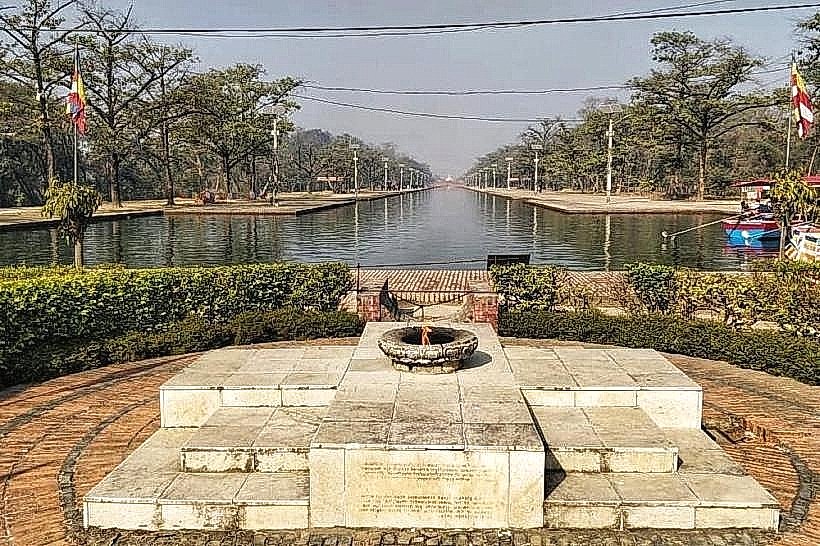
Eternal Peace Flame (1.0km South)