Information
Landmark: Lumbini Crane SanctuaryCity: Bhairahawa
Country: Nepal
Continent: Asia
Lumbini Crane Sanctuary, Bhairahawa, Nepal, Asia
Lumbini Crane Sanctuary is a 256-hectare protected wetland located in the northern buffer zone of the Lumbini Development Trust area. It functions as a critical habitat for the Sarus Crane-the world's tallest flying bird-and serves as an ecological conservation site integrated with the spiritual landscape of Buddha's birthplace.
Visual Characteristics
The landscape is dominated by seasonal wetlands, tall grasslands (Imperata cylindrical), and reed beds. It features several man-made ponds and marshy areas designed to maintain water levels during the dry season. The vegetation is predominantly native subtropical grasses and aquatic plants, providing a sparse, open horizon punctuated by clusters of riverine trees.
Location & Access Logistics
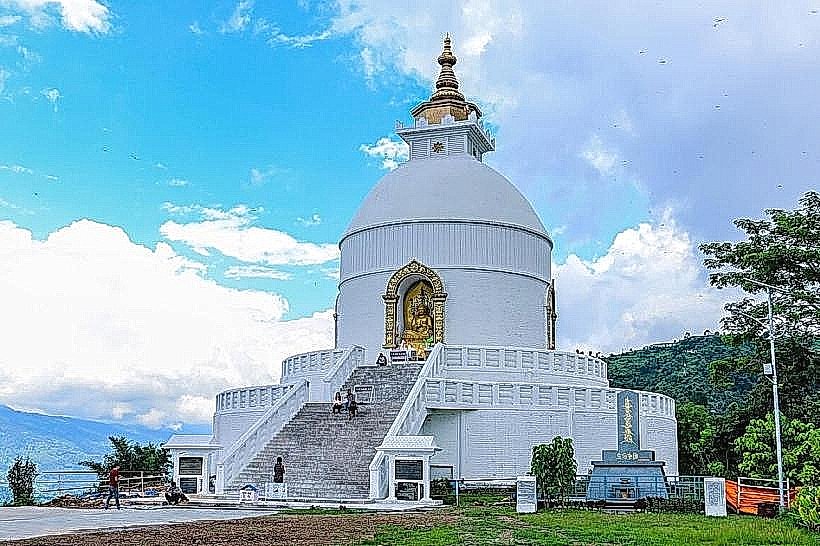
The sanctuary is situated approximately 25km west of Bhairahawa. Access is via the main Lumbini road, entering through the northern gate of the Monastic Zone. It is best explored by bicycle or on foot along the designated embankments. The nearest major landmark is the World Peace Pagoda, located at the sanctuary's southern edge.
Historical & Ecological Origin
Established in 1994 through a partnership between the International Crane Foundation and the Lumbini Development Trust, the site was created to reverse the habitat loss caused by agricultural expansion. The area is geologically part of the Terai floodplains, characterized by alluvial soil and a high water table. The Sarus Crane is specifically protected here due to its symbolic association with the legend of Prince Siddhartha, who is said to have saved a wounded crane in his youth.
Key Highlights & Activities
Birdwatching is the primary activity; the sanctuary hosts over 200 species of birds, including the Lesser Adjutant Stork and various birds of prey. Visitors can observe the cranes’ elaborate courtship dances during the breeding season. The site also features a network of nature trails and observation points overlooking the wetlands.
Infrastructure & Amenities
Infrastructure is minimal to preserve the habitat. There are a few covered observation huts and informational signage regarding local biodiversity. 4G cellular signal is available but can be intermittent in the deeper wetland sections. There are no on-site cafes or restrooms; these facilities must be accessed at the nearby World Peace Pagoda or the Monastic Zone.
Best Time to Visit
The optimal period for crane sightings is from November to February when migratory species are present and the weather is cool. Early morning (06:00–08:00) provides the highest probability of observing cranes feeding in the marshes. For photography, the open horizon offers clear views during the golden hour before sunset.
Facts & Legends
The Sarus Crane is considered a symbol of marital fidelity in local culture because they mate for life. A verified ecological fact is that this sanctuary supports one of the highest densities of Sarus Cranes in Nepal. It also functions as a "living laboratory" for local schools to teach environmental conservation through the lens of Buddhist philosophy.
Nearby Landmarks
World Peace Pagoda (0.2km South)
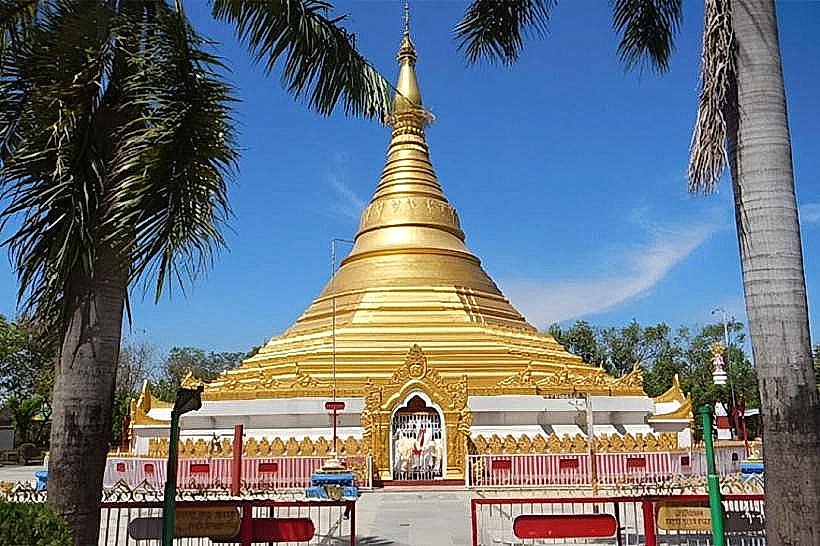
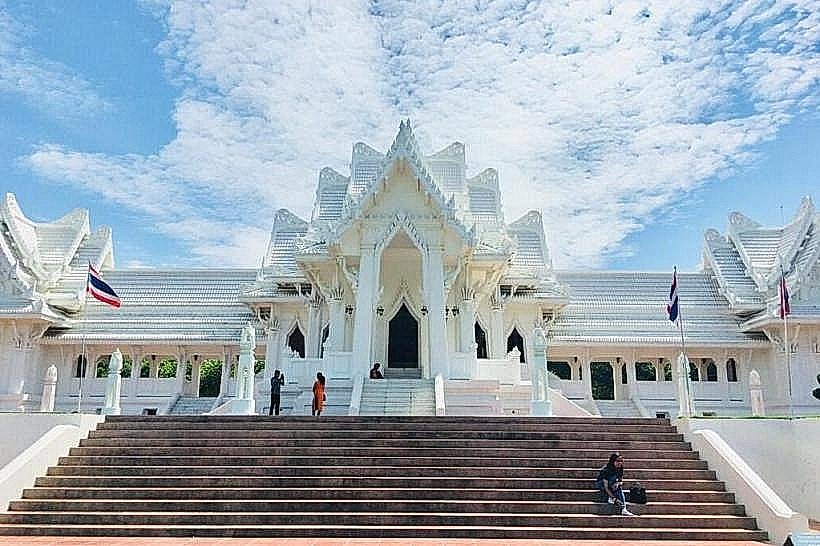
Lumbini Monastic Zone (0.5km South)
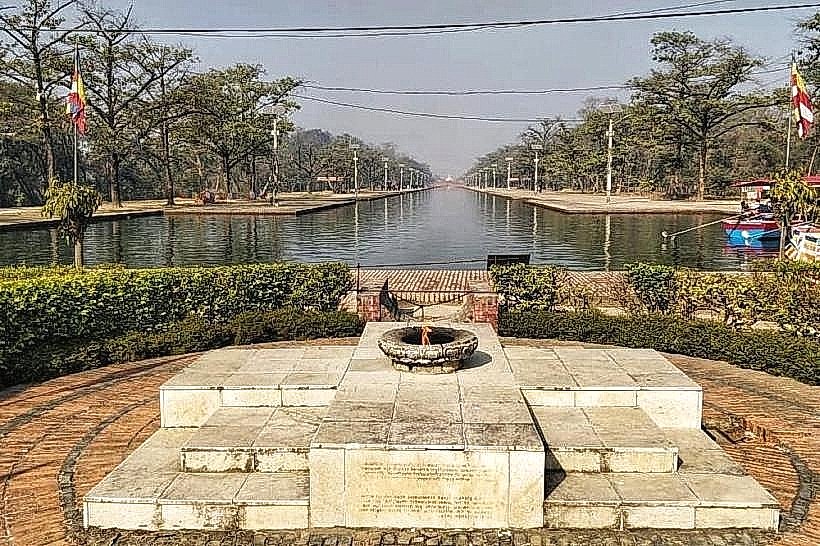
Eternal Peace Flame (1.5km South)
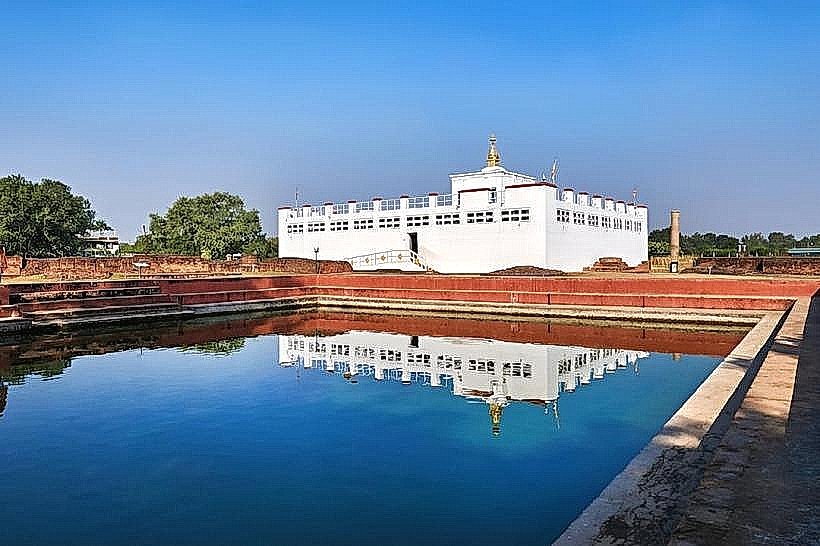
Maya Devi Temple (3.5km South)
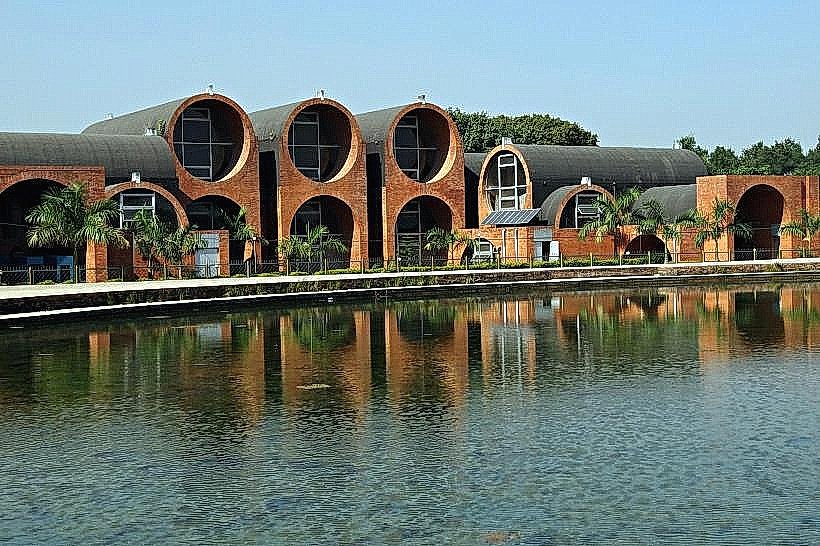
Lumbini Museum (2.5km Southeast)