Information
Landmark: Maya Devi TempleCity: Bhairahawa
Country: Nepal
Continent: Asia
Maya Devi Temple, Bhairahawa, Nepal, Asia
The Maya Devi Temple is the core of the UNESCO World Heritage Site at Lumbini, Nepal, identified as the birthplace of Siddhartha Gautama (the Buddha).
Visual Characteristics
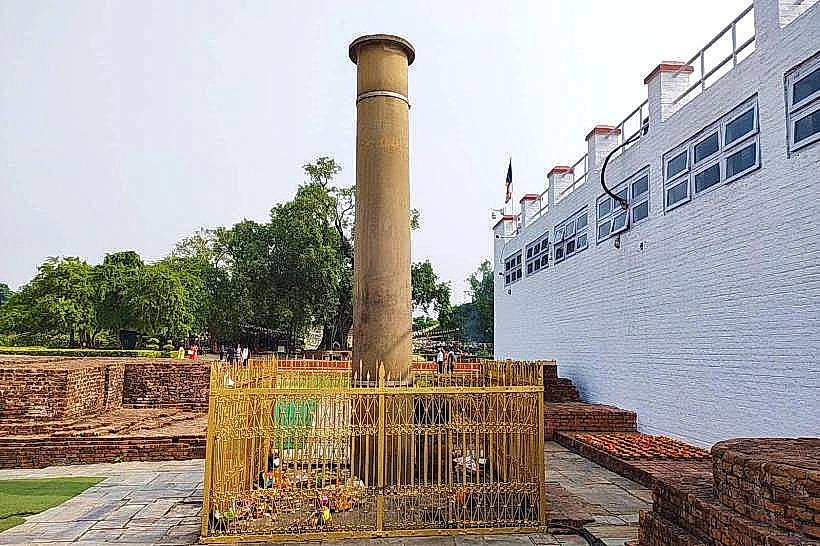
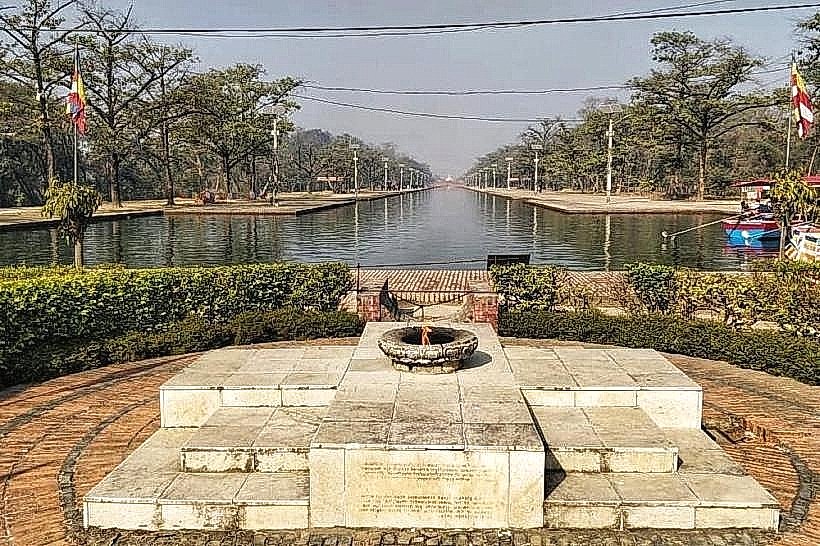
The current structure is a white, box-like protective pavilion built to preserve ancient archaeological ruins. Inside, a stone walkway allows visitors to look down onto brick foundations dating back to the 3rd century BCE. The exterior is surrounded by the Sacred Garden, featuring the Ashoka Pillar, the Puskarni Pool (Sacred Pond), and a vast field of ancient stupa foundations.
Location & Access Logistics
Address: तौलिहवा रोड, Lumbini Sanskritik 32900, Nepal.
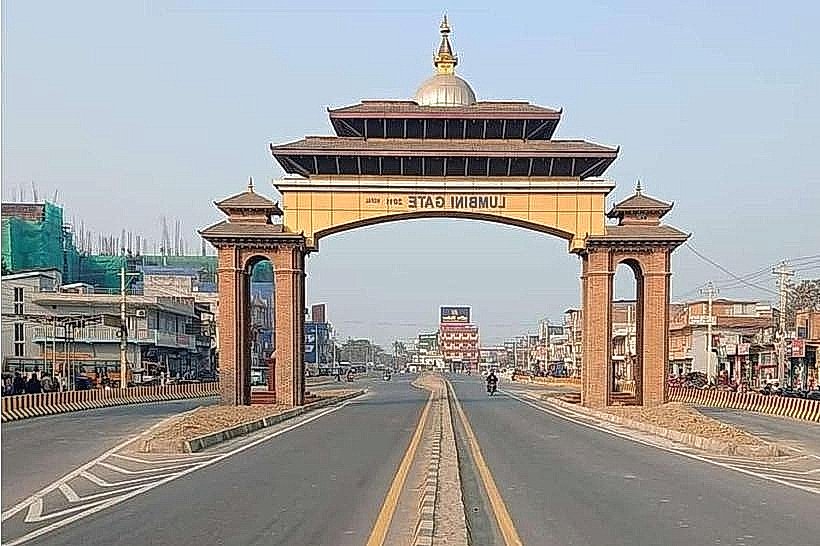
Access: Located at the southern end of the Lumbini Monastic Zone. It is approximately 1.5km from the Lumbini Gate.
Transport: Accessible by foot, bicycle, or electric rickshaw from the Lumbini bazaar. The site is approximately 22km from Bhairahawa.
Hours: Open daily from 05:00 to 20:00.
Historical & Archaeological Significance
The temple houses the Marker Stone, which pinpoints the exact spot of the Buddha's birth in 623 BCE. The site also contains a 2,200-year-old sandstone slab depicting the birth of Buddha. Outside stands the Ashoka Pillar, erected by Emperor Ashoka in 249 BCE, inscribed with evidence of his pilgrimage to the site.
Key Highlights & Activities
Sacred Pond (Puskarni): The pool where Queen Maya Devi is believed to have bathed before giving birth and where the infant Buddha had his first purification bath.
Ashoka Pillar: Viewing the historic Brahmi inscription that confirms the site as the Buddha's birthplace.
Meditation: The surrounding gardens under the Bodhi tree are primary sites for silent meditation by pilgrims and monks.
Archaeological Ruins: Observing the layers of brickwork representing different eras of Buddhist architecture.
Infrastructure & Amenities
The site is a strictly controlled spiritual zone. Visitors must remove shoes before entering the temple pavilion. The area has paved paths, informative signage in multiple languages, and basic seating. 4G cellular coverage is stable. Due to the high temperature in the Terai region, sun protection is advised for the outdoor garden sections.
Best Time to Visit
The winter months (November to February) offer the most comfortable temperatures. Early morning (05:00–07:00) provides a quiet atmosphere for meditation and avoids the large midday crowds and heat.
Nearby Landmarks
World Peace Flame: 1.0km North
Ashoka Pillar: 0.05km West (Adjacent)
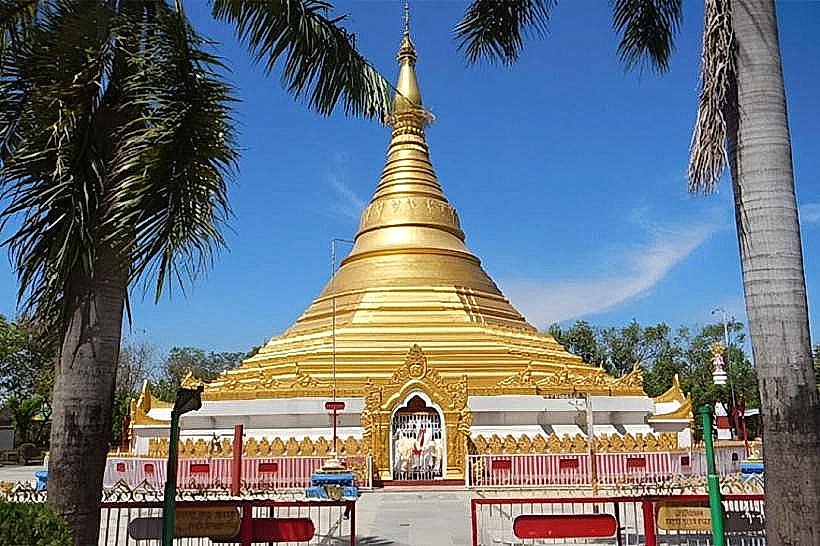
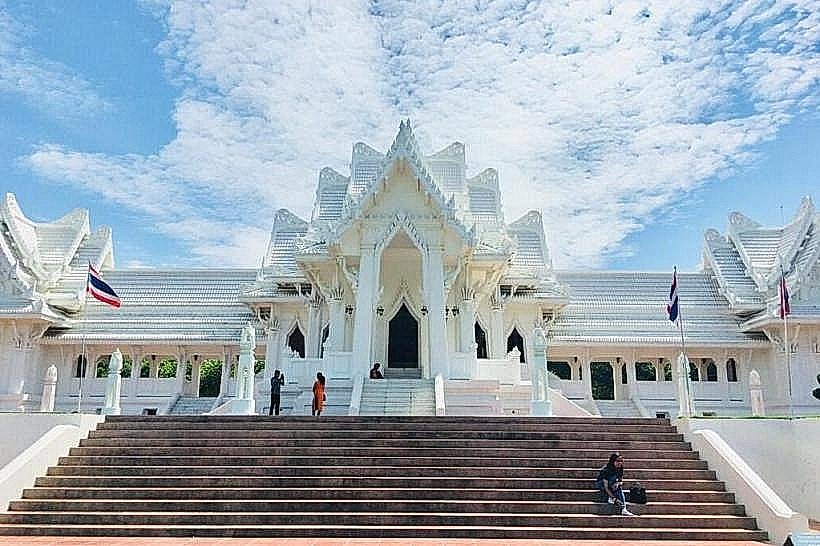
Lumbini Monastic Zone: Extends North from the temple
Bhairahawa (Airport): 22km East