Information
Landmark: Lumbini MuseumCity: Bhairahawa
Country: Nepal
Continent: Asia
Lumbini Museum, Bhairahawa, Nepal, Asia
Lumbini Museum
The Lumbini Museum is a specialized archaeological and cultural institution located within the Cultural Zone (northern section) of the Lumbini Monastic Site. It focuses on the preservation and display of artifacts recovered from the birthplace of the Buddha and the surrounding ancient sites.
Visual and Architectural Characteristics
The museum is housed in a distinctive vaulted brick structure designed by the Japanese architect Kenzo Tange in the 1970s. Its modernist design features curved, speaker-like shapes that blend into the natural landscape. In recent years, the museum has undergone a "reimagining" and restoration process led by architect Kris Yao to modernize the galleries and include a state-of-the-art Conservation Center.
Location & Access Logistics
Address: F7QG+MV9, Lumbini Sanskritik 32914, Nepal.
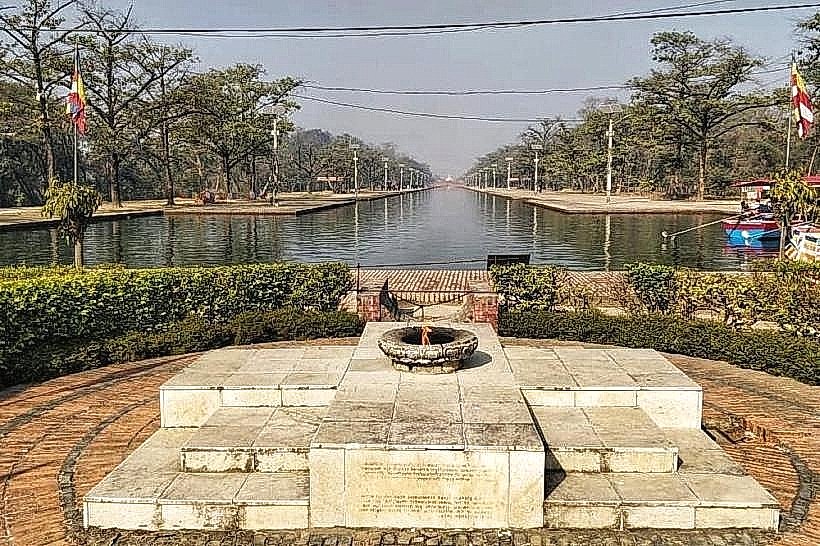
Access: Located at the northern end of the Central Canal, approximately 1.5km north of the Maya Devi Temple.
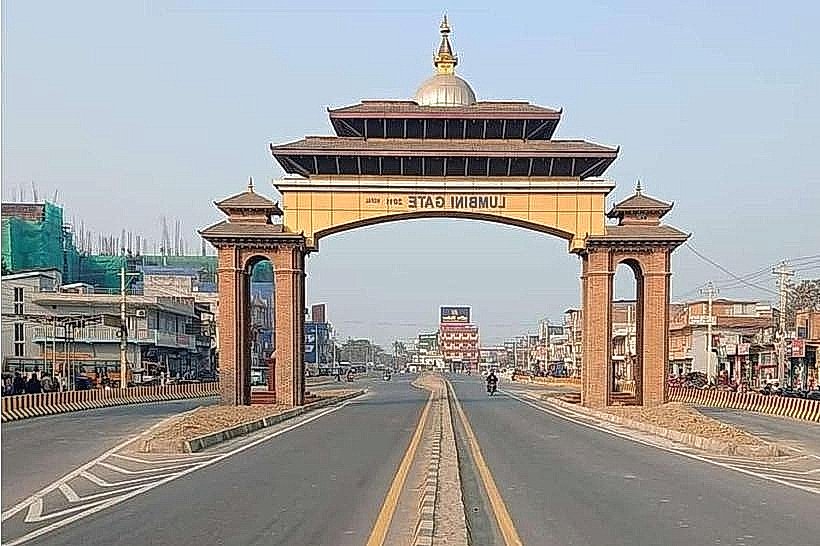
Transport: Easily accessible by foot or bicycle from the Sacred Garden. Electric rickshaws from the Lumbini Gate take approximately 10 minutes.
Proximity: It stands directly opposite the Lumbini International Research Institute (LIRI).
Key Exhibits & Collection
The museum houses over 12,000 artifacts dating from the 6th century BCE to the 4th century CE.
Archaeological Finds: Mauryan and Kushana-era coins, terracotta figurines, and stone and metal sculptures.
Manuscripts: Ancient religious texts and scripts documenting the history of Buddhism.
Life of Buddha: Exhibits detailing the life of Siddhartha Gautama and the evolution of Buddhist iconography.
Global Collection: A collection of stamps from around the world that feature Lumbini and the Buddha.
Infrastructure & Amenities
The facility includes exhibition halls, a library, and a newly inaugurated Conservation Center (2024/2025) equipped with diagnostic tools for restoring stone and terracotta relics. Amenities include an orientation room and a small gift shop. 4G cellular coverage is excellent. Note that photography is often restricted inside the main artifact galleries.
Best Time to Visit
Hours: Generally open 10:00 to 17:00.
Closed: Historically closed on Tuesdays and during major public holidays.
Visit Duration: Recommended 1–2 hours to view the main collections.
Entry Fees (Current 2026 Rates)
Nepali Citizens: NPR 20
SAARC Nationals: NPR 50–400 (varies by country/type)
Other Foreigners: NPR 700 (standard development/museum fee)
Nearby Landmarks
Lumbini International Research Institute: 0.1km East
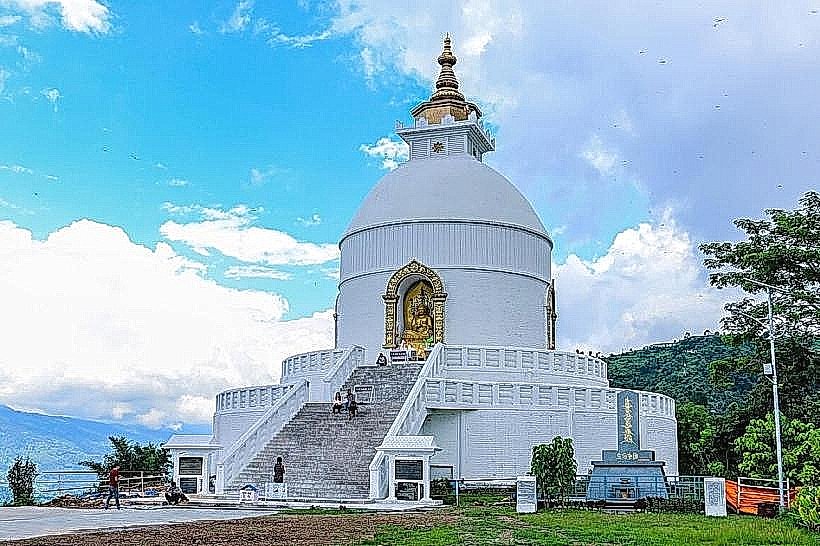
World Peace Pagoda: 1.1km North
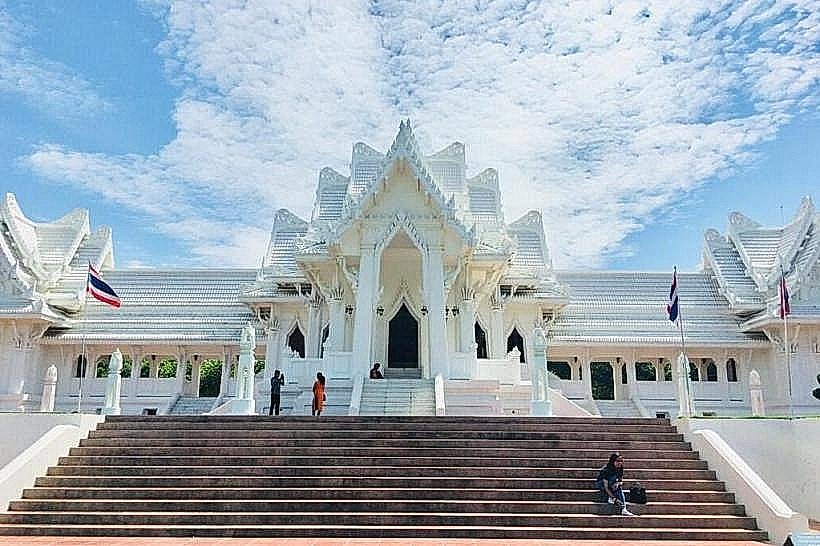
Royal Thai Monastery: 0.8km South
Maya Devi Temple: 1.5km South (via Central Canal)