Information
Landmark: Kapilvastu (Tilaurakot Ruins)City: Bhairahawa
Country: Nepal
Continent: Asia
Kapilvastu (Tilaurakot Ruins), Bhairahawa, Nepal, Asia
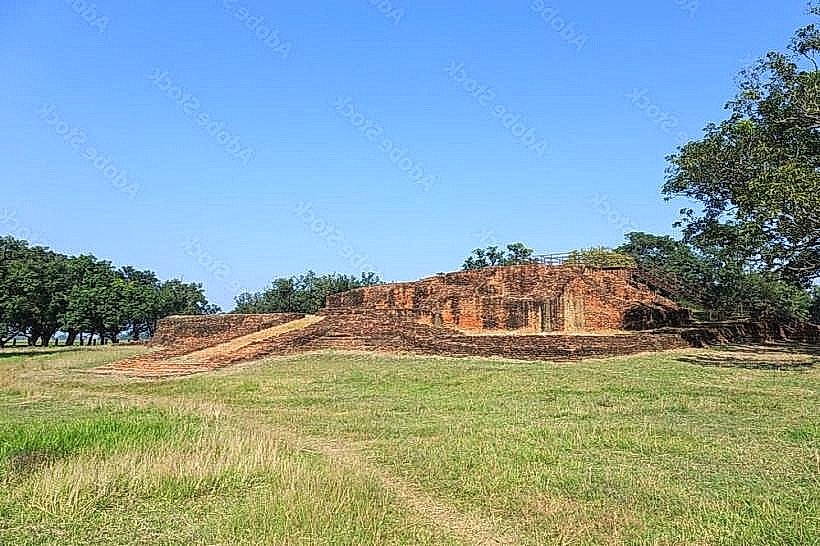
Kapilvastu (specifically the Tilaurakot ruins) is an archaeological site located in the Kapilvastu district of Nepal, approximately 27km west of Lumbini. It is identified by many historians and archaeologists as the ancient capital of the Shakya Kingdom, where Prince Siddhartha (Gautama Buddha) spent the first 29 years of his life.
Visual Characteristics
The site consists of a fortified citadel measuring approximately 500m by 400m, surrounded by a deep moat and brick fortification walls. The ruins are characterized by low-standing brick foundations of palaces, monasteries, and residential complexes. Key visual landmarks include the monumental Eastern Gate (Mahabhinishkramana Dwara), ancient brick-lined ponds, and a grid-patterned street system typical of early South Asian urban planning.
Location & Access Logistics
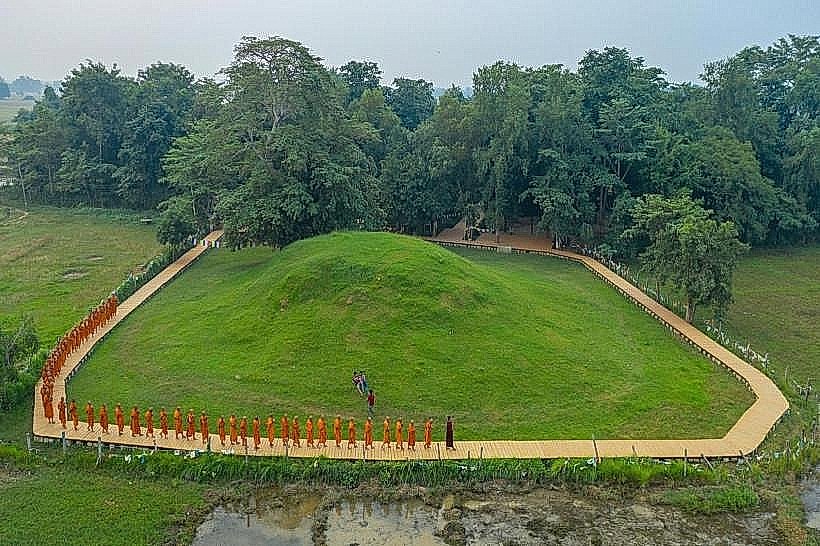
The ruins are situated near the town of Taulihawa. Access from Lumbini is typically via private vehicle or taxi (approx. 45–60 minute drive). As of 2026, the site features modern non-intrusive wooden walkways that allow visitors to traverse sensitive archaeological zones without damaging the remains. The Kapilvastu Museum, located near the entrance, houses artifacts recovered from the site, including terracotta figurines and ancient coins.
Historical & Ecological Origin
Tilaurakot's history dates back to the 8th–6th century BCE. It was a planned city with timber palisades later replaced by clay and brick ramparts. The site was "lost" for centuries and reclaimed by the subtropical Terai forest until its rediscovery in 1899 by P.C. Mukherji. Recent excavations (2024–2026) have utilized geophysical surveys to uncover a central administrative complex and a semi-circular temple, strengthening the case for its identity as the historical Kapilvastu.
Key Highlights & Activities
The Eastern Gate: The symbolic location where Prince Siddhartha is said to have departed on his horse, Kanthaka, to seek enlightenment.
Samai Mai Temple: A living shrine located within the ruins, where locals offer small terracotta elephants to a goddess.
Kanthaka Stupa: A memorial stupa located outside the eastern gate, dedicated to the Buddha’s horse.
Active Excavations: Visitors can often observe ongoing archaeological work led by the Department of Archaeology and international teams.
Infrastructure & Amenities
The site is largely an open-air archaeological park. Infrastructure includes basic restrooms, a visitor center, and informational signage. 4G/5G cellular coverage is available. Due to the high heat of the Terai region, there are several shaded pavilions and large ancient trees (Banyan and Pipal) throughout the compound.
Best Time to Visit
The peak season is from October to March. Early morning visits are recommended to avoid high temperatures and to witness local rituals at the Samai Mai Temple. The site hosts an annual Tilaurakot-Kapilavastu Heritage Festival (typically in February), featuring local Awadhi culture and archaeological exhibitions.
Facts & Legends
A major historical debate exists between Tilaurakot in Nepal and Piprahwa in India regarding which site is the "true" Kapilvastu. Recent carbon dating and the discovery of a sophisticated urban grid at Tilaurakot have provided substantial support for the Nepalese site. In July 2025, Nepal's bid for Tilaurakot to become a UNESCO World Heritage Site was deferred due to technical requirements for further evidence; as of 2026, renewed excavations are specifically targeting these requirements for a future resubmission.
Nearby Landmarks
Kudan (Nigrodharama): (2km South) The site where Buddha met his father after enlightenment.
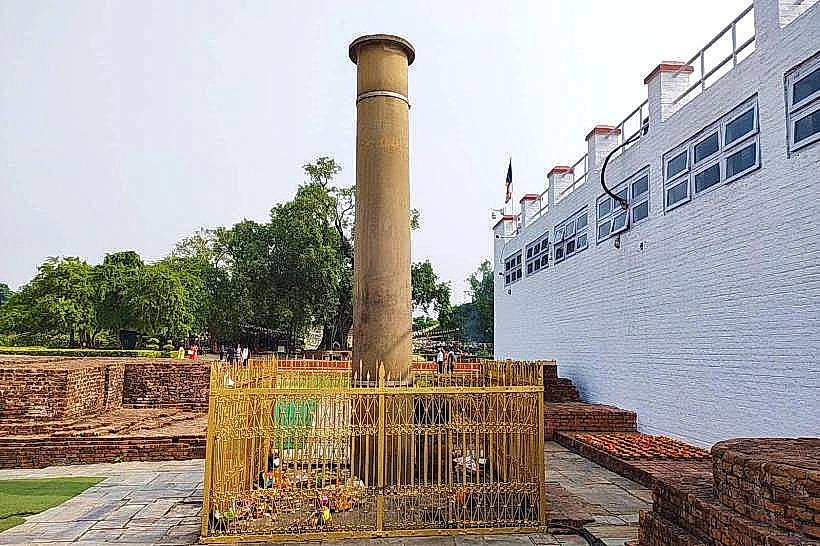
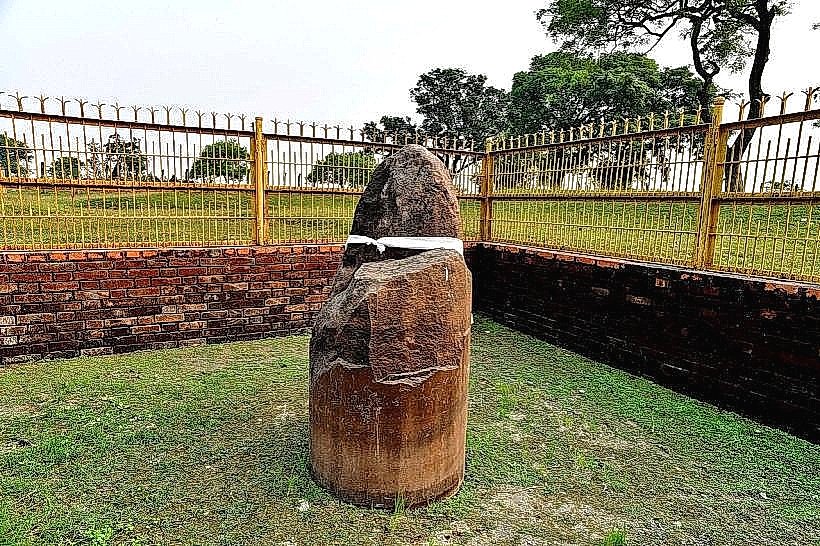
Gotihawa: (5km Southwest) The birthplace of Kakusandha Buddha, marked by an Ashokan Pillar.
Niglihawa: (7km Northeast) The birthplace of Kanakmuni Buddha, featuring another Ashokan Pillar fragment.
Sagarhawa: (12km North) The site of the historic massacre of the Shakyas.
Lumbini Sacred Garden: (27km East)