Information
Landmark: Ramagrama StupaCity: Bhairahawa
Country: Nepal
Continent: Asia
Ramagrama Stupa, Bhairahawa, Nepal, Asia
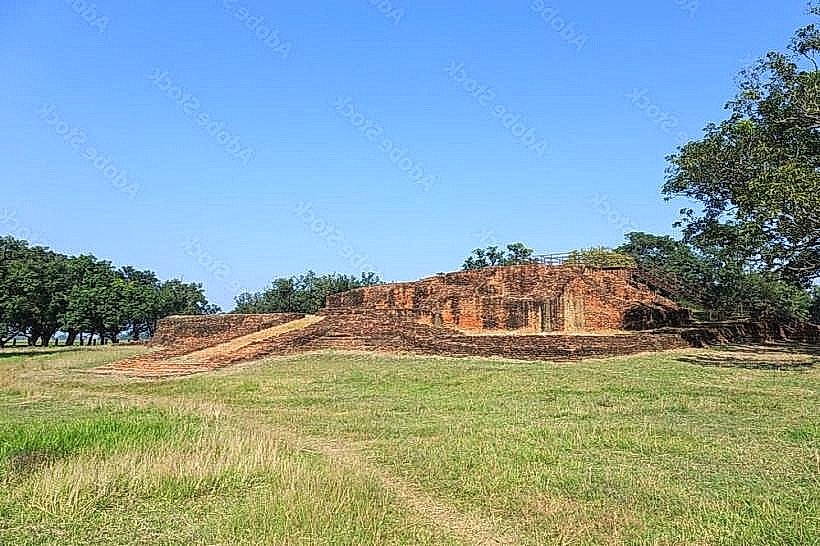
Ramagrama Stupa is an archaeological site located in the Parasi district of Nepal, approximately 50km east of Lumbini. It is the only undisturbed original stupa containing the bodily relics of Gautama Buddha.
Visual Characteristics
The site is a large, grass-covered earthen mound, approximately 7 meters high and 27.5 meters in diameter. Unlike other major Buddhist sites, it has not been fully excavated or encased in modern marble or concrete, appearing as a natural hillock topped by a massive ancient Bodhi tree. The mound is surrounded by a brick-paved path and a protective fence. The underlying structure consists of fired bricks from the Mauryan, Kushan, and Gupta periods.
Location & Access Logistics
Position: Located in Ujjaini village, Nawalparasi district.
Access: Accessible via a 1.5-hour drive from Lumbini or 45 minutes from Bhairahawa. The road is paved until the final village approach.
Entry: Open access; managed by the Lumbini Development Trust.
Historical & Ecological Origin
According to Buddhist tradition, after Buddha’s Mahaparinirvana, his relics were divided into eight portions. The Koliyas of Ramagrama received one portion and enshrined it here in 483 BCE. When Emperor Ashoka later attempted to open the eight stupas to redistribute the relics into 84,000 smaller stupas, he was stopped at Ramagrama. Legend states that the Dragon King (Naga) guarding the stupa refused to allow the relics to be disturbed. Consequently, this remains the only "eighth" stupa left in its original state.
Key Highlights & Activities
The Mound: The primary object of veneration; visitors perform circumambulation (Kora).
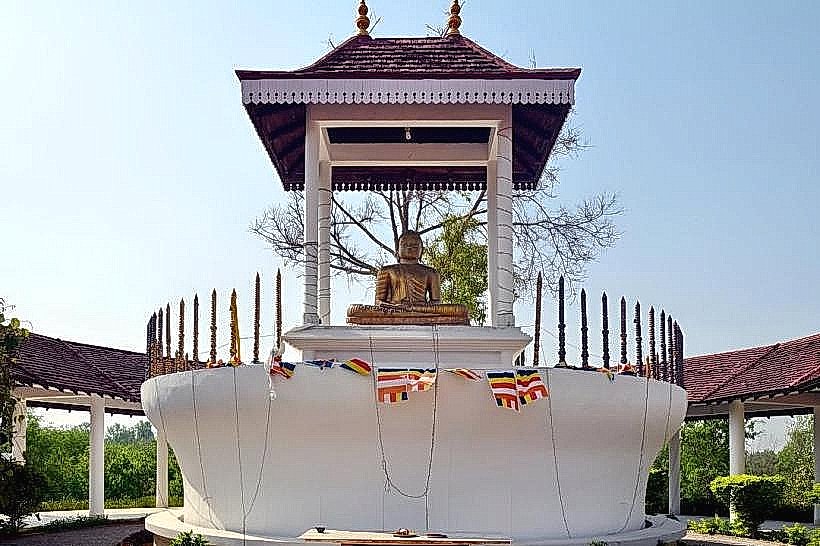
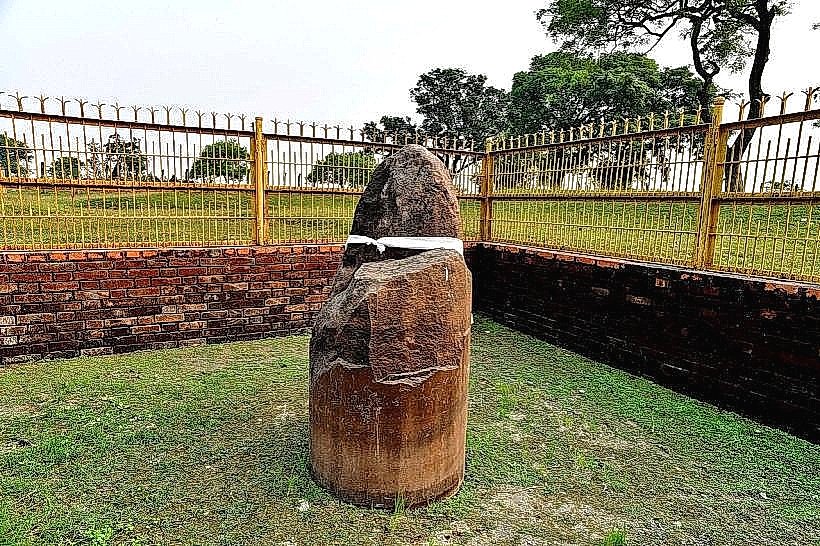
Naga Statues: Modern shrines near the stupa commemorate the legend of the protective serpent deities.
Meditation: The site is significantly quieter and less commercialized than Lumbini, making it a preferred location for serious practitioners.
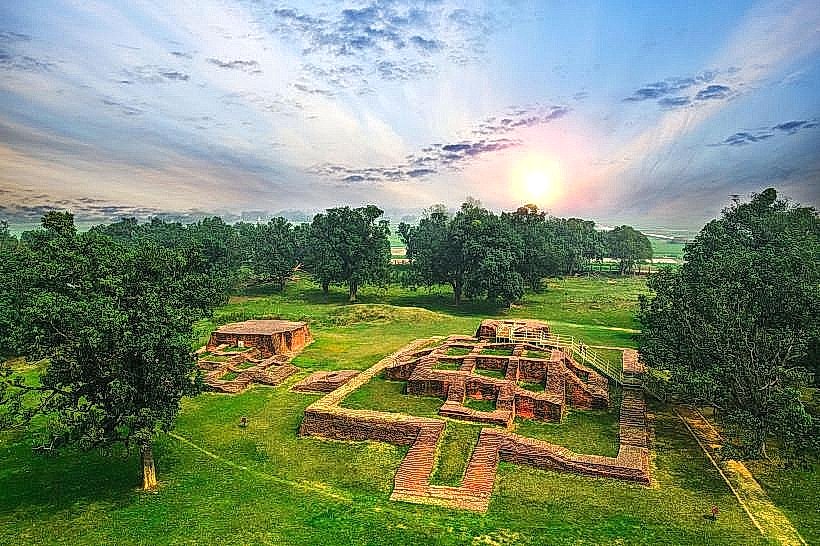
Archaeological Survey: Visitors can see the remains of a monastic complex (Vihara) and a pond located a short distance from the main mound.
Infrastructure & Amenities
Infrastructure is minimal. A small visitor center and a few benches are provided. There are no large cafes or hotels in the immediate vicinity; visitors are advised to carry water and food. 4G cellular signals are generally available. The site is characterized by open agricultural plains and a nearby river, which provides a cooling breeze.
Best Time to Visit
The winter months (November to February) are optimal. Visiting during the morning hours allows for a peaceful atmosphere before local village activity increases. The site is particularly significant during Buddha Purnima (May), though the heat can be extreme during that period.
Facts & Legends
A verified archaeological fact is that geophysical surveys (non-invasive) have confirmed the existence of a massive monastic city buried beneath the surrounding fields. The preservation of the stupa is attributed to the local belief in the "Nagas," which discouraged tomb raiders and later kings from disturbing the mound.
Nearby Landmarks
Bhairahawa (Gautam Buddha Airport) (35km West)
Lumbini Sacred Garden (50km West)
Triveni Dham (40km Southeast - a major Hindu pilgrimage site)
Devdaha (25km West)