Information
Landmark: Bajrayogini TempleCity: Kathmandu
Country: Nepal
Continent: Asia
Bajrayogini Temple, Kathmandu, Nepal, Asia
Bajrayogini Temple is a major Hindu-Buddhist tantric site located on a wooded hill above the ancient town of Sankhu, approximately 20 kilometers northeast of Kathmandu. It is one of the most powerful "Power Places" (Pithas) in the valley, dedicated to the Buddhist deity Vajrayogini and her Hindu equivalent.
Visual Characteristics
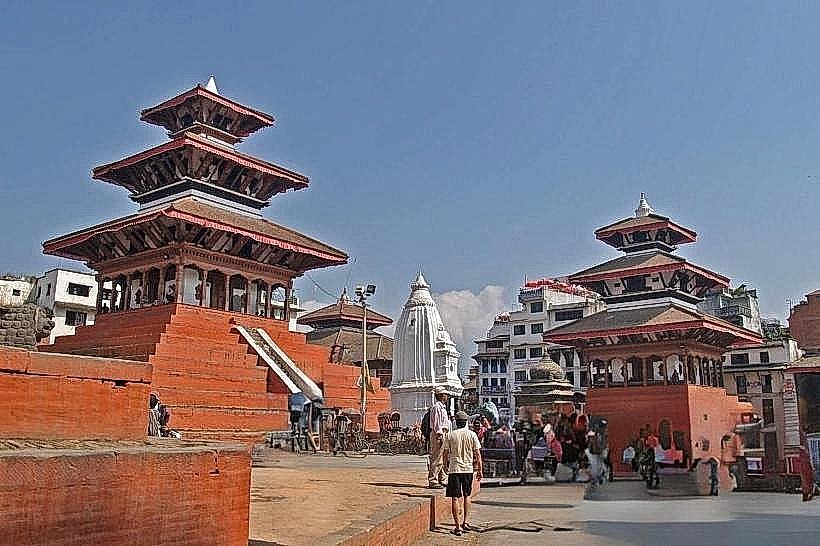
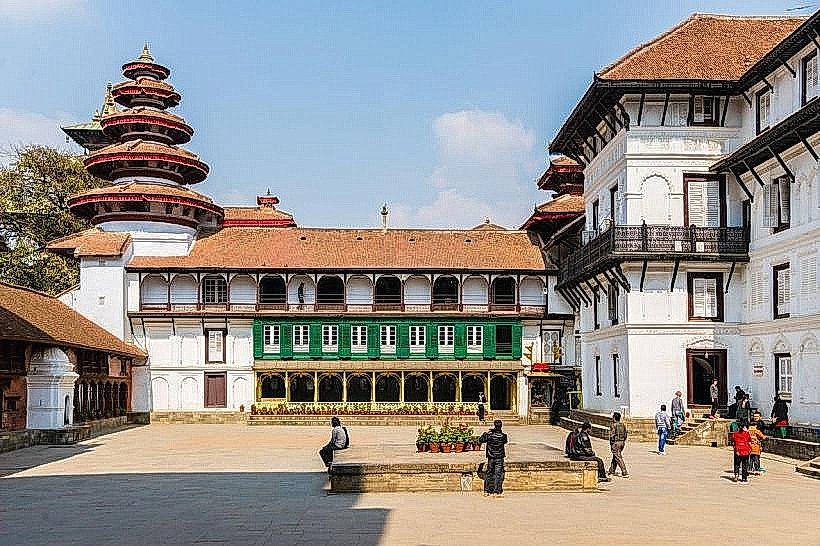
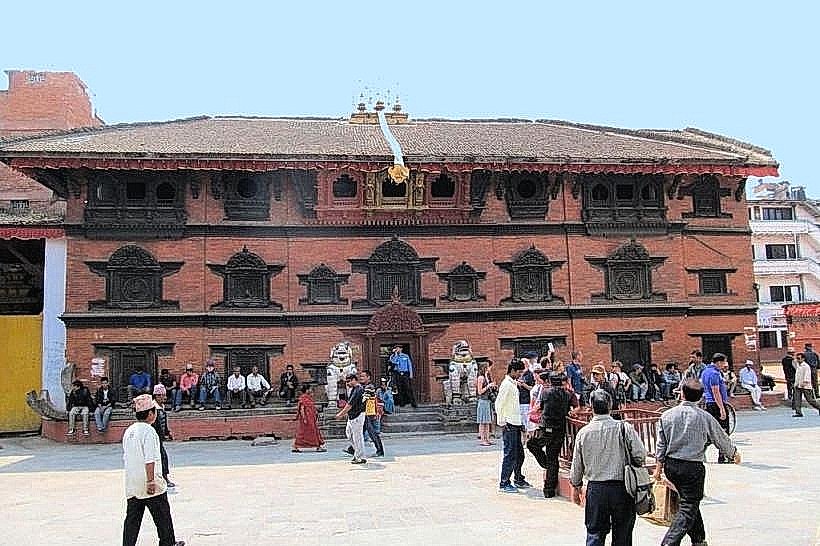
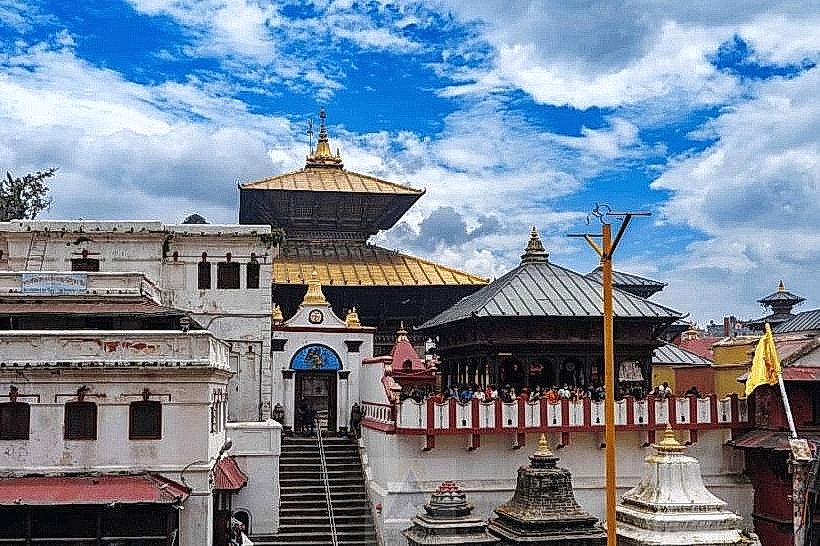
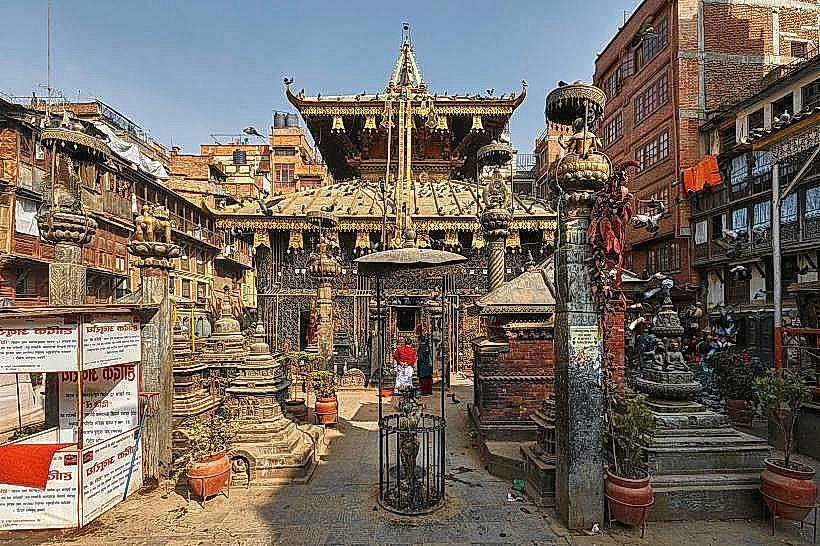
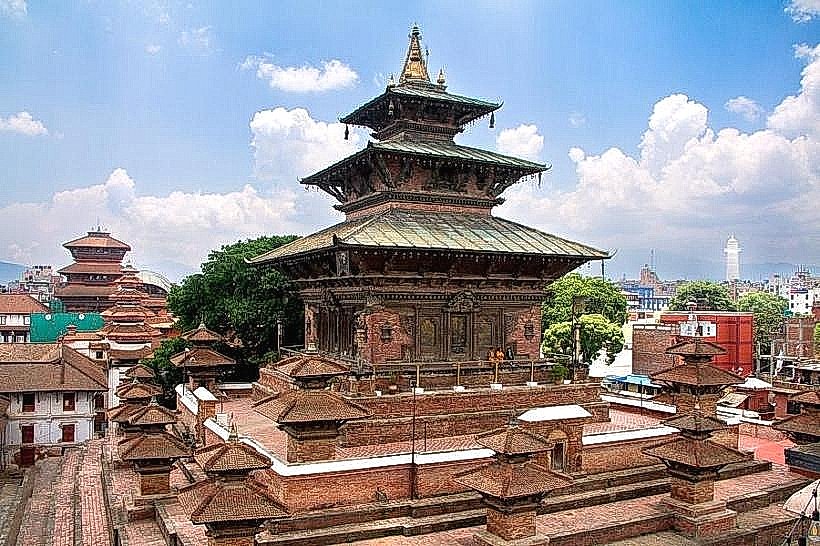
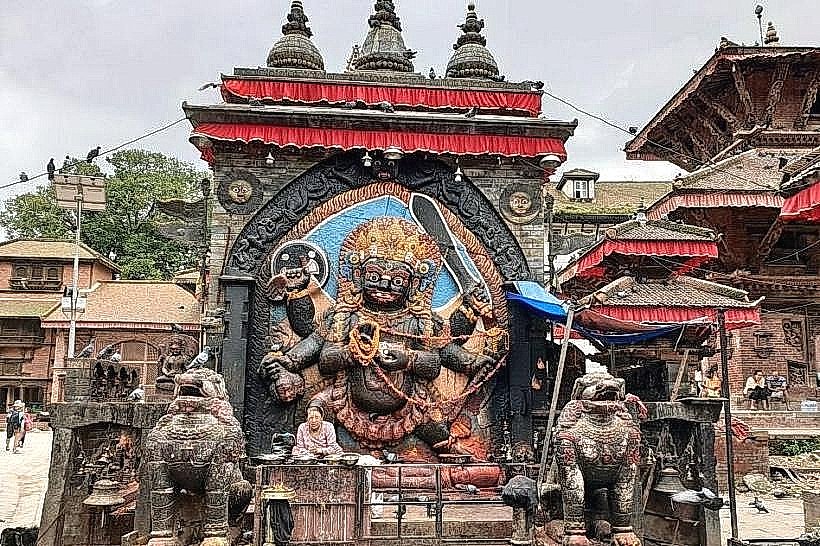
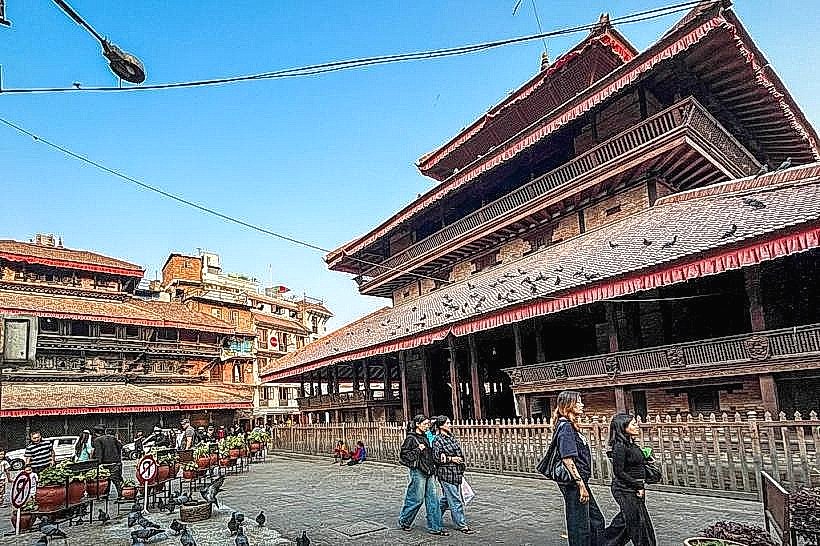
The temple complex is a masterpiece of Newari craftsmanship. The main structure is a three-tiered pagoda featuring gilded roofs and intricate woodcarvings on its struts and doorways. The temple is surrounded by several smaller shrines, a large stone-paved courtyard, and a unique two-story building that houses the temple's guardian deities. The approach to the temple involves a steep, ancient stone staircase consisting of hundreds of steps through a dense forest.
Location & Access Logistics
Address: Sankhu, Shankharapur 44600, Nepal.
Transport: A 60–90 minute drive from Thamel. Local buses depart from Ratna Park or Chabahil to Sankhu, followed by a 20–30 minute uphill walk from the town center.
Entry Fee: Generally free, though donations for temple maintenance are common.
Hours: Active worship occurs from 05:00 to 18:00 daily.
Historical & Spiritual Significance
The current temple was built in 1655 AD by King Pratap Malla, though the site’s history dates back thousands of years.
Buddhist Tradition: It is identified as the site where the "Ever-Burning Fire" of the Kathmandu Valley was once kept. It is a central site for the Vajrayana tradition, specifically for the practice of the "Red Goddess" Vajrayogini.
Hindu Tradition: Hindus revere the deity as a form of Durga or Kali.
The Sankhu Connection: The temple is the focal point of the month-long Salinadi Mela festival and the annual Bajrayogini Jatra, where the deity's idol is carried in a chariot down to Sankhu.
Key Highlights & Activities
The Main Icon: A red-faced, three-eyed statue of Vajrayogini, highly restricted from photography.
Stone Inscriptions: The courtyard contains ancient Licchavi-era stone inscriptions and sculptures.
Caves: Several small meditation caves are located in the surrounding forest, traditionally used by tantric practitioners and yogis.
Sacred Spring: A natural spring near the temple is used for ritual purification.
Infrastructure & Amenities
The base of the hill in Sankhu has numerous shops and local eateries. The temple area itself is quiet, with basic resting spots. 4G/5G cellular signals are stable. Visitors should be prepared for a physically demanding climb and are expected to remove leather items before entering the inner sanctum.
Best Time to Visit
The early morning is the most atmospheric time to visit. The Bajrayogini Jatra (typically in April) is the peak cultural event. Avoid visiting during heavy monsoon rains as the stone steps become extremely slippery.
Nearby Landmarks
Sankhu (Ancient Newari Town): 1.0km South
Nagarkot: 10km East (connected via a hiking trail)
Salinadi River: 1.5km South
Changu Narayan Temple: 10km Southwest