Information
Landmark: Gotihawa (Ashoka Pillar)City: Bhairahawa
Country: Nepal
Continent: Asia
Gotihawa (Ashoka Pillar), Bhairahawa, Nepal, Asia
Gotihawa is an archaeological site located approximately 4km southeast of Taulihawa and 30km west of Lumbini. It is identified as the birthplace of Kakusandha Buddha, the first Buddha of the current kalpa (aeon).
Visual Characteristics
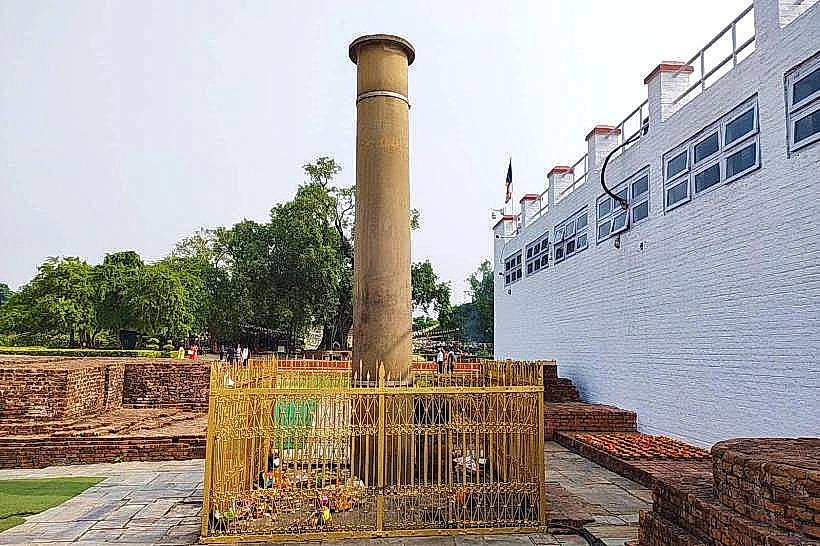
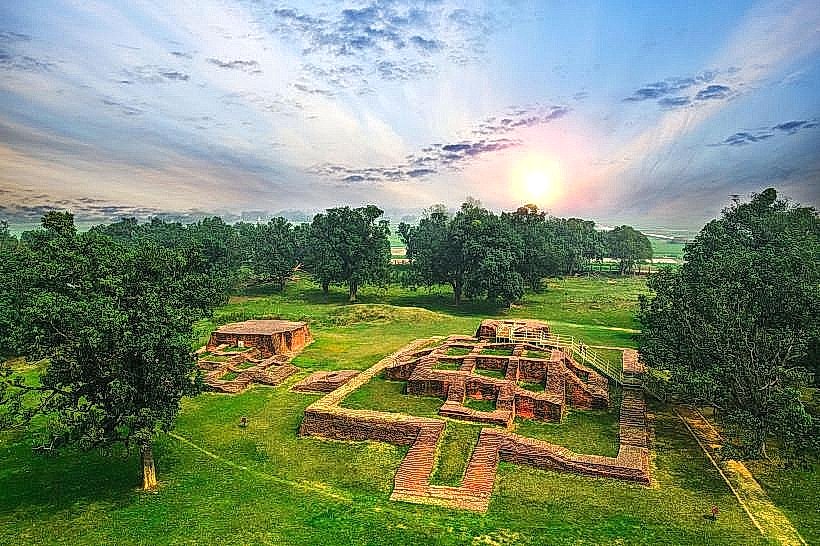
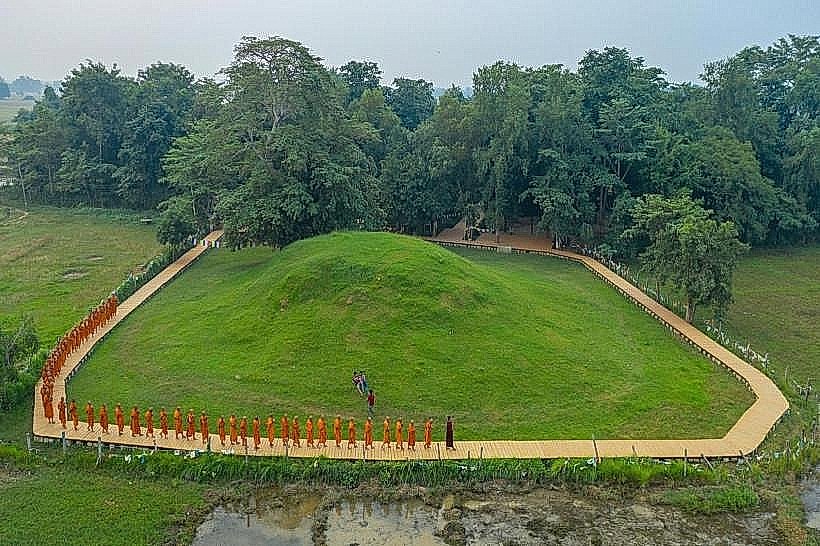
The site is centered on the lower portion of a monolithic Ashoka Pillar, made of polished Chunar sandstone. The pillar is broken; the upper section and the capital are missing. It stands within a circular brick enclosure at the center of a large, flat archaeological mound. A sacred ancient pond lies immediately to the west of the pillar. The surrounding landscape consists of rural agricultural fields and small clusters of native trees.
Location & Access Logistics
Position: Kapilvastu District, Nepal.
Access: Accessible via unpaved roads from Taulihawa. Requires a private vehicle, taxi, or motorcycle from Lumbini (approx. 1-hour drive).
Entry: Open access; managed by the Department of Archaeology, Nepal.
Historical & Ecological Origin
The pillar was erected by Emperor Ashoka in the 3rd century BCE to mark the birthplace of Kakusandha Buddha. Archaeological excavations have revealed that the pillar was placed adjacent to a much older stupa. Evidence of human habitation at the site dates back to the 6th century BCE, with findings of Northern Black Polished Ware (NBPW). The site is situated on the alluvial plains of the Terai, where the high water table maintains the water level in the ancient pond year-round.
Key Highlights & Activities
The Ashoka Pillar: The primary focal point for archaeological and religious interest.
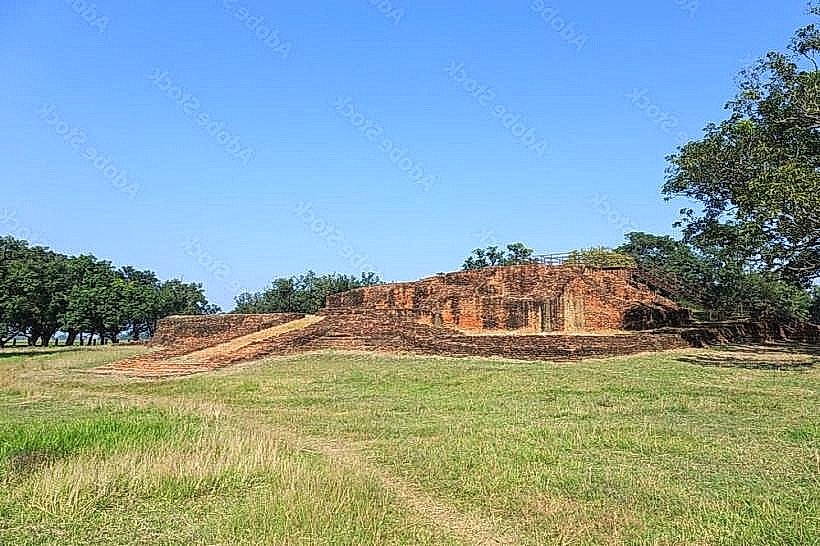
The Stupa Remains: Large brick foundations surrounding the pillar, indicating a major religious center in antiquity.
Votive Offerings: Local villagers and international pilgrims frequently offer flowers and light incense at the base of the pillar.
Infrastructure & Amenities
Infrastructure is sparse. The site is fenced to protect the pillar, but there are no visitor centers, public restrooms, or commercial facilities. 4G cellular signals are functional but may be weak. Natural shade is available under nearby Pipal trees.
Best Time to Visit
November through February provides the most suitable climate. Mid-afternoon visits offer optimal lighting for observing the texture and polish of the Ashoka Pillar.
Facts & Legends
According to the 5th-century Chinese pilgrim Faxian and the 7th-century pilgrim Xuanzang, Gotihawa was a thriving pilgrimage site with a stupa containing the relics of Kakusandha Buddha. A verified archaeological detail is that the pillar remains in its original in-situ location, unlike the Niglihawa pillar, which was moved from its original site.
Nearby Landmarks
Kudan (Nigrodharama) (4km Northeast)
Tilaurakot (Kapilvastu) (6km North)
Niglihawa (10km North)
Lumbini Sacred Garden (30km East)