Information
Landmark: Vietnam Phat Quoc TuCity: Bhairahawa
Country: Nepal
Continent: Asia
Vietnam Phat Quoc Tu, Bhairahawa, Nepal, Asia
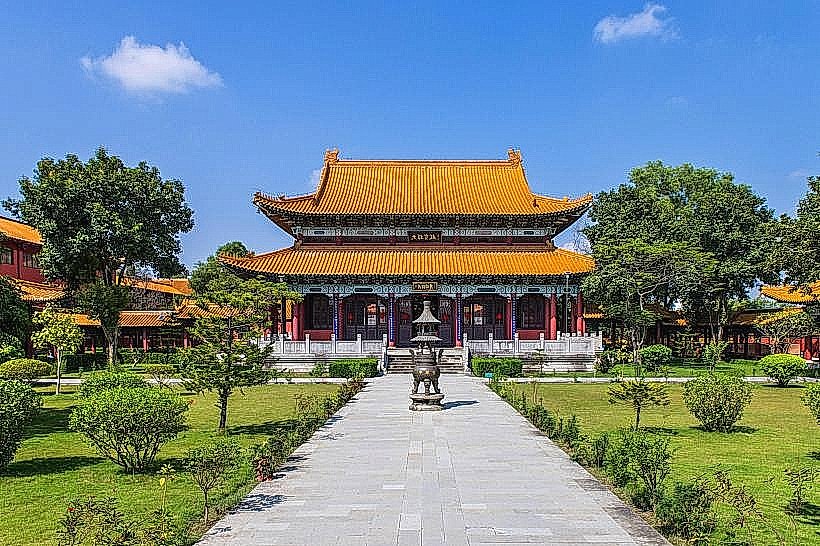
Vietnam Phat Quoc Tu is a prominent Vietnamese Buddhist monastery located in the West Monastic Zone of Lumbini, Nepal. It serves as the spiritual home for the Vietnamese Buddhist community in the birthplace of Buddha and is recognized for its unique blend of Vietnamese architectural styles and the surrounding natural landscape.
Visual Characteristics
The monastery is distinguished by its grand, multi-tiered curved roofs with traditional Vietnamese blue-green tiling. A unique visual highlight is the facade flanked by artificial mountains and rock formations, designed to mimic the scenic landscapes of northern Vietnam. The compound includes a replica of the famous One Pillar Pagoda (Chùa Một Cột) built at a 1:1 scale, and statues of water buffaloes and herders, evoking a traditional Vietnamese rural atmosphere.
Location & Access Logistics
The temple is situated in the West Monastic Zone of the Lumbini Development Trust area, approximately 22km from Bhairahawa.
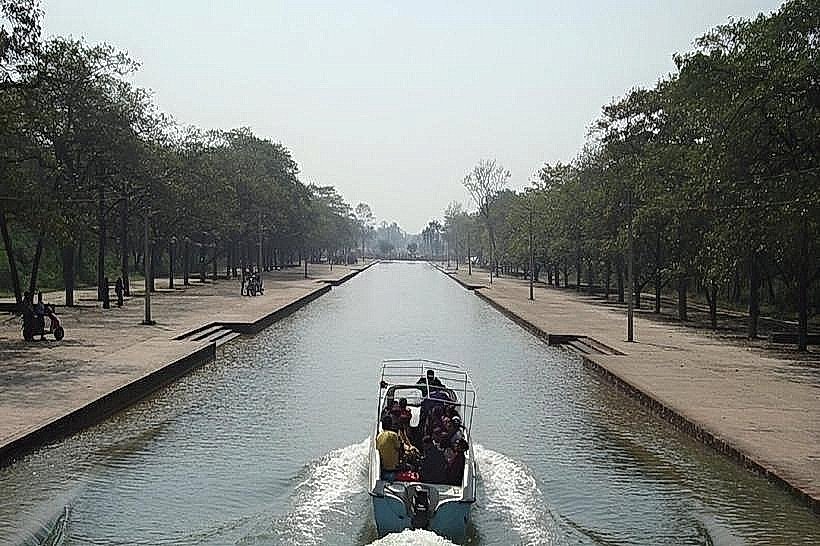
Access: It is easily reached via the Central Canal path. Most visitors use electric rickshaws or rented bicycles from the main Lumbini Gate.
Entry: Entrance is free of charge. Visitors are expected to dress modestly and remove shoes before entering the main prayer hall.
Historical & Ecological Origin
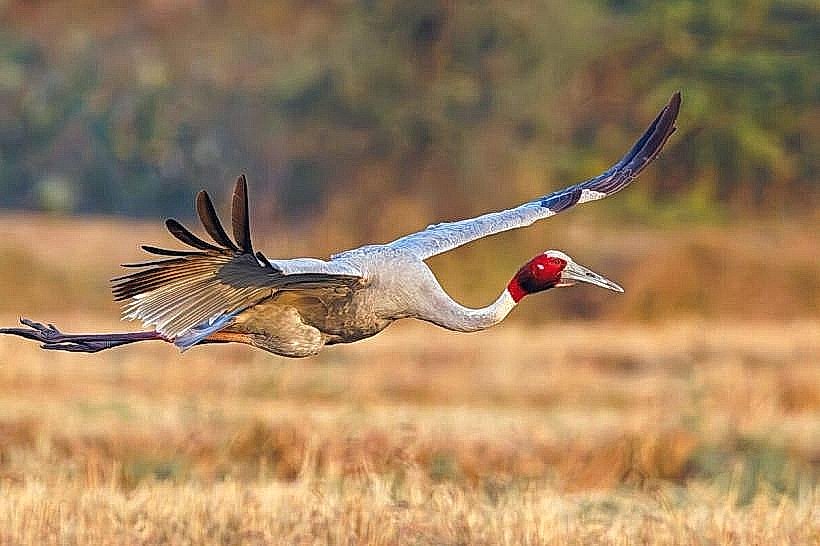
The monastery was founded by the Venerable Thich Huyen Dieu, who was instrumental in the revival of international interest in Lumbini during the late 20th century. It stands as a symbol of the diplomatic and spiritual friendship between Vietnam and Nepal. The grounds are known for their ecological hospitality; they are a frequent nesting site for rare Sarus Cranes, which are highly respected by the resident monks and considered a sign of "good land" in Vietnamese culture.
Key Highlights & Activities
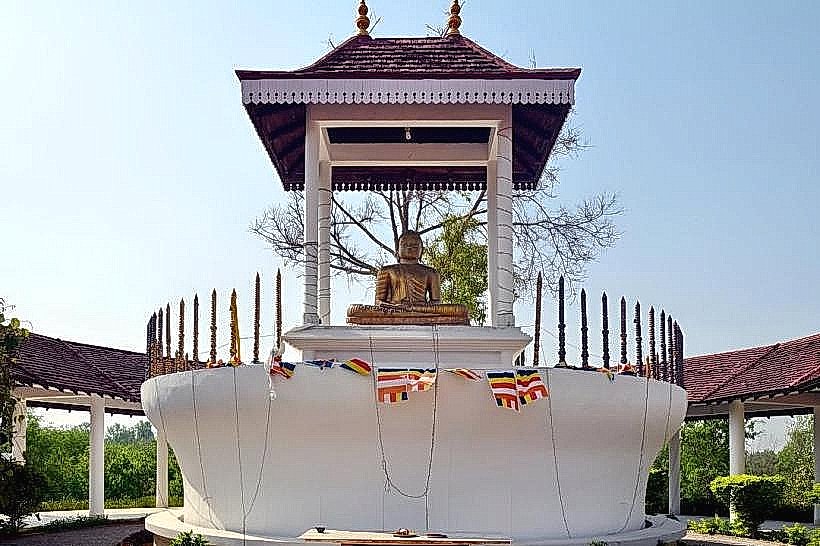
The Main Sanctuary: Houses a serene Buddha statue surrounded by intricate Vietnamese wood carvings and murals.
One Pillar Pagoda Replica: A significant architectural landmark within the gardens.
Vietnamese Map Bridge: A bridge designed in the shape of the Vietnamese coastline.
Meditation: The monastery provides a quiet environment for personal meditation and is often less crowded than the neighboring Chinese or Thai temples.
Infrastructure & Amenities
The facility includes a residential area for monks, a large dining hall, and basic guest facilities for visiting pilgrims. Public restrooms are located near the side entrance. Mobile connectivity (4G/5G) is stable in the gardens, though the thick masonry of the main hall may cause signal drops. Shaded walkways and stone benches are provided throughout the "mountain" garden area.
Best Time to Visit
The best time to visit is during the winter (November to February) to enjoy the outdoor gardens without extreme heat. Late afternoon is particularly scenic as the sunset highlights the golden ornaments on the roof tiers and the artificial mountain peaks.
Facts & Legends
A well-known local "legend" is that the Sarus Cranes specifically chose this monastery to reside in due to the peacefulness and the protective nature of the Vietnamese monks. Venerable Thich Huyen Dieu is often credited with "bringing the birds back" to Lumbini through his conservation efforts within the monastery grounds.
Nearby Landmarks
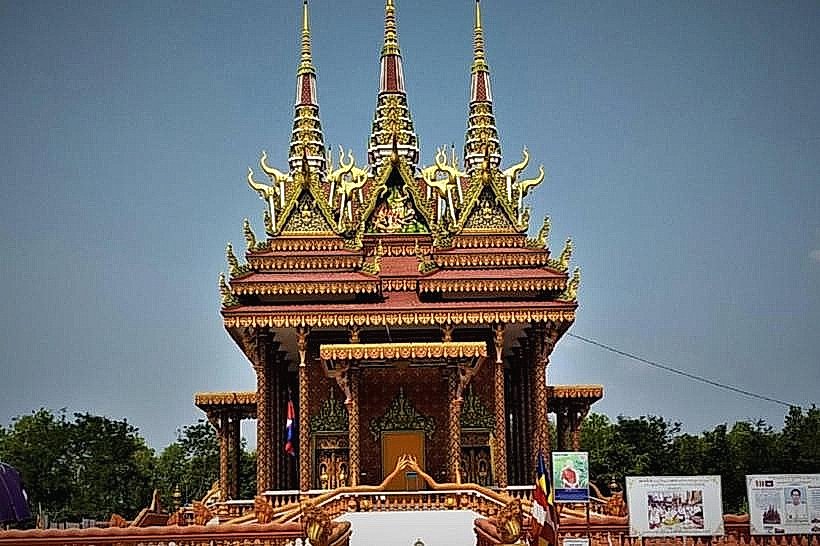
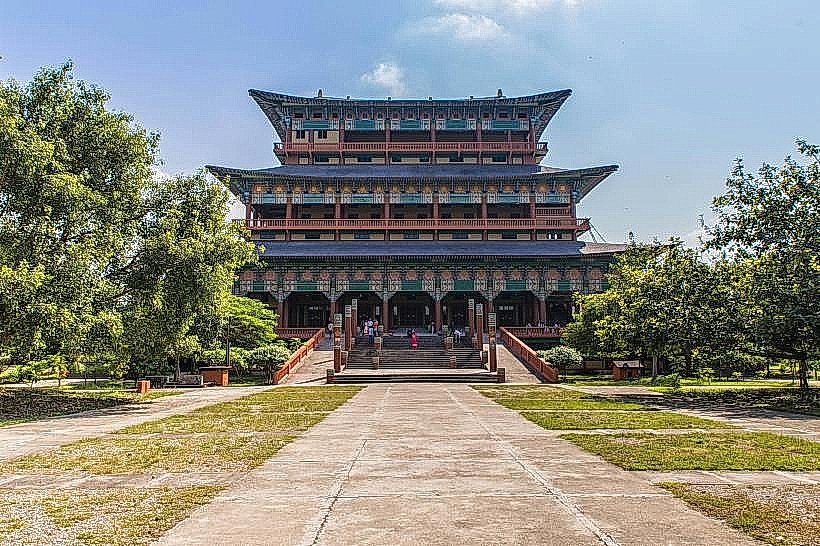
Korean Buddhist Temple (0.4km North)
Zhong Hua Chinese Buddhist Monastery (0.6km North)
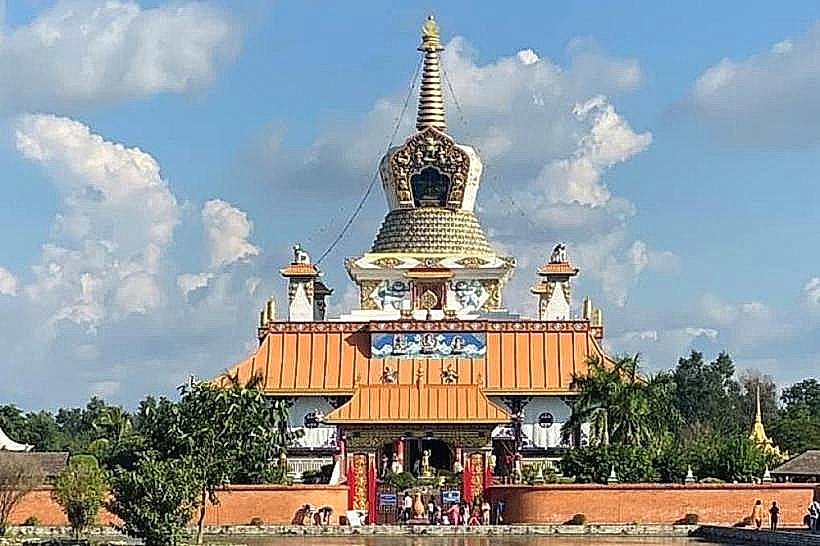
Austrian Monastery (Geden International) (0.3km West)
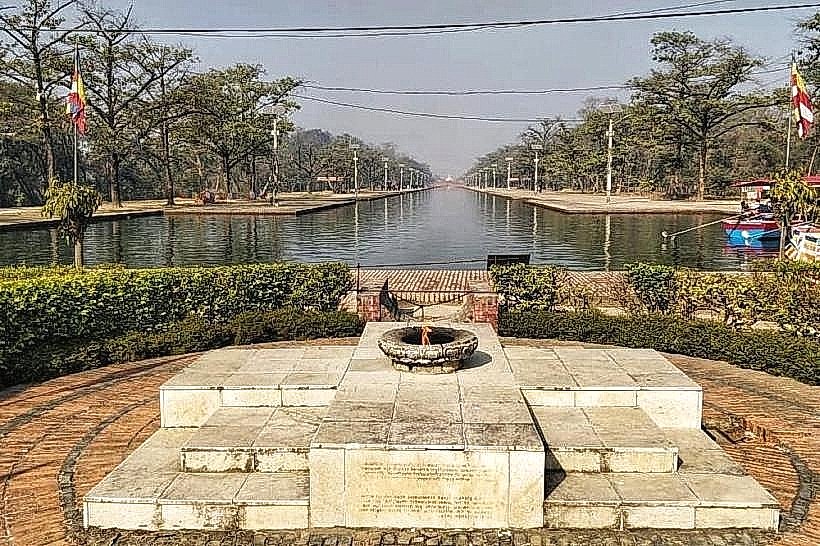
Eternal Peace Flame (1.0km South)
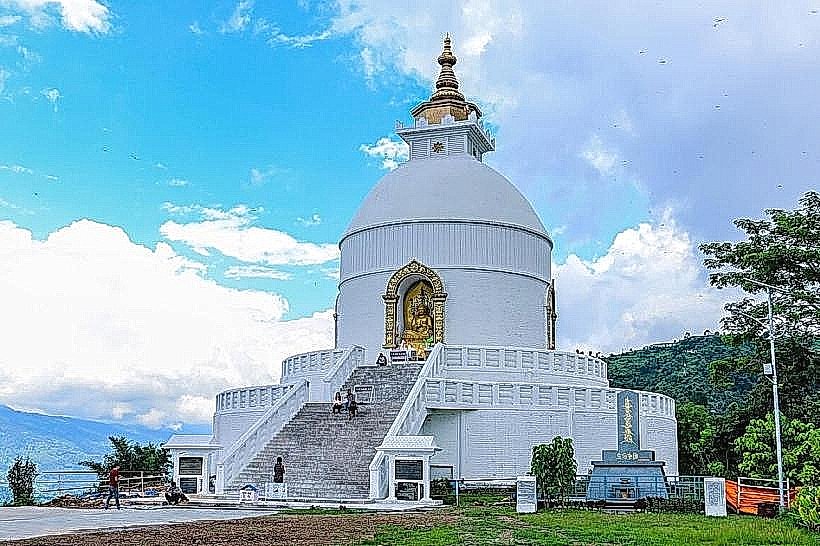
World Peace Pagoda (1.8km North)