Information
City: Santa MariaCountry: Cabo Verde
Continent: Africa
Santa Maria, Cabo Verde, Africa
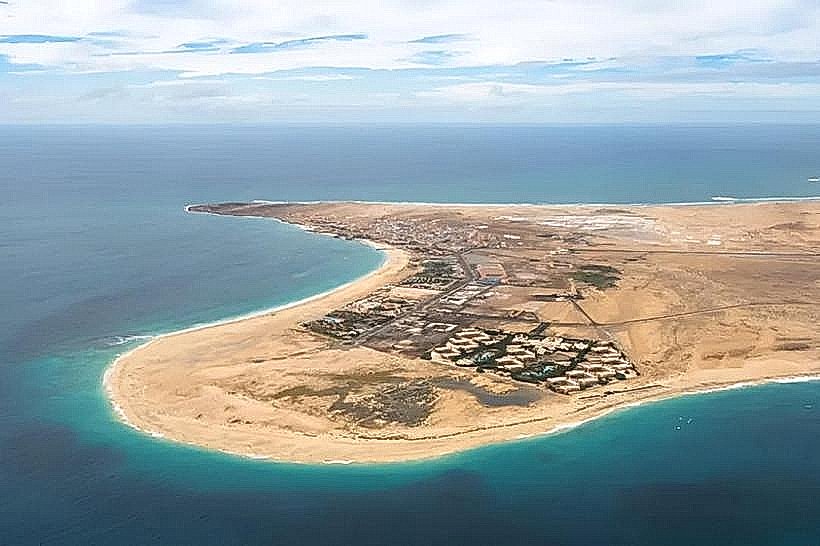
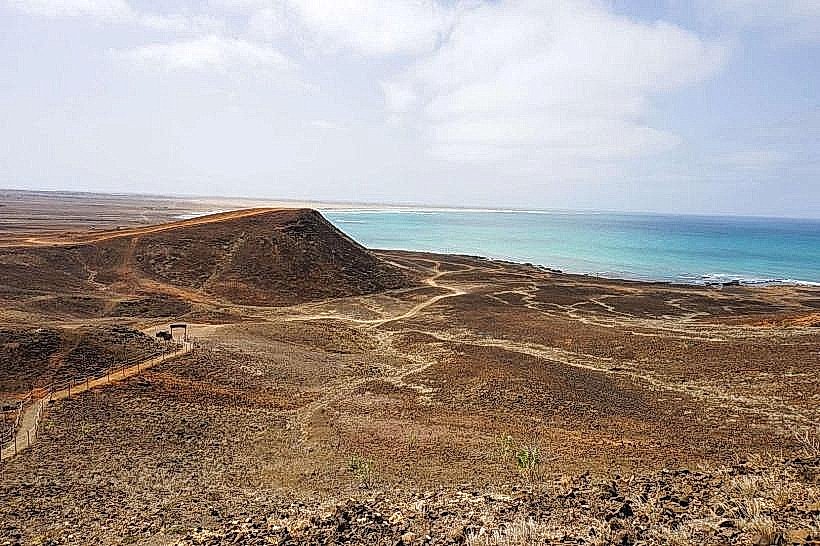
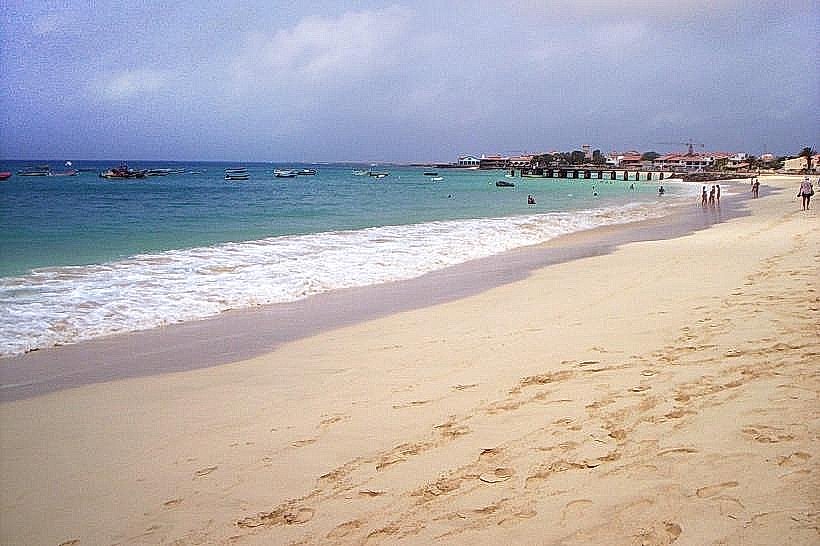
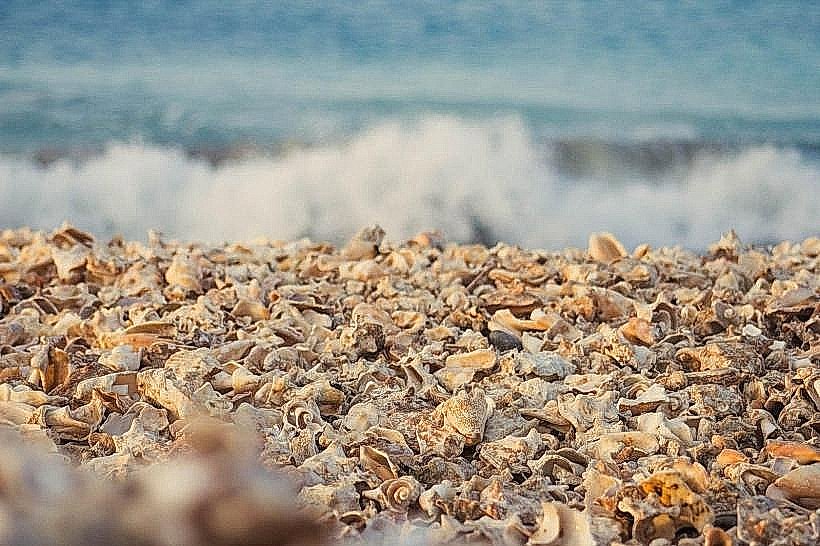
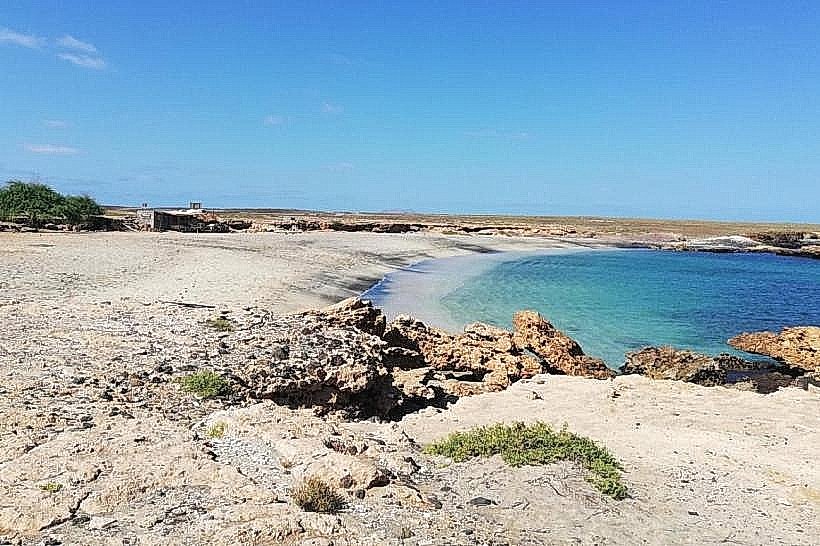
Santa Maria is the primary tourism hub of Cabo Verde, located on the southern tip of Sal Island. Known for its expansive white-sand beaches and turquoise waters, it has transitioned from a small salt-mining village into a world-class destination for wind and water sports.
Historical Timeline
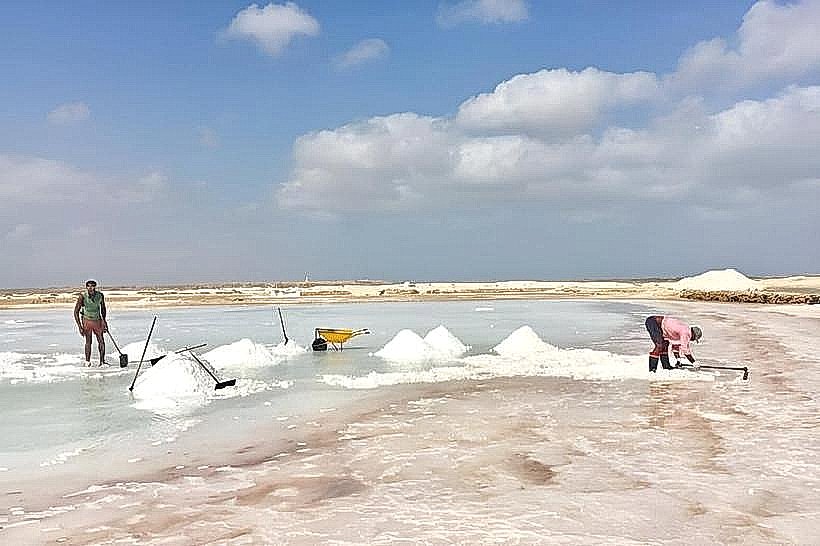
Founded in 1830 by Manuel António Martins, Santa Maria was originally established to exploit the vast local salt pans (salinas). For over a century, salt production was the backbone of the economy, largely exported to Brazil. As the salt industry declined in the mid-20th century, the town pivoted toward tourism. Since the 1990s, the construction of the international airport and large-scale resorts has turned Santa Maria into the most visited urban area in the archipelago.
Demographics & Population
The 2026 population of Santa Maria is estimated at approximately 28,500. However, this number fluctuates significantly due to the high volume of seasonal tourists and expatriate workers from mainland Africa and Europe. The community is highly international, with Portuguese as the official language and Cape Verdean Creole spoken locally. English, Italian, and French are widely understood in the tourism sector.
Urban Layout & Key Districts
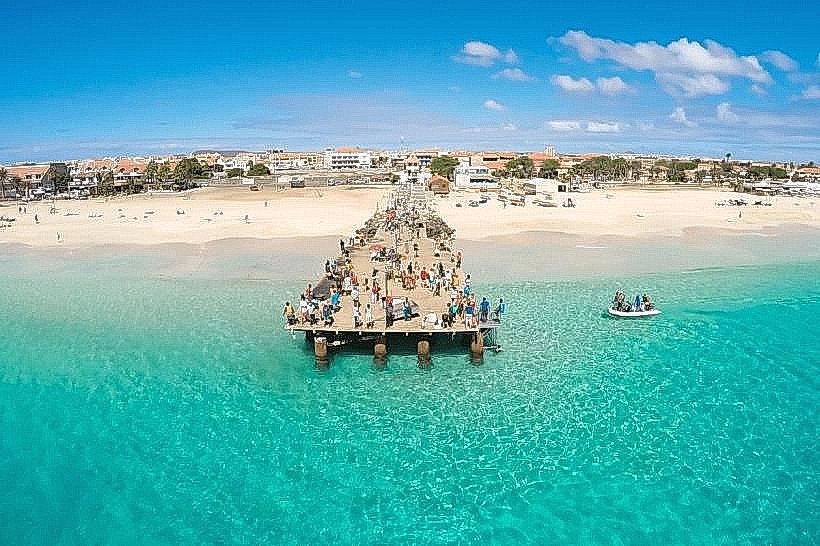
The town is compact and designed for walking, centered around the historic pier.
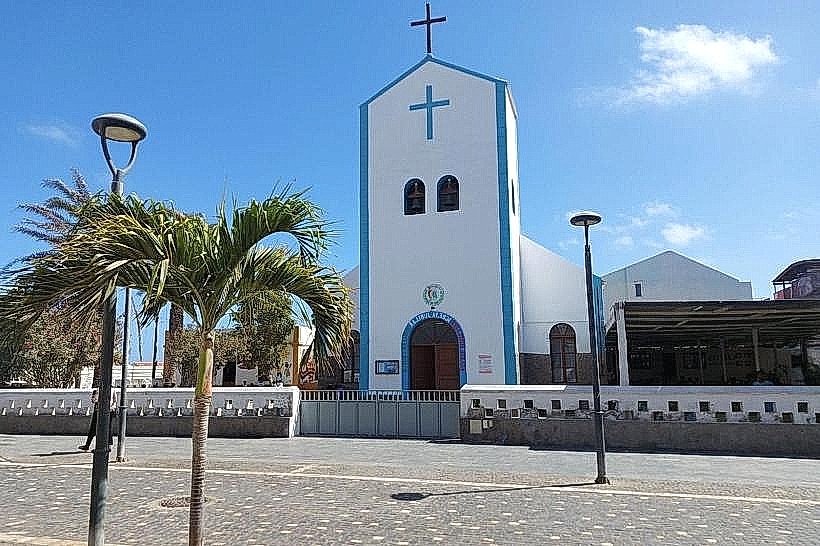
The Center (Vila): Characterized by pastel-colored colonial buildings, shops, and the main pedestrian street, Rua Amílcar Cabral.
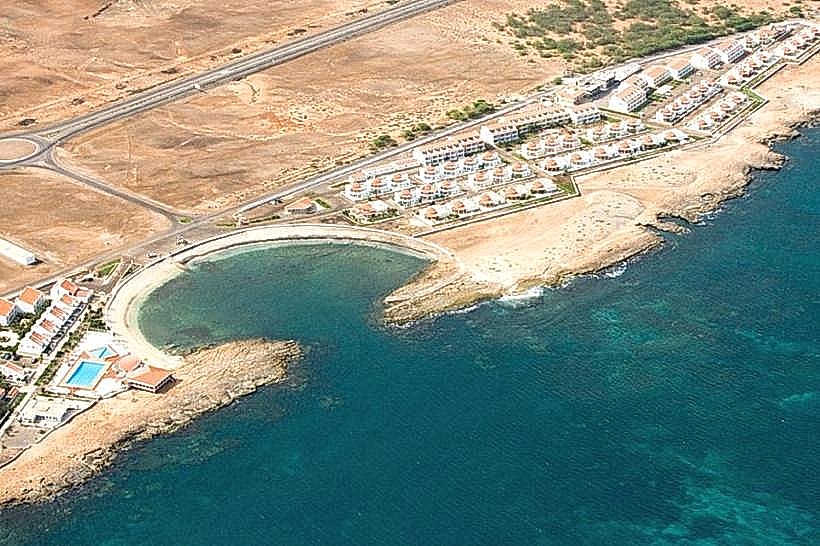
The Beachfront: A long stretch of luxury resorts and boutique hotels extending west from the pier.
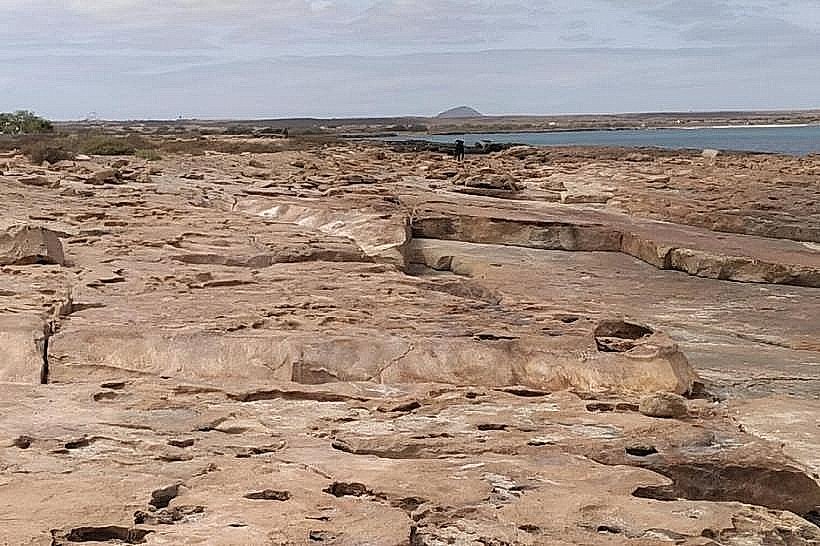
Salinas District: The northern edge of the town, where the historic salt flats are located.
Kite Beach (Costa da Fragata): Located a few kilometers east, this is the dedicated zone for kitesurfing and windsurfing.
Top City Landmarks
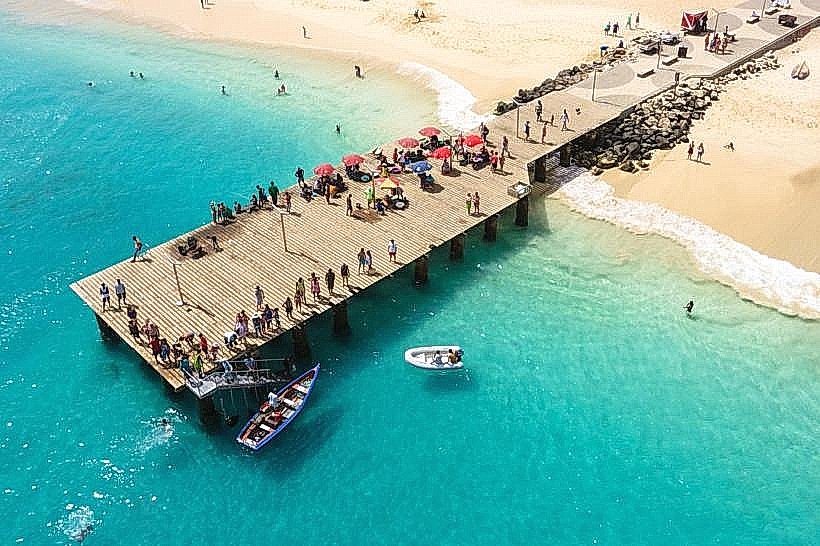
Pontão de Santa Maria (The Pier): The town’s social and economic heart; visit in the morning to see fishermen landing massive tuna and wahoo.
Santa Maria Beach: A 2-km stretch of pristine sand, widely considered one of the best beaches in Africa.
Salinas de Santa Maria: The historic salt evaporation ponds where visitors can learn about the town's industrial roots.
The Weighhouse (Antigo Posto de Pesagem): A restored historic building on the pier used for weighing salt in the 19th century.
Project Biodiversity Turtle Hatchery: A seasonal conservation site (near the RIU hotels) dedicated to protecting Loggerhead sea turtles.
Transportation Network
Movement is conducted primarily on foot or by taxi.
Taxis: Abundant and recognizable by their blue-and-yellow livery; they operate on fixed rates within the town (approx. USD 3.00).
Alugueres (Shared Minibuses): The main link between Santa Maria and the island's capital, Espargos (approx. 20-minute drive).
Aviation: Amílcar Cabral International Airport (SID) is located 18 km north, serving as a major mid-Atlantic refueling and tourist gateway.
Cycling: Flat terrain makes bike and scooter rentals a popular choice for exploring the island's southern coast.
Safety & "Red Zones"
Current Status: Exercise Normal Precautions. Santa Maria is one of the safest destinations in West Africa. However, the high concentration of tourists attracts petty crime like pickpocketing and "beach-selling" scams. Avoid walking alone on isolated stretches of beach after dark. Be cautious of strong Atlantic currents and "undertow" warnings on the western side of the island (Ponta Preta). As of 2026, the island remains certified malaria-free.
Digital & Financial Infrastructure
Internet: Fiber-to-the-home and 4G/5G mobile data are standard in the town center, with speeds of 20–40 Mbps. Most cafes offer free Wi-Fi to patrons.
Economy: The Cabo Verdean Escudo (CVE) is the official currency, but Euros are widely accepted at a flat rate (usually $1 EUR = 100 CVE$).
Banking: Numerous ATMs (Vinti4) are available, supporting international Visa and Mastercard. Most established businesses accept card payments.
Climate & Air Quality
Santa Maria has a tropical desert climate. It is dry and windy year-round, with temperatures averaging 21°C to 28°C. Air quality is generally Good, though visibility can drop significantly during the Harmattan (December–February) when Saharan dust is blown across the Atlantic. Rainfall is extremely rare, usually limited to a few days in September.
Culture & Social Norms
The town operates on the concept of "No Stress" (the local motto). Tipping is not mandatory but 5–10% is customary in restaurants. Dress is casual, though "smart casual" is preferred for evening dining. Respect for the environment is paramount, particularly regarding turtle nesting sites and sand dune preservation.
Local Cost Index
1 Espresso: USD 1.50 (150 CVE)
1 Standard Lunch: USD 12.00 (1,200 CVE)
1 Cocktail at Beach Bar: USD 6.00 (600 CVE)
1 Taxi Trip (Internal): USD 3.00 (300 CVE)
Nearby Day Trips
Pedra de Lume (25 km): An extinct volcanic crater where you can float in salt water 26 times saltier than the ocean.
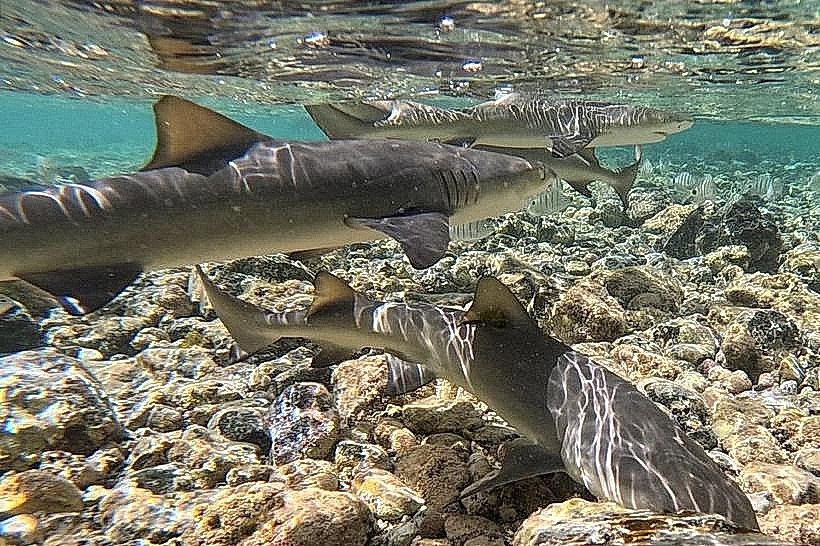
Shark Bay (20 km): A shallow coastal area where you can wade with harmless lemon sharks.
Buracona & The Blue Eye (30 km): A natural rock pool that glows turquoise when hit by midday sun.
Facts & Legends
Santa Maria is a world-class hub for "The Big Three" wind sports: surfing, windsurfing, and kitesurfing, famously hosting the GKA World Tour. A local legend tells of the "Sereia de Sal," a mermaid said to lure sailors to the salt flats; in reality, this likely refers to the mirages (Fata Morgana) frequently seen in the island's flat, shimmering desert interior.