Information
Landmark: Sal IslandCity: Santa Maria
Country: Cabo Verde
Continent: Africa
Sal Island, Santa Maria, Cabo Verde, Africa
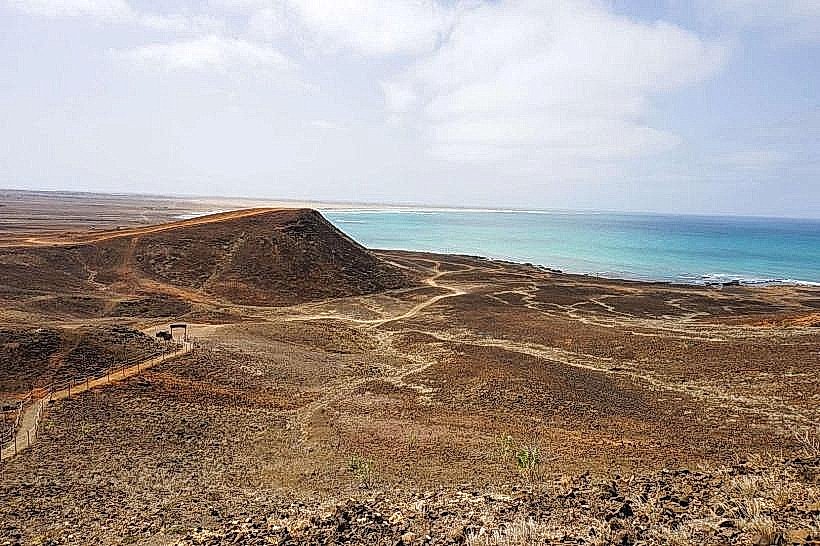
Sal Island is one of Cape Verde’s most iconic destinations, known for its sun-drenched landscapes, expansive beaches, and lively resort culture. Unlike the volcanic highlands of Santiago or São Vicente, Sal is relatively flat, dominated by salt pans, desert-like terrain, and long stretches of sand that meet turquoise waters - a combination that gives the island a distinct, minimalist charm.
Geography and Landscape
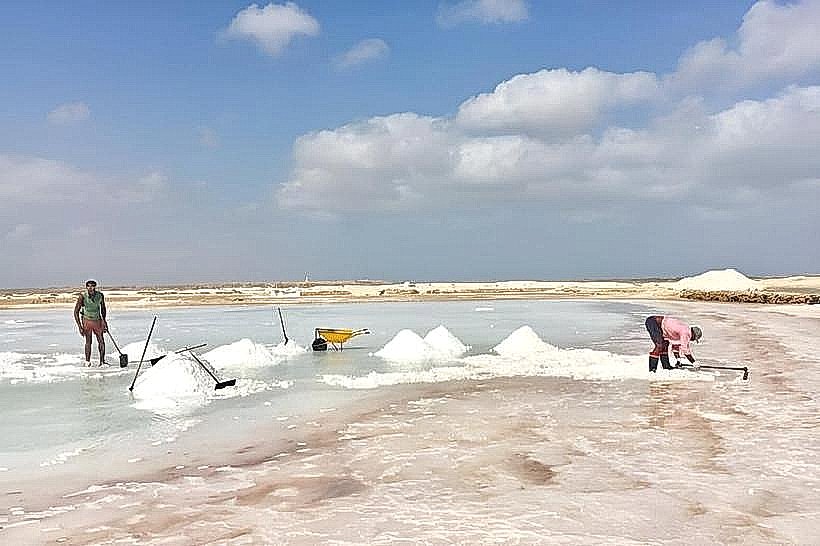
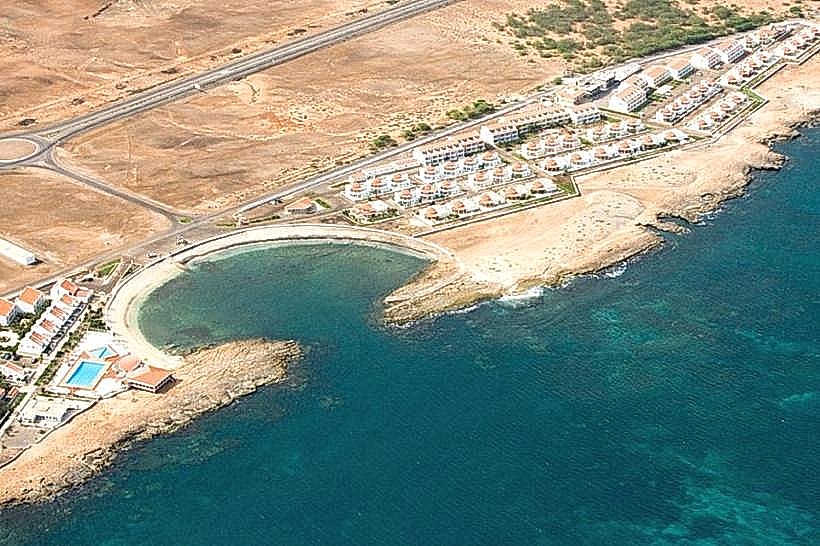
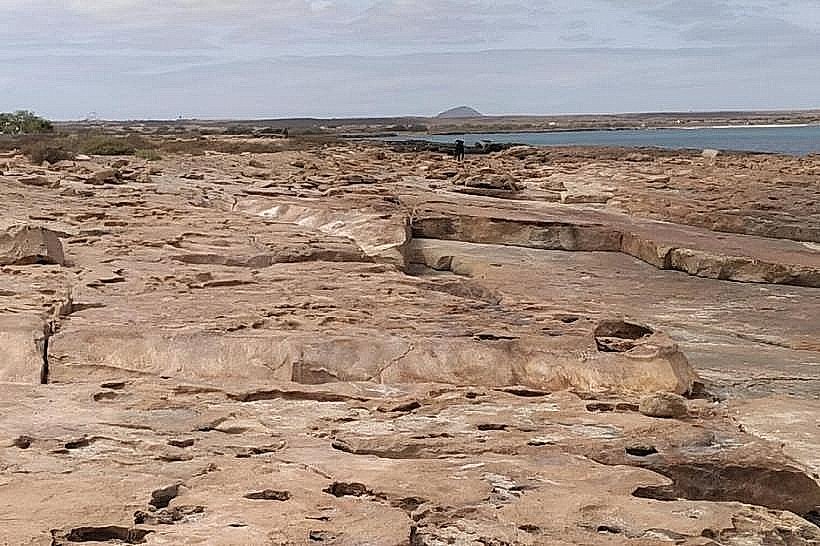
Sal occupies a relatively small area in the northeastern part of Cape Verde. The island’s terrain is flat to gently undulating, with salt flats, scattered rock formations, and sandy expanses dominating the landscape. The most famous of these are the Santa Maria Salt Pans near Pedra de Lume, where vast shallow pools shimmer in hues of pink, orange, and white under the intense sun. These salt flats, once central to the island’s economy, now provide surreal, photogenic scenery that contrasts sharply with the deep blue of the Atlantic.
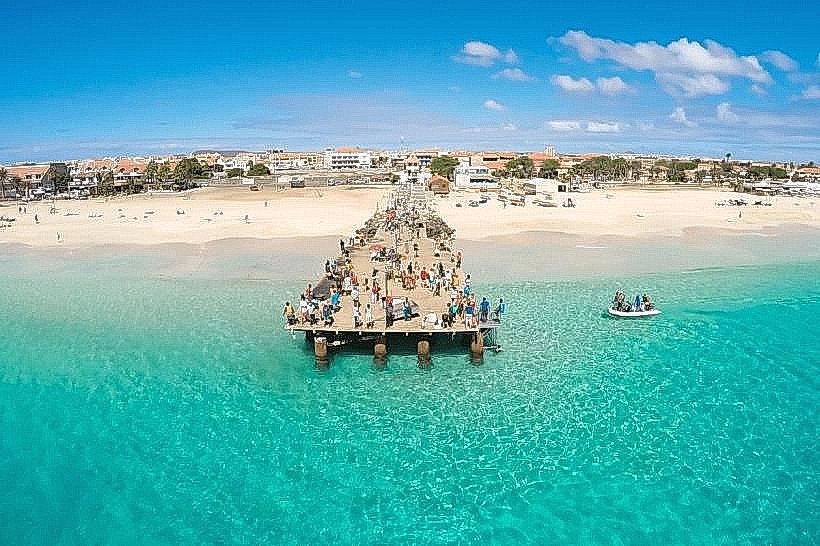
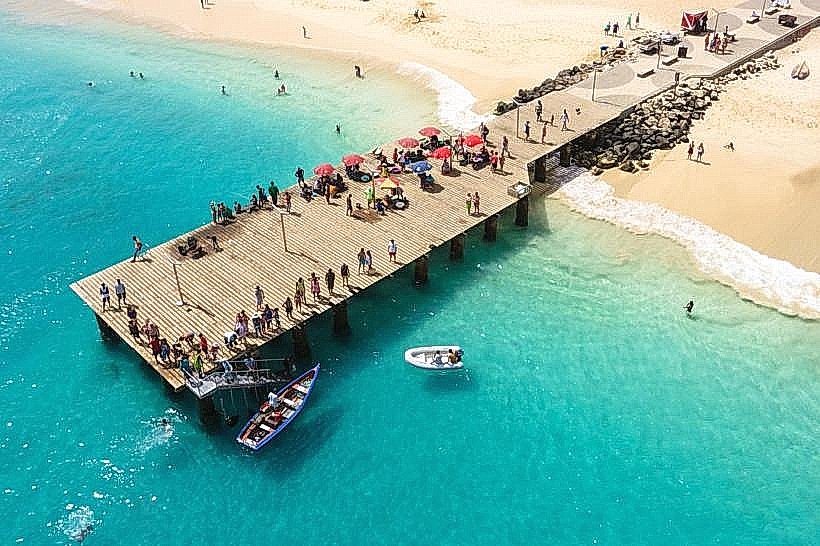
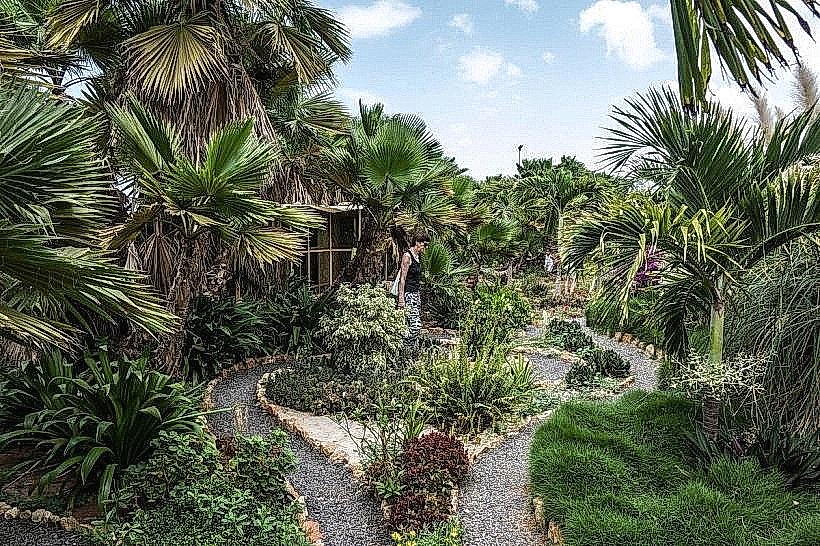
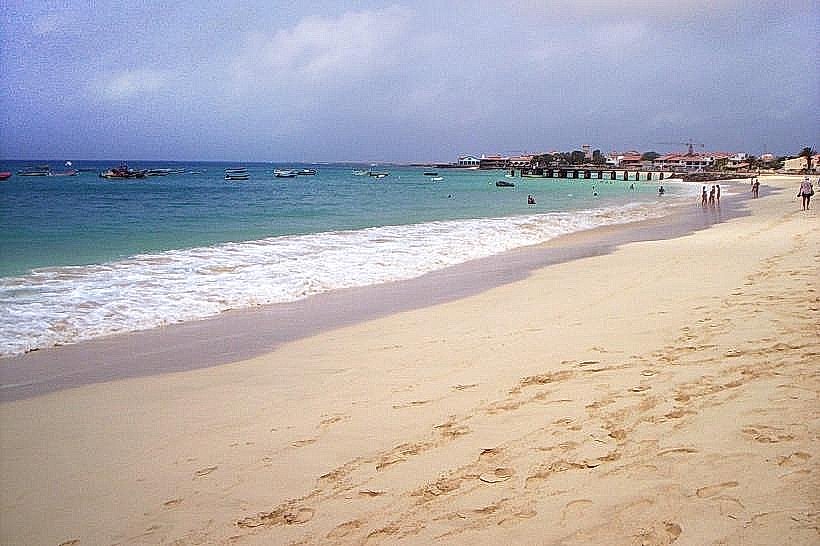
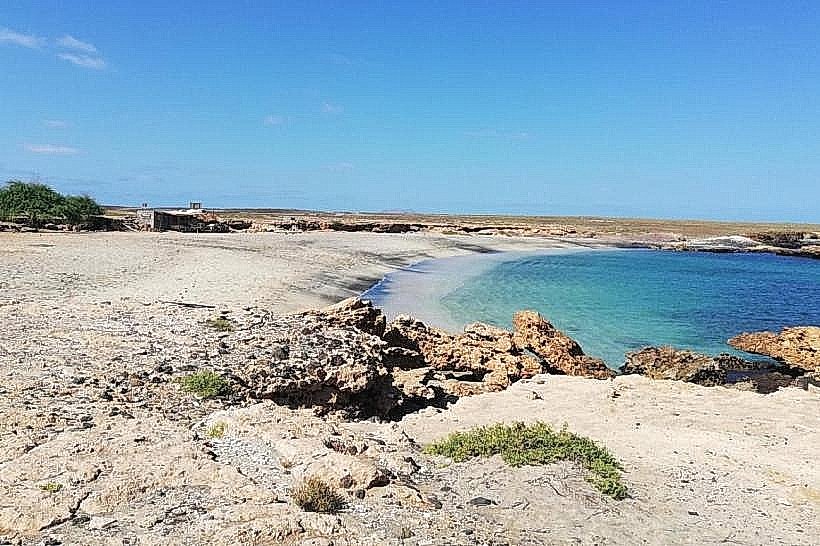
The coastline is marked by wide, sandy beaches and occasional rocky outcrops. Santa Maria Beach, stretching over several kilometers, is perhaps the most renowned, with soft, pale sand and consistently calm, clear water. Its shallow gradient makes it ideal for swimming, kiteboarding, and windsurfing. The northern and eastern coasts, including Ponta Preta, offer stronger winds and waves, attracting surfers and adventure-seekers. Inland, the terrain is sparse, with hardy desert vegetation such as acacia shrubs and salt-tolerant grasses.
Climate and Atmosphere
Sal has a desert-like, arid climate, with minimal rainfall and abundant sunshine year-round. The trade winds, a defining feature, sweep steadily across the island, keeping temperatures warm but manageable. These winds make Sal particularly appealing for water sports like kiteboarding, windsurfing, and sailing, while also shaping the ever-present golden sand dunes that form small rippling patterns across the interior.
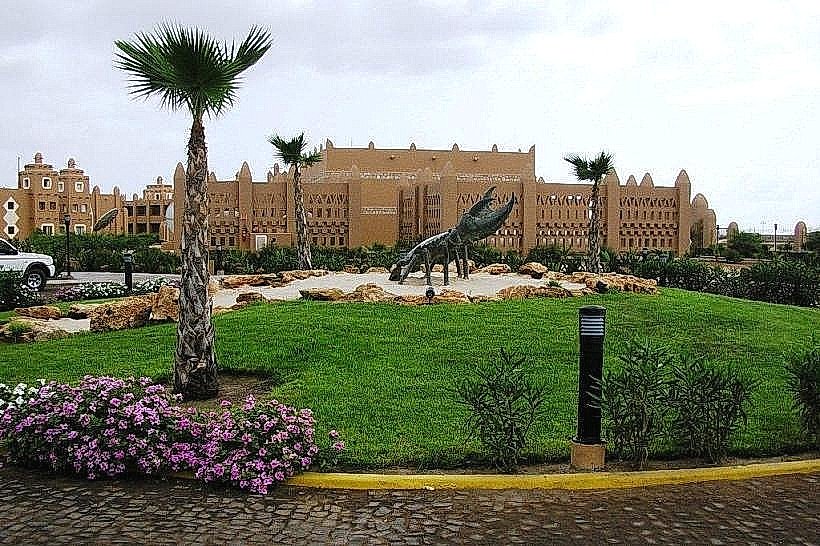
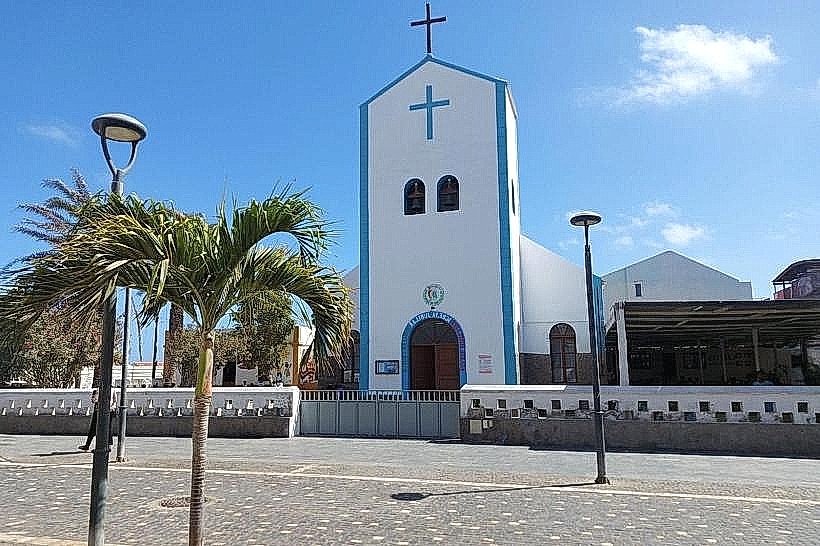
The atmosphere is relaxed yet vibrant. Santa Maria, the main tourist hub, has a mix of resorts, guesthouses, restaurants, and bars along its beachfront promenade. By day, the streets are filled with tourists walking between shops, sampling local seafood, or renting equipment for water sports. By night, soft lights reflect off the calm waters, music drifts from open-air cafés, and the air is filled with the faint scent of grilled fish, salt, and warm sand.
Cultural Highlights and Landmarks
Sal’s human history is closely tied to salt production and maritime trade. The Pedra de Lume Salt Crater is a highlight: a volcanic crater flooded with saltwater that allows visitors to float effortlessly while observing shimmering layers of salt. The island’s towns are small and informal, with Santa Maria serving as the primary cultural and social hub. Markets offer local handicrafts, colorful textiles, and souvenirs, while small cafés host live music, particularly morna and coladeira - Cape Verde’s distinctive musical styles.
Another noteworthy site is Buracona, where natural rock formations create a small lagoon known as the “Blue Eye.” Sunlight penetrates the water at certain angles, creating an almost glowing blue effect that draws photographers and nature lovers alike.
Beaches and Recreation
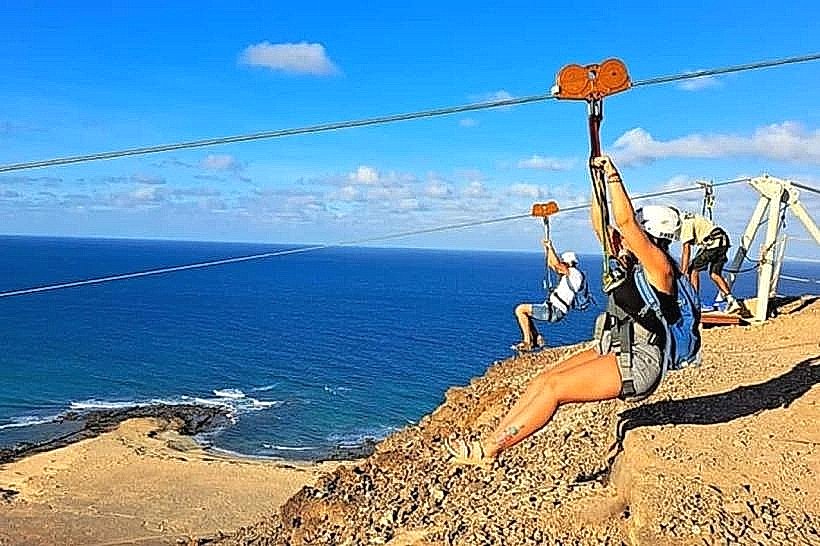
Sal’s beaches are its central attraction. Santa Maria Beach is calm and ideal for sunbathing, swimming, and casual snorkeling. Ponta Preta Beach caters to surfers, with strong Atlantic swells and dramatic rock formations providing a natural arena. Kiteboarding and windsurfing schools line parts of the coast, taking advantage of the constant winds. Even outside the main tourist hubs, stretches of sand remain quiet and wild, giving the island a sense of expansive freedom.
Overall Character
Sal Island blends stark natural beauty, arid landscapes, and lively tourist energy. Its flat terrain, sparkling salt flats, long beaches, and consistent trade winds create a distinctive island environment, where adventure, relaxation, and scenic wonder coexist. From floating in the salt crater to surfing strong Atlantic swells or strolling along endless sandy shores, Sal offers a sensory experience that is simultaneously raw, sun-soaked, and unmistakably Cape Verdean.