Information
Landmark: Fontona OasisCity: Santa Maria
Country: Cabo Verde
Continent: Africa
Fontona Oasis, Santa Maria, Cabo Verde, Africa
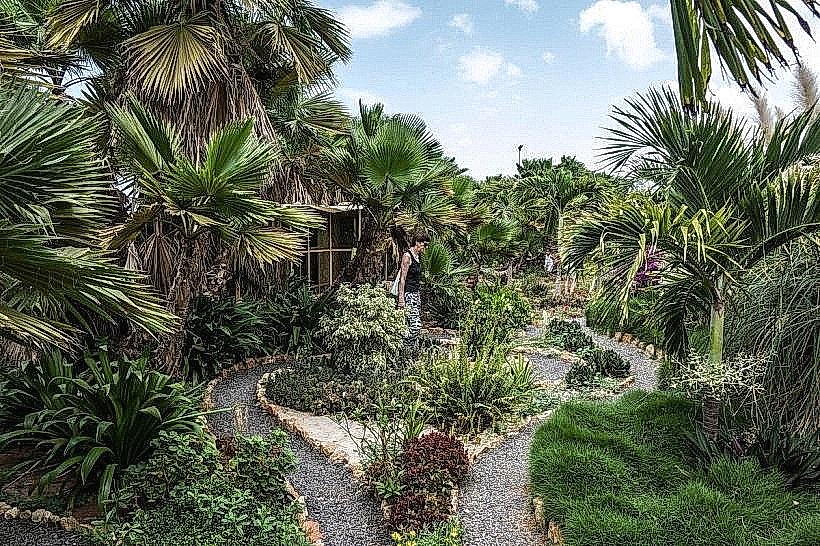
Fontona Oasis on Sal Island is a rare green haven amid the island’s typically arid and desert-like environment. Nestled inland near the village of Palmeira, the oasis provides a stark contrast to Sal’s sunbaked plains and rocky coastline, featuring lush vegetation, shade-giving trees, and small water sources that sustain both wildlife and local agriculture. It is valued for its natural beauty, biodiversity, and as a tranquil escape from the island’s open, sandy expanses.
Setting and Landscape
The oasis is set within a slightly depressed area of the otherwise flat terrain, where underground water allows plants to flourish. Palm trees dominate the landscape, their fronds swaying in the trade winds, interspersed with tamarind, acacia, and fruit-bearing trees. The undergrowth includes grasses, shrubs, and flowering plants that thrive in the sheltered, moisture-retaining soil. Small streams or shallow pools often reflect sunlight through the canopy, adding brightness and visual depth to the greenery.
Surrounding the oasis, the arid plains of Sal create a dramatic contrast. The transition from pale sands and low shrubs to verdant palms and shaded groves is sudden and visually striking, making Fontona a distinct microclimate on the island. Birds, insects, and occasional small mammals find refuge here, adding life and sound to the serene environment.
Visitor Experience and Atmosphere
Walking through Fontona Oasis, visitors immediately feel a change in temperature and atmosphere. The shade under the palm fronds provides relief from Sal’s intense sun, and the air is cooler and slightly more humid. The soundscape includes rustling leaves, bird calls, and the occasional trickle of water, creating a peaceful, almost meditative ambiance.
Paths meander through clusters of trees and vegetation, allowing visitors to explore the different sections of the oasis. Some areas may feature cultivated gardens or small plots for local agriculture, demonstrating how water availability transforms the landscape into productive land. The mix of natural and semi-cultivated areas offers both scenic beauty and insight into local life.
Natural and Ecological Significance
Fontona Oasis is ecologically significant as one of the few areas on Sal with reliable water and dense vegetation. It supports biodiversity not found in the surrounding desert, including native birds, insects, and small reptiles. The oasis acts as a natural reservoir, sustaining both plant life and local agricultural activity. Its microclimate and fertile soil make it an important site for studying the interaction of water, vegetation, and human use on arid islands.
Cultural and Local Significance
Historically, oases like Fontona have been vital for local communities, providing water, shade, and fertile ground for small-scale farming. Even today, it remains a source of local produce, medicinal plants, and a shaded gathering spot. Visitors often gain insight into traditional irrigation techniques and the role of such oases in sustaining life on Sal.
Overall Impression
Fontona Oasis is a lush, tranquil enclave that contrasts sharply with the dry, open terrain of Sal Island. Its verdant palms, flowing water, and diverse vegetation create a refreshing escape and a sensory-rich environment. Walking through the oasis, one experiences relief from the sun, the gentle sounds of nature, and a vivid example of how life thrives in unexpected pockets on an arid island, making it a hidden gem for both nature lovers and cultural observers.