Information
City: AssomadaCountry: Cabo Verde
Continent: Africa
Assomada, Cabo Verde, Africa
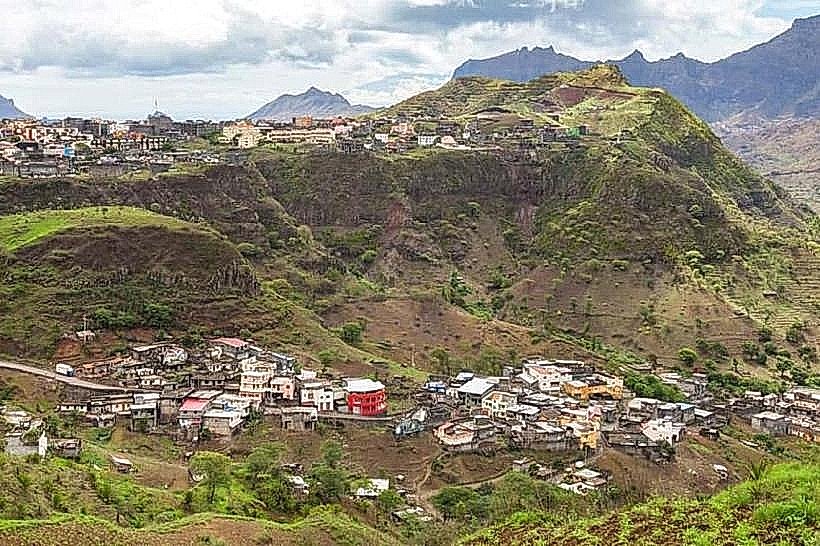
Assomada is the second-largest city on Santiago Island and the capital of the Santa Catarina municipality. Located in the central highlands (Picos) at an elevation of 550 meters, it serves as a critical agricultural and commercial crossroads between the northern and southern parts of the island.
Historical Timeline
Assomada became a significant urban center in the early 20th century due to its strategic position on the road linking Praia to Tarrafal. It was elevated to city status in 2001. Historically, it has been a center for the Mestizaje (mixing) of cultures and a focal point for internal migration within Santiago.
Demographics & Population
The 2026 population is estimated at approximately 16,000 for the urban core, with the wider municipality exceeding 45,000. The population is predominantly of mixed African and European descent. The primary languages are Portuguese and Cape Verdean Creole (Kriolu), spoken here with a distinctive "Santiaguense" highland accent.
Urban Layout & Key Districts
The city is organized around a central plateau.
The Center: Home to the main square and the historic municipal market.
Achada Riba: A residential and administrative district.
Achada Baixo: A growing residential area on the lower slopes.
The Commercial Axis: The main road (EN1-ST01) that bisects the city and hosts most businesses.
Top City Landmarks
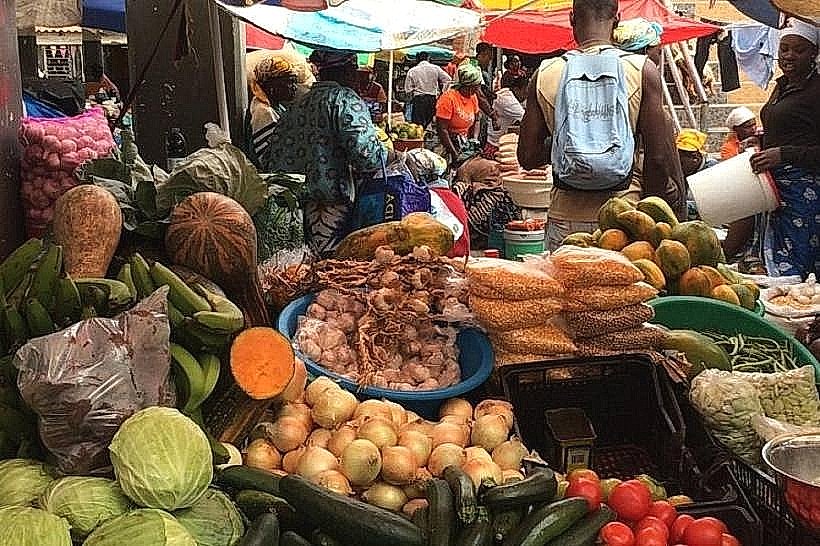
Assomada Market: One of the largest and most vibrant markets in Cabo Verde (peak days: Wednesday and Saturday), famous for agricultural produce, livestock, and local textiles.
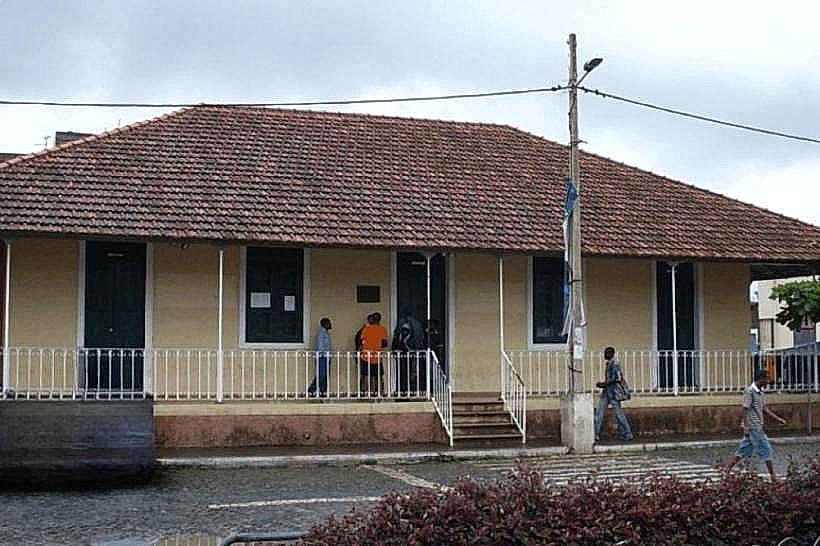
Museu da Tabanka: Located in the former colonial administration building, it is dedicated to the history and music of the Tabanka, a traditional Cape Verdean social and musical movement.
Pelourinho de Assomada: A historic monument symbolizing former colonial authority.
Norberto Tavares Cultural Center: Named after the famous musician, it serves as the hub for local arts.
Boa Entrada Kapok Tree: Located nearby; a massive, centuries-old tree (Sumaúma) and national natural monument.
Transportation Network
Movement is conducted via private vehicles, taxis, and alugueres.
Roads: Assomada sits on the EN1-ST01, the primary highway connecting Praia (35 km south) to Tarrafal (30 km north).
Public Transit: Frequent shared minibuses (Hiaces) operate daily routes to Praia and northern villages.
Aviation: Access is via Nelson Mandela International Airport (RAI) in Praia.
Safety & "Red Zones"
Current Status: Exercise Normal Precautions. Assomada is generally safe, though the busy market days attract pickpockets. Avoid walking in isolated residential outskirts or poorly lit areas after dark. The highland roads leading into the city are steep and winding; caution is advised during the rainy season due to potential landslides.
Digital & Financial Infrastructure
Average internet speed is 15–30 Mbps via 4G mobile data (CV Móvel, Unitel T+). The city has several bank branches (BCP, BCA) with Vinti4 ATMs that accept international cards. Card acceptance in shops is limited compared to Praia.
Climate & Air Quality
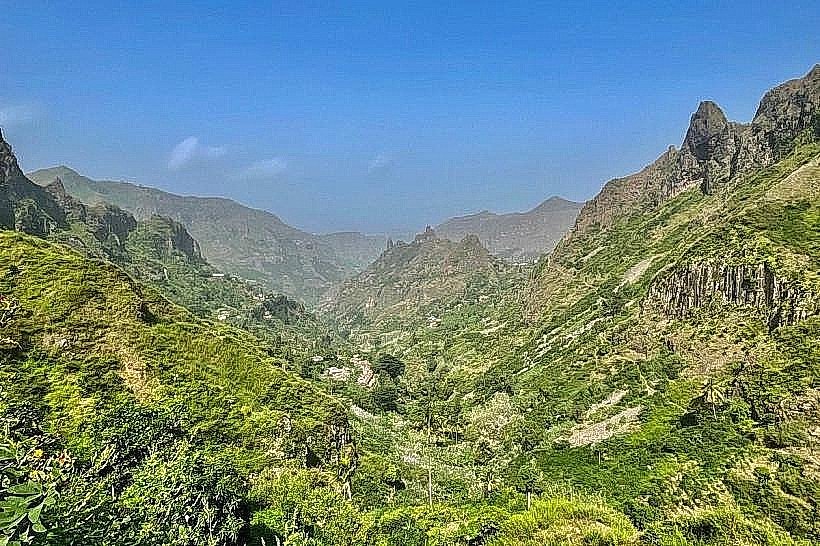
Assomada has a tropical highland climate. It is significantly cooler and more humid than Praia. Temperatures range from 17°C to 26°C. During the rainy season (August–October), the area becomes lush and green. Air quality is generally Excellent, though visibility can be reduced by fog or Saharan dust.
Culture & Social Norms
The city is a stronghold of Batuque and Tabanka music. Tipping is not mandatory but 10% is appreciated. Social interaction is formal yet hospitable (Morabeza). It is customary to greet people when entering shops or public spaces.
Local Cost Index
1 Espresso: USD 1.10 (110 CVE)
1 Standard Lunch: USD 7.00 (700 CVE)
1 Aluguer trip to Praia: USD 3.00 (300 CVE)
Nearby Day Trips
Serra Malagueta Natural Park (15 km): High-altitude hiking with endemic flora.
Tarrafal (30 km): Famous for its white-sand beach and the historic Concentration Camp museum.
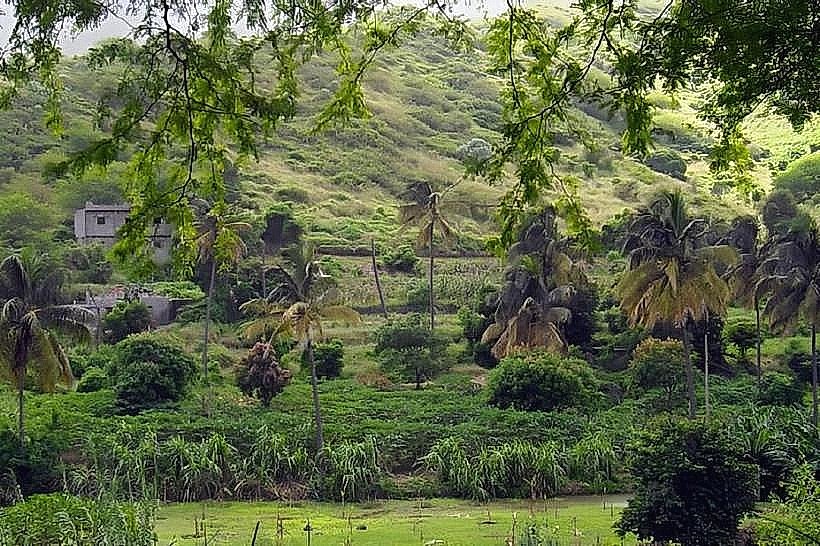
Boa Entrada (2 km): A lush valley known for its agriculture and the giant Kapok tree.
Facts & Legends
Assomada is often called the "Heart of Santiago." A local legend suggests the Tabanka processions were once used as a clandestine means of communication between slaves in the highlands. Historically, the city has produced a disproportionate number of Cabo Verde’s poets and political leaders due to its strong intellectual and educational tradition.