Information
Landmark: Museum de TabankaCity: Assomada
Country: Cabo Verde
Continent: Africa
Museum de Tabanka, Assomada, Cabo Verde, Africa
Opening View
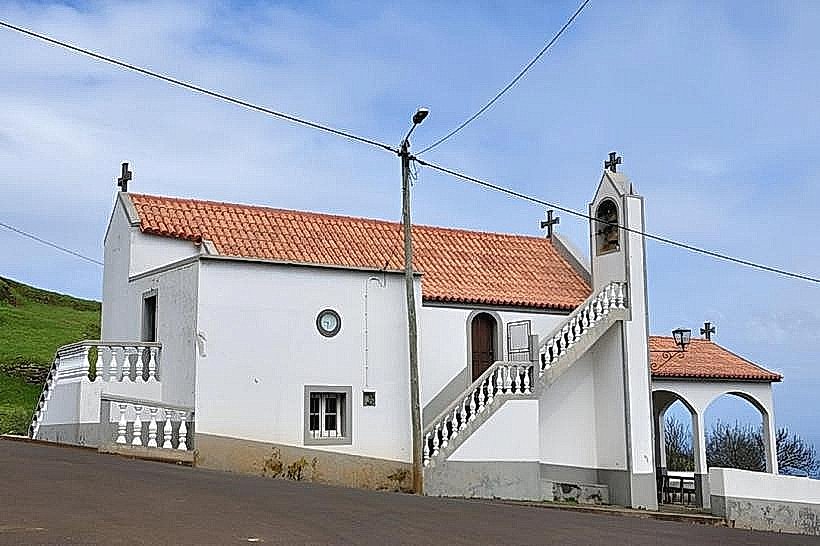
The Tabanka Museum, located in the town of Assomada on Santiago Island, offers an intimate look into one of Cabo Verde’s most expressive cultural traditions. The museum sits in a modest, brightly painted building that feels immediately welcoming. Inside, the atmosphere blends quiet reflection with bursts of color, echoing the spirit of Tabanka itself-a community-based celebration rooted in music, ritual, and collective identity.
History and Cultural Context
Tabanka is a traditional festival linked to the island’s Afro-Creole heritage, often celebrated in coastal and rural communities of Santiago. It grew from layers of history: ancestral African customs, colonial-era social organization, and the island’s own local adaptations. The museum captures this evolution through curated objects and stories, showing how Tabanka served as both celebration and social glue, especially in times when communities relied heavily on solidarity.
Exhibits and Experience
Inside, the museum is arranged in thematic sections. One room displays traditional costumes-bright reds, deep blues, and embroidered patterns-hung on wooden mannequins. Their textures give a sense of the festival’s vivid visual energy. Nearby, percussion instruments like drums, bells, and wooden sticks line the walls, each showing marks from years of performance. Visitors often pause at the photograph collection, which captures small moments: a group of dancers stepping in unison, elders preparing ritual spaces, children watching a parade with wide-eyed curiosity.
A central exhibit explains the social roles within Tabanka groups, including leaders, musicians, dancers, and symbolic guardians. Handwritten notes and community documents trace how these roles were passed down through generations. The gentle sound of recorded Tabanka rhythms occasionally fills the room, giving a living heartbeat to the exhibits.
Atmosphere and Setting
The museum has a calm, thoughtfully arranged interior with warm lighting and soft shadows over wooden floors. Its compact size makes the visit feel personal-like stepping into a community archive handled with care. Small decorative details, such as carved masks or patterned fabrics tucked into corners, add a homely touch. Visitors often describe the place as a cultural “pause,” a quiet spot where you absorb stories at your own pace.
Nearby Landmarks
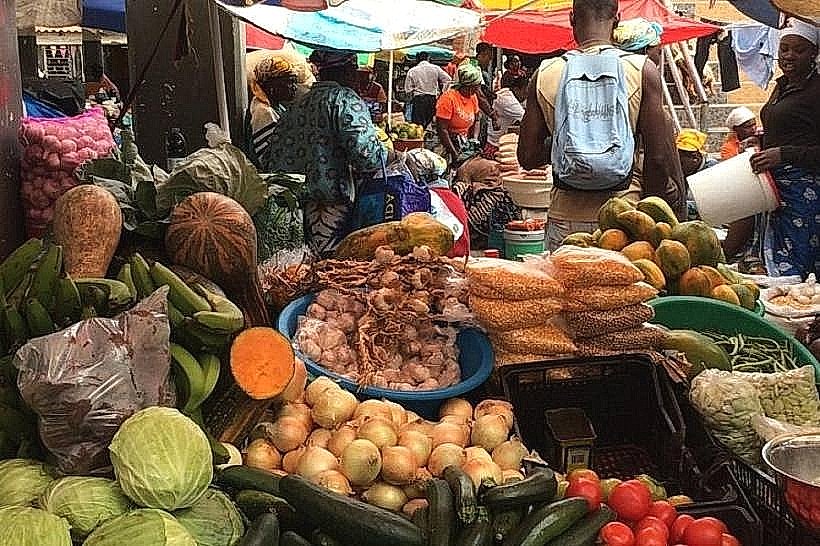
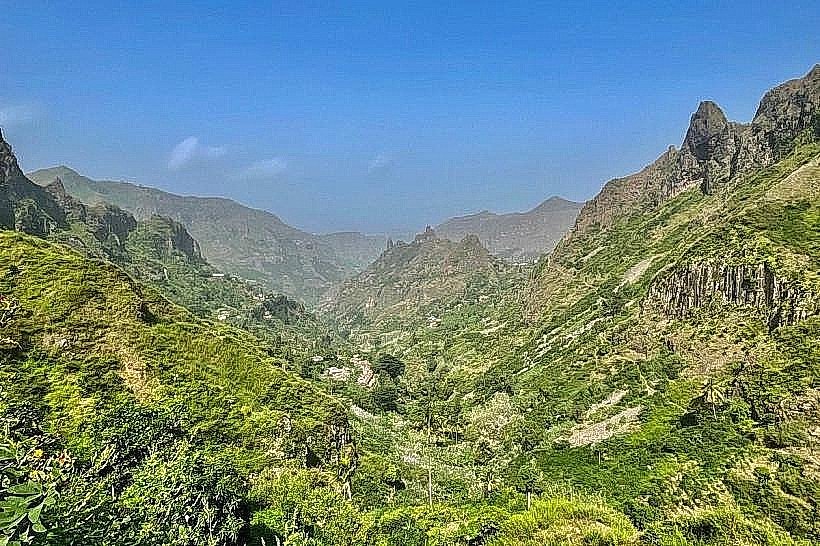
The museum sits not far from Assomada’s central streets and markets. Within walking distance are Praça Eugénio Tavares and the Assomada Central Market, where local life unfolds in full color. A short drive leads to the highlands of Serra Malagueta, offering a scenic contrast after a cultural visit.
Practical Notes for Visitors
The museum can be explored comfortably in under an hour, though history enthusiasts may linger longer. Most exhibits include short explanations in Portuguese or Cape Verdean Creole. The staff are friendly and knowledgeable, often sharing additional stories behind the displays. Light, comfortable clothing is ideal, especially if combining the visit with a stroll through the town’s busy center.
The Tabanka Museum offers a rich, grounded look at one of Cabo Verde’s most cherished traditions, preserving its rhythms, symbols, and communal spirit in a quiet but deeply meaningful space.