Information
City: Cidade VelhaCountry: Cabo Verde
Continent: Africa
Cidade Velha, Cabo Verde, Africa
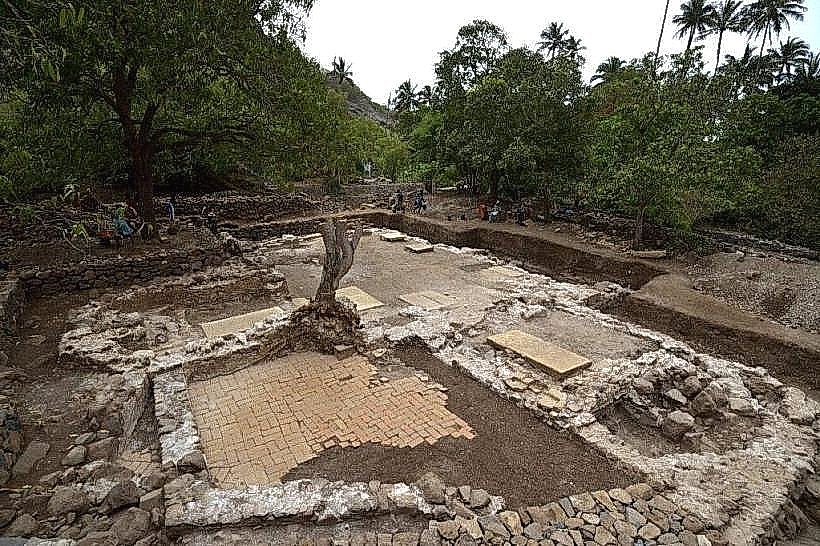
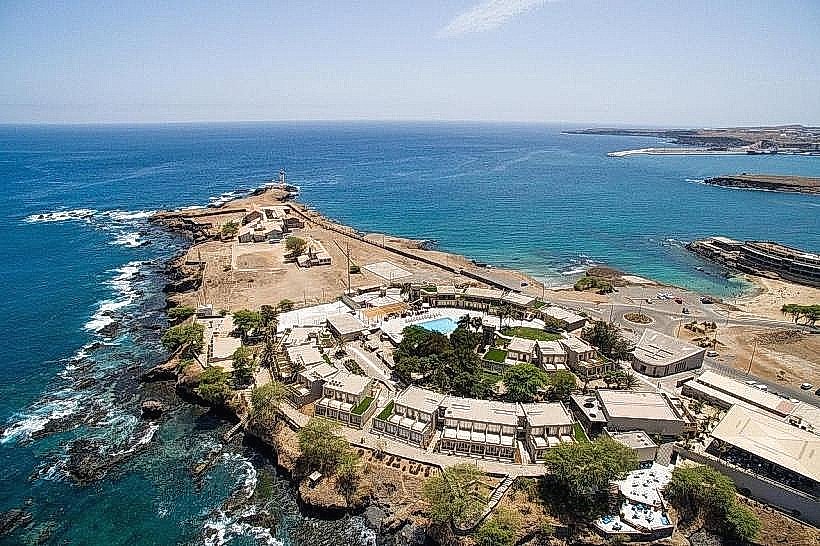
Cidade Velha (formerly Ribeira Grande) is the historic capital of Cabo Verde and a UNESCO World Heritage site located on the southern coast of Santiago Island. It is the oldest European settlement in the tropics and served as a critical node in the early transatlantic slave trade.
Historical Timeline
Founded in 1462 by Portuguese settlers, it became the first colonial outpost of the Portuguese Empire in the Atlantic. Its strategic location made it a hub for the triangular trade, facilitating the movement of people and goods between Europe, Africa, and the Americas. Due to frequent attacks by privateers-including Sir Francis Drake in 1585 and Jacques Cassard in 1712-the city was eventually abandoned in favor of Praia, which became the capital in 1770.
Demographics & Population
The 2026 population is estimated at approximately 1,200 permanent residents. The population is predominantly Mestiço. While Portuguese is used for administrative and historical contexts, Cape Verdean Creole (Kriolu) is the primary language of the community.
Urban Layout & Key Districts
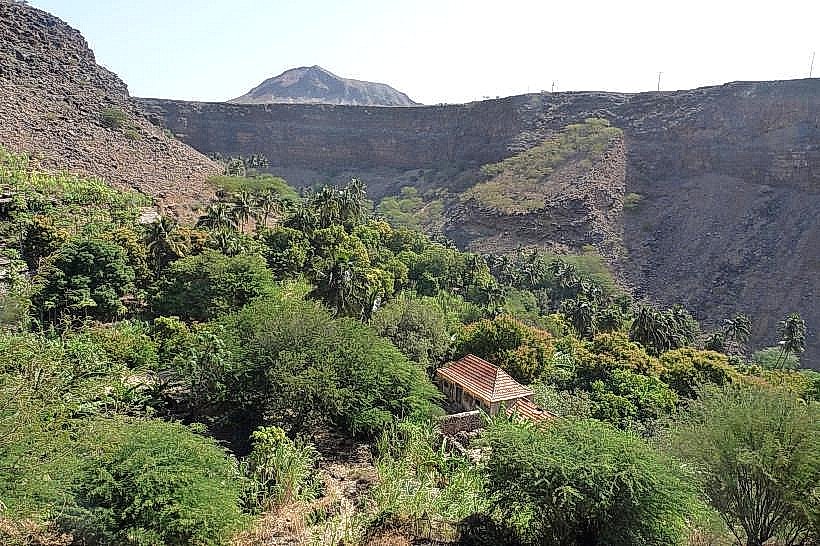
The city is situated at the mouth of a deep, fertile valley (Ribeira).
The Historic Core: Contains the main ruins and restored colonial structures along the coast.
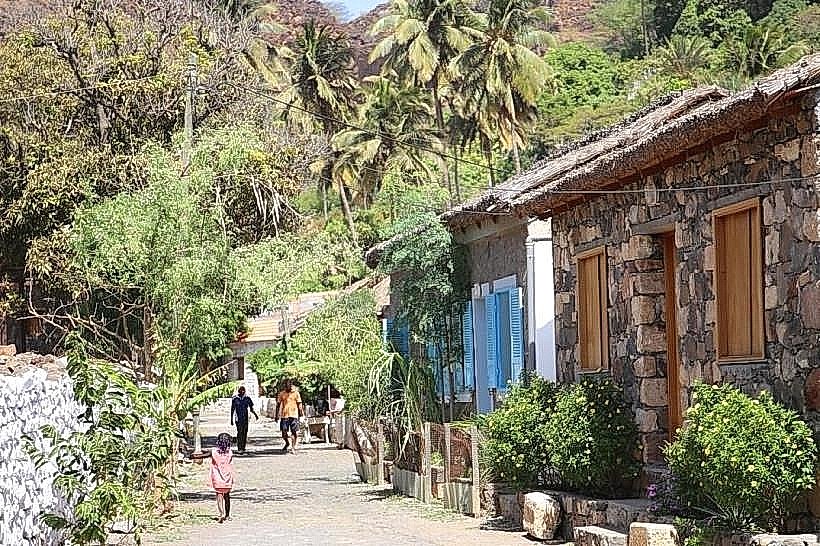
Rua Banana: The oldest street in sub-Saharan Africa, characterized by traditional thatched-roof stone houses.
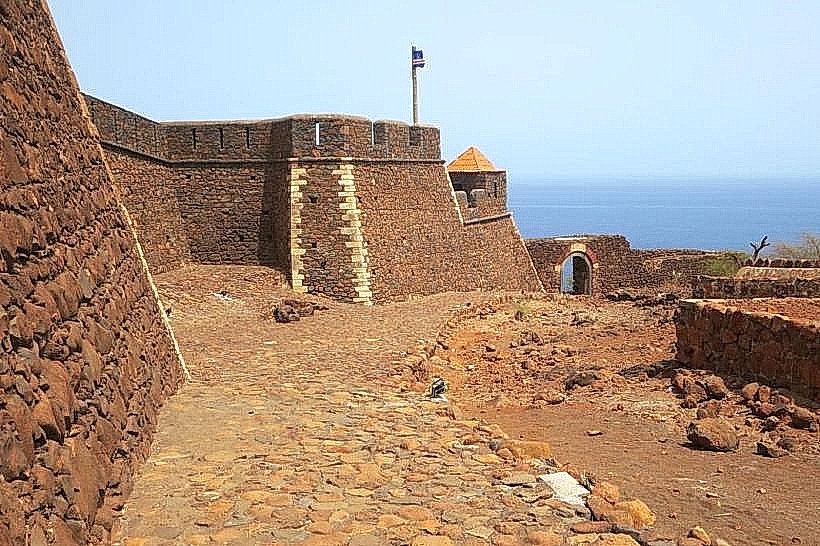
Fortaleza Real de São Filipe: A massive fortress perched 120 meters above the city on a plateau.
Ribeira Grande Valley: The lush agricultural area behind the town, known for sugar cane and tropical fruits.
Top City Landmarks
Fortaleza Real de São Filipe: A restored 16th-century fortress offering defensive walls and panoramic views.
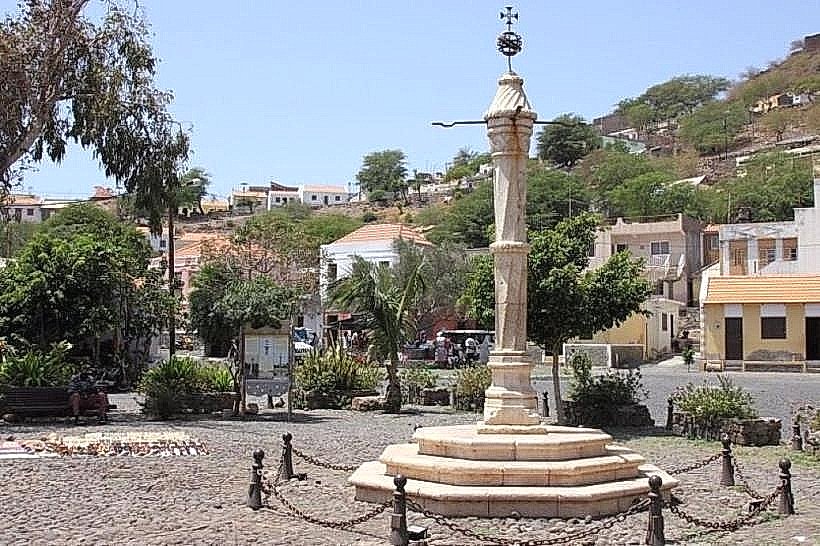
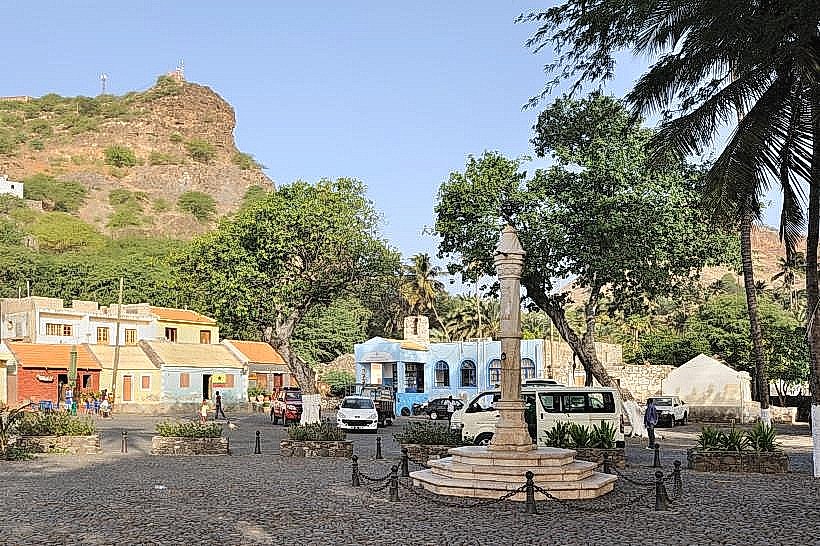
Pelourinho (Pillory): A 1512 marble monument in the town square used for the public punishment and sale of enslaved people.
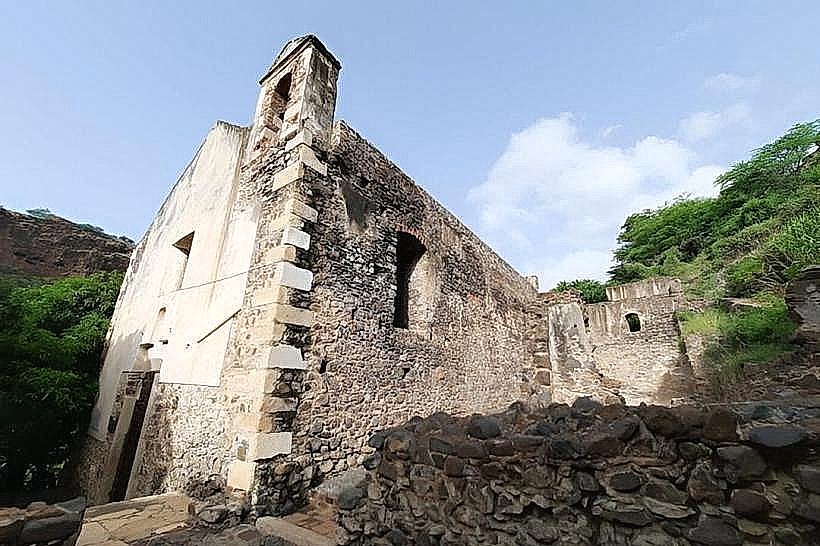
Sé Catedral (Cathedral): The ruins of the first cathedral in the tropics, begun in 1556 and completed in 1700.
Convento de São Francisco: A restored Franciscan convent and church.
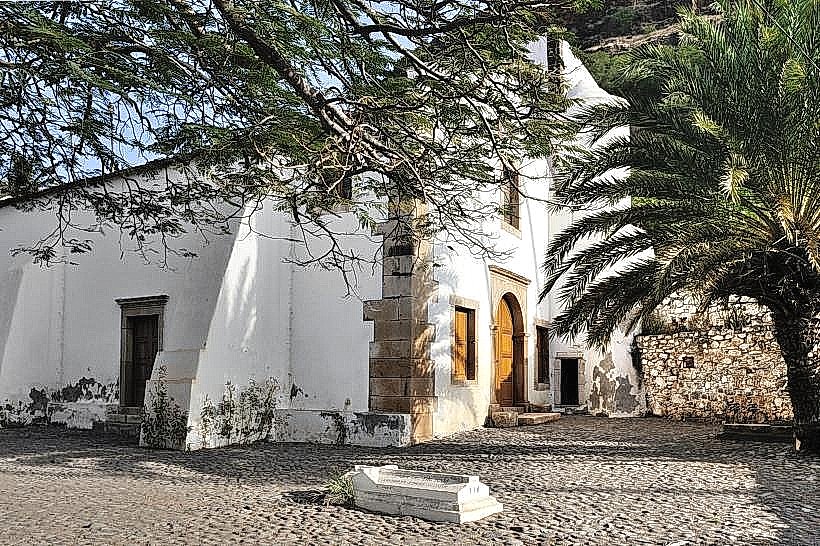
Igreja de Nossa Senhora do Rosário: Built in 1495, it is the oldest colonial church in the world still in use.
Transportation Network
Movement is conducted via taxi or aluguer from Praia.
Access: Located 15 km west of Praia; reached via a 20-minute drive on a paved coastal road.
Internal: The historic center is strictly pedestrian.
Public Transit: Frequent shared minibuses (Hiaces) run between Praia (Sucupira Market) and Cidade Velha throughout the day.
Safety & "Red Zones"
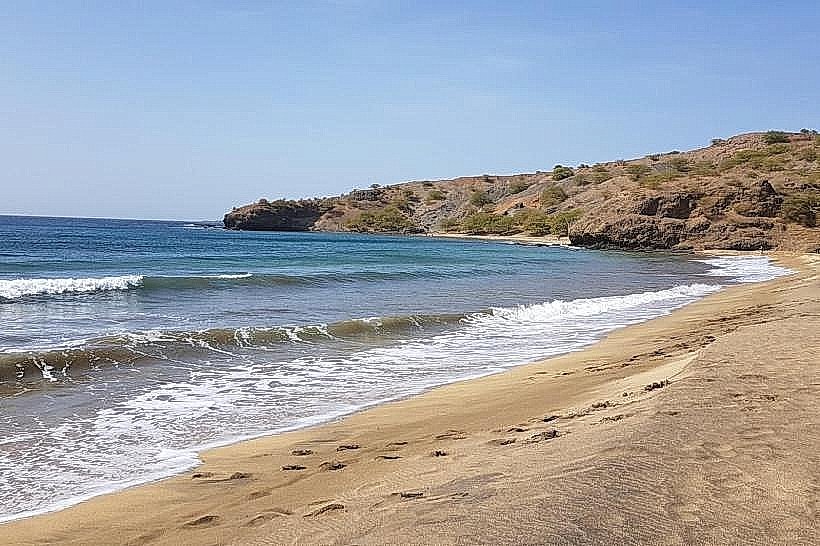
Current Status: Exercise Normal Precautions. The site is safe and well-patrolled. Be cautious when walking the steep paths to the fortress in the heat. Petty theft can occur near the beach or tourist areas; avoid leaving valuables unattended while swimming in the rocky coves.
Digital & Financial Infrastructure
4G mobile data is available (CV Móvel, Unitel T+). There is one ATM (Vinti4) in the main square, but it is frequently out of cash. Most restaurants and guesthouses prefer cash (CVE or EUR), though a few upscale establishments accept international cards.
Climate & Air Quality
The climate is subtropical dry. Temperatures range from 21°C to 29°C. The valley provides a microclimate that is slightly more humid than the surrounding plateaus. Air quality is Excellent due to constant Atlantic breezes.
Culture & Social Norms
The town is the birthplace of Batuque music. Tipping is not mandatory but 100–200 CVE is appreciated for local guides. Respectful behavior in the ruins and churches is expected. Visitors are encouraged to dress modestly when entering religious sites.
Local Cost Index
1 Espresso: USD 1.25 (130 CVE)
1 Standard Lunch: USD 10.00 (1,100 CVE)
1 Aluguer trip from Praia: USD 1.00 (100 CVE)
Facts & Legends
Cidade Velha is often called "The Cradle of Cabo Verdean Nationality." A local legend claims that the valley is protected by the spirits of those who built the cathedral; historically, the city was so wealthy that its churches were once filled with gold and fine Portuguese tiles, much of which was looted by pirates. It is the site where the first experimentation with tropical agriculture in the Atlantic occurred, introducing crops like sugar cane and maize to the region.