Information
Landmark: Ribeira Grande de SantiagoCity: Cidade Velha
Country: Cabo Verde
Continent: Africa
Ribeira Grande de Santiago, Cidade Velha, Cabo Verde, Africa
Ribeira Grande de Santiago is the river valley that gave Cidade Velha its original name and life. Stretching from the hills above the town down to the coast, this narrow, fertile corridor has shaped both settlement patterns and the island’s early history. The valley is lined with low stone terraces, patches of tropical vegetation, and scattered houses, creating a layered landscape where human activity and natural topography blend seamlessly.
Historical Importance
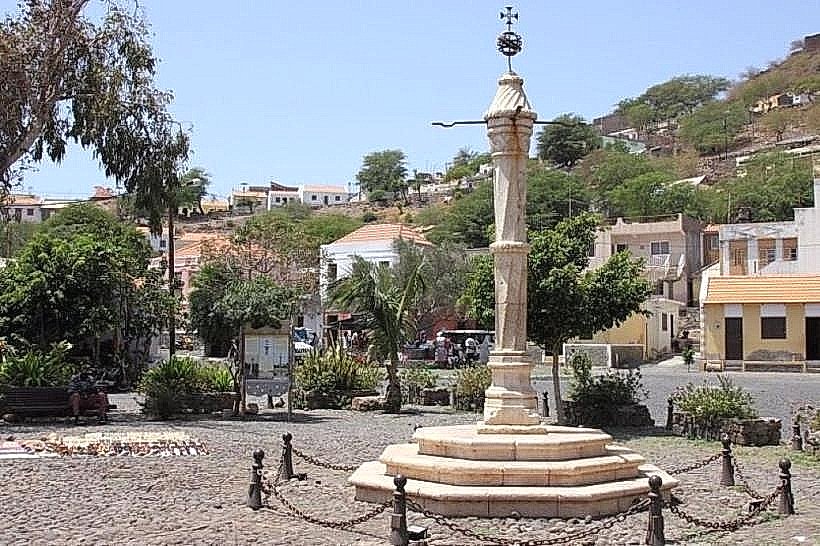
This valley was the lifeline of the first European settlement in Cabo Verde, providing fresh water, arable land, and a natural route from the coast inland. In the fifteenth and sixteenth centuries, Ribeira Grande became a central point for trade, agriculture, and governance, serving as a hub for sugarcane cultivation and a key stop in the transatlantic trade network. Many of the town’s oldest structures-including churches, administrative buildings, and the Pelourinho Pillory-were strategically positioned along or near the valley, taking advantage of its resources and defensive potential.
Landscape and Environment
Walking through the valley today, the mix of rugged volcanic hills and green pockets of cultivated land is striking. Palm trees and small fruit orchards punctuate the landscape, while dry stone walls outline the terraces and pathways. The riverbed itself is often dry outside of the rainy season, revealing smooth stones and occasional patches of grass, but the valley still channels the sound of distant wind and the occasional call of birds, giving the area a sense of quiet vitality.
Architectural and Cultural Features
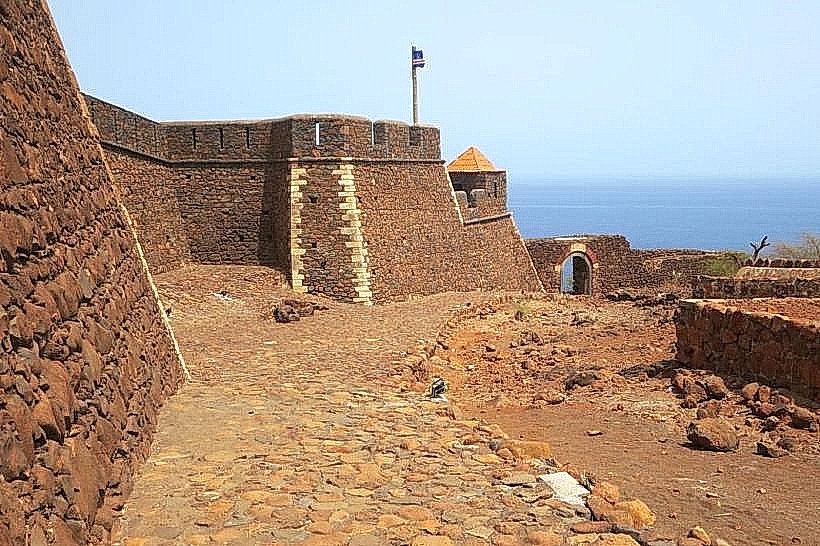
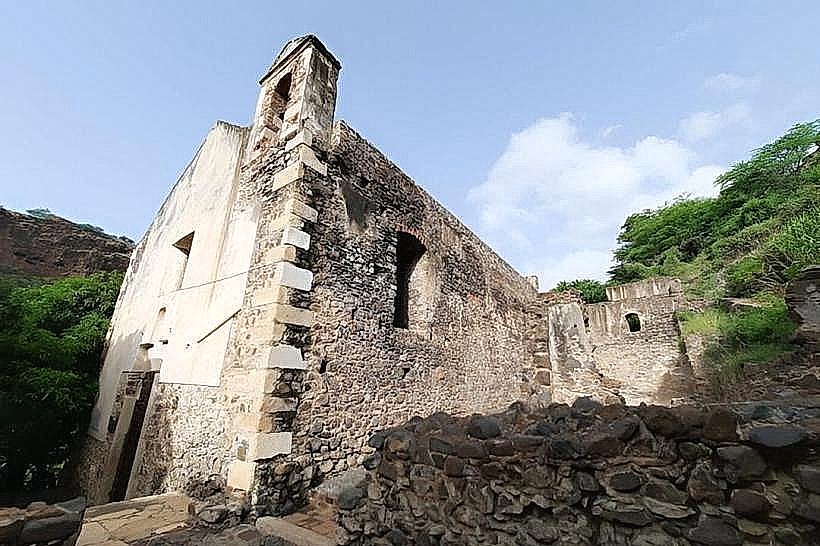
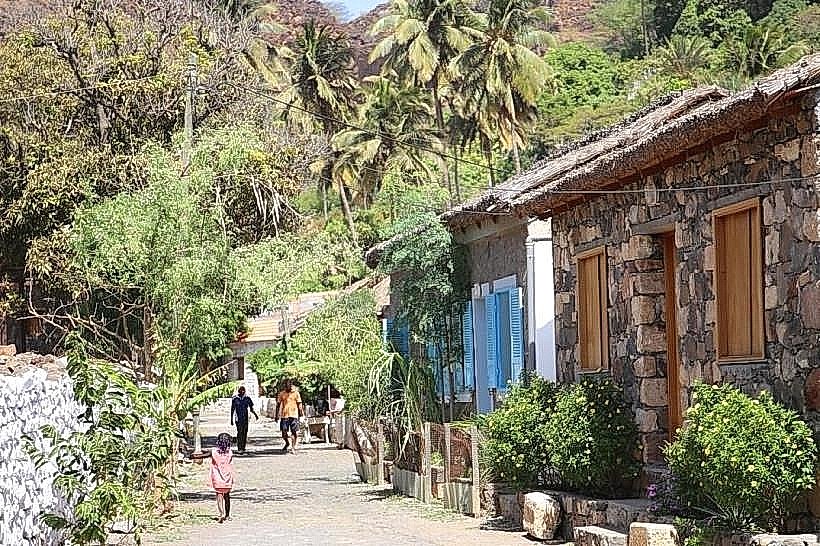
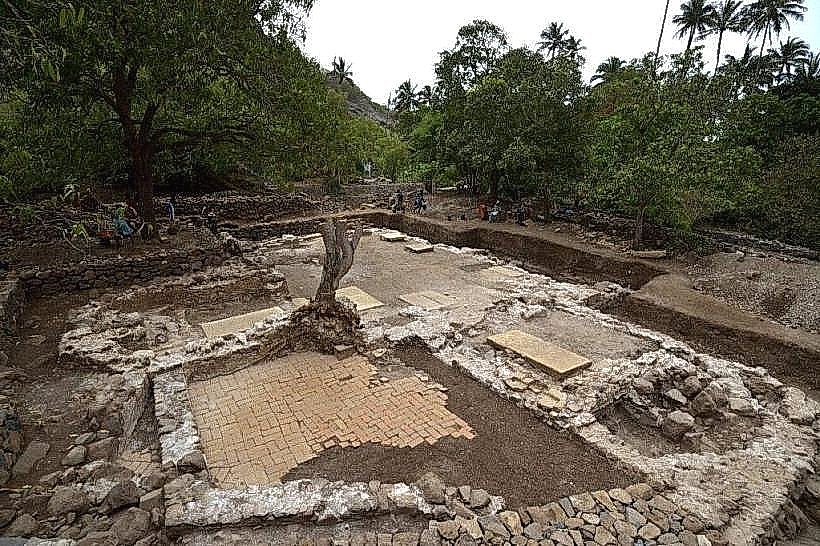
Ribeira Grande de Santiago hosts several historic landmarks along its length. Near the lower valley lie the ruins of churches and the foundations of colonial-era homes, while ascending paths lead toward Fortaleza Real de São Filipe. Small chapels and modest stone dwellings line the routes, and narrow cobbled streets hint at the town’s medieval grid, preserved in miniature. The valley also features viewpoints where visitors can look back toward the Atlantic, seeing the blend of ocean, valley, and town in one sweeping panorama.
Visitor Experience
Exploring Ribeira Grande is an intimate experience. The paths are often quiet, and walking through the terraces and alleys evokes a sense of connection to the early settlers’ daily lives. The valley’s mix of natural beauty and historical remnants encourages a slow pace, allowing visitors to notice the textures of stone walls, the patterns of cultivation, and the interplay of sunlight and shadow across the slopes.
Connection to Cidade Velha
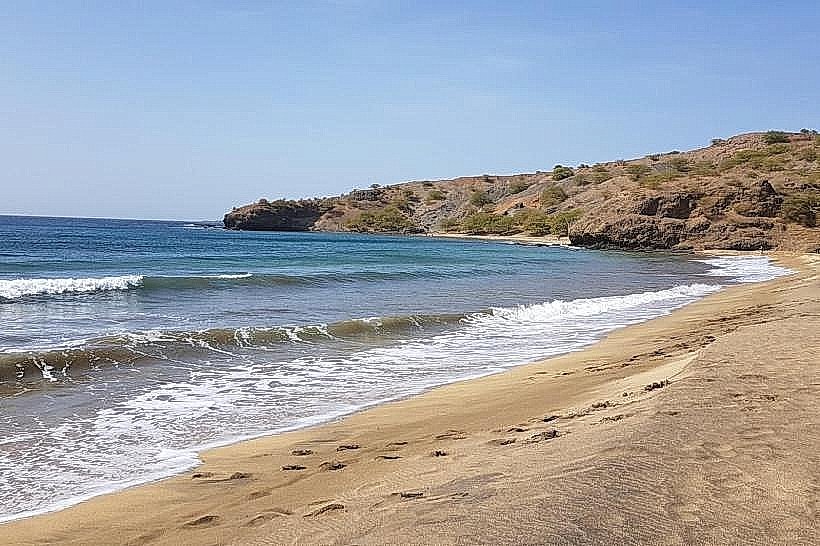
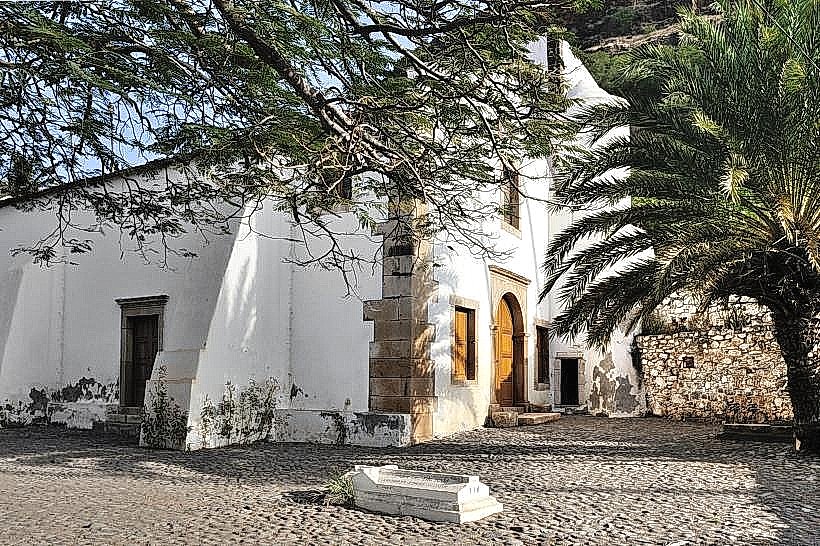
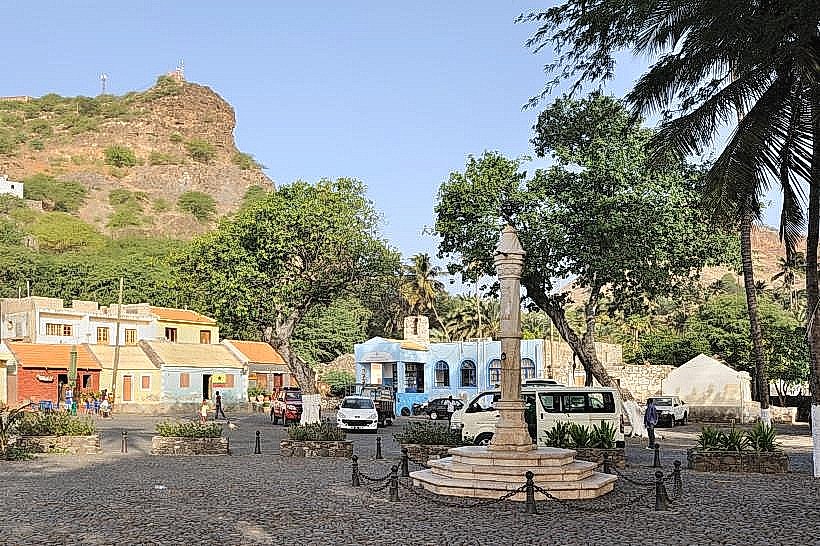
Ribeira Grande de Santiago is the backbone of Cidade Velha. It links the town’s historic core-including the Main Square, Igreja Nossa Senhora do Rosário, and the Pelourinho Pillory-with the hills above and the coastal beach areas below. Walking or gazing along the valley provides both a geographical and historical framework, making it clear why this site became the first colonial settlement in the archipelago.
Closing Note
Ribeira Grande de Santiago is more than a valley: it is a living thread connecting the natural landscape, human settlement, and centuries of history. Its combination of serene beauty and deep cultural resonance makes it central to understanding Cidade Velha and its enduring legacy.