Information
City: Ribeira BravaCountry: Cabo Verde
Continent: Africa
Ribeira Brava, Cabo Verde, Africa
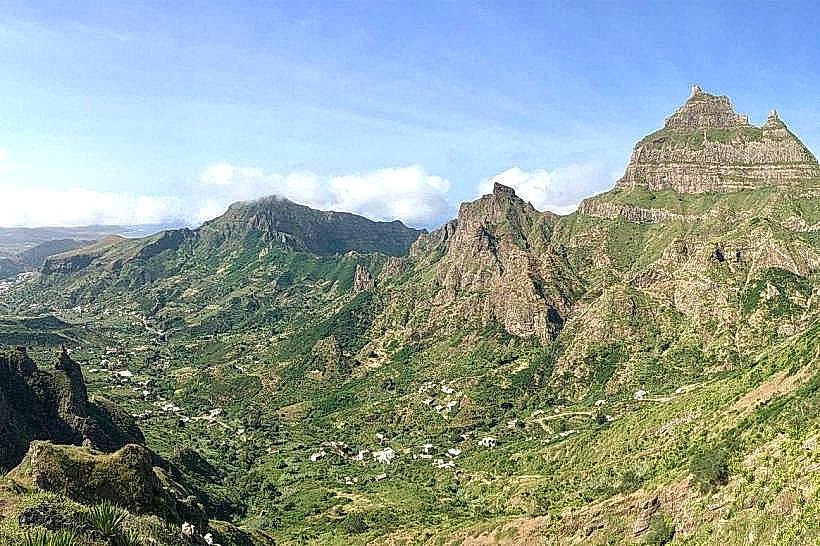
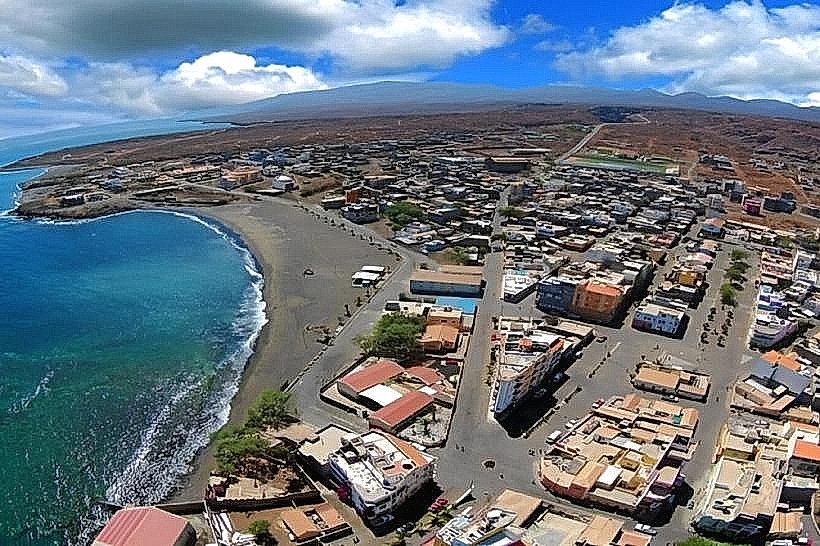
Ribeira Brava serves as the administrative capital of São Nicolau Island and functions as the primary cultural and religious center for the island’s interior. It is situated in a deep, narrow valley along the banks of the eponymous (now largely seasonal) river, surrounded by steep volcanic massifs.
Historical Timeline
The town was founded in the mid-17th century, specifically around 1650, positioned inland to protect the population from frequent pirate raids on the coast. Primary eras of governance include the Portuguese colonial period and the post-independence era. The most significant architectural consolidation occurred in 1780 with the establishment of the Diocese, making it a regional center for education and clergy. The current urban form was primarily shaped by the 19th-century construction of the seminary-lyceum, which established the city as the "intellectual capital" of the archipelago during that era.
Demographics & Population
The town contains approximately 1,900 residents, while the surrounding municipality totals roughly 7,000. The demographics are predominantly Crioulo (Mestizo). The population has historically been impacted by high rates of emigration to Europe and South America. The median age is approximately 27 years.
Urban Layout & Key Districts
The city is organized linearly along the valley floor with narrow, winding streets climbing the adjacent slopes. The most important districts are the Centro Histórico (surrounding the Cathedral) and the Stão residential area to the north. The town is physically constrained by the Ribeira Brava canyon walls, with the main road connecting it to the airport at Preguiça to the southeast and Tarrafal to the west.
Top City Landmarks
Cathedral of Nossa Senhora do Rosário
Seminário-Liceu de São José
Praça do Canhão
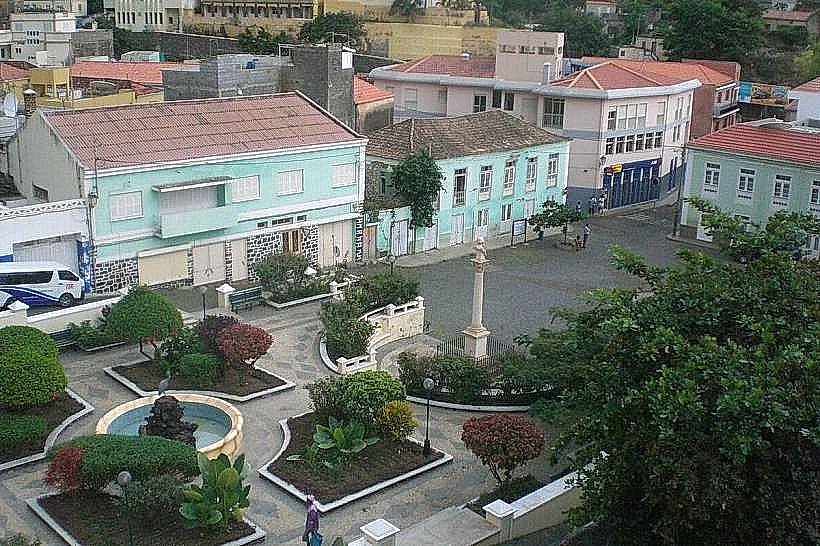
Jardim de Ribeira Brava
Passos da Paixão (Station of the Cross shrines)
Transportation Network
Movement within the town is conducted exclusively on foot due to the steep, narrow cobblestone alleys. For inter-city travel, Aluguer (shared minibuses) congregate at the main square. There is no rail or metro system. Taxis are blue and white, typically four-wheel-drive vehicles necessitated by the island's terrain. Traffic density is minimal.
Safety & "Red Zones"
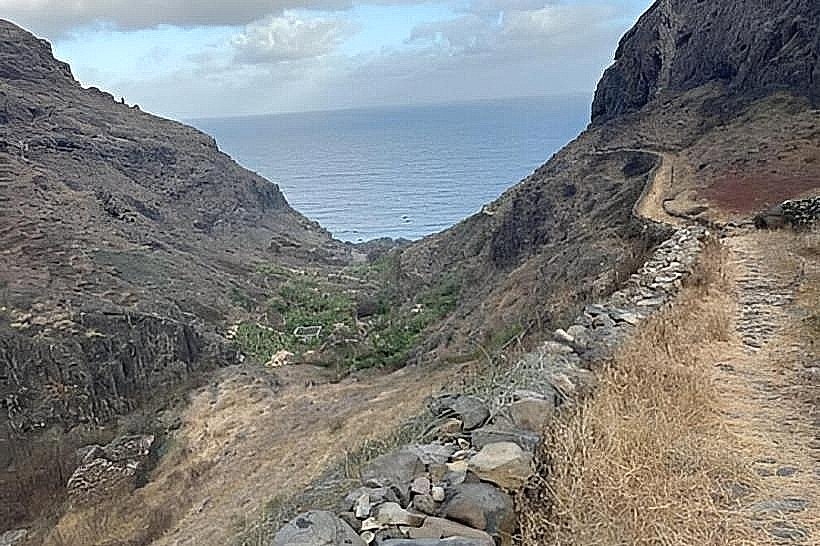
The general safety level is very high. Violent crime is effectively non-existent. There are no neighborhoods or streets designated as "red zones." Standard caution is advised only for hikers on the peripheral mountain trails where the terrain can be unstable.
Digital & Financial Infrastructure
Average internet speed is 20-35 Mbps (4G). Main mobile carriers are CV Móvel and T+. Card acceptance is low; cash (CVE) is required for most transactions. There are two ATMs (Vinte4 network) located in the town center, which may experience downtime during power fluctuations.
Climate & Air Quality
Temperatures range from 18°C–24°C in winter to 23°C–29°C in summer. The valley location creates a microclimate that is more humid than the coast. Air quality is exceptionally high, though Saharan dust (Bruma Seca) can settle in the valley between January and March, reducing visibility.
Culture & Social Norms
Tipping is not mandatory but appreciated (approx. 5-10%). Social interaction is governed by "Morabeza" and formal greetings are expected when passing locals in the street. Dress code is modest; the town maintains a traditional atmosphere. Public behavior is generally quiet and centered around the church and square.
Accommodation Zones
Centro (Near Cathedral): Recommended for logistical access to transport, administrative offices, and historical sites.
Passagem: Recommended for a quieter environment on the edge of the town with better access to hiking trails.
Local Cost Index
1 Espresso: 80 CVE ($0.78)
1 Standard Lunch: 750 CVE ($7.30)
1 Metro/Bus Ticket: 150 CVE ($1.46) - (Aluguer to Tarrafal)
Nearby Day Trips
Parque Natural de Monte Gordo (12 km)
Tarrafal de São Nicolau (25 km)
Preguiça (8 km)
Fajã Valley (10 km)
Facts & Legends
A unique local oddity is the city’s historical reputation as the "Cradle of the Cape Verdean Intellectual." In the 19th century, its seminary was the only institution of higher learning in West Africa under Portuguese rule, attracting students from across the empire. A local legend concerns the "Dragon Tree of Ribeira Brava," an ancient specimen once believed to bleed the "blood of dragons" (red sap), which was harvested by early settlers for its supposed medicinal and alchemical properties.