Information
City: TarrafalCountry: Cabo Verde
Continent: Africa
Tarrafal, Cabo Verde, Africa
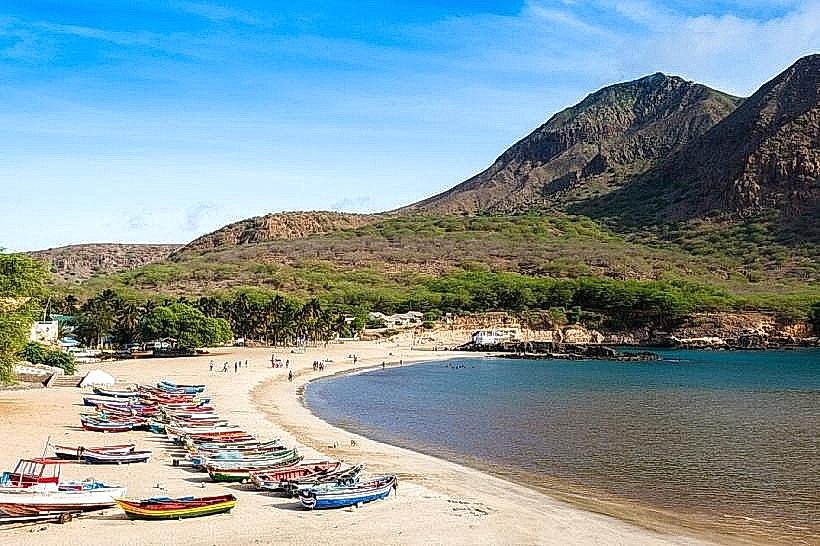
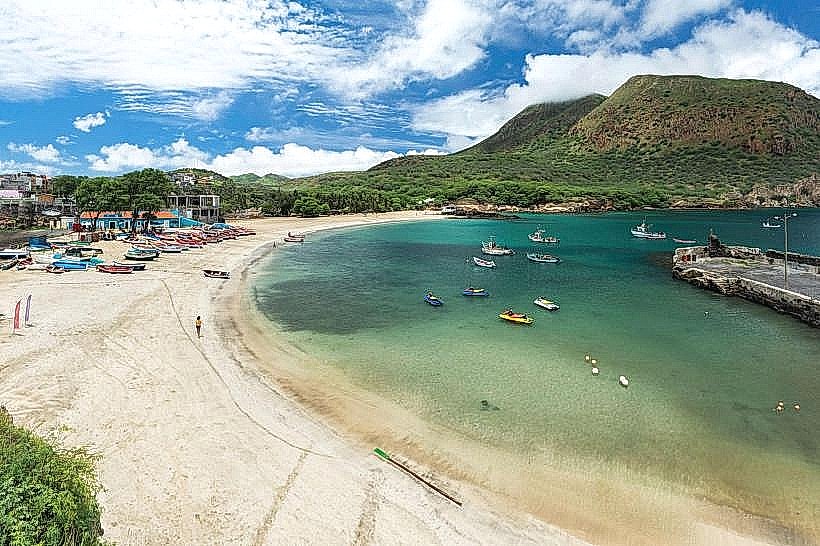
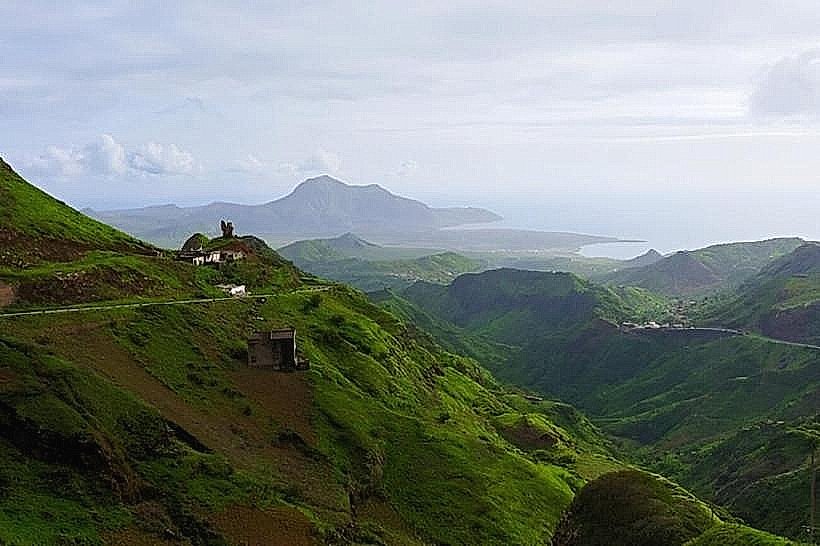
Tarrafal is a major town on the northern coast of Santiago Island, Cabo Verde. It is the island's primary coastal tourism destination, distinguished by its white-sand beach and its proximity to the Serra Malagueta mountains.
Historical Timeline
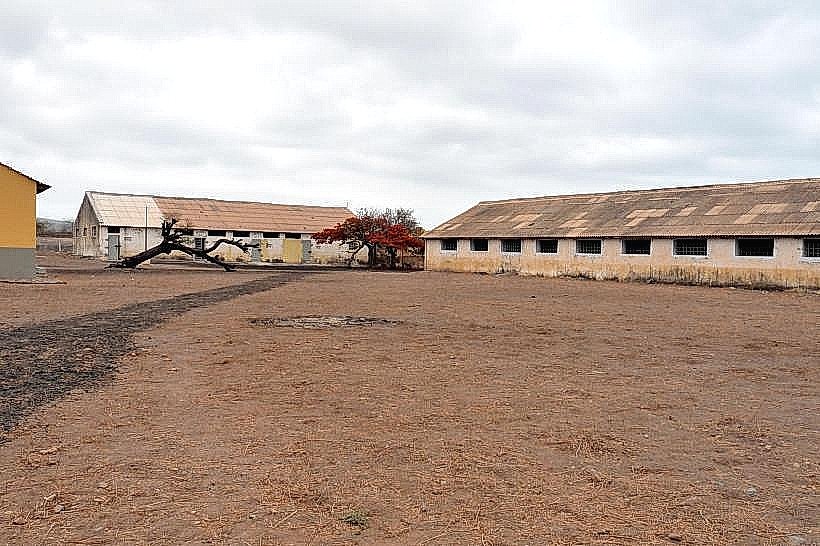
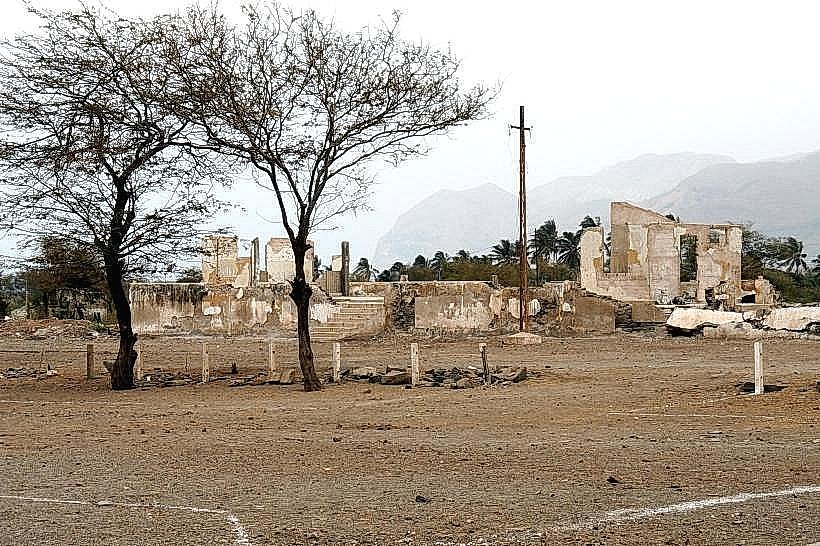
Tarrafal gained international notoriety during the mid-20th century as the site of the Tarrafal Concentration Camp (Chão Bom), established by the Portuguese Salazar regime in 1936 to imprison political dissidents from Portugal and its African colonies. After Cabo Verde gained independence in 1975, the town transitioned into a fishing hub and, more recently, a center for eco-tourism and beach leisure.
Demographics & Population
The 2026 urban population is estimated at approximately 9,000, with the wider municipality reaching 18,500. The population is predominantly Mestiço. While Portuguese is the official language, Santiago Creole (Badiu) is the dominant spoken dialect.
Urban Layout & Key Districts
The town is organized around a central plaza and the adjacent coastline.
The Center: A grid of colonial-style streets featuring the church and administrative buildings.
Praia de Tarrafal: The main palm-lined beach area and the surrounding hotel zone.
Chão Bom: A residential district located 2 km south of the center, home to the historic prison site.
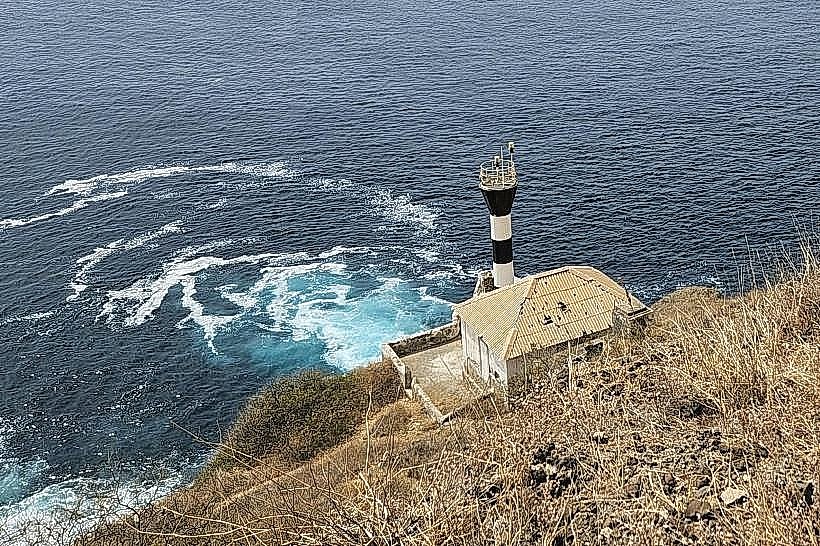
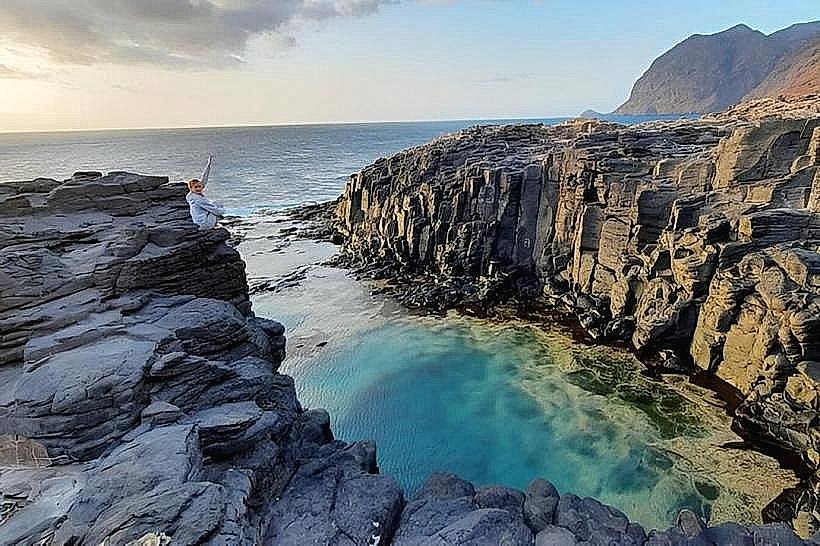
Pontu d'Atum: A rocky northern point popular for diving and watching the sunset.
Top City Landmarks
Tarrafal Beach: A sheltered bay with white sand, unique on an island mostly characterized by volcanic black sand.
Resistance Museum (Tarrafal Camp): A somber memorial and museum located in the former concentration camp, detailing the history of the colonial struggle.
Igreja de Santo Amaro: The town's central 19th-century church.
Mar de Baixo: A smaller, more rugged beach popular with local surfers and bodyboarders.
Serra Malagueta: Located just south of the town, offering the island's highest-altitude hiking trails.
Transportation Network
Movement is conducted via alugueres and taxis.
Roads: Tarrafal is the northern terminus of the EN1-ST01 highway. It is approximately 75 km from Praia via the interior (Assomada) or 80 km via the coastal road.
Public Transit: Shared minibuses (Hiaces) run continuously to Praia and Assomada.
Maritime: A small pier supports local fishing boats, but there is no regular ferry service.
Safety & "Red Zones"
Current Status: Exercise Normal Precautions. Tarrafal is generally safer than Praia. Petty theft (beach bag snatching) occurs occasionally on the main beach. Avoid walking to the Concentration Camp museum alone at night along the main road. Be aware that the Atlantic currents outside the protected bay can be extremely strong.
Digital & Financial Infrastructure
Average internet speed is 15–25 Mbps via 4G mobile data (CV Móvel, Unitel T+). Several Vinti4 ATMs are available in the town center and accept international cards. Card acceptance is common in hotels and larger restaurants but rare in local shops.
Climate & Air Quality
Tarrafal has a tropical dry climate. It is slightly warmer than Assomada but benefits from constant sea breezes. Temperatures range from 20°C to 29°C. Air quality is Excellent.
Culture & Social Norms
The town is a center for Funaná music. Tipping is not required but 5–10% is standard in tourist establishments. Dress is casual. The community is deeply tied to the sea; the arrival of the fishing fleet in the afternoon is a major daily social event.
Local Cost Index
1 Espresso: USD 1.25 (130 CVE)
1 Standard Lunch: USD 10.00 (1,100 CVE)
1 Aluguer trip to Praia: USD 5.00 (500 CVE)
Facts & Legends
Tarrafal is often referred to as the "Slowest Town on Santiago" due to its relaxed pace of life. A local legend states that the palm trees on the beach were planted by a shipwrecked sailor to mark the spot where he found water. Historically, the Concentration Camp was known as the "Camp of Slow Death" due to the harsh conditions and malaria that plagued prisoners before modern medical interventions.