Information
City: Porto Novo CityCountry: Cabo Verde
Continent: Africa
Porto Novo City, Cabo Verde, Africa
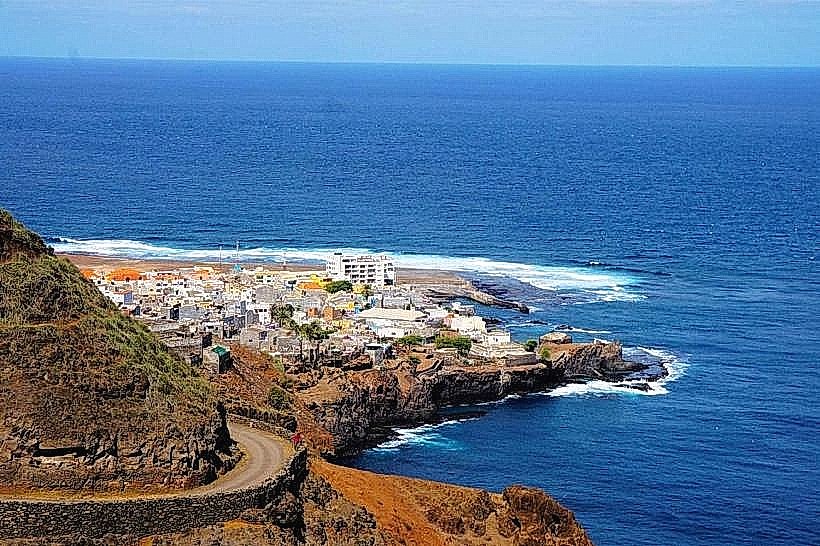
Porto Novo is the capital of the Porto Novo municipality and the primary maritime gateway to Santo Antão, the second-largest island in Cabo Verde. Located on the arid southeastern coast, it serves as the essential transit point connecting the rugged, mountainous interior of the island to the rest of the archipelago.
Historical Timeline
Porto Novo was originally a small fishing village known as Carvoeiros. Its development accelerated in the late 19th and early 20th centuries as it replaced the northern ports (like Ribeira Grande) as the island's main harbor due to its calmer waters and better suitability for large vessels. It was officially elevated to the status of a city in 2005, following significant modernizations of its port facilities and road infrastructure.
Demographics & Population
The 2026 population is estimated at approximately 10,500 for the urban core, with the wider municipality reaching 16,000. The population is a mix of African and European ancestry. While Portuguese is the official language, the local Santo Antão Creole is spoken with a distinct, rhythmic accent that differs from the dialects of Mindelo or Praia.
Urban Layout & Key Districts
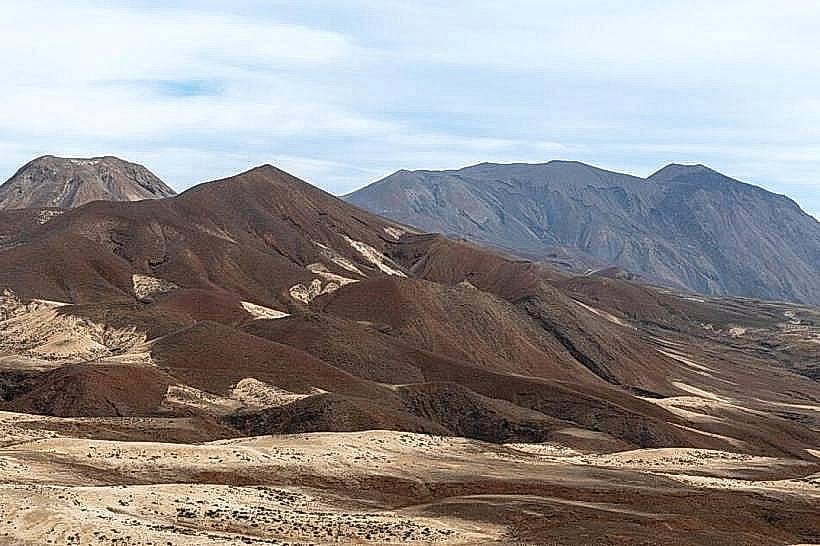
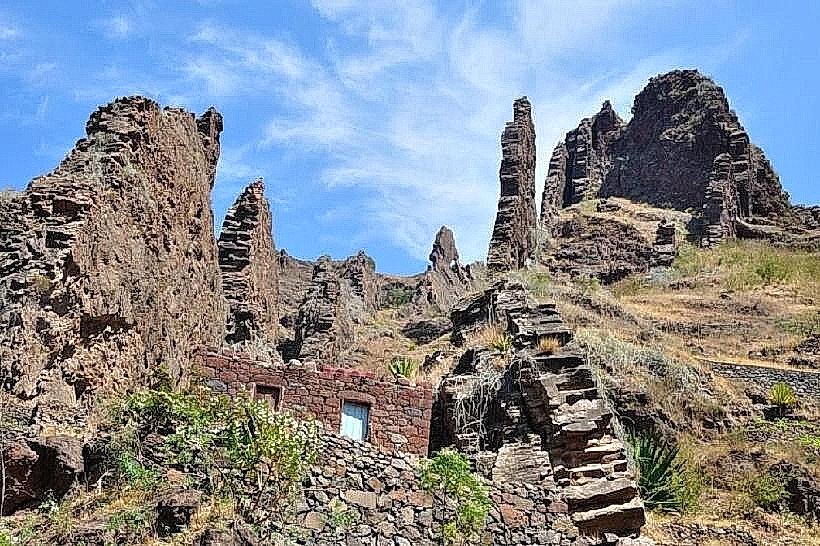
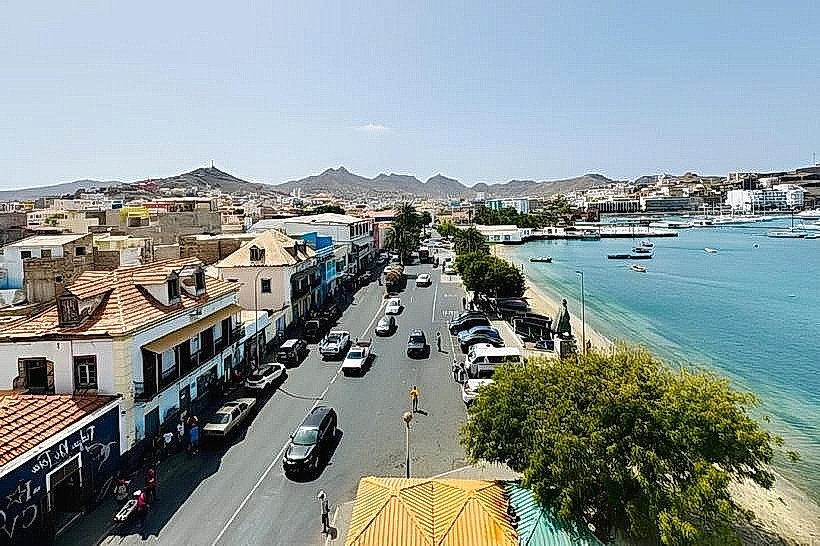
The city is built on a semi-arid coastal plain against the backdrop of massive volcanic peaks.
The Port Area: The economic heart of the city, where the ferry terminal and customs offices are located.
Avenida Amílcar Cabral: The main commercial artery lined with shops, banks, and administrative buildings.
Antigo Quartel: A residential district characterized by colorful houses and a growing number of guesthouses.
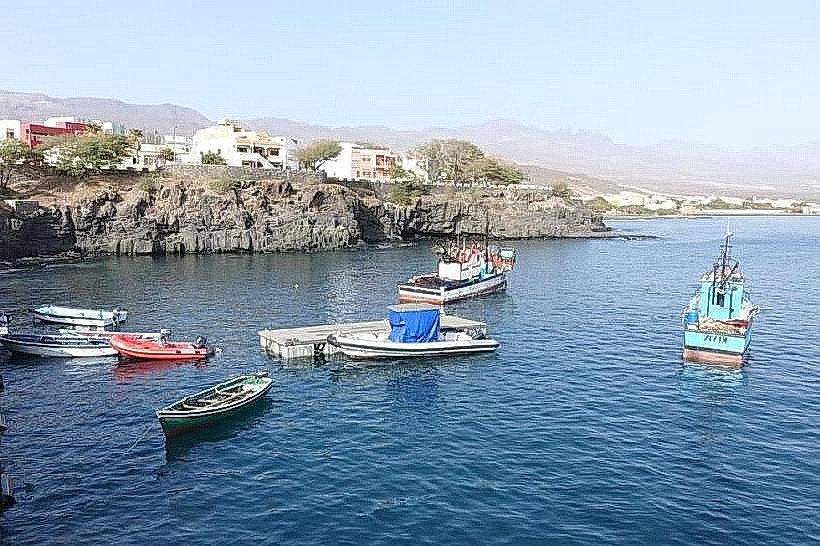
The Waterfront: A scenic promenade that hosts the city’s fish market and several seaside cafes.
Top City Landmarks
Port of Porto Novo: One of the most modern ferry terminals in Cabo Verde, handling nearly all passengers and goods for the island.
The Fish Market (Mercado de Peixe): A vibrant morning hub where the daily catch is traded.
Igreja de São João Baptista: The city's main church and the center of the largest annual festival in June.
Estatua de São João: A monument overlooking the city dedicated to its patron saint.
The Old Custom House: A colonial-era building representing the city's maritime history.
Transportation Network
Movement is defined by the ferry link and the island's spectacular road network.
Maritime: Multiple daily ferries connect Porto Novo to Mindelo on São Vicente (1-hour crossing). This is the only way for most travelers to reach the island.
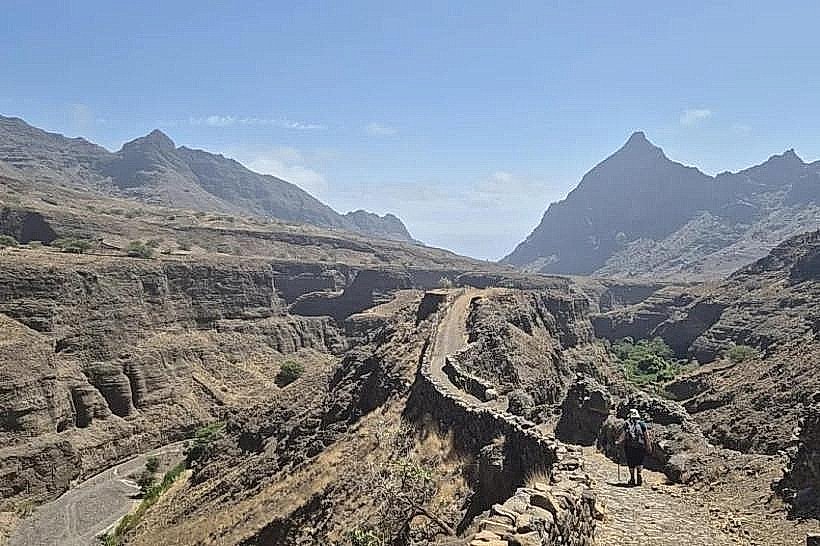
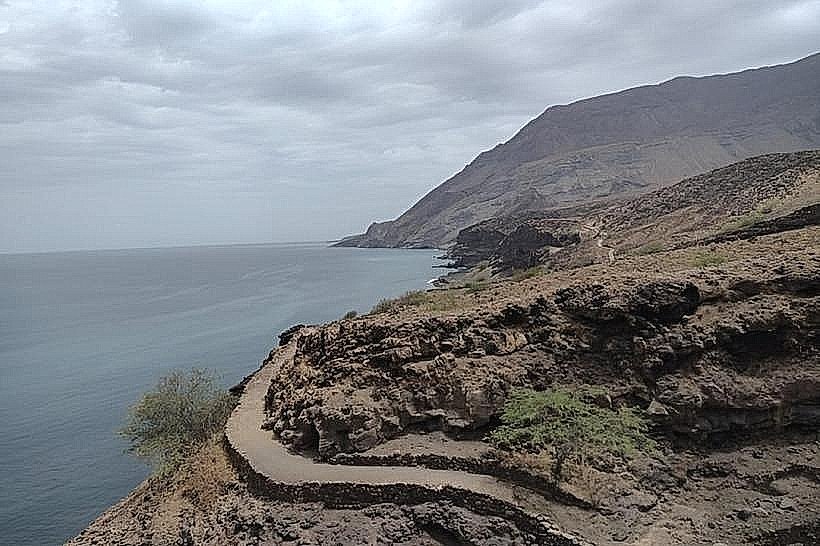
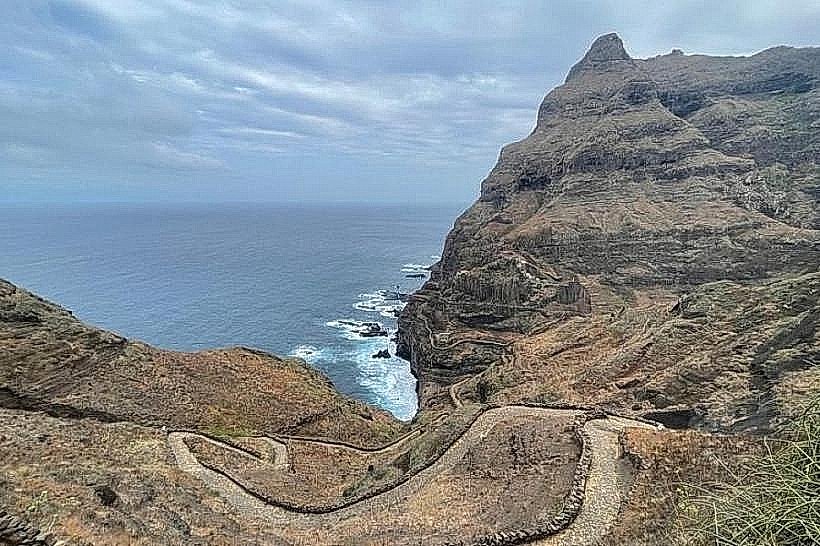
Roads: The city is the starting point for the Estrada da Corda, a historic cobblestone road that climbs to the mountain ridges, and the new coastal highway leading to Paul and Ribeira Grande.
Public Transit: Shared minibuses (Hiaces) congregate at the port to transport arriving ferry passengers to all corners of the island.
Safety & "Red Zones"
Current Status: Exercise Normal Precautions. Porto Novo is exceptionally safe. Petty crime is rare, even compared to other Cabo Verdean cities. The primary risk involves the island's steep and winding roads; travelers driving rental cars should exercise extreme caution on the high-altitude cobblestone passes.
Digital & Financial Infrastructure
Average internet speed is 15–25 Mbps via 4G mobile data (CV Móvel, Unitel T+). Several Vinti4 ATMs are located along the main avenue and near the port. Card acceptance is common in hotels and the port terminal but rare in smaller local businesses.
Climate & Air Quality
Porto Novo has a tropical desert climate and is the driest part of the island. Temperatures range from 20°C to 29°C. Air quality is Excellent, though the city can be dusty during high winds. Note that while Porto Novo is dry, the mountains just 10 km away are often cool, foggy, and rainy.
Culture & Social Norms
The city is famous for the Festa de São João (June 24th), one of the largest and most traditional festivals in the country, featuring horse racing, drumming, and the Colá San Jon dance. Tipping is not mandatory but 100–200 CVE is appreciated. The local culture is deeply hospitable (Morabeza).
Local Cost Index
1 Espresso: USD 1.25 (130 CVE)
1 Standard Lunch: USD 9.00 (1,000 CVE)
1 Ferry Ticket to Mindelo: USD 9.00 (1,000 CVE)
Nearby Day Trips
Cova Crater (20 km): An extinct volcanic crater with a lush floor used for agriculture, marking the start of major hiking trails.
Ribeira de Paúl (30 km): The greenest valley in Cabo Verde, accessible via the coastal road.
Tarrafal de Monte Trigo (50 km): A remote black-sand beach accessible via a rugged, scenic drive.
Facts & Legends
Porto Novo is the "Gateway to the Mountains." A local legend tells of the "Hidden Valley," a mythical place deep in the interior where the first settlers survived by drinking only the dew from the leaves. Historically, the city has evolved from a dusty refueling stop into a modern logistic hub that sustains the most agriculturally productive island in the archipelago.