Information
Landmark: Santo Antão IslandCity: Porto Novo City
Country: Cabo Verde
Continent: Africa
Santo Antão Island, Porto Novo City, Cabo Verde, Africa
Santo Antão, the westernmost and second-largest island of Cape Verde, is renowned for its dramatic landscapes, rugged mountains, and lush valleys. Unlike some of the drier islands in the archipelago, Santo Antão is celebrated for its verdant scenery, carved by deep river valleys and volcanic peaks. The island’s atmosphere combines a sense of isolation with abundant natural beauty, where the wind carries the scent of the ocean and the occasional earthy aroma of cultivated land.
Geography and Landscape
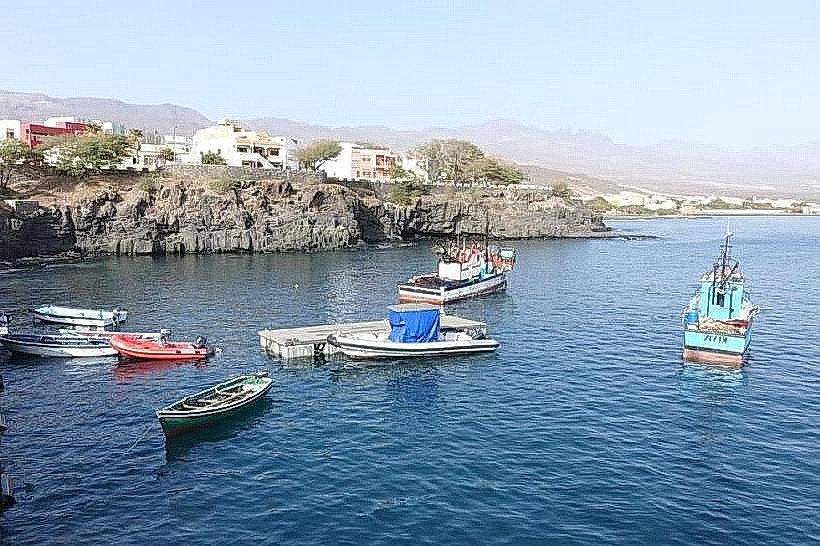
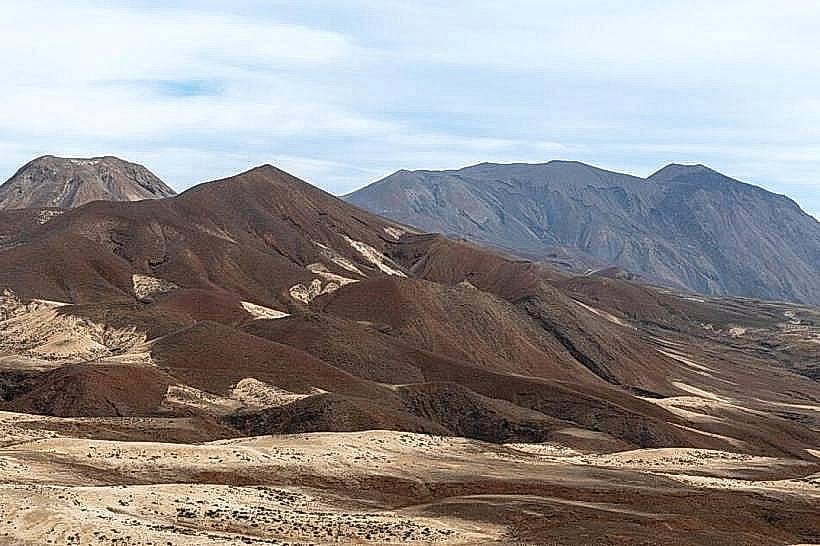
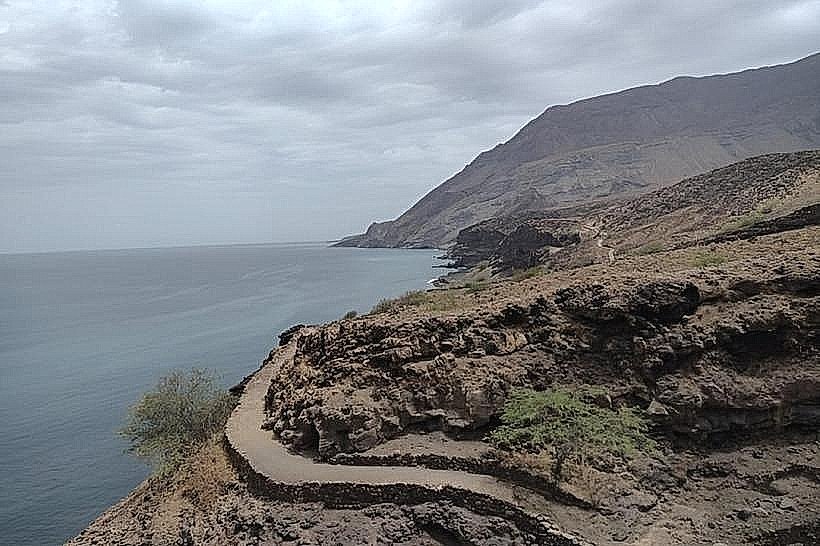
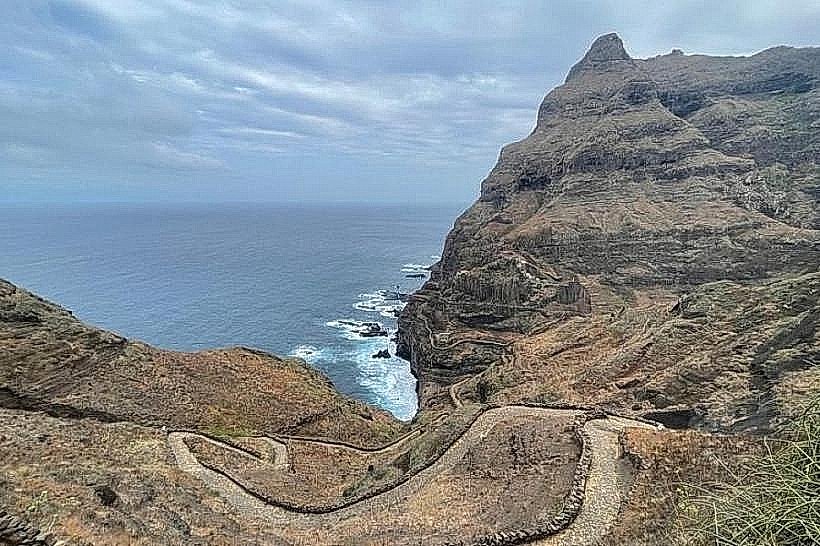
The island is mountainous, with the highest peak, Tope de Coroa, reaching 1,979 meters. Deep valleys-like Paul, Ribeira Grande, and Ribeira da Torre-cut through the terrain, creating fertile areas where terraced fields cascade down steep slopes. The coastline is steep and rocky, often punctuated by small coves and dramatic cliffs. Lush vegetation, including banana, sugarcane, and tropical fruit trees, contrasts with the stark volcanic rock, creating a patchwork of green against dark stone.
Climate and Environment
Santo Antão benefits from a more humid climate than many other Cape Verde islands due to northeast trade winds that bring moisture to the northern slopes. This microclimate supports agriculture and dense vegetation, while southern and leeward areas are drier and more exposed to sun and wind. The combination of altitude, wind, and rainfall creates a range of microenvironments that sustain diverse plant life, from cactus and dry scrub to tropical fruit trees and coffee plantations.
Culture and Local Life
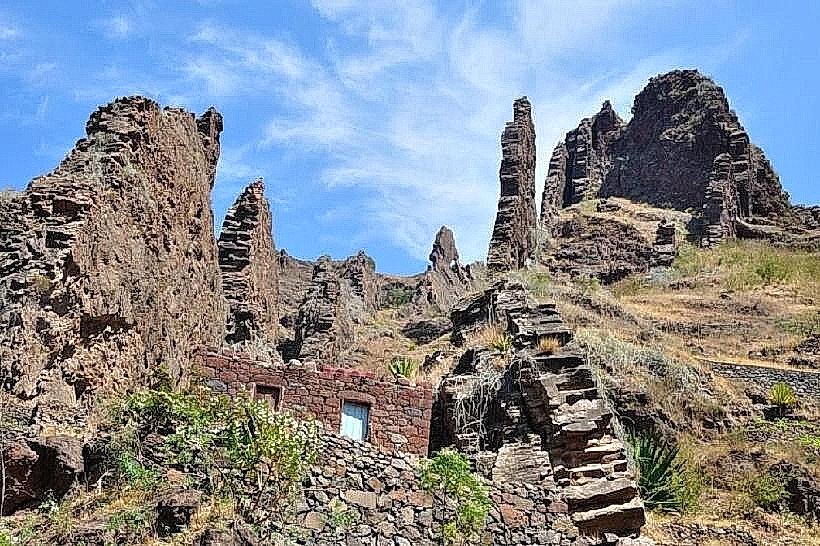
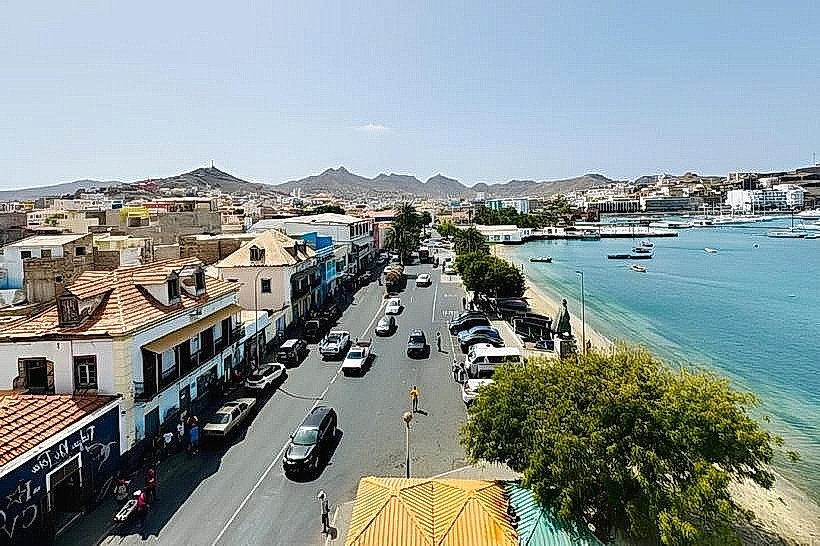
The island’s villages, such as Ponta do Sol, Ribeira Grande, and Paul, are characterized by traditional architecture with stone and clay houses, terraced farmland, and narrow, winding streets. Agriculture remains central, with residents cultivating coffee, sugarcane, bananas, and maize, often using traditional irrigation systems. Local markets, festivals, and music-particularly traditional morna and funaná rhythms-reflect a rich cultural heritage that blends African and Portuguese influences.
Tourism and Visitor Experience
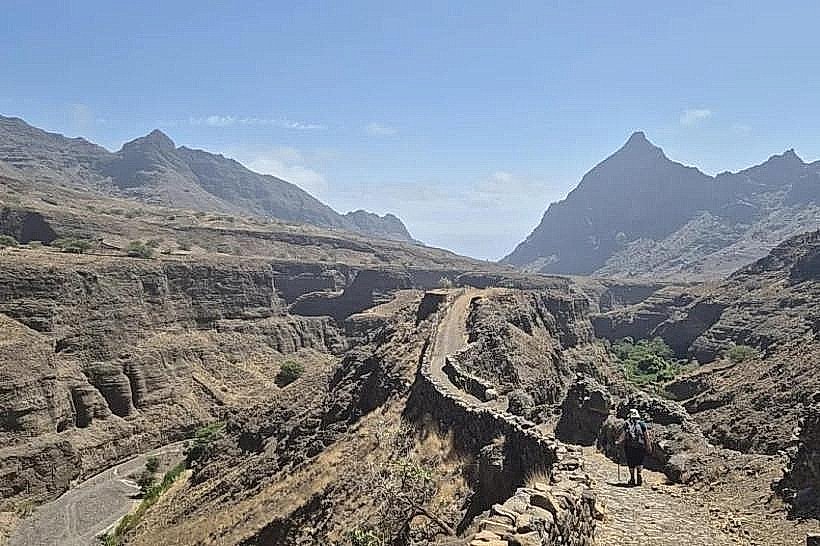
Santo Antão is a paradise for hikers and nature enthusiasts. Trails through valleys, mountains, and along ridges offer breathtaking views of terraced fields, waterfalls, and the Atlantic coastline. Coastal towns provide access to local markets, traditional cuisine, and small guesthouses. Many visitors explore the island by foot, appreciating the combination of dramatic landscapes, peaceful villages, and the authentic rhythms of daily life.
Closing Impression
Santo Antão stands out in Cape Verde for its striking contrast of rugged mountains and fertile valleys, its vibrant cultural life, and its opportunities for immersion in nature. The island’s dramatic scenery, lush terraces, and quiet villages offer an unforgettable experience for those seeking both adventure and authenticity in the archipelago.