Information
City: Pedra de LumeCountry: Cabo Verde
Continent: Africa
Pedra de Lume, Cabo Verde, Africa
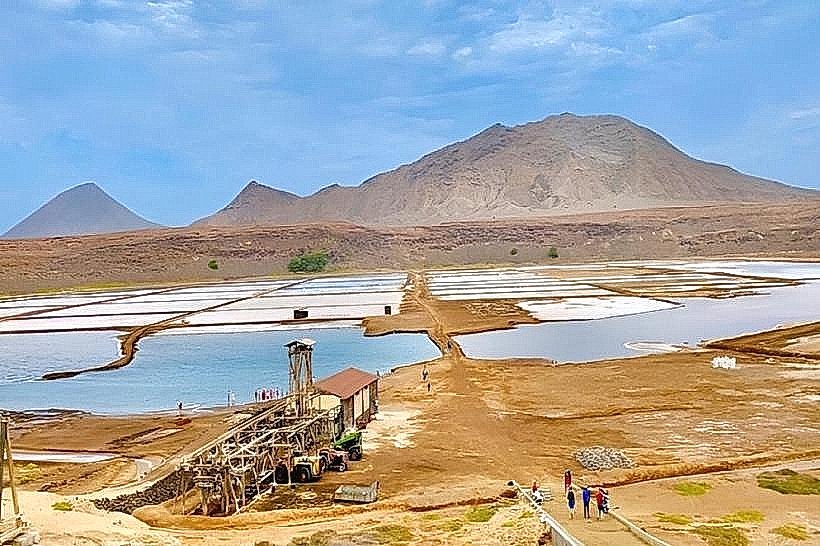
Pedra de Lume is a small village and major geological site on the eastern coast of Sal Island, Cabo Verde. It is famous for its extinct volcanic crater, which sits below sea level and houses one of the most unique salt evaporation systems in the world.
Historical Timeline
The salt pans (salinas) were established in 1796 by Manuel António Martins. For the next century, it was the primary source of Cabo Verde's wealth, exporting salt to Africa and Brazil. The industrial infrastructure reached its peak in 1921 with the installation of a massive aerial cableway system (teleferique) by a French company to transport salt directly from the crater to the port. Production ceased on a commercial scale in the 1990s, shifting the site's purpose entirely toward tourism.
Demographics & Population
The 2026 population is estimated at approximately 400 permanent residents. The village is primarily inhabited by local fishermen and workers associated with the tourist management of the salt pans.
Urban Layout & Key Districts
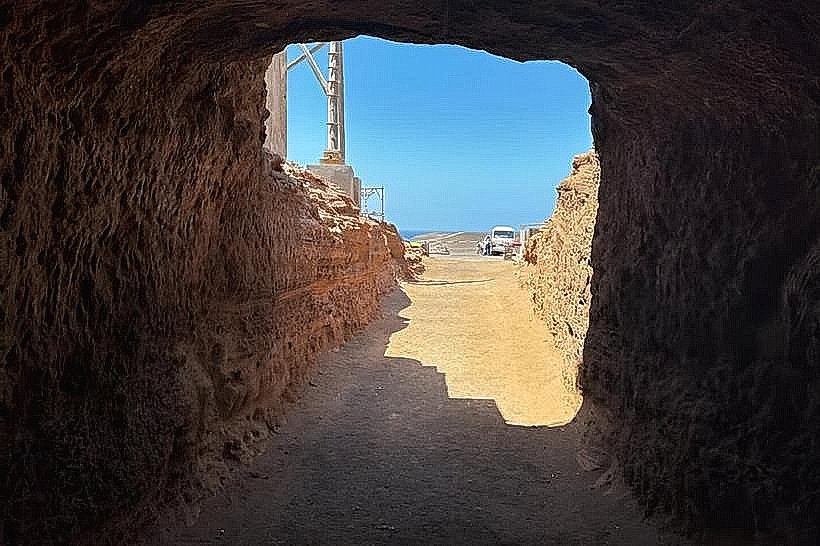
The Crater (Salinas): Located at the base of the extinct volcano, accessible via a man-made tunnel through the crater wall.
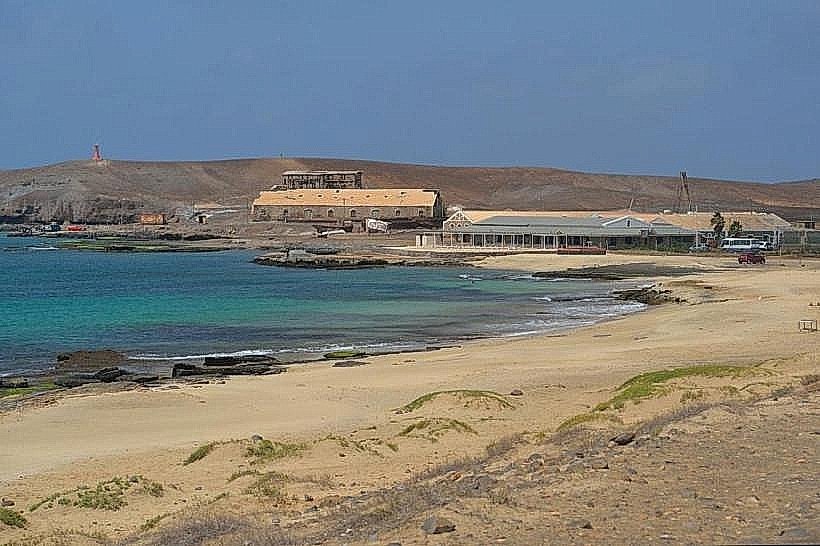
The Port: The coastal area featuring the remains of the old stone pier and colonial-era warehouses.
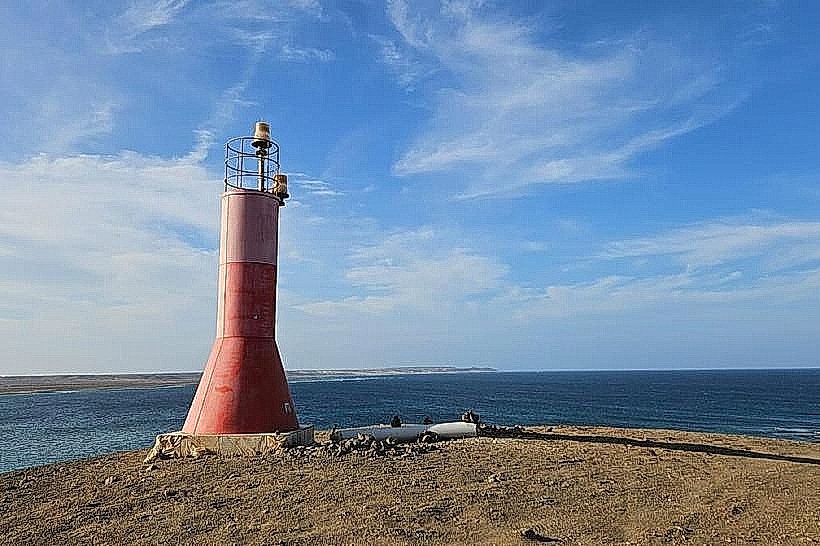
The Village: A cluster of small houses and the Farol de Pedra de Lume (lighthouse) located on the ridge overlooking the Atlantic.
Top City Landmarks
Salinas de Pedra de Lume: The salt evaporation ponds within the crater. The water is 26 times saltier than seawater, allowing visitors to float effortlessly.
The Aerial Cableway: The skeletal wooden towers and cables of the 1920s transport system, which remain a dominant part of the skyline.
Farol de Pedra de Lume: A small, white lighthouse with a red top that marks the easternmost point of the settlement.
Church of Nossa Senhora da Piedade: A modest but historic chapel located near the port.
Transportation Network
Movement is conducted via taxi or rental vehicle from the main hubs of Espargos or Santa Maria.
Access: Pedra de Lume is reached via a paved road from Espargos (approx. 5 km).
Internal: The site is navigated entirely on foot. There is a small entrance fee to access the crater through the tunnel.
Public Transit: There is no regular aluguer (minibus) service; travelers typically use private taxis.
Safety & "Red Zones"
Current Status: Exercise Normal Precautions. The site is safe for visitors. The primary risk is the high salinity of the water; swimmers are advised to avoid getting water in their eyes or mouth. The wooden structures of the old cableway are unstable; climbing them is strictly prohibited.
Digital & Financial Infrastructure
Internet connectivity (4G) is available but can be spotty within the crater due to the volcanic walls. There are no ATMs in the village; visitors must carry cash (CVE or EUR) for the entrance fee and local cafes.
Climate & Air Quality
Pedra de Lume has a hot, desert climate. It is extremely arid with constant winds. Temperatures range from 20°C to 28°C. Air quality is excellent, though Saharan dust can be heavy during the Harmattan (December–February).
Culture & Social Norms
The village maintains a quiet, traditional atmosphere. Visitors are expected to shower off the salt (facilities are available for a small fee) before leaving the crater site to avoid skin irritation.
Local Cost Index
Crater Entrance Fee: USD 5.50 (approx. 600 CVE)
Freshwater Shower: USD 1.00 (approx. 110 CVE)
Standard Lunch at the Port: USD 10.00 (approx. 1,100 CVE)
Facts & Legends
The crater floor is located below sea level, allowing seawater to seep through the volcanic rock and into the ponds via natural infiltration. A local legend suggests the volcano isn't truly extinct but is "sleeping" and its warmth speeds the salt evaporation; scientifically, the evaporation is driven by the intense sun and wind of the low-lying island.