Information
City: Nova SintraCountry: Cabo Verde
Continent: Africa
Nova Sintra, Cabo Verde, Africa
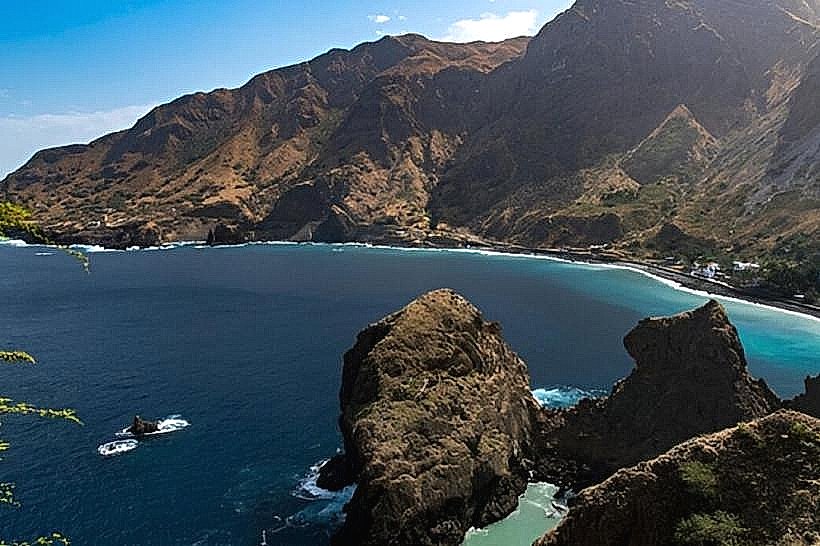
Nova Sintra serves as the administrative capital of Brava Island and functions as the primary cultural and logistical hub for the smallest inhabited island in the Republic of Cabo Verde. It is situated in the island's highlands at an elevation of approximately 500 meters, positioned within a volcanic crater rim.
Historical Timeline
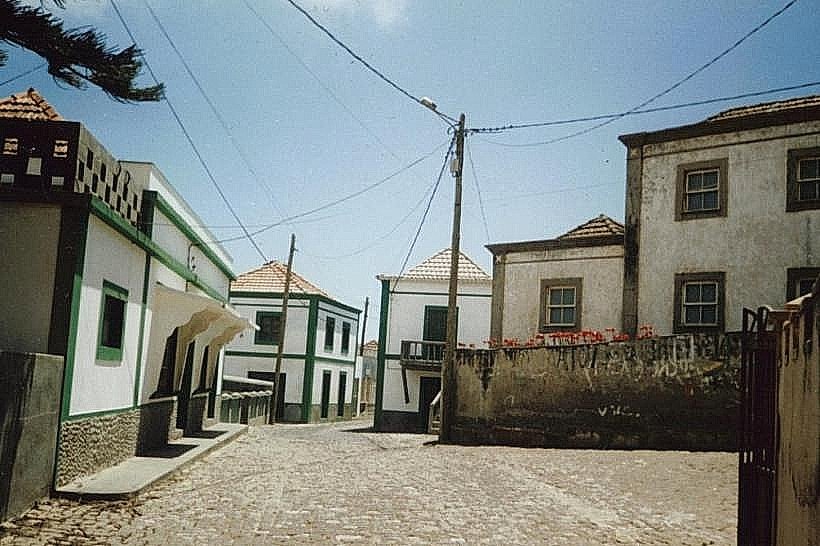
The town was established in the early 18th century, gaining prominence after the 1710 volcanic eruption on the neighboring island of Fogo forced residents to seek refuge on Brava. Primary eras of governance include the Portuguese colonial period and the post-independence era. The town underwent significant structural development in the 19th century, influenced by returning emigrants from the United States. The current urban form was largely shaped by the island's isolation, which preserved its 19th-century colonial architecture and unique garden-city layout.
Demographics & Population
The total population of Nova Sintra is approximately 1,800 residents, while the municipality of Brava totals roughly 5,500. The demographics are predominantly Crioulo (Mestizo). The population is significantly influenced by "American-Bravense" culture due to a centuries-old whaling and migration link to New England. The median age is approximately 28 years.
Urban Layout & Key Districts
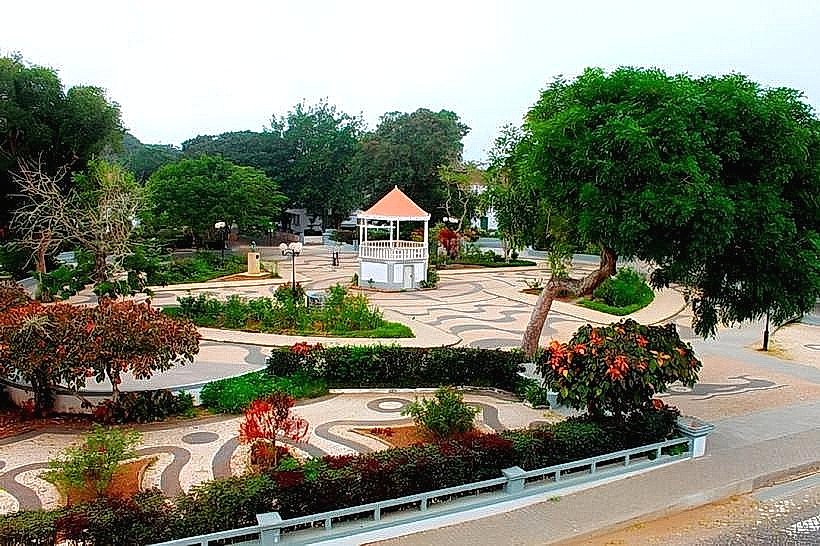
The town is organized around the Praça Eugénio Tavares, a central garden square. Key districts include the Historic Center (around the main square) and the Santa Bárbara district to the south. The layout is constrained by the mountainous topography, with the town serving as the central node for roads leading to the port of Furna to the east and the village of Nossa Senhora do Monte to the west.
Top City Landmarks
Praça Eugénio Tavares
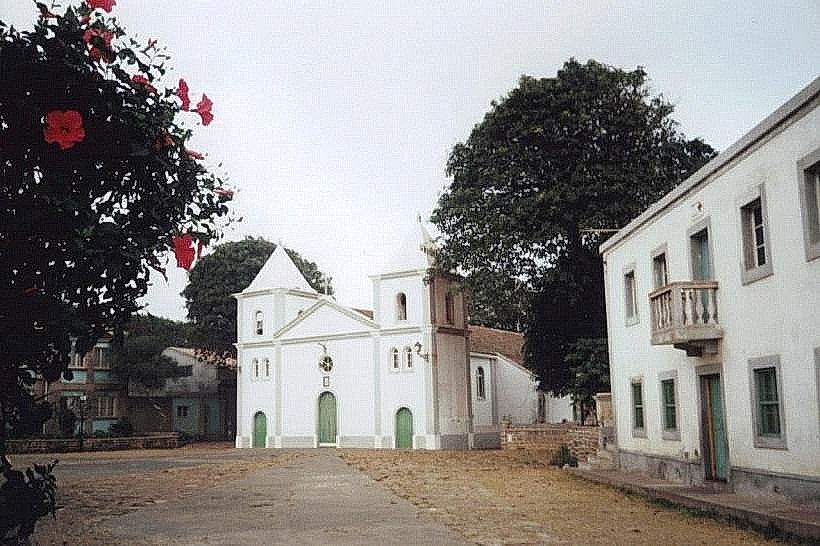
Church of São João Baptista
Eugénio Tavares House-Museum
The Stone Ship (Replica ship monument)
Miradouro de Nova Sintra (Viewpoint)
Transportation Network
Internal movement is conducted entirely on foot or via Aluguer (shared minibuses). There is no rail or metro system. Taxis are typically Toyota Hilux or similar rugged vehicles, blue and white in color, as the terrain is steep. Road infrastructure is primarily high-quality cobblestone. Traffic density is nearly non-existent.
Safety & "Red Zones"
The general safety level is extremely high; Brava is statistically the safest island in the archipelago. There are no "red zones" or neighborhoods to avoid. Property crime is rare, and the town maintains a communal, low-surveillance environment.
Digital & Financial Infrastructure
Average internet speed is 15-30 Mbps (4G/limited ADSL). Main mobile carriers are CV Móvel and T+. Card acceptance is very low; the local economy is cash-based. There are two ATMs (Vinte4 network) located near the central square, which are dependent on the arrival of the ferry for replenishment.
Climate & Air Quality
Temperatures range from 16°C–22°C in winter to 20°C–26°C in summer. Due to its elevation, the town is frequently enveloped in "Neblina" (dense fog). Air quality is exceptionally high. The climate is significantly cooler and more humid than the coastal regions of Cabo Verde, supporting year-round floral growth.
Culture & Social Norms
Tipping is not standard but appreciated for personal service. Handshakes and formal verbal greetings are mandatory in social interactions. Dress code is conservative; despite the heat, long trousers are standard for men in public. The town is the center of "Morna" music, and social life revolves around the central square in the evenings.
Accommodation Zones
Praça Central: Recommended for proximity to the few available restaurants and the primary Aluguer transport node.
Lombo: Recommended for higher elevation views and traditional colonial architecture.
Local Cost Index
1 Espresso: 70 CVE ($0.68)
1 Standard Lunch: 600 CVE ($5.85)
1 Metro/Bus Ticket: 50 CVE ($0.49) - (Local Aluguer rate)
Nearby Day Trips
Furna Port (7 km)
Nossa Senhora do Monte (4 km)
Fajã d’Água (10 km)
Fontainhas Viewpoint (6 km)
Facts & Legends
A unique local myth involves the "Spirit of Eugénio Tavares," the famous composer who lived in the town; locals claim that when the fog (neblina) is particularly thick, the sound of a violin can be heard from the valley. A verified historical oddity is that the town is named after Sintra in Portugal due to their shared microclimates and mist-covered peaks, making it the only capital in Cabo Verde where the primary agricultural concern is traditional flower gardening rather than salt or fishing.