Information
Landmark: Brava IslandCity: Nova Sintra
Country: Cabo Verde
Continent: Africa
Brava Island, Nova Sintra, Cabo Verde, Africa
Brava Island is one of the smallest inhabited islands in Cape Verde, often called the “Island of Flowers” because of its lush vegetation, fertile valleys, and colorful blooms that stand in contrast to the more arid islands of the archipelago. Located in the southern part of Cape Verde, Brava is renowned for its mountainous terrain, cool climate, rich cultural heritage, and tranquil atmosphere, offering a uniquely serene and scenic experience.
Setting and Landscape
Brava is a volcanic island with steep cliffs, deep valleys, and terraced hillsides. The island’s interior is lush and green, nourished by a slightly cooler and more humid climate than other Cape Verdean islands. Water springs and rainfall support vibrant vegetation, including gardens, flowering trees, and cultivated plots of coffee, maize, bananas, and other crops.
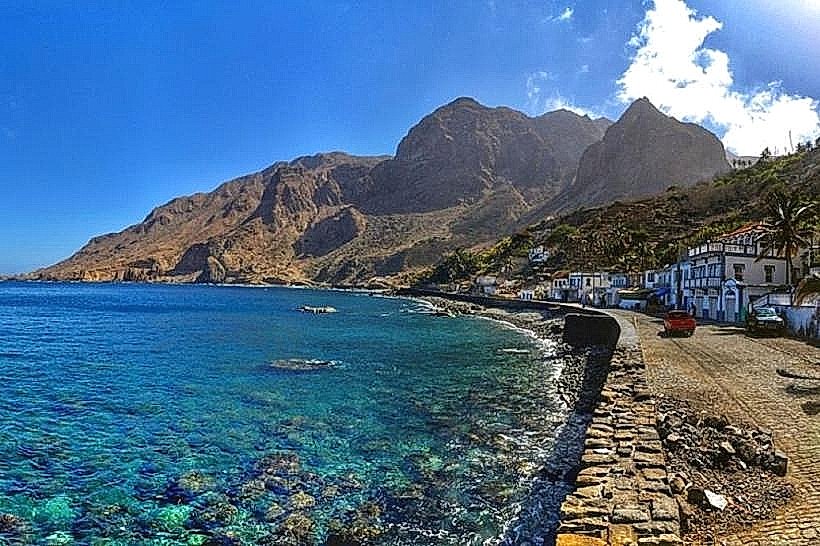
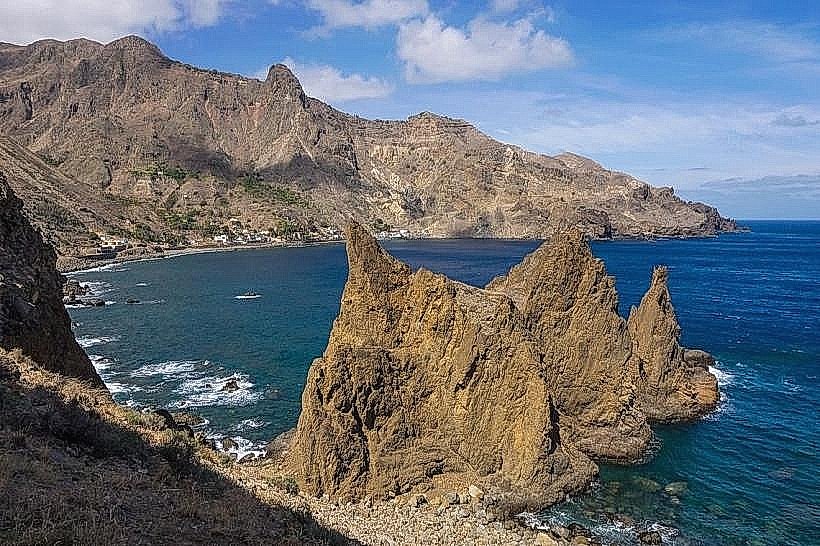
The coastline is dramatic, with sheer cliffs plunging into the Atlantic Ocean, small coves, and occasional pebble or sand beaches. The views from higher elevations provide sweeping panoramas of the island’s terraced slopes, villages, and the distant Atlantic, creating a sense of intimacy and isolation amid natural beauty.
Towns and Villages
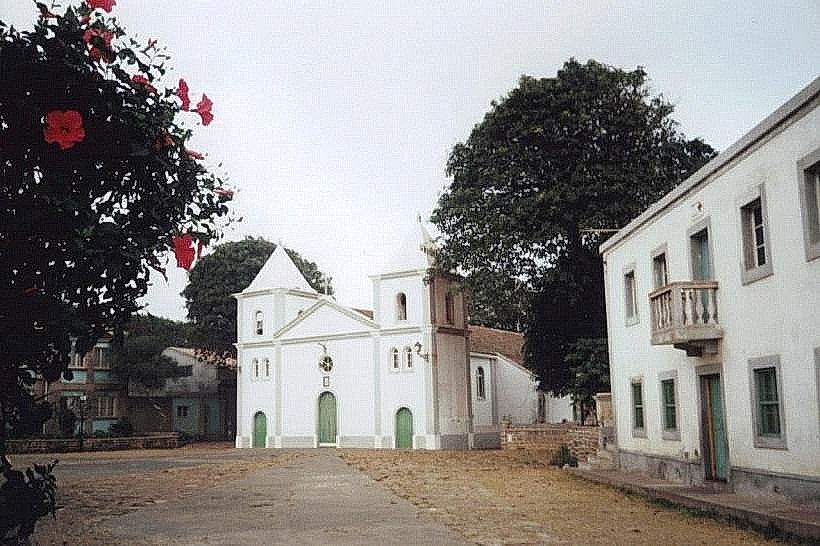
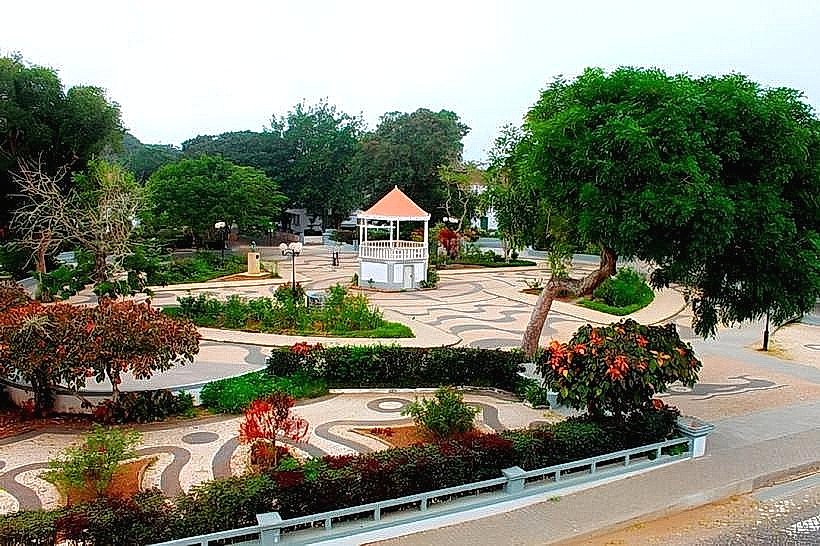
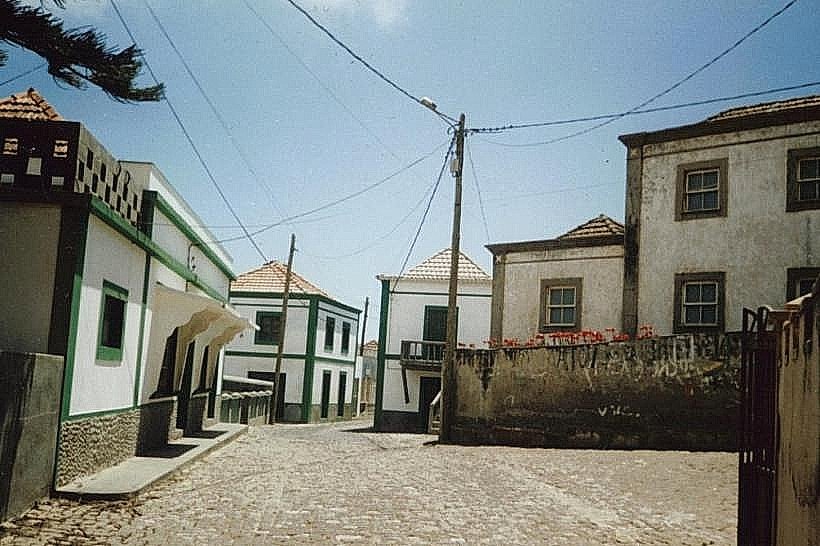
The main settlement is Nova Sintra, located in the island’s interior at an elevated plateau. Nova Sintra is the cultural and administrative hub, featuring colonial-style architecture, cobblestone streets, small plazas, churches, and local markets. Other villages, such as Fajã de Água, offer coastal charm, fishing activity, and access to small beaches.
Cultural and Historical Significance
Brava has a rich cultural history, shaped by Portuguese colonial influence and the maritime economy. Historically, the island served as a stopping point for whaling ships, maritime trade, and emigration, particularly to the United States and Europe. Traditional music, festivals, and crafts remain central to the island’s cultural identity, while churches and colonial-era buildings preserve its architectural heritage.
Local life revolves around agriculture, fishing, and small-scale commerce. Residents cultivate terraced plots on the steep hillsides, grow flowers and fruit, and maintain traditional practices that sustain both the community and the island’s aesthetic charm.
Atmosphere and Visitor Experience
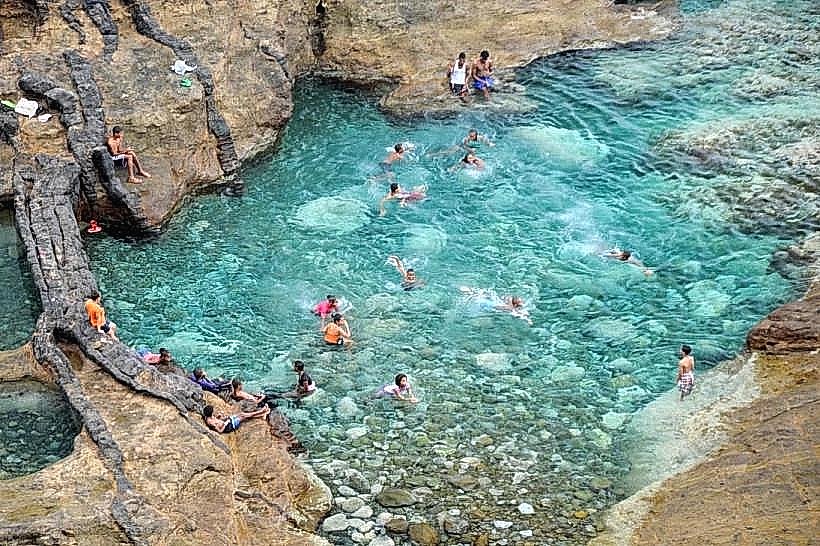
Brava is quiet and intimate compared with larger islands like Santiago or Sal. The combination of mountains, greenery, and cooler climate creates a refreshing environment, with misty mornings and gentle breezes adding to the sense of calm. Visitors can hike along scenic trails, explore the terraced landscapes, wander cobblestone streets in Nova Sintra, or enjoy secluded coves and beaches along the coast.
The island’s sensory experience is enriched by the scent of flowers and fertile soil, the sound of birds and wind through valleys, and the occasional waves crashing against cliffs. Its small population and limited development foster a personal, slow-paced experience, highlighting natural beauty and local culture.
Overall Impression
Brava Island is a verdant, mountainous haven that contrasts sharply with the drier, low-lying islands of Cape Verde. Its combination of scenic landscapes, colonial architecture, terraced agriculture, and rich cultural traditions make it a destination for those seeking tranquility, natural beauty, and authentic Cape Verdean life. The island’s intimacy, dramatic topography, and floral abundance give it a unique charm, earning its nickname as the “Island of Flowers.”