Information
Landmark: Fajã d’Água BayCity: Nova Sintra
Country: Cabo Verde
Continent: Africa
Fajã d’Água Bay, Nova Sintra, Cabo Verde, Africa
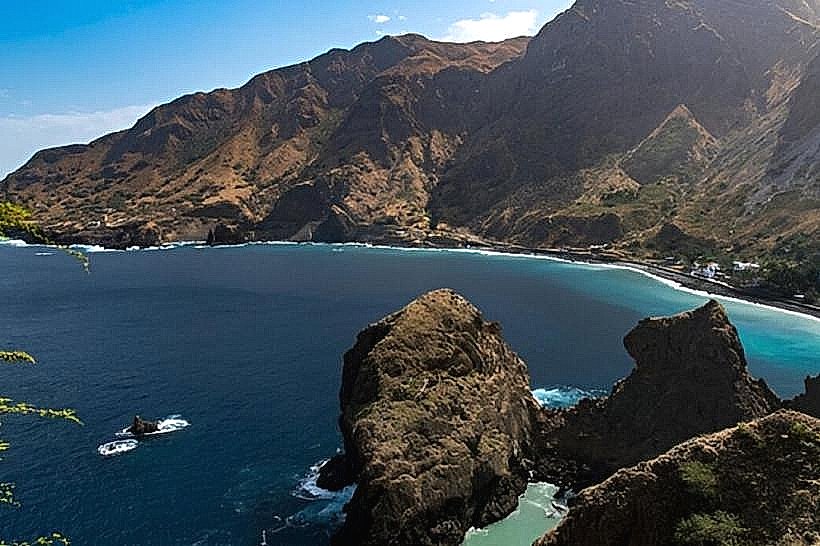
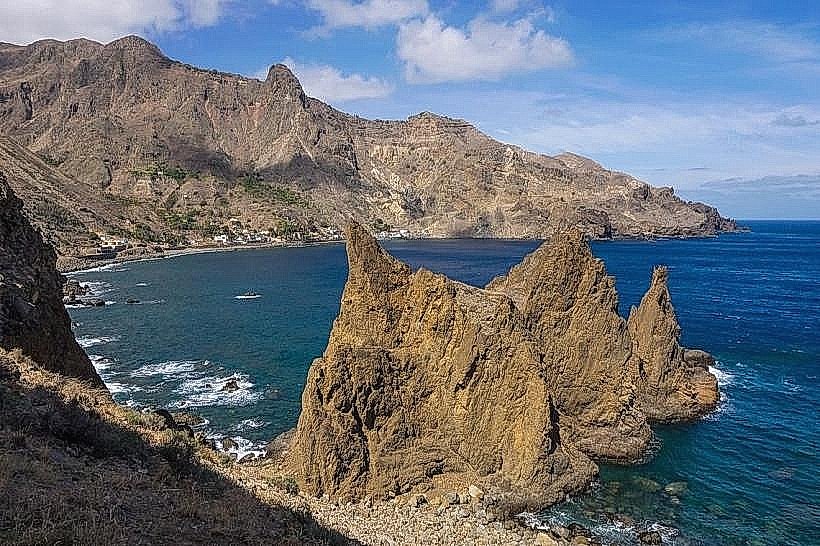
Fajã d’Água Bay is a picturesque coastal enclave on the western coast of Brava Island, Cape Verde. Nestled between rugged cliffs and volcanic slopes, it is one of the island’s most scenic natural harbors, known for its calm waters, small fishing community, and peaceful atmosphere. The bay combines natural beauty, cultural history, and tranquility, making it a quiet retreat from Brava’s inland villages.
Setting and Landscape
The bay is framed by steep volcanic cliffs and rocky outcrops that descend sharply to meet the Atlantic Ocean. A small stretch of pebble and sand beach curves along the shoreline, forming natural coves where boats can anchor. The surrounding terrain is lush and green, with flowering shrubs, palms, and cultivated terraces climbing the slopes, contrasting with the dark volcanic rock.
Fajã d’Água’s waters are relatively calm due to the shelter provided by the cliffs, creating a tranquil swimming and boating environment. The bay’s small harbor, historically used by fishermen, adds a human scale to the dramatic natural landscape.
Community and Cultural Role
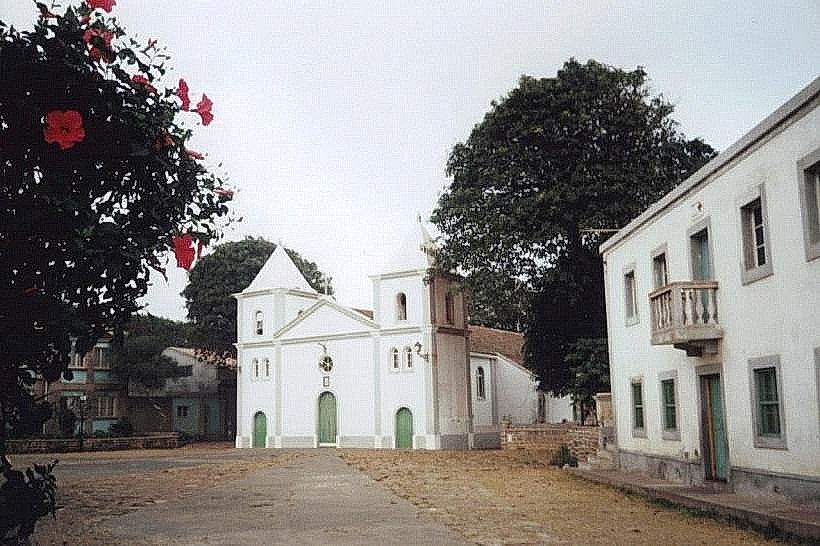
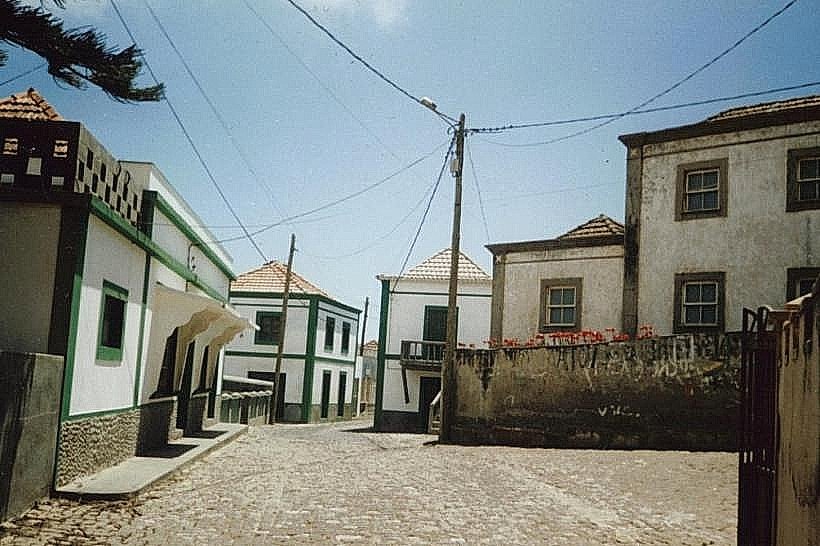
Fajã d’Água is home to a small fishing community. Local fishermen use traditional boats and nets, maintaining practices that have been passed down for generations. The village itself is compact, with whitewashed houses, red-tiled roofs, and cobbled pathways that follow the contours of the terrain.
Historically, the bay was also important for small-scale trade and maritime activity, linking Brava to other islands. While the area is quieter today, it retains a sense of connection to the island’s maritime heritage.
Visitor Experience and Activities
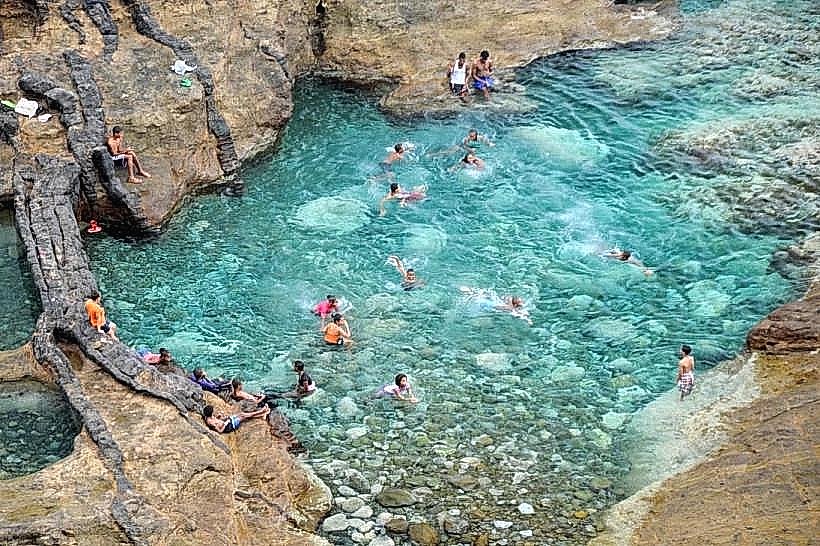
Visitors to Fajã d’Água Bay can enjoy swimming, snorkeling, and kayaking in the calm waters, or simply relaxing on the small beach while observing fishing activity. Walking paths and trails lead up the surrounding cliffs, offering panoramic views of the bay, terraced hillsides, and the Atlantic beyond. Photography enthusiasts are drawn to the combination of volcanic rock, turquoise waters, and colorful village houses.
The bay is also ideal for experiencing local life. Observing fishermen at work, small-scale agriculture on the slopes, and the rhythm of daily village life provides a cultural insight that contrasts with the more tourist-focused areas of Cape Verde.
Atmosphere and Sensory Impressions
Fajã d’Água Bay exudes a calm and contemplative atmosphere. The sound of gentle waves lapping against the shore blends with seabird calls and distant village activity. The scent of saltwater mingles with the fragrance of flowering plants on the cliffs, and the sun warms both rocks and sand. Early mornings or late afternoons offer the most striking light, casting golden hues across the cliffs and reflecting off the water’s surface.
Natural and Environmental Significance
The bay supports a small coastal ecosystem, with marine life including fish, crustaceans, and occasional seabirds that rely on the sheltered environment. The surrounding volcanic slopes and terraced land illustrate the intersection of natural formation and human adaptation, highlighting Brava’s agricultural and coastal ingenuity.
Overall Impression
Fajã d’Água Bay is a serene and visually striking coastal retreat on Brava Island. Its combination of calm turquoise waters, rugged cliffs, flowering slopes, and traditional fishing village creates a unique, intimate experience. The bay offers both natural beauty and a glimpse into Brava’s maritime and cultural heritage, making it an ideal spot for relaxation, exploration, and quiet appreciation of Cape Verde’s western landscapes.