Information
City: BaselCountry: Switzerland
Continent: Europe
Basel, Switzerland, Europe
Basel is located in the "Dreiländereck" where the Swiss, French, and German borders meet on the Rhine River. it is Switzerland's third-largest city and serves as a global hub for the pharmaceutical industry and international art trade.
Visual Characteristics
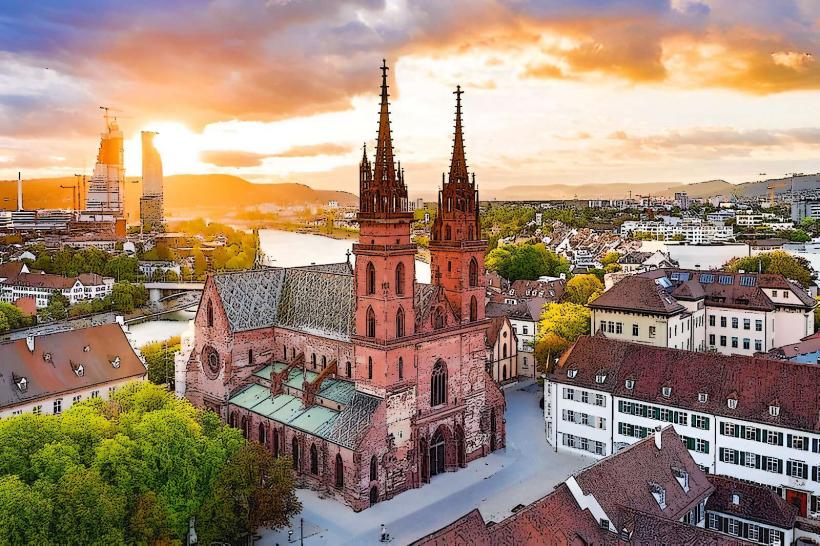
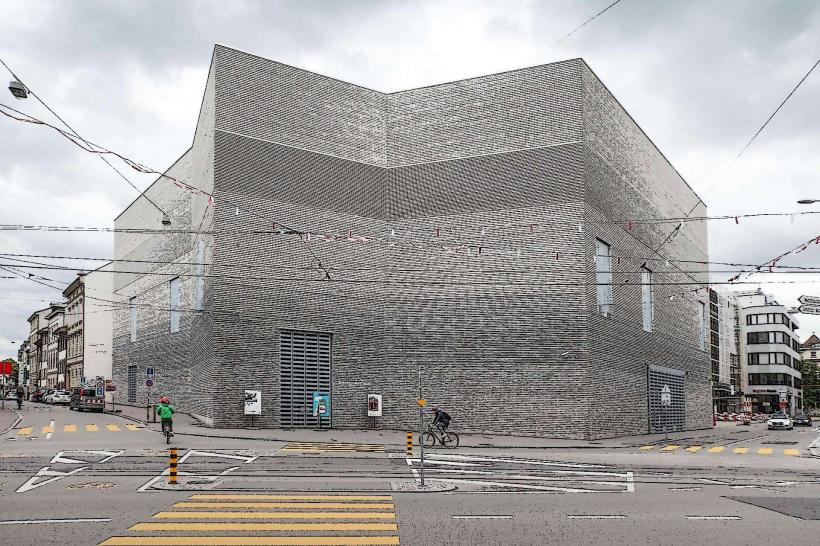
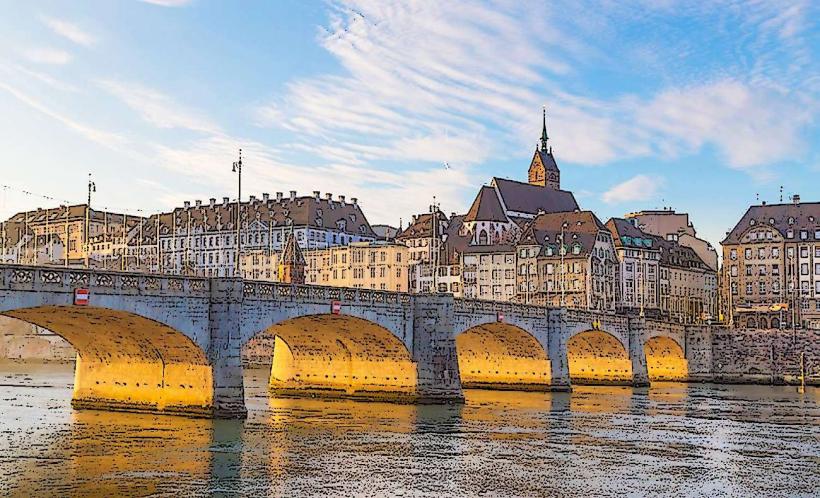
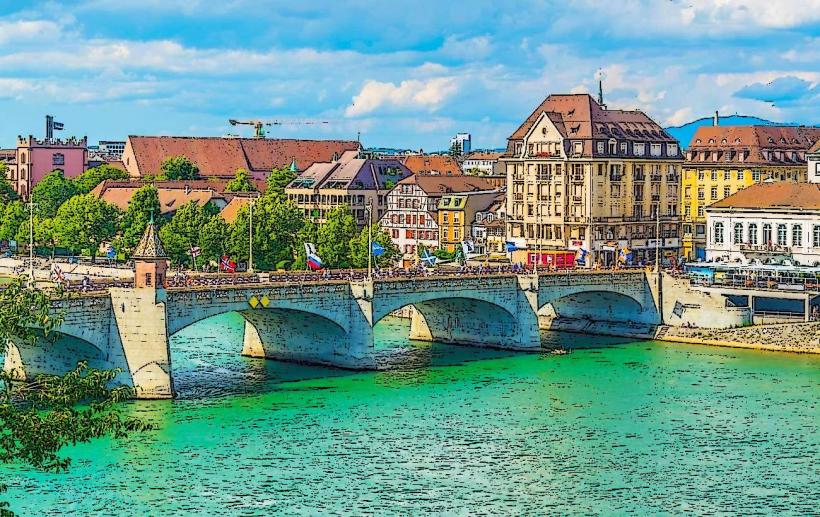
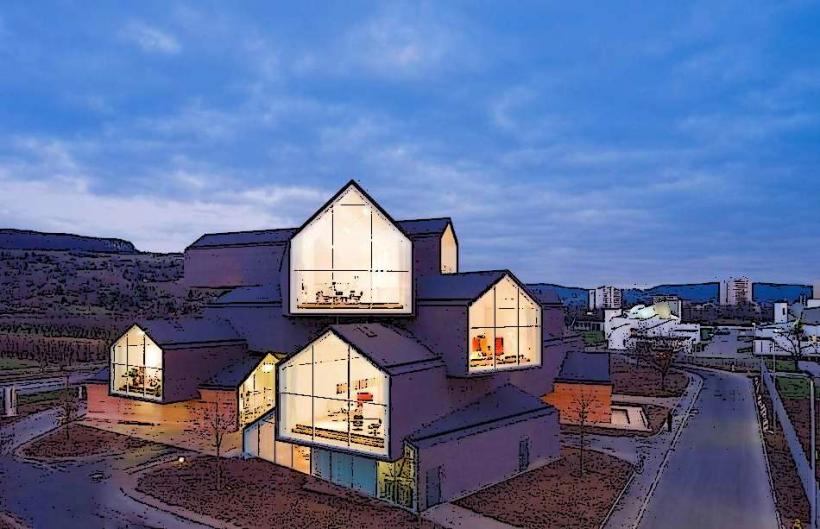
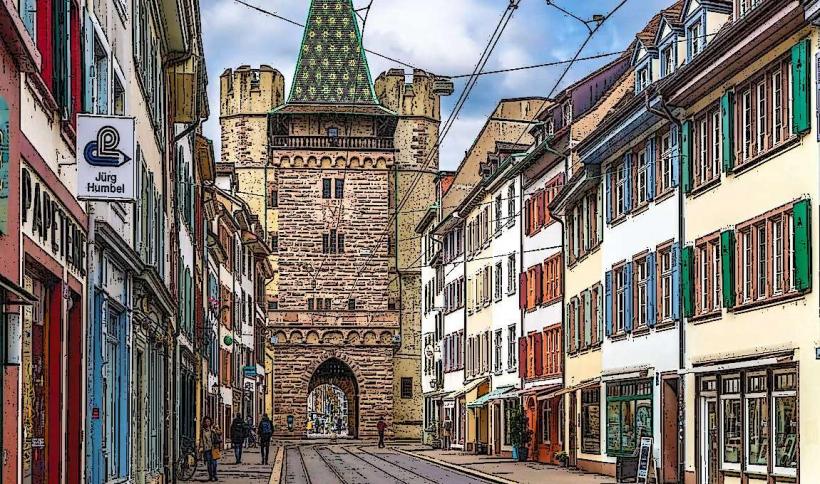
The urban aesthetic is defined by the contrast between its medieval red sandstone core and cutting-edge contemporary architecture. The Basel Minster (Münster), with its multi-colored tile roof and twin towers, is the primary visual anchor. The city features high-density corporate towers designed by Herzog & de Meuron alongside the "Mittlere Brücke," one of the oldest Rhine crossings. The "Basler Baloise Park" and "Roche Towers" dominate the modern skyline.
Location & Access Logistics
Basel is a major European rail and river node. It is served by the EuroAirport Basel-Mulhouse-Freiburg (BSL/MLH/EAP), located 6km northwest on French territory. The city has two primary rail stations: Basel SBB (Swiss/International) and Basel Badischer Bahnhof (German/DB). The BVB and BLT transit networks operate an extensive green and yellow tram system. Vehicle access is managed via the A2 and A3 motorways. Public parking is concentrated in underground facilities like the "Parkhaus Centralbahnplatz" and "City-Parking."
Historical & Ecological Origin
Originally a Celtic settlement and later the Roman site Basilia, the city became a Prince-Bishopric in the 8th century. It joined the Swiss Confederation in 1501. Geologically, it sits at the "Rhine Knee," where the river turns north toward the Rhine Rift Valley. The city's ecology is defined by the Rhine, which is deep enough for large-scale maritime shipping, making Basel Switzerland's only gateway to the sea.
Key Highlights & Activities
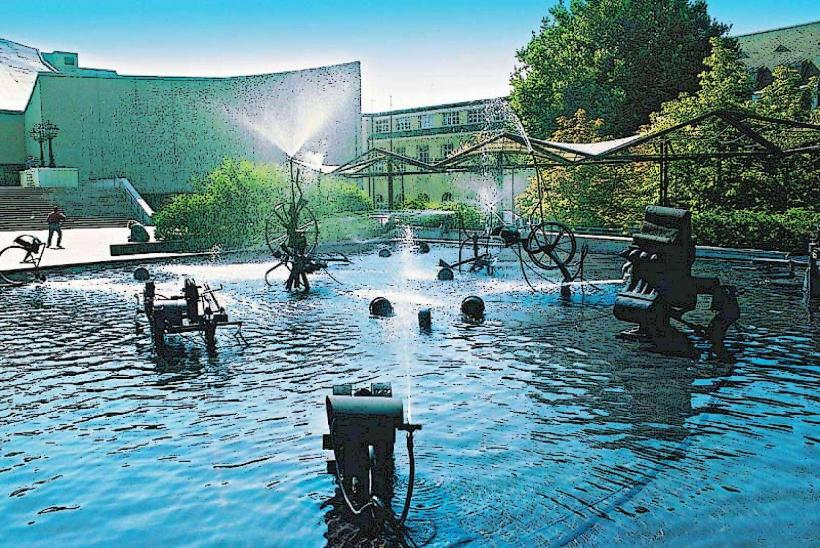
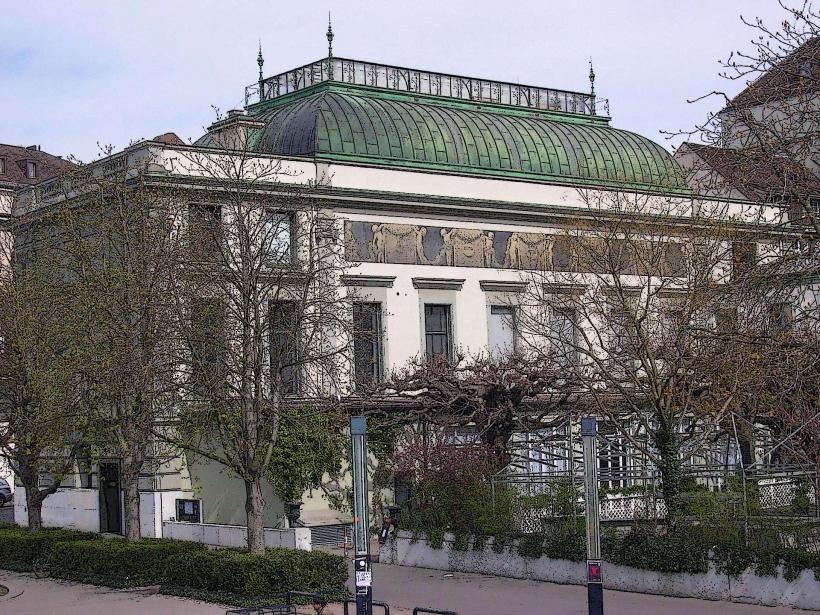
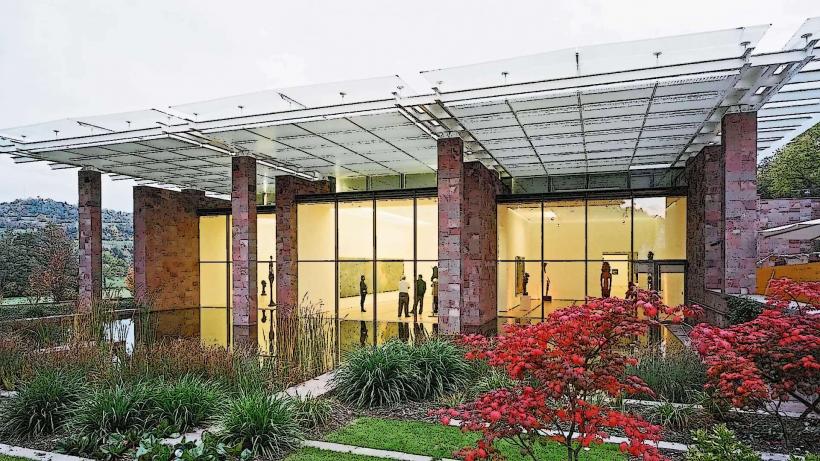
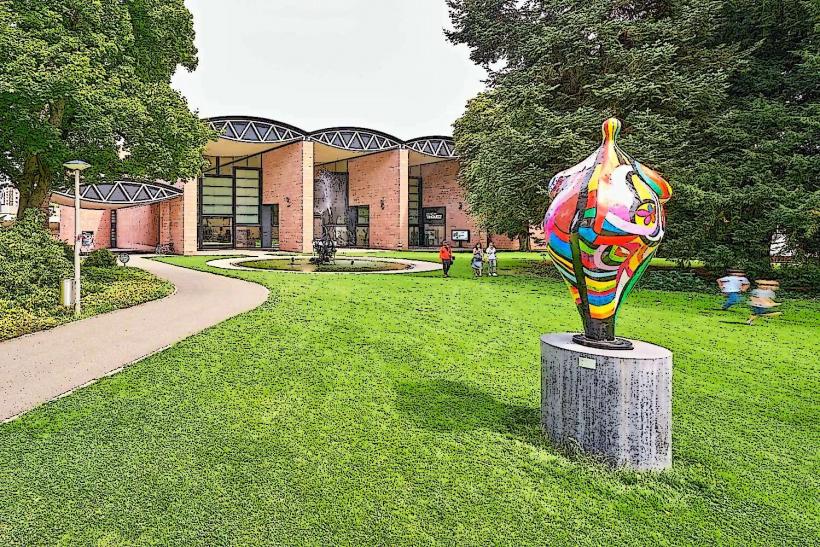
The Kunstmuseum Basel houses the world's oldest public art collection. The Fondation Beyeler, located in nearby Riehen, is Switzerland’s most visited art museum. During summer, "Rhyschwimme" (swimming in the Rhine) is a primary cultural activity, with residents using waterproof bags (Wickelfisch) to float downstream. The annual Baselworld and Art Basel fairs are global industry leaders. The Tinguely Museum features the kinetic iron sculptures of Jean Tinguely.
Infrastructure & Amenities
The city center is equipped with public restrooms near the Marktplatz and Barfüsserplatz. 5G cellular coverage is universal. "BaselCity" provides city-wide Wi-Fi in major squares. The "Pick-e-Bike" system offers shared electric bikes and scooters. There are over 200 public drinking fountains providing high-quality alpine water. Retail is concentrated on the Freie Strasse, while high-density dining and nightlife are found in the "Steinenvorstadt."
Best Time to Visit
The climate is temperate, often warmer than the Swiss Plateau due to Mediterranean air inflow through the Burgundian Gate. May through September is optimal for river activities and outdoor cafes, with temperatures between 19°C and 26°C. The "Basler Fasnacht" (Carnival) starts on the Monday after Ash Wednesday at 4:00 AM (Morgestraich). Photography of the Münster is best in the morning from the Wettsteinbrücke.
Facts & Legends
Basel is the birthplace of tennis champion Roger Federer and the site where LSD was first synthesized by Albert Hofmann. A local historical oddity: the "Lällenkönig" is a clockwork head at the Schifflände that sticks its tongue out at passersby, originally a symbolic insult toward "Little Basel" on the opposite bank. Legend holds that the Basilisk, a mythical creature hatched from a cock’s egg by a toad, lived in local caves and remains the city's heraldic protector.
Nearby Landmarks
Basel Minster: Central hub (Old Town)
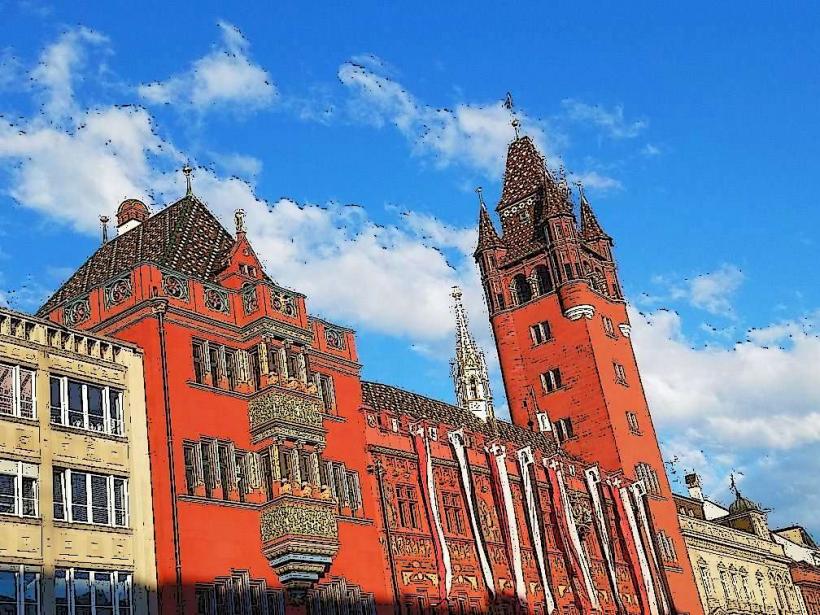
Town Hall (Rathaus): 0.3km West of Minster
Mittlere Brücke: 0.4km Northwest of Minster
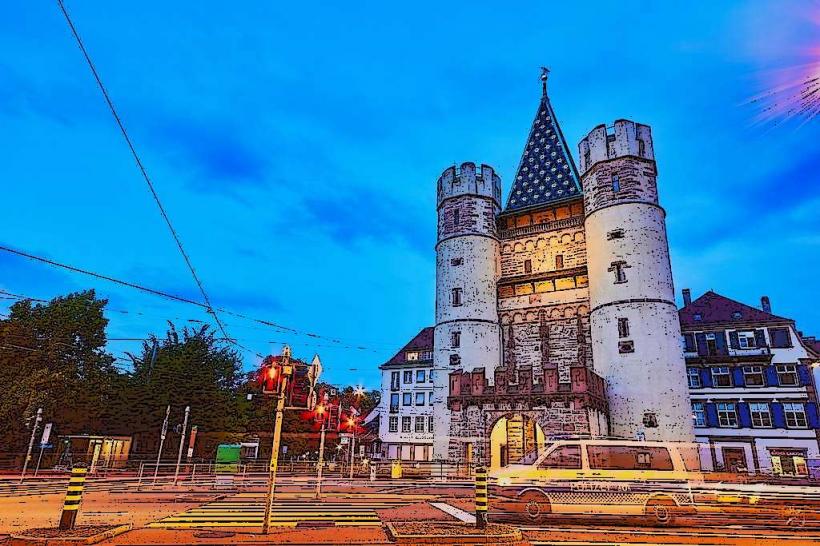
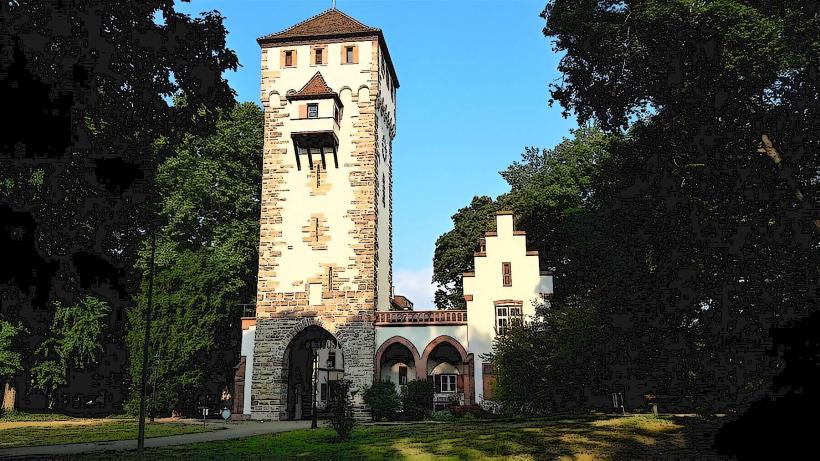
Spalentor (Medieval Gate): 0.8km West of center
Barfüsserplatz: 0.4km Southwest of Minster