Information
City: Bel OmbreCountry: Mauritius
Continent: Africa
Bel Ombre, Mauritius, Africa
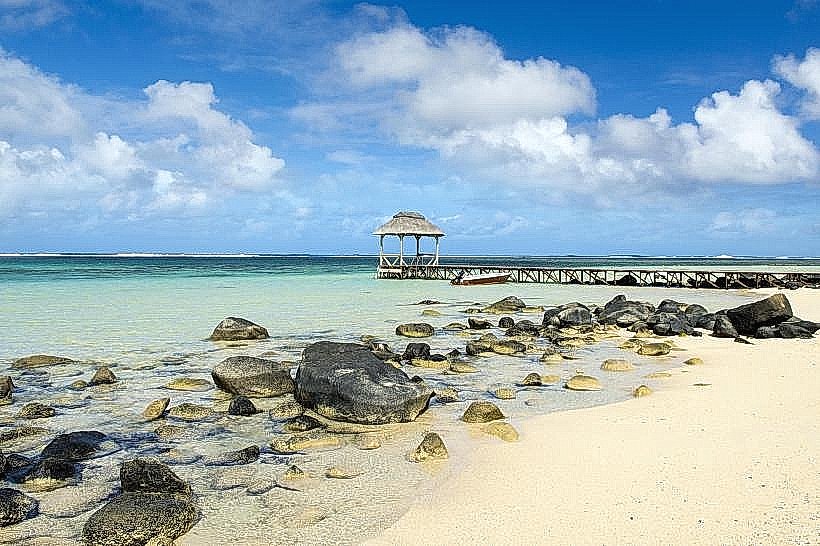
Bel Ombre serves as the primary eco-tourism and luxury residential hub on the southwest coast of Mauritius, situated in the Savanne District. It functions as a strategic conservation zone, housing the island's largest nature reserve and maintaining a "Smart City" model that balances high-end hospitality with large-scale reforestation and sustainable agriculture.
Historical Timeline
The territory was formally established in 1765 via a land concession to French settlers. In 1816, the Irish botanist Charles Telfair took ownership, introducing mechanized sugar milling and advanced horticultural practices. The primary event shaping the current urban form was the 1971 transition of the Compagnie Sucrière de Bel Ombre from a monocrop sugar estate to a diversified tourism and real estate domain, eventually leading to its 1977 designation as a UNESCO Biosphere Reserve.
Demographics & Population
The village has a permanent population of approximately 2,400. The demographic profile is roughly 70% Indo-Mauritian and 30% Creole, with an increasing sub-population of foreign residents within the Heritage Bel Ombre and Valriche estates. The median age is approximately 38 years.
Urban Layout & Key Districts
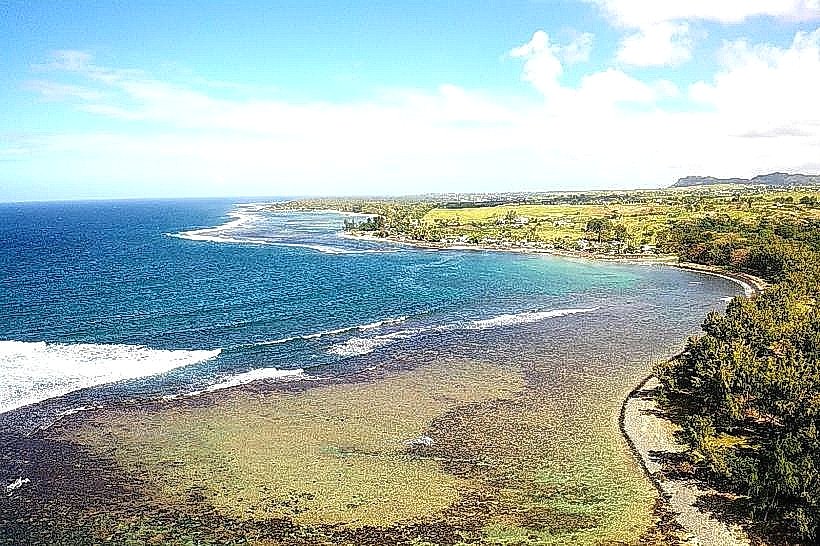
The region is organized along the B9 coastal road, transitioning from a rugged shoreline to a 500-meter elevation plateau. Key districts include the Village Core (Center), a traditional residential area; the Resort Strip (West), containing luxury hotel developments; and the Bel Ombre Nature Reserve (North), encompassing 1,300 hectares of protected forest and former hunting grounds.
Top City Landmarks
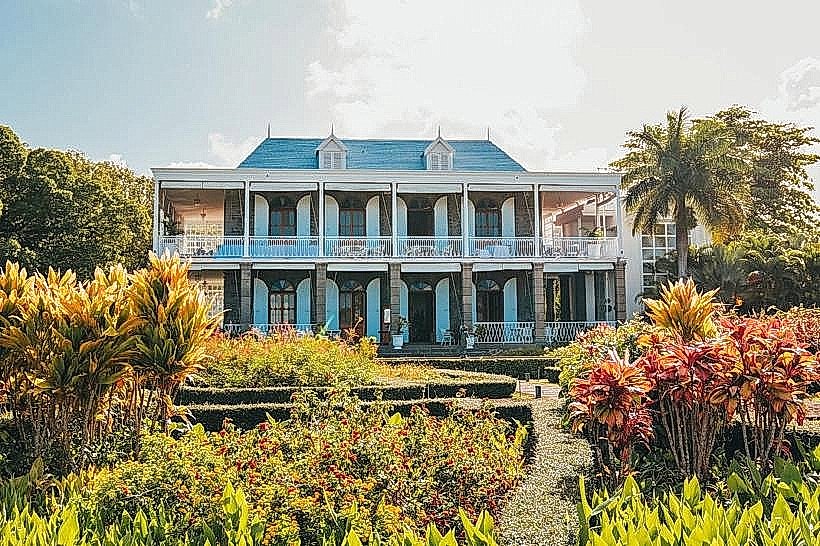
Château de Bel Ombre (19th-century colonial mansion)
Bel Ombre Nature Reserve (UNESCO Biosphere)
Heritage Golf Club (La Réserve Golf Links)
World of Seashells (Largest seashell collection in Africa)
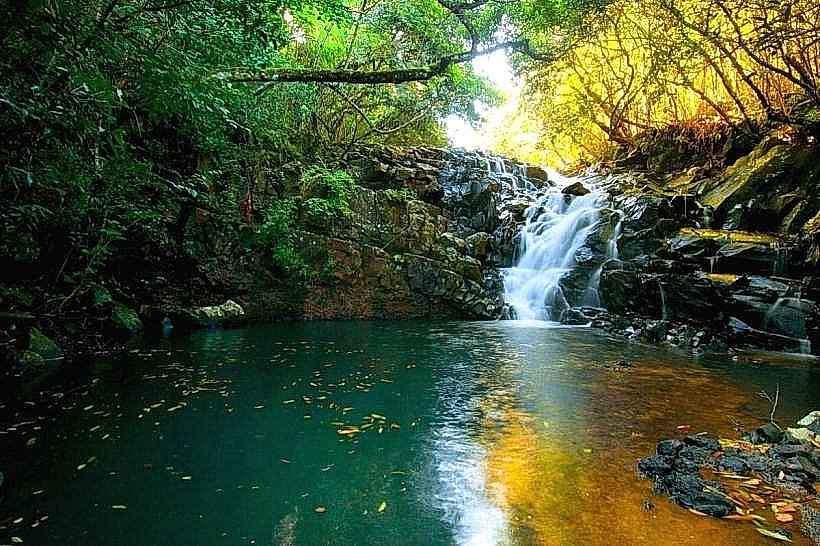
Frederica Waterfall
Transportation Network
Movement is facilitated by the B9 and A10 roads. Bus transit connects the village to Souillac and Baie du Cap, but service is infrequent. There is no Metro Express service. Ride-sharing via the Yugo app is available but wait times are significant due to the remote southern location. Official taxis are white with yellow markings, primarily stationed at resort gates. Traffic density is very low, consisting mainly of golf carts and tourist vehicles.
Safety & "Red Zones"
The general safety level is very high. Avoid the unlit sections of the B9 coastal road after dark. There are no "red zones," though visitors should not enter the Nature Reserve without a guide or permit, as the terrain is prone to sudden weather shifts and heavy fog in the uplands.
Digital & Financial Infrastructure
Average internet speed is 40-70 Mbps, supported by the Smart City's fiber backbone. Main carriers are my.t and Emtel. Card acceptance is universal in resorts, the golf club, and the Château; cash (MUR) is required for local village shops. There are no independent ATMs in the village; the nearest facilities are located within the resorts or in Chemin Grenier (5 km away).
Climate & Air Quality
Temperatures range from 16°C to 24°C in winter and 22°C to 30°C in summer. The region is exposed to the southeast trade winds, making it cooler and windier than the west coast. Air quality is exceptional, consistently among the highest in Mauritius due to the 1,300 hectares of surrounding forest.
Culture & Social Norms
A 10% tip is standard in restaurants. Handshakes are the common greeting. Dress code is "Resort Casual" in the coastal zone, but conservative attire (shoulders and knees covered) is expected when visiting the village or local administrative buildings. Smoking is strictly prohibited in the Nature Reserve and within the vicinity of the historic Château.
Accommodation Zones
Stay in the Integrated Resort Zone (e.g., Heritage Awali/Telfair) for full-service luxury and golf access.
Stay in the Valriche Villas (Northwest) for high-end residential privacy and mountain views.
Local Cost Index
1 Espresso: 125 MUR ($2.75 USD)
1 Standard Lunch (Château/Resort): 850 MUR ($18.60 USD)
1 Bus Ticket: 35-45 MUR ($0.75 - $1.00 USD)
Nearby Day Trips
Le Morne Brabant: 15 km (20 minutes)
Chamarel Seven Coloured Earth: 12 km (20 minutes)
Gris Gris (Souillac): 10 km (15 minutes)
La Vanille Nature Park: 18 km (30 minutes)
Facts & Legends
Bel Ombre is named after the Ombre (Shadow) fish, a species of salmon-like fish found in the local ponds by early settlers. A verified historical oddity is that the builder of the famous Château, Hajee Jackaria Ahmed, conceived and funded the entire estate from India but died before ever setting foot on Mauritian soil to see the completed structure. Local legend suggests the "Baie du Jacotet" was a favored landing site for 18th-century pirates hiding treasure in the sea caves of the southern cliffs.