Information
City: BelfastCountry: Ireland
Continent: Europe
Belfast, Ireland, Europe
Belfast is the capital of Northern Ireland, situated at the mouth of the River Lagan on the Belfast Lough. Historically a global leader in linen production and shipbuilding, the city has undergone significant post-industrial regeneration to become a center for film production, technology, and tourism.
Visual Characteristics
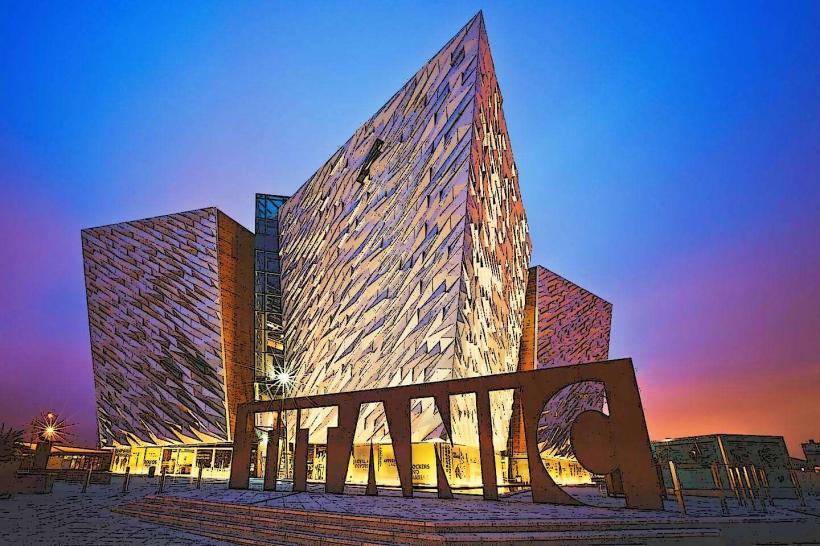
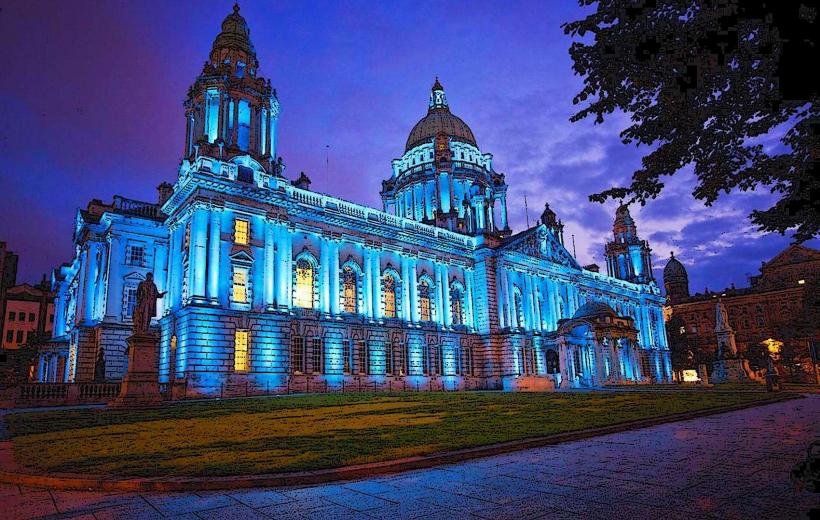
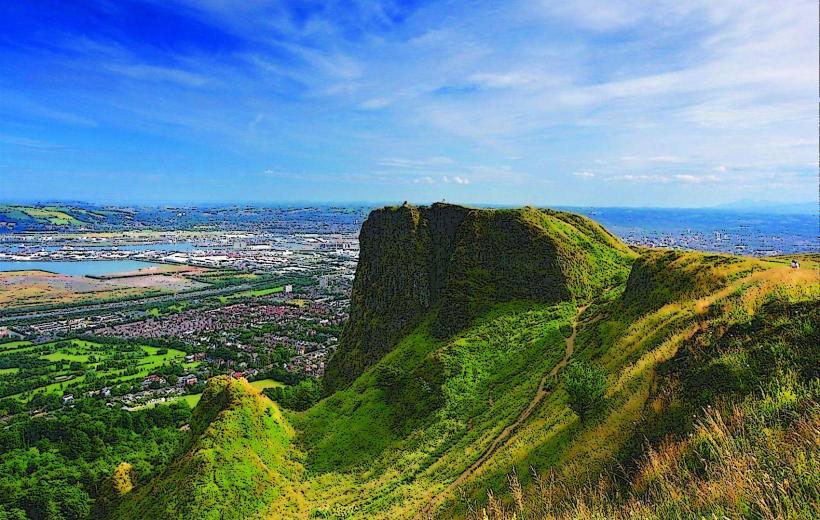
The urban landscape is defined by the juxtaposition of monumental Victorian architecture, such as the copper-domed City Hall, and modern industrial landmarks like the "Samson and Goliath" yellow gantry cranes of the Harland & Wolff shipyard. The Titanic Quarter features high-density contemporary glass structures and the star-shaped Titanic Belfast museum. The skyline is framed by the basaltic cliffs of Cavehill to the north.
Location & Access Logistics
Belfast is located on the eastern coast of Ireland. It is served by two airports: George Best Belfast City (BHD), 5km from the center, and Belfast International (BFS), 30km northwest. Lanyon Place is the primary rail station for the "Enterprise" service to Dublin (2 hours). The Glider bus rapid transit system and Metro buses provide citywide transit. Vehicle access is via the M1 and M2 motorways. Public parking is concentrated at Victoria Square and the Value Car Parks multi-story.
Historical & Ecological Origin
The name derives from the Irish Béal Feirste (mouth of the sandbar). It became a major industrial port in the 19th century. Geologically, it sits in a valley of Triassic sandstone and mudstone, surrounded by the Antrim Plateau's basalt. The city's history is heavily defined by the "Troubles" (1969–1998), the legacy of which remains visible in the "Peace Lines" (separation barriers) in West Belfast. The River Lagan serves as the primary ecological corridor, recently rehabilitated through the construction of the Lagan Weir.
Key Highlights & Activities
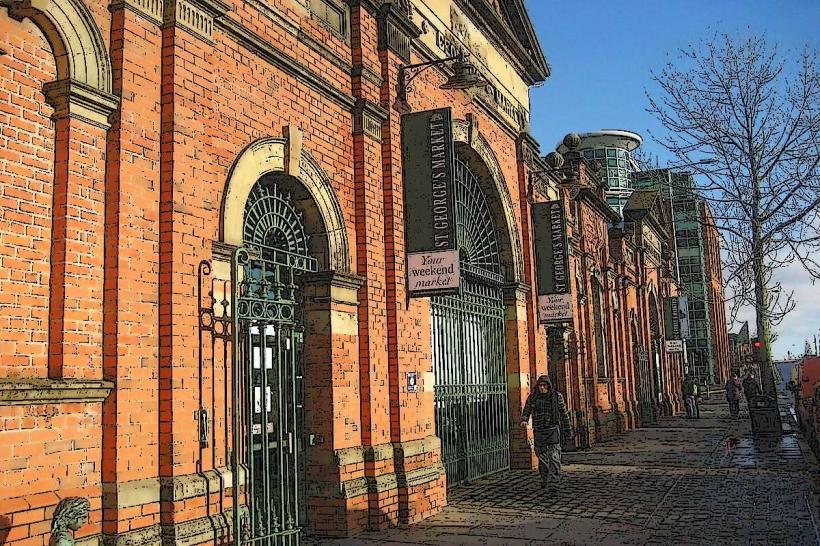
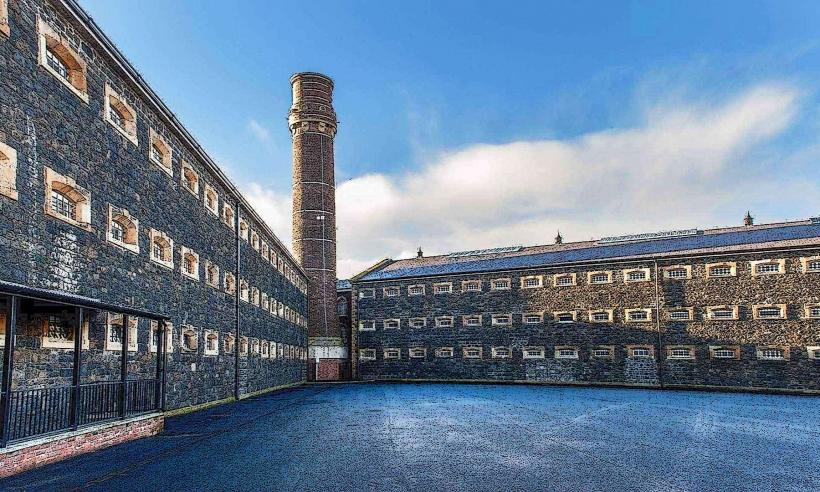
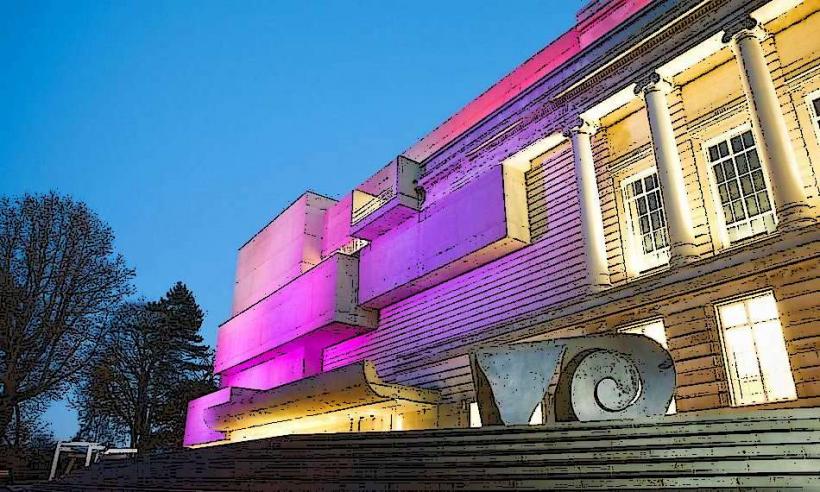
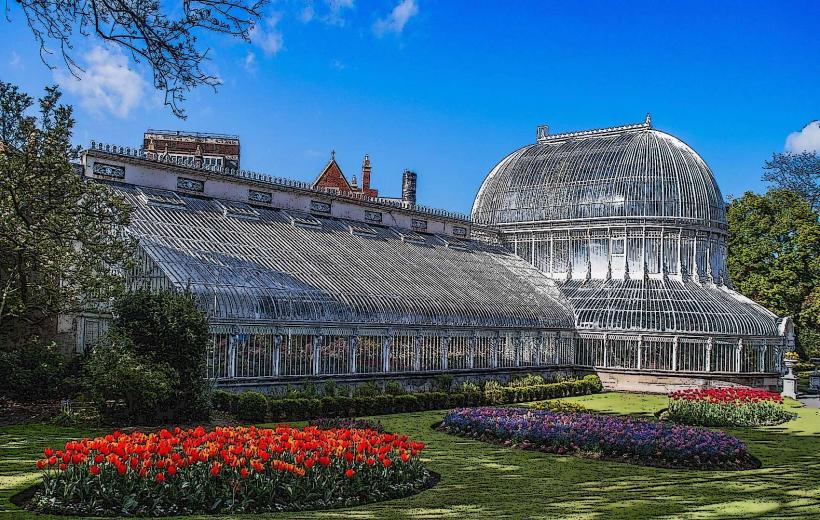
Titanic Belfast is the world's largest Titanic-themed attraction, located on the site where the ship was built. The Ulster Museum and Botanic Gardens offer high-density collections of Irish archaeology and tropical botany. The Crumlin Road Gaol provides tours of a Victorian-era prison. The "Black Taxi Tours" are the primary method for viewing the political murals of the Falls and Shankill Roads. St George’s Market is a central hub for local food and crafts.
Infrastructure & Amenities
The city center is equipped with public restrooms in the Victoria Square and CastleCourt shopping centers. 5G cellular coverage is universal. The "Belfast Bikes" sharing system provides automated bicycle rentals. Drinking water fountains are located in major parks and the City Hall grounds. Retail is concentrated in the Victoria Square district. Dining is densest in the Cathedral Quarter, known for its cobbled streets and high-density hospitality venues.
Best Time to Visit
The climate is temperate oceanic, characterized by high-frequency rainfall and mild temperatures. May through September is optimal for outdoor activities, with temperatures between 16°C and 20°C. The Belfast International Arts Festival in October is a major cultural peak. Photography of the Harland & Wolff cranes is best at sunset from the Titanic Slipways.
Facts & Legends
Belfast was the only city in Ireland to fully experience the Industrial Revolution. A local historical oddity: the Albert Memorial Clock leans significantly due to being built on reclaimed land from the river. Legend holds that Cavehill’s "Napoleon’s Nose" profile inspired Jonathan Swift’s Gulliver’s Travels, with the hill representing a sleeping giant protecting the city.
Nearby Landmarks
Belfast City Hall: Central hub
Titanic Belfast: 2.0km Northeast of center
St Anne’s Cathedral: 0.5km North of center
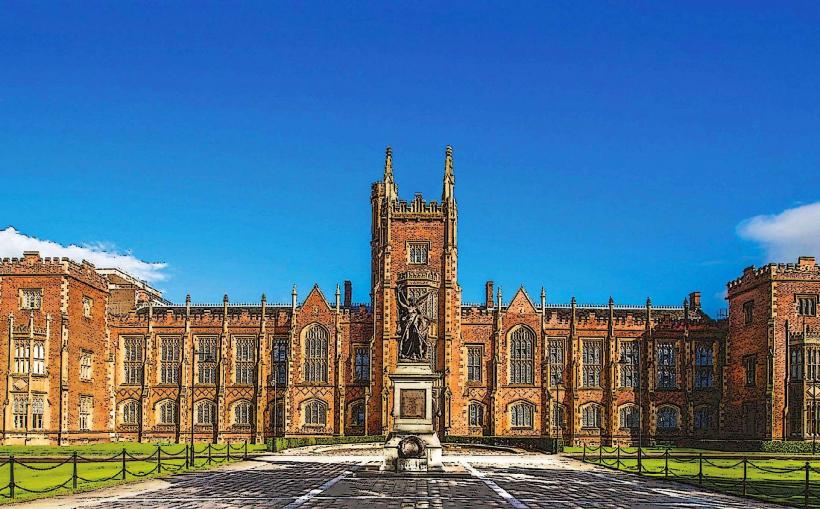
Queen's University: 1.5km South of center
Victoria Square: Main retail hub