Information
Landmark: Belfast Botanic GardensCity: Belfast
Country: United Kingdom
Continent: Europe
Belfast Botanic Gardens, Belfast, United Kingdom, Europe
Belfast Botanic Gardens is a 28-acre public park and botanical collection located in the Queen’s Quarter of Belfast, United Kingdom. Established in the 19th century, it is a primary center for Victorian horticultural heritage.
Visual Characteristics
The gardens are defined by two historic glasshouses: the Palm House and the Tropical Ravine. The Palm House is a distinctive structure of curved iron and glass, while the Tropical Ravine features a red-brick exterior with a high-density interior jungle environment viewed from a raised gallery. The grounds consist of formal rose gardens, expansive manicured lawns, and a high-density collection of mature trees and herbaceous borders.
Location & Access Logistics
The main entrance is on Stranmillis Road (BT7 1LP).
Public Transport: Botanic Railway Station is 0.4km north. Metro bus routes 7 and 8 provide frequent service to the gates.
Road: Situated in South Belfast, approximately 1.5km from the city center.
Parking: No general public parking on-site. Limited on-street pay-and-display parking is available on Stranmillis Road and Colenso Parade.
Access: The park features paved paths and is fully accessible to wheelchair users. The Tropical Ravine includes lift access to the viewing platform.
Historical & Ecological Origin
The gardens were established in 1828 as the private Royal Belfast Botanic Gardens. They were opened to the public in 1895. The Palm House, designed by Charles Lanyon, is one of the earliest examples of a curvilinear cast-iron glasshouse in the world. The site functions as a high-density ecological island in the city, supporting diverse pollinators, grey squirrels, and various bird species including goldcrests and sparrowhawks.
Key Highlights & Activities
The Palm House: Contains a high-density collection of tropical plants, including one of the oldest potted plants in the UK-a 400-year-old Xanthorrhoea.
The Tropical Ravine: Reopened in 2018 after a major restoration; it houses exotic plants, orchids, and cinnamon in a sunken glen.
The Rose Garden: Peak visual fidelity occurs in July and August.
Public Events: The park's wide lawns serve as a high-capacity venue for summer concerts, festivals, and the Belfast Mela.
Infrastructure & Amenities
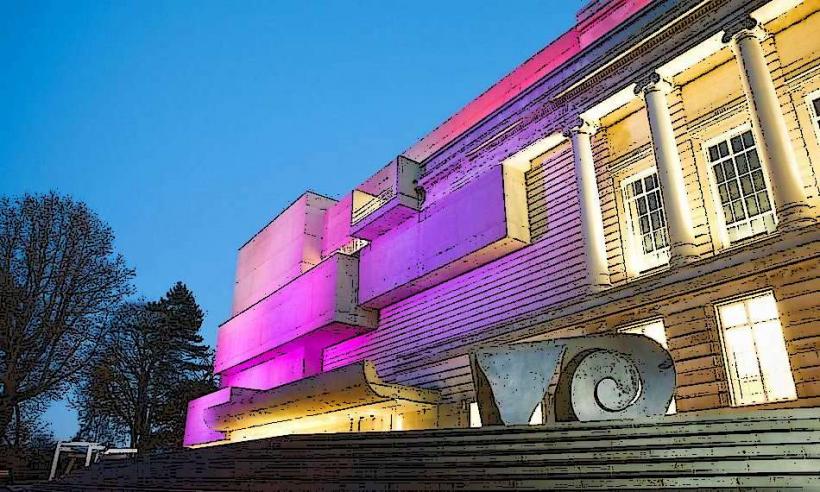
Public restrooms are located near the Stranmillis Road entrance. The adjacent Ulster Museum provides high-capacity cafe and retail facilities. 5G cellular coverage is exceptional across the open areas of the park.
Best Time to Visit
The park is open daily from 07:30 until sunset. The glasshouses have restricted hours (typically 10:00–16:00). Early morning offers the best conditions for architectural photography of the Palm House. Spring (April–May) provides peak flowering for the azaleas and rhododendrons.
Facts & Legends
A verified historical oddity is that the Palm House was constructed before the development of modern steel, using hand-wrought iron bars. Local lore often cites the gardens as a frequent haunt of the "Belfast Poets" during the mid-20th century, serving as a primary site for literary inspiration and assembly.
Nearby Landmarks
Ulster Museum: Immediately West (within the grounds)
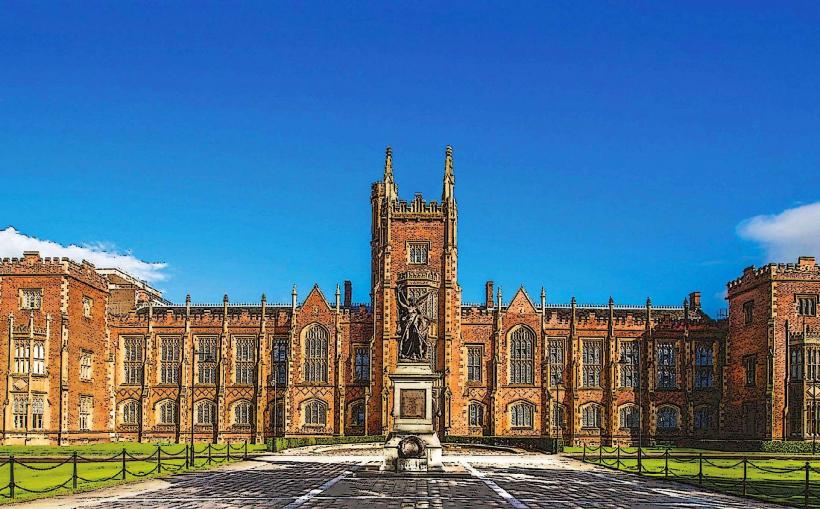
Queen's University Belfast: 0.2km North
The Lyric Theatre: 0.5km East
Stranmillis Village: 0.4km South