Information
City: BengoCountry: Angola
Continent: Africa
Bengo, Angola, Africa
Bengo is a coastal province in northwestern Angola, serving as a geographic ring around the national capital, Luanda. Its capital is Caxito. It is defined by its role as a strategic agricultural feeder for the capital region, its diverse ecosystems (from lagoons to dry savannas), and its deep historical ties to the Kingdom of Ndongo.
Historical Timeline
Historically part of the Kingdom of Ndongo. A critical historical event occurred during the Angolan War of Independence, specifically in Nambuangongo, which was the site of the first "Free State of Angola" declared by nationalist forces in 1961. Until 1980, Bengo was administratively part of Luanda; it was created as a separate province to improve the management of the capital's sprawling outskirts. In October 2025, the José Armando Sayovo Sports Complex was inaugurated in Caxito, marking a major milestone in provincial infrastructure. In 2026, the province is a central hub for the relocation of national logistics and the operationalization of the new international airport.
Demographics & Population
The 2026 estimated population is approximately 450,000. The population is predominantly Ambundu. Portuguese is the official language, but Kimbundu is the primary indigenous language of the region. The economy is driven by Agriculture (bananas, pineapples, sugarcane), Artisanal Fishing, and Construction Materials (quarries and cement).
Urban Layout & Key Districts
The province is fragmented, surrounding Luanda to the north, east, and south.
Caxito: The provincial capital and an important center for irrigated agriculture.
Dande: The primary municipality, containing the capital and vital water resources like the Dande River.
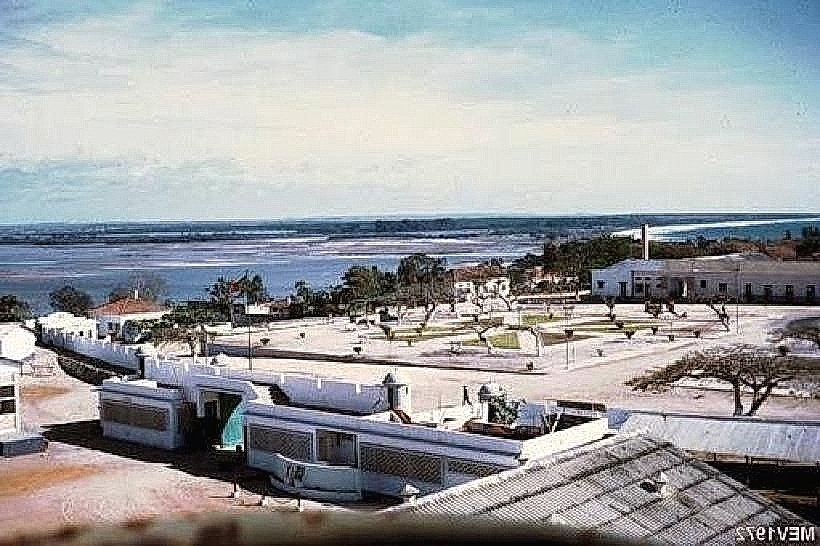
Ambriz: A historic northern port town known for its fishing industry and colonial-era ruins.
Ícolo e Bengo: (Transferred administratively to Luanda in 2011 but still culturally/geographically linked); the site of the new António Agostinho Neto International Airport (AIAAN).
Nambuangongo: A remote, historically significant district in the forested interior.
Top Landmarks
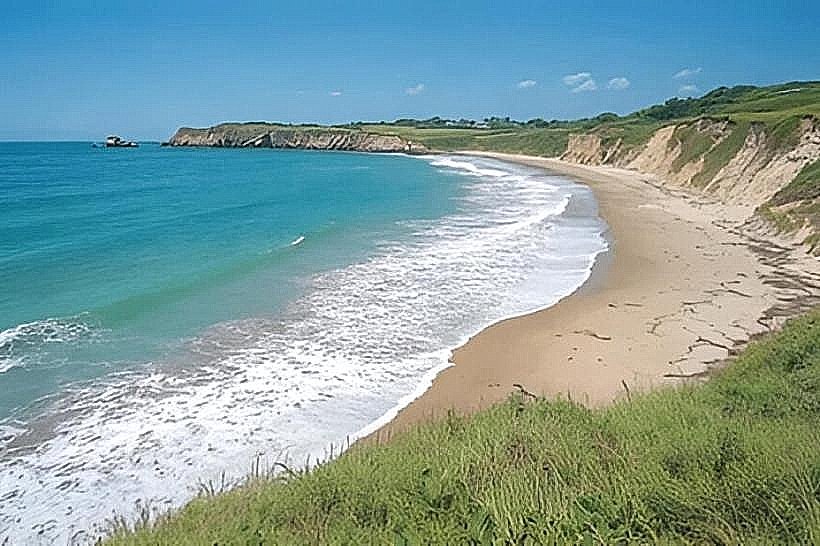
Barra do Dande: A coastal area where the Dande River meets the Atlantic, famous for its red cliffs, beaches, and fish markets.
Muxima Sanctuary: (Located in the Kissama region); the most important religious pilgrimage site in Angola, featuring a 16th-century church and fortress.
Cabo Ledo: A world-renowned surfing destination and beach resort area with dramatic limestone cliffs.
Quibinda Forest Reserve: A protected area of tropical dry forest and savanna.
Miradouro da Lua (Moon Viewpoint): (On the border with Luanda); a spectacular lunar-like landscape carved by erosion.
Panguila Lagoon: A major water body used for artisanal fishing and a scenic landmark along the northern highway.
Transportation Network
Bengo is the gateway to Luanda. The Luanda Railway (CFL) passes through the province, with the link to the new AIAAN airport in Catete scheduled to resume full passenger service in the first quarter of 2026. The EN-100 (North) connects Caxito to Luanda and Uíge, while the EN-100 (South) links Cabo Ledo to the capital. Within the province, Candongueiros and motorbikes are the standard transit.
Safety & Health
Bengo is generally safer than Luanda, though standard precautions against petty crime are necessary. In early 2026, the province is part of a regional Cholera alert; strict water and food hygiene are essential. Malaria is a high risk, particularly in the irrigated agricultural zones around Caxito and the Dande River.
Digital & Financial Infrastructure
4G and 5G connectivity are robust in the Caxito–Luanda corridor via Unitel. The Kwanza (AOA) is the currency. ATMs (Multicaixa) are available in Caxito and major towns like Ambriz and Porto Amboim. The financial sector is heavily tied to the provincial civil service and the industrial hubs near Luanda's border.
Climate & Ecology
As (Tropical savanna) climate. The province features a long dry season (Cacimbo) from May to September. In 2026, the province is a focal point for "Green Belt" initiatives aimed at protecting the lagoons and river systems that supply water to Luanda.
Culture & Social Norms
The culture is characterized by the Procession of Saint Anne (Sant'Ana) in Caxito, held annually in July, which draws thousands of pilgrims. Social life is centered on the Mercado de Caxito, a vibrant commercial hub. Cuisine highlights include Mufete (grilled fish with sweet potatoes and beans) and the famous Bengo Bananas.
Local Cost Index
1 Standard Meal: $6.00–$15.00 USD.
Mid-range Hotel Night: $70.00–$120.00 USD.
Nearby Day Trips
Kissama National Park: (Adjacent to southern Bengo); the most accessible wildlife park from Luanda, featuring elephants, giraffes, and zebras.
Muxima Village: A spiritual and historical trip to the "Heart of Angolan Catholicism."
Facts & Legends
The name "Caxito" means "a place of refuge" in Kimbundu, referring to its history as a sanctuary during regional conflicts. A local legend tells of the Mermaids of the Dande, who are said to guard the river's entrance and ensure a bountiful catch for those who respect the water. Another fact: Bengo is the birthplace of António Agostinho Neto, the first President of Angola, specifically in the village of Kaxicane. In 2026, Bengo is evolving from a rural hinterland into a vital industrial and logistical suburb of the Luanda megalopolis.